



Ever wonder if your pet’s food might be causing weight gain? Too many calories can lead to extra pounds and even cause joint pain.
Feeding your pet the right mix of proteins (the building blocks), fats (energy sources), carbohydrates, vitamins, minerals, and water helps boost their overall health.
Matching their meals to the energy they use, and mixing in some fun exercise, can help them shed unwanted weight safely.
Read on for simple, clear tips to keep your pet fit, active, and full of life.
Pet Nutrition Facts for Weight Management: Boost Health
Balanced nutrition is crucial for pets that have extra weight. Overeating, when pets get more calories than they use, can cause problems like obesity and joint pain. Pets need six key nutrients: proteins, fats, carbohydrates, vitamins, minerals, and water. When these are given in the right amounts, they help keep energy up, muscles strong, and organs working well. Combining the proper diet, exercise, and regular weight checks can help reduce extra pounds safely. For example, using a scale that measures to 0.1 lb (about 45 grams) makes it easy to track progress.
Every pet’s calorie needs change with age, activity, hormones, and overall health. Adjusting meals to match these needs is very important. Daily walks and fun play sessions work well with a good diet to support healthy weight loss. Pet parents who use proper portion sizes and keep active routines often see a happier, more energetic pet.
Caloric Needs Analysis in Pet Nutrition Facts

Pets need different amounts of calories based on their type, age, breed, activity level, and overall health. For example, a young, active puppy needs more energy than an older or less active pet. Other factors like hormones (chemical messengers in the body) and where your pet lives can also change how many calories they need. Adjusting meal sizes based on exercise and weight changes helps prevent overfeeding.
Energy needs also change as pets grow. Large-breed puppies, for instance, need food with controlled energy and a balanced amount of calcium and phosphorus (about a 1:1 to 1.3:1 ratio) to grow properly. Older pets usually need fewer calories because their metabolism slows, but they benefit from extra protein to protect muscles and omega-3 fatty acids for their joints and brain.
Canine Calorie Guidelines
Dogs must get the right amounts of protein and fat, which can be different if they are growing or just maintaining their weight. Smaller breeds often require fewer calories than larger ones. Making changes in their energy intake helps keep muscles strong and avoids extra weight gain.
Feline Calorie Guidelines
Cats are obligate carnivores, meaning they need a diet rich in protein. They also need important nutrients like taurine, vitamin D, and arachidonic acid (a type of fat). Their calorie needs change with age. Kittens need more energy for growth, while adult cats do better on fewer calories because their metabolism is steadier.
Key factors to think about include:
- Age and growth stage
- Breed and size
- Activity level
- Hormonal and health status
- Living environment
To figure out how many calories your pet needs each day, start by weighing them accurately. Next, calculate a target based on their ideal weight and any weight loss goals. Then, slowly adjust their food portions to meet these goals while keeping the diet balanced.
Protein, Fat and Fiber in Pet Nutrition Facts
Proteins, fats, and fibers all play important roles in keeping your pet healthy and happy. Proteins help build and repair body tissues, fats provide a quick burst of energy and help your pet absorb vitamins, and fiber aids digestion by making bowel movements easier while keeping your pet full. Together, these nutrients work to keep energy levels up and help manage weight by preventing overfeeding and muscle loss. For instance, a diet rich in animal proteins supplies all the essential amino acids your pet needs.
| Nutrient | Growth Minimum (DM %) | Adult Minimum (DM %) |
|---|---|---|
| Protein | 22.5% | 18% |
| Fat | 8.5% | 5.5% |
Adding fiber to your pet's diet is also very important. Soluble fiber softens stools, while insoluble fiber adds bulk to support a healthy gut. Low-fat meals help lower calorie intake without taking away the energy your pet needs, making it easier to control portions and keep muscles strong. This strategy helps your pet feel full for a longer time, which is key to managing weight.
Keep in mind that cats have different nutritional needs than dogs. As obligate carnivores (animals that must eat meat), cats require more protein and specific nutrients like taurine. A diet high in animal protein with balanced fat levels is essential for keeping their muscles strong and their metabolism working well.
Portion Guidance Techniques in Pet Nutrition Facts
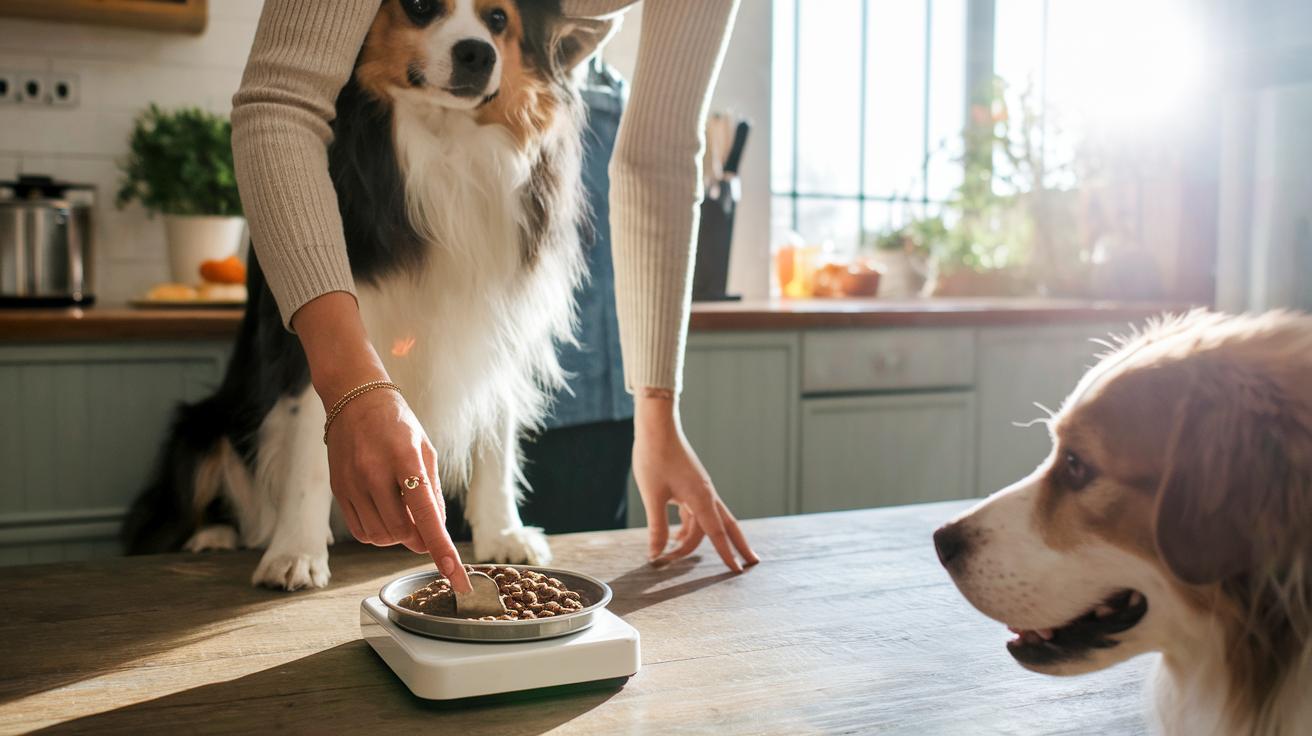
Keeping your pet at a healthy weight starts with serving the right portions. Giving the proper amount of food can help stop extra pounds and keep your pet full of energy. Using a simple body condition score (a way to tell if your pet is too thin or overweight) and weight-based feeding charts can help you adjust meals for your pet’s needs. A home scale that measures as little as 0.1 lb (about 45 grams) is especially useful for tracking changes in smaller pets.
Here are some tips to help guide you:
- Follow feeding charts recommended by your veterinarian.
- Use a scale to measure food by weight instead of by volume.
- Check your pet’s weight every week and adjust portions as needed.
- Serve several small meals throughout the day instead of one big meal.
- Tailor the portion size to match your pet’s age and activity level.
- Offer low-calorie snack ideas as treats.
Splitting your pet’s daily food into set meals can prevent overeating and keep their metabolism steady. Regular mealtimes help your pet feel satisfied and maintain steady energy levels. When meals are timed with their natural activity, it helps avoid sudden hunger spikes. This consistent routine leads to better weight control and a happier, more energetic pet.
Specialized Diet Formulations in Pet Nutrition Facts
Sometimes, regular pet meals just don't meet the special needs of a pet facing weight issues. Prescription and senior diets help by lowering calories while still offering all the important nutrients your pet needs. They are a smart choice for pets with medical issues or that are getting older. These diets use specific ingredients to help keep muscle strong, protect joints, and supply vital vitamins and minerals in a balanced way.
Prescription Weight-Loss Diets
These diets use fiber-rich kibble, moist wet food, and light, airy treats to help your pet feel full without adding many extra calories. The extra fiber slows down digestion, and the added moisture or air makes the meal seem larger. This design helps keep your pet satisfied during a calorie-restricted plan while still providing all the necessary nutrients.
Senior Weight Management Diets
Senior diets are made with adjustments that include extra protein to help maintain lean muscle and supplements like omega-3 fatty acids (healthy fats that support joint movement) for better mobility and brain function. These meals have a lighter calorie load that suits a slowing metabolism in older pets. They balance energy with nourishment so your pet stays active without putting on excess weight.
Working closely with your veterinarian can help you choose the best feeding plan for your pet, ensuring safe and effective weight management with a nutrition strategy that really fits their needs.
Comparing Homemade and Commercial Pet Nutrition Facts
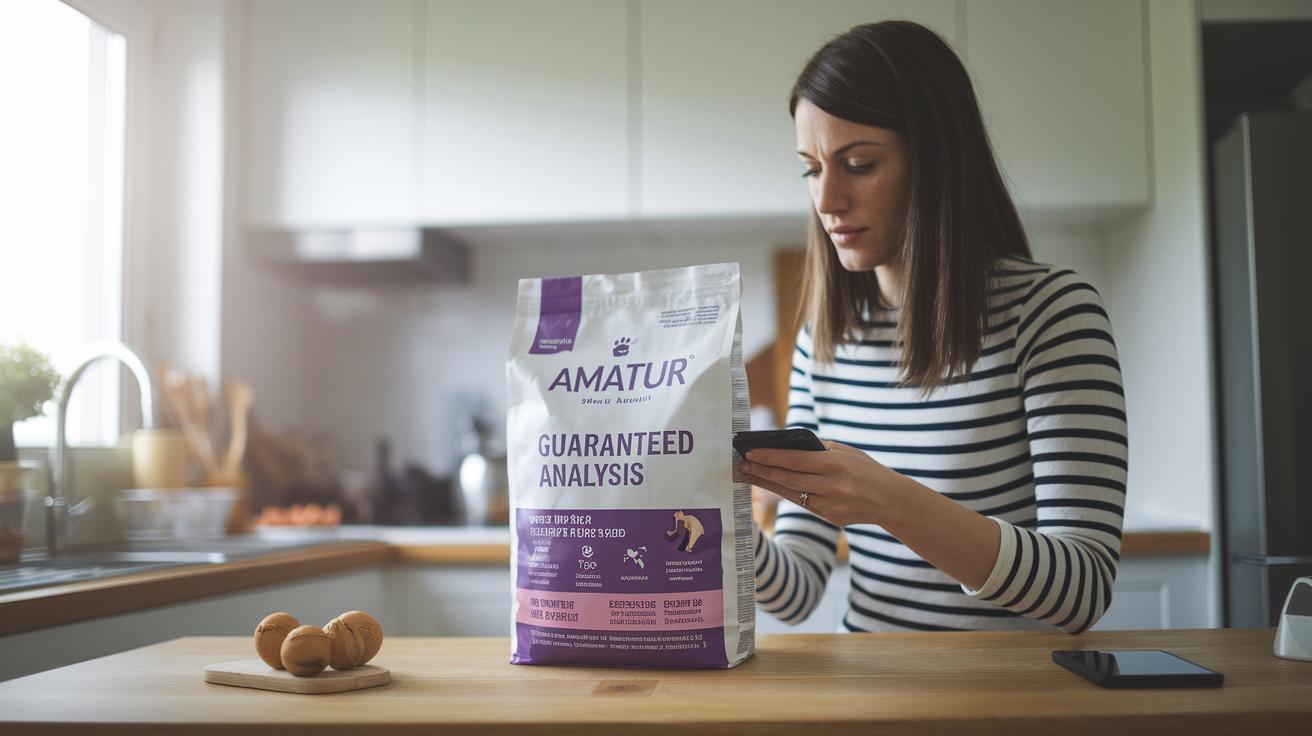
Commercial pet foods are made to give your pet a balanced meal every time. They follow AAFCO guidelines (standards set by the Association of American Feed Control Officials), which means they provide the right amounts of protein, fats, carbohydrates, vitamins, minerals, and water. This steady mix helps prevent nutrient gaps and excesses, so many pet owners feel safe giving these foods with every meal.
Assessing Commercial Labels
When you check a commercial pet food label, start by looking at the guaranteed analysis (a list of nutrient percentages). Convert these numbers to a dry matter basis (the measurement after removing moisture) to better understand the food's nutritional strength. Also, note the order of ingredients; this can tell you if the food is made with high-quality components that meet your pet’s dietary needs.
Challenges with Homemade Meals
Homemade pet meals can be fun to prepare, but they may not offer a complete range of nutrients if not done right. Balancing vitamins and minerals, and adding the correct supplements, can be tricky. In these cases, it might help to talk with a veterinary nutritionist to make sure your pet’s meal is truly balanced. Often, extra ingredients are needed to ensure that a homemade meal reaches the same fortified standards as commercial foods.
When switching between homemade and commercial diets, be sure to transition slowly. Start by mixing a little of the new food with your pet’s regular meal, and keep an eye on how they do. This gradual change helps keep your pet comfortable with their new eating routine.
Exercise Versus Intake in Pet Nutrition Facts for Weight Management
Matching your pet’s food with the amount of exercise they get is a simple way to help manage their weight. When you feed your pet based on how active they are, you can avoid extra calories that turn into unwanted fat.
If your pet has a busy day full of play, you might give a little more food or add a healthy treat. But if your pet isn’t very active, cutting back on food can prevent overfeeding. This helps make sure your pet has enough energy to play without getting extra weight.
Dogs, for example, do well with about 30 minutes of brisk exercise (a fast walk or a playful run) every day. Cats love short play sessions that mimic their natural hunting instincts, like stalking or pouncing. Adjusting food portions and treat times based on their daily activity gives your pet the right balance of energy and fun.
Monitoring Pet Nutrition Facts to Avoid Weight Management Misconceptions
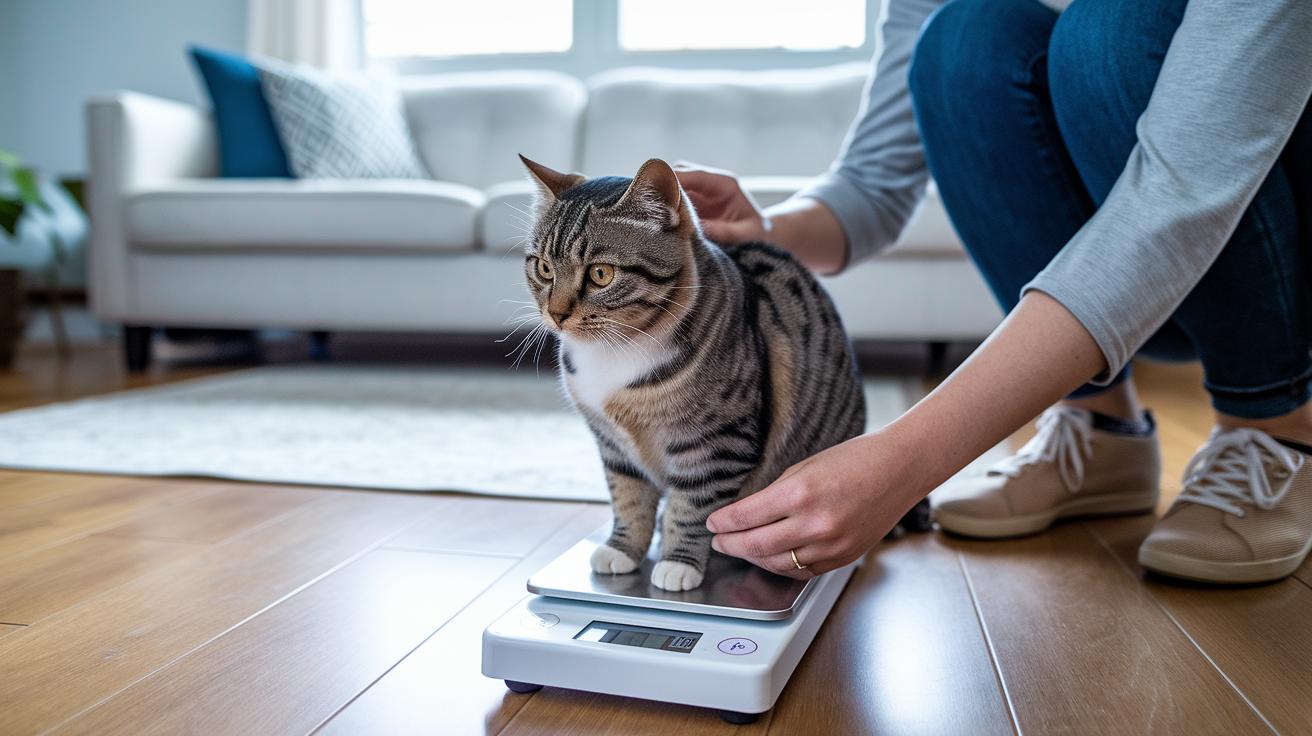
Keeping tabs on your pet's diet and weight is super important for their overall health. Regular check-ups help you spot any small trends before they turn into big issues. When you have clear data, it's much easier to adjust food and playtime to fit your pet's needs.
Using the right tools makes a big difference. Try a weekly weigh-in with a scale that measures as precisely as 0.1 lb (about 45 grams). Also, give your pet a quick body condition score on a 1 to 9 scale. This simple method shows whether your pet is too thin, just right, or a bit over. Together, these tools build a helpful picture of your pet's progress.
Watch out for fad diets or cookie-cutter calorie plans. Crash diets and ignoring special needs for different life stages can harm your pet’s health. Stick with steady monitoring using proven methods to keep your pet safe and happy.
Final Words
In the action, this article showed how proper diet, exercise, and portion control all combine to help manage your pet’s weight. It broke down calorie needs, described key nutrients like protein, fat, and fiber, and compared feeding options to give practical advice. The guide also shared tips for monitoring progress and avoiding common misconceptions about weight loss. Using Pet Nutrition Facts for Weight Management, you can make confident choices that promote a happy, healthy life for your pet.
FAQ
What do pet nutrition facts for weight management cover?
The pet nutrition facts for weight management cover balanced diets, calorie guidelines, essential nutrients, and portion strategies to help your pet lose weight healthily while keeping them active and strong.
How does pet nutrition in dog food support weight management?
The pet nutrition facts in dog food focus on proper calorie distribution, nutrient balance, and correct portion sizes so your dog can steadily lose weight and maintain good health.
What are the key updates in pet nutrition facts for weight management in recent years?
The pet nutrition facts for weight management now include refined calorie targets, updated nutrient guidelines, and improved portion control tips that reflect current research on healthy weight loss.
How do dog and pet calorie calculators help with weight loss?
The dog and pet calorie calculators help by estimating daily energy needs using breed, age, weight, and activity levels so you can adjust feeding amounts to support healthy weight loss.
Where can I find a pet nutrition facts for weight management PDF?
The pet nutrition facts PDF provides a handy guide with balanced diet tips, calorie analysis, and feeding recommendations. Check with your veterinarian or trusted pet nutrition websites for an official version.