

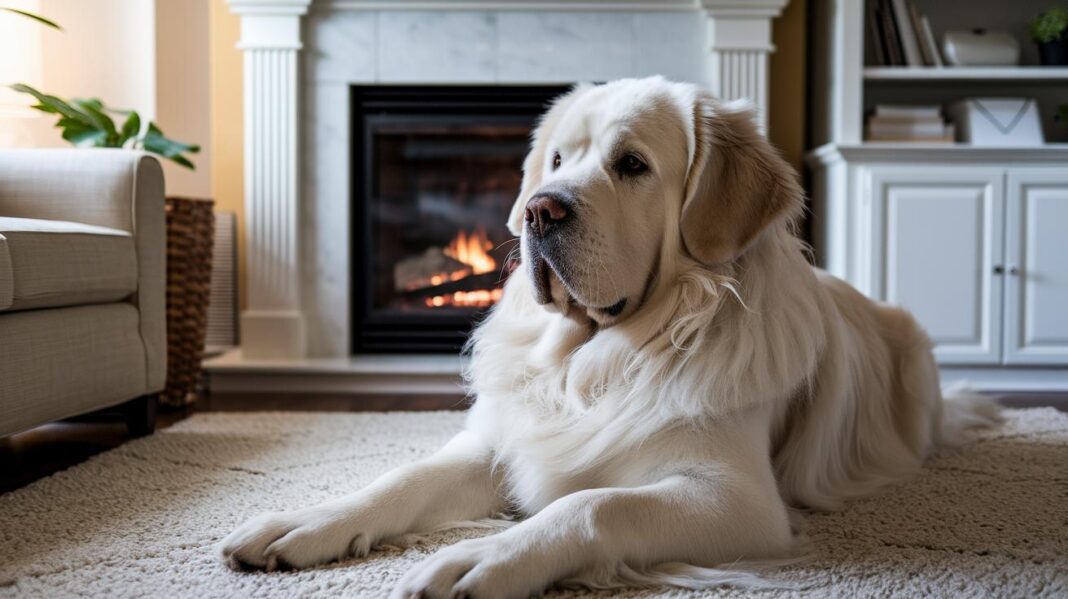

Have you ever wondered how a life-saving working dog became the gentle friend you welcome at home? Newfoundland dogs began their journey on Canada’s chilly shores, where they worked with fishermen in icy waters. Their strong bodies and natural swimming skills (meaning they easily move through water) helped save lives during tough times. With hearts full of kindness, they quickly became favorite family companions. Today, these dogs mix their brave past with a gentle nature, offering steady loyalty and much comfort. This post explores their amazing history and the special traits that make them so beloved by pet owners.
Understanding the Newfoundland Dog Breed
The Newfoundland dog gets its name from Newfoundland in Canada. These dogs were bred to handle very cold weather. They are strong and built to work hard, yet they are perfect as family pets. Picture a dog with a thick coat that helps it swim in icy waters.
Long ago, Newfoundlands helped fishermen on boats. They hauled heavy nets, dragged carts, and watched over vessels during long days at sea. Their broad heads, deep chests, and sturdy shoulders helped them do the work. Their webbed feet (feet with extra skin to help in the water) and double-layered coat made them excellent swimmers, even in rough, cold water.
Today, the Newfoundland is known for its kind nature. Many people call them nanny dogs because they are so gentle with children. They are calm, patient, and loyal. Their quiet behavior and few barks make them great family companions. With their natural swimming skills and helpful attitude, these gentle giants are as ready to rescue in water emergencies as they are to offer love at home.
History and Origin of the Newfoundland Breed
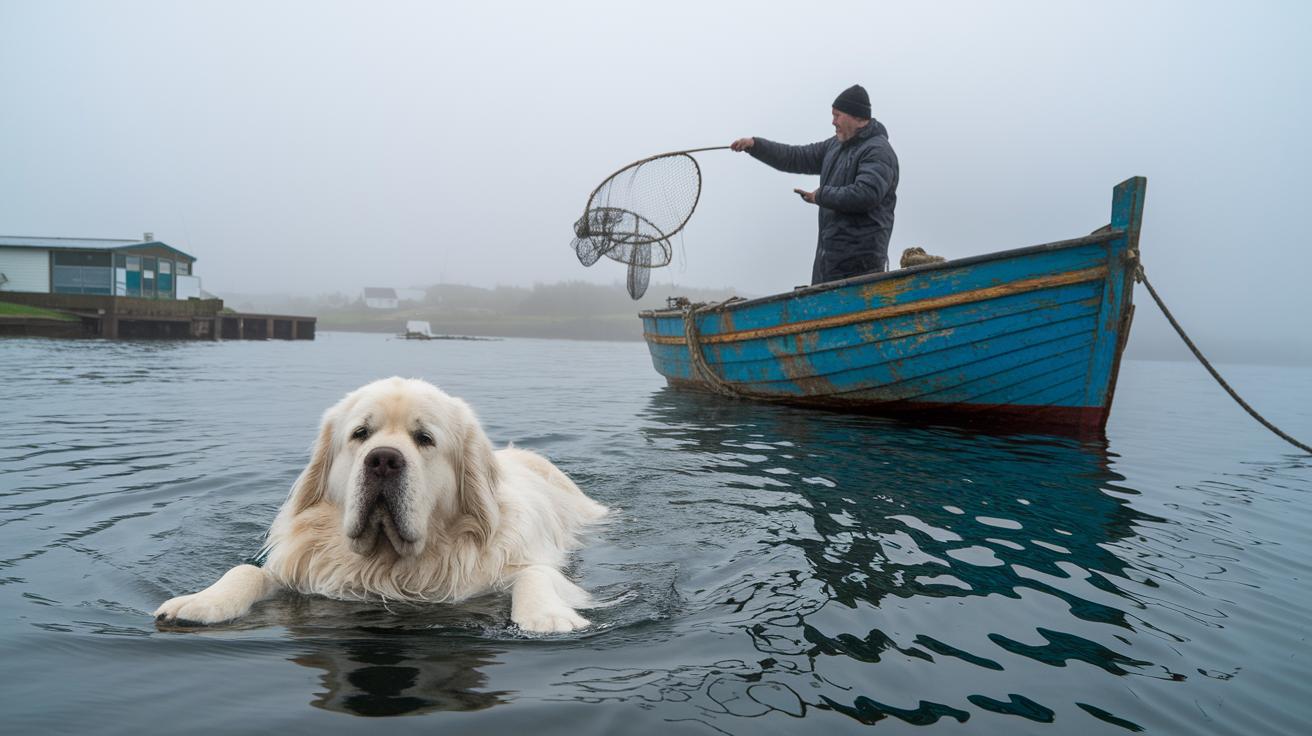
Newfoundland dogs first came about on the island of Newfoundland in the 1700s. Fishermen bred these dogs to help work in cold, rough waters. They hauled heavy nets, pulled fishing lines, and even saved lives during icy rescues. Their strength and natural swimming ability earned them a reputation as lifesavers, and they have been cherished as both working heroes and loyal companions ever since.
18th-19th Century Development
In the 1700s and 1800s, Newfoundland dogs were trusted partners on fishing boats. They lent a paw with heavy loads and helped keep the crew safe during stormy weather. Old records from Europe tell stories of these dogs bravely battling frigid waters to protect lives.
20th Century to Present
Over time, selective breeding transformed these sturdy work dogs into top-notch water-rescue experts and gentle family pets. In 1886, the American Kennel Club officially recognized the breed, highlighting their shift from hard-working maritime helpers to beloved companions. Today, Newfoundland dogs are admired for blending strength with a gentle, kind nature, making them reliable in emergencies and wonderful friends at home.
Newfoundland Dog Breed: Beloved Gentle Giant
Newfoundland dogs have a big build with a wide head, deep chest, strong shoulders, and heavy bones. Their thick double coat keeps them warm and comes in colors like black, brown, gray, or the classic Landseer (white and black). These features not only give them an eye-catching look but also help them swim and rescue in water.
| Feature | Description |
|---|---|
| Head & Body | Wide head, deep chest, strong shoulders, and heavy bones |
| Coat & Fur | Thick, double-layered coat in black, brown, gray, or Landseer colors |
| Paws & Webbing | Partly webbed paws that boost their swimming skills |
| Size & Weight | Males weigh 130–150 lbs (59–68 kg), females 100–120 lbs (45–54 kg), and they stand 26–28 inches (66–71 cm) tall at the shoulder |
Newfoundland puppies grow quickly. Many weigh between 50 and 70 lbs (23 to 32 kg) by four months old and can gain up to 100 lbs (45 kg) during their first year. They reach full size by about two years old. Because of their big frame, they need a diet that supports healthy growth. Even with their size, these gentle giants are calm and move gracefully in the water. Their mix of strength and buoyancy makes them great at water rescues while still being loving family pets.
Temperament and Behavior of the Newfoundland Dog

Newfoundland dogs are loved for their calm and patient ways. These gentle giants act like a warm, comforting friend after a long day. Their steady, affectionate behavior makes every day a bit brighter.
They are very protective of their families. Newfoundlands often stand between their loved ones and strangers to keep everyone safe. They alert you quietly with very little barking, so you get a warning without too much noise.
Known as nanny dogs, they are especially kind with children. Their gentle nature and loving approach help them form close bonds with kids. Many pet owners say these dogs feel like an extra family member who always watches over the little ones.
Newfoundlands also do well in homes with other animals. They are patient and accepting when meeting new pets or people. Their friendly spirit helps everyone, whether human or pet, feel at ease and welcome.
Growth, Development Stages, and Lifespan Details of Newfoundlands
Newfoundland puppies grow fast. They typically weigh 50 to 70 lbs (23 to 32 kg) by four months and can reach up to 100 lbs (45 kg) in their first year. Their bones and joints keep developing until they are about two or three years old. Regular vet checkups help keep an eye on this progress. Vets say a balanced diet and light activities like daily walks or gentle swimming are ideal. A short, calm walk strengthens a pup's legs without stressing growing joints.
Newfoundlands usually live 8 to 10 years. Because rapid early growth can put extra pressure on joints and the heart, early screening is key. Routine health checks and proper care guide your pet safely from a fast-growing puppy phase to full physical maturity.
Health Concerns and Nutritional Guidelines for Newfoundland Dogs
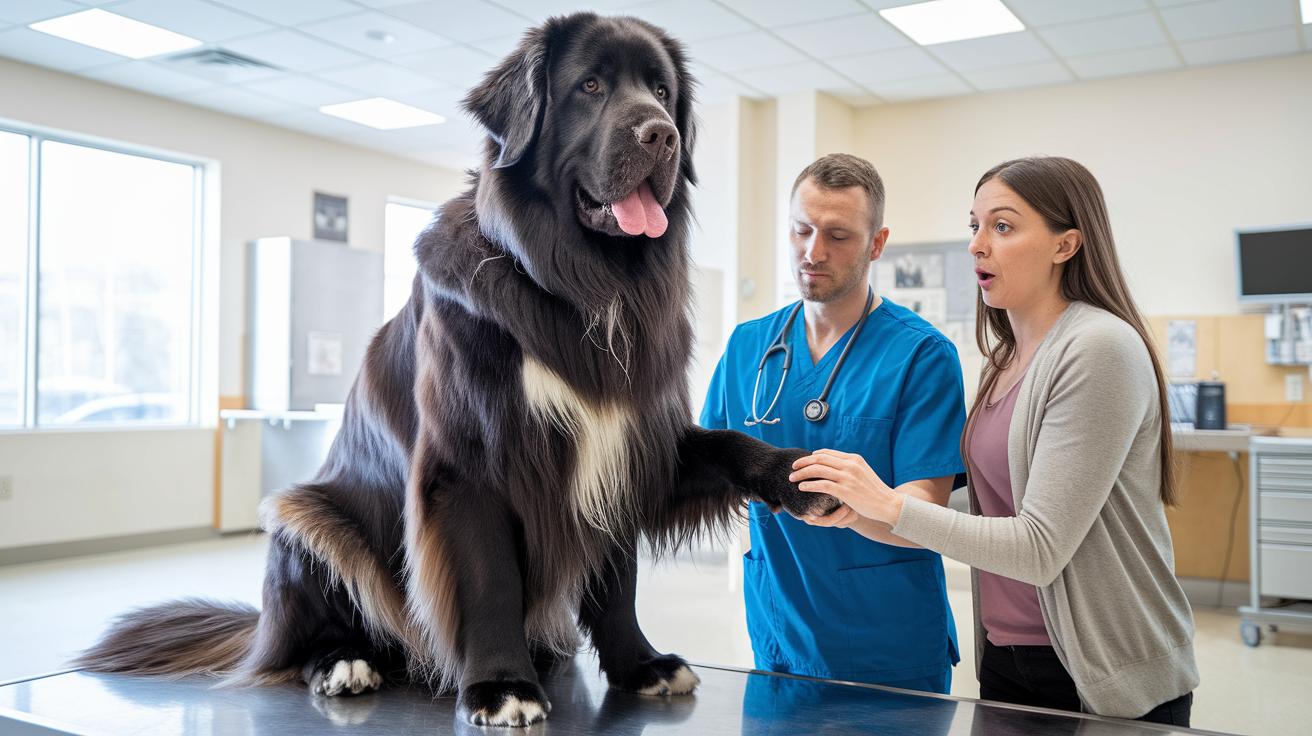
Newfoundland dogs are big and lovable, but their size can make them prone to a few health issues. They can develop problems like hip and elbow dysplasia (where joints do not form properly), heart issues like subvalvular aortic stenosis (a narrowing that affects blood flow), and cystinuria (a genetic kidney problem). Growing quickly as puppies can put extra stress on their bones and joints. Regular vet checkups help spot these issues early so they don’t get worse.
Vets suggest full health screenings for Newfoundlands. These tests check the hips, elbows, heart, and kidneys. Regular visits mean you can catch joint or heart problems early. Keeping exercise gentle and steady, such as daily walks or controlled swimming, builds muscle without hurting their joints. Managing your dog’s weight and moderating their activity are key to keeping these gentle giants happy and healthy.
Feeding your Newfoundland the right way is very important too. Experts recommend a high-quality diet made for large breeds. This food should have the right mix of proteins and fats to support energy and growth. Avoid meals with artificial additives to help prevent weight gain and other issues. A good diet supports healthy joints and a strong heart. Checking with your vet every now and then can ensure your dog’s diet stays spot on as they grow and their needs change.
Grooming Essentials and Coat Care Routine for Newfoundlands
Newfoundlands have a thick, double-layered coat that keeps them warm in cool weather. Their fur sheds all year, with extra heavy shedding a couple of times annually. Because of this, regular grooming is important to keep the coat clean and the skin healthy. A good routine not only prevents mats and tangles but also lets you check for any skin issues or little pests. Using the right tools, like a long-toothed comb (for gentle detangling) and a slicker brush (to remove loose hair), makes grooming easier for both you and your dog.
- Brush with a long-toothed comb 2-3 times each week to gently untangle the fur.
- Use a slicker brush 2-3 times each week to take off loose, dead hair.
- Bathe your dog about once a month or whenever the coat needs a refresh.
- Trim the nails every 4-6 weeks to help prevent them from growing too long.
- Clean the ears once a week to remove any build-up.
Sticking to these simple tasks makes taking care of your Newfoundland’s coat much easier. Regular brushing helps cut down on shedding while keeping the fur looking great. Occasional baths along with routine nail and ear cleaning keep your pet healthy overall. With steady care, grooming becomes a positive, comforting ritual for both you and your furry friend.
Training, Socialization, and Exercise Needs of the Newfoundland Dog

Training your Newfoundland dog should be a gentle, organized process. Begin with short, fun sessions that use treats and praise. Teaching basic commands early helps your dog learn good manners without feeling stressed.
Puppies do best when they meet new people, different animals, and explore new places. Introducing these experiences between 12 and 16 weeks can help build their confidence and ease future anxiety. Because Newfoundlands grow quickly, heavy activities may hurt their joints. Instead, focus on gentle exercises that build strength and keep them calm.
Here are some simple tips:
- Enroll in puppy classes to learn basic obedience in a fun group setting.
- Use treats and rewards during short, enjoyable training sessions.
- Set up supervised swimming sessions to let them enjoy the water safely.
- Go on a gentle walk every day.
- Play controlled games of fetch that mix exercise with training.
- Regularly introduce your Newfoundland to new places and friendly guests to boost their confidence.
A daily routine that includes walks, playtime, and training not only makes your dog healthier but also deepens your bond.
Choosing, Buying, and Adopting a Newfoundland Dog
Start by looking for breeders who are well-known and test their dogs for good health. They check hips, elbows, heart, and cystinuria (a condition that can affect a dog’s health) before breeding. Ask for proof of these tests and make sure the puppies are raised in a friendly home. This way, you help prevent future problems and bring home a strong, happy companion.
Rescues and shelters are great places to find a Newfoundland too. Many breed-specific rescue groups and local shelters have adult Newfoundlands ready for a new home. The process usually involves filling out an application, getting a home visit, and paying a small fee. By choosing rescue, you give a loving dog a second chance while usually spending a bit less on initial vet care and supplies.
When picking your Newfoundland, watch how the dog behaves and how much energy it has. Think about your own time and budget for things like vet visits, regular grooming, and a proper diet for a large dog. Whether you decide on a puppy or an adult, ask about its family history and past behavior at home. Look for a friendly, loyal pet that will fit right into your family. A careful decision now will lead to many happy years with your gentle giant.
Living with a Newfoundland Dog: Environment, Climate, and Lifestyle Compatibility
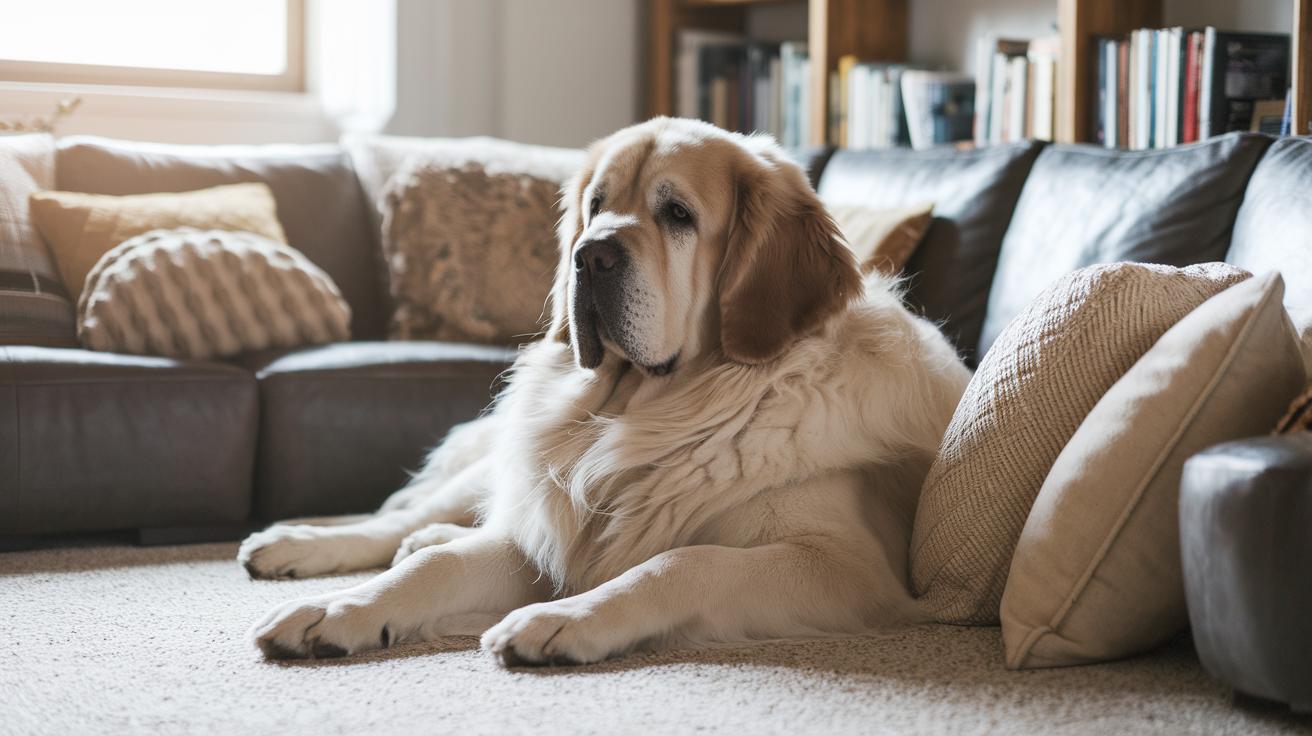
Newfoundland dogs need lots of cozy indoor space to stretch out and relax. They are relaxed and enjoy quiet, open areas at home. A large living room or a dedicated corner gives them a safe spot while still keeping them close to family. Adjusting your daily routine to match their calm pace makes life easier for both of you.
City living can be a challenge for a large dog like a Newfoundland. In an apartment, try to set up your space with plenty of room and easy access to the outdoors. Daily walks and trips to a park are important. In suburban homes, a fenced yard gives them a safe area to play. Regular outdoor breaks can keep your dog happy and healthy.
Newfoundlands prefer cooler weather and do best in chillier environments. On hot summer days, extra care is needed. Make sure your dog has a shady spot, fresh water available at all times, and a cool indoor area with a fan or air conditioning. Limit long periods in the heat to avoid overheating.
Outdoor time is a favorite for Newfoundlands. They enjoy easy hikes on nature trails and swimming in calm, safe water with supervision. Whether it’s a gentle swim in a pool or a relaxed day by a lake, these outings help them stay active and enjoy their natural love for water.
Final Words
In the action-packed post, we explored the origins and roles of the newfoundland dog breed. We touched on its sturdy build, gentle nature, and top-notch swimming skills. We outlined key care points from grooming to training and even tips on choosing a reputable breeder or rescue. Every section offers clear, practical guidance for keeping your pet safe and sound. Enjoy applying these insights and embracing the rewarding life with your gentle giant.