

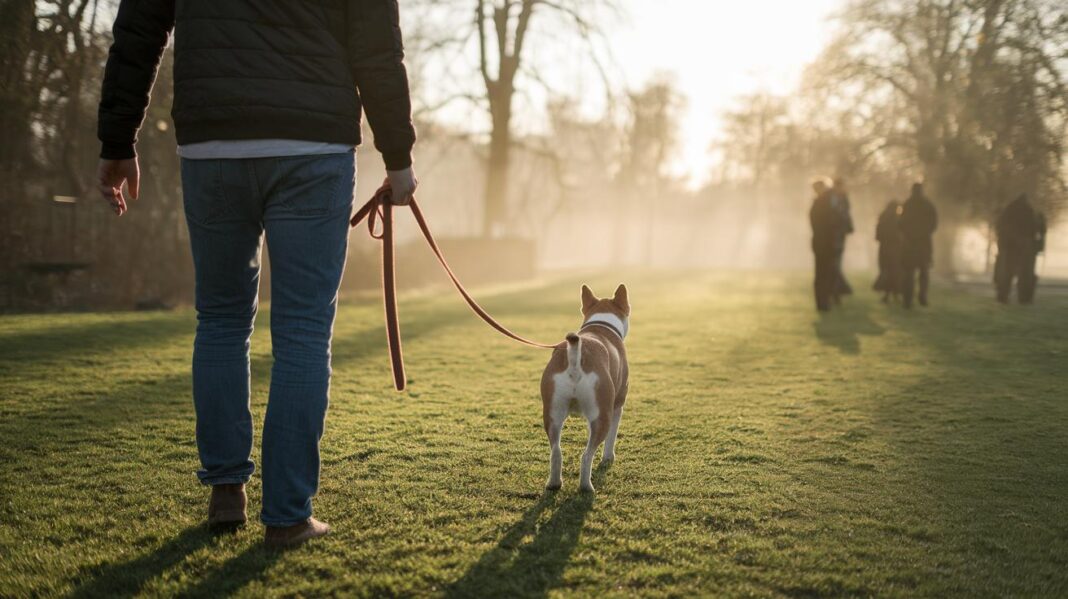

Have you ever felt the panic when your dog disappears? Every minute is crucial, and acting fast could make all the difference. This guide offers simple steps that have helped many pet parents reunite with their furry friends.
Call local hotlines, ask neighbors for help, and use tools like microchips (tiny devices implanted in your pet for identification). Each quick action brings you closer to a happy reunion with your pet.
Immediate Lost Dog Rescue Steps
When your dog goes missing, every minute matters. Quick, clear actions can turn chaos into a fast reunion. This guide is based on 17 years of experience helping over 37,000 pets and 24,000 families in distress.
- Call your local missing pet hotline and share all the details.
- Reach out to emergency animal recovery contacts.
- Ask local shelters to organize community search teams.
- Post alerts on neighborhood pet finder networks.
- Distribute flyers and hang up posters.
- If your dog has a microchip (a tiny ID chip under the skin), use its tracking feature.
- Contact volunteer dog retrieval services.
Working together is key. Bring neighbors, friends, and local pet groups together to form a united search team. Organize door-to-door canvassing and set up meeting spots where you can share updates. Regular check-ins can help guide your search. By teaming up, using community contacts, and smart technology, you're giving your pet the best chance to come home safe. Stay focused, take each step calmly, and remember that every action counts.
Engaging Community Canine Search Teams
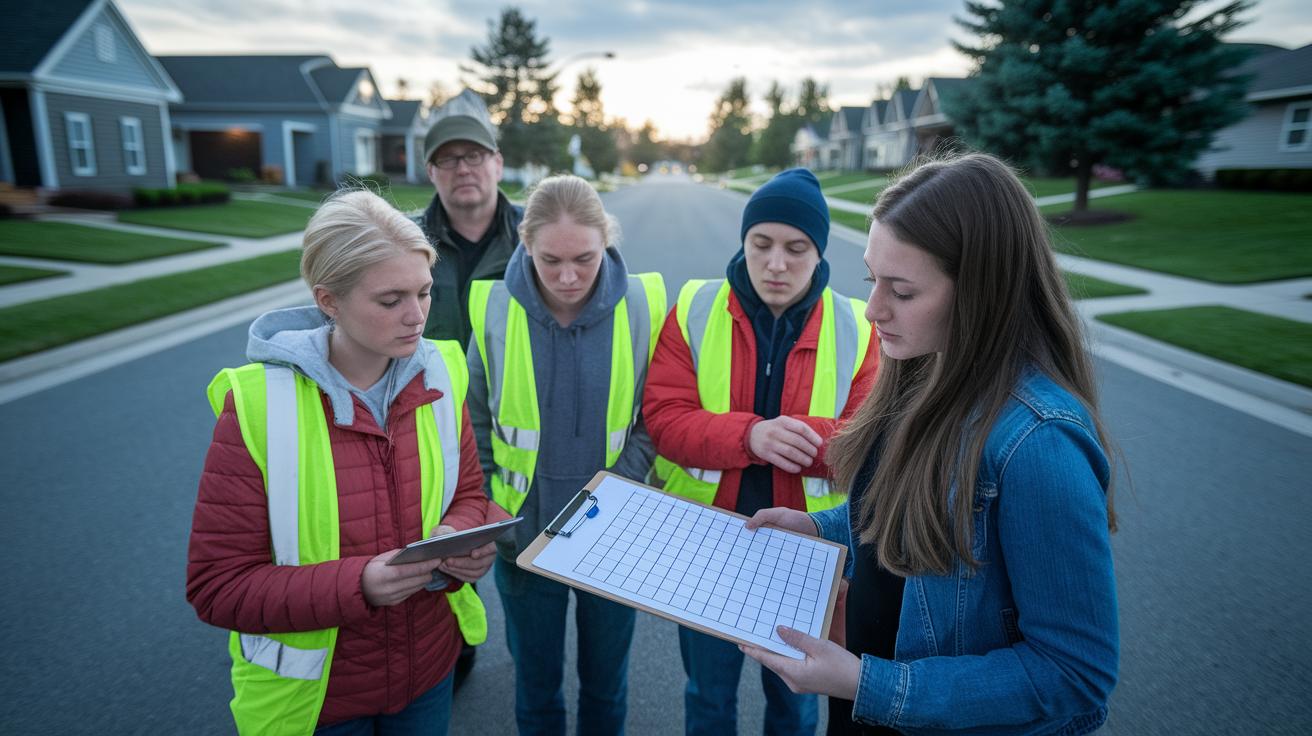
Local pet groups and neighborhood networks have come together to form search teams with clear roles that do more than just offer advice. In one Ohio town, neighbors teamed up with rescue groups and youth volunteers to cover key streets. One search coordinator said even teenagers helped map the area using a simple checklist that started with "Step 1: Cover the park perimeter." This shows that a well-organized search can include pet lovers of every age.
Neighborhood groups now often design grid layouts for door-to-door searches. Some teams use color-coded lists on community boards to assign sectors so every block gets checked without overlap. For example, one group split their area into red, blue, and green zones. A volunteer in the blue zone explained, "We stuck to our checklist, checked every street, and updated our progress as we went."
Linking up with local canine assistance programs adds another important layer of support. In one city, animal care organizations joined forces with local animal control volunteers and used social media pet alerts. One leader recalled, "We posted short video clips and clear photo details on Instagram stories every 15 minutes, which helped our neighbors find the lost dog quicker." This blend of online updates and active community effort makes a rescue more likely.
Utilizing GPS Pet Locating and Microchip Tracking for Lost Dogs
When your dog goes missing, you need a fast way to bring them home. Modern tools, like microchip scanning and GPS tracking, work together to help you recover your pet quickly.
A microchip is a tiny chip placed just under your dog’s skin that stores important info about you. When your pet is taken to a shelter, a quick scan reveals the owner’s details. This simple test speeds up the reunion process and cuts down on confusion during stressful times.
GPS pet locators are another valuable tool. These devices clip onto your dog’s collar and send live updates to your phone or computer. You can see your pet’s exact location on a digital map, even noticing small movements. By using both the microchip and GPS tracking, you build a strong safety net that improves the chances of a quick, safe reunion.
Navigating Local Canine Assistance and Animal Shelter Partnerships for Lost Dog Rescue

Local help for lost dogs comes from many sources like animal control, volunteer rescue teams, and community pet search groups. You can find them through government offices, community bulletin boards, or pet directories.
When you call a shelter, they usually work with recovery teams to scan for microchips (small devices that help identify lost pets). They will ask you about your dog's look and behavior and may even point you to extra support services like pet-friendly rental help or assistance with domestic issues. For example, a shelter might say, "We scanned your pet's microchip and will help you find local resources."
Volunteer pet search teams use search grids and set up checkpoints to share recent sightings and useful tips. This method makes sure everyone is on the same page without repeating advice found in other places.
Some shelters also use special tracking apps that provide live updates on where a pet was last seen. This high-tech approach works well alongside traditional search methods.
Missing Dog Case Studies and Reunited Pets Success Stories
Remember Loki, also known as Gnocchi? A caring neighbor spotted him near a busy park after a long search, and he was safely found. Zara's journey took a full day of door-to-door searches by local volunteers, each step leading to a happy reunion.
Biscuits and Dashi were found using organized search grids that connected community pet finder networks. In another uplifting story, Reggie was reunited with his family after a routine microchip scan at a local shelter. These success stories give hope to pet owners everywhere.
| Date | Event |
|---|---|
| January 17, 2026 | Gnocchi was reunited through a local volunteer search team |
| January 24, 2026 | Zara was found through organized neighborhood canvassing |
| January 18, 2026 | Biscuits was located with the help of community pet networks |
| January 25, 2026 | Reggie returned home after a microchip scan at the shelter |
Local shelters and community groups work together to quickly scan for microchips. By blending technology with hands-on searching, these teams turn recovery missions into joyful reunions that bring pets home and strengthen trust in coordinated rescue efforts.
Posting Effective Missing Pet Alerts on Social Media for Lost Dog Rescue
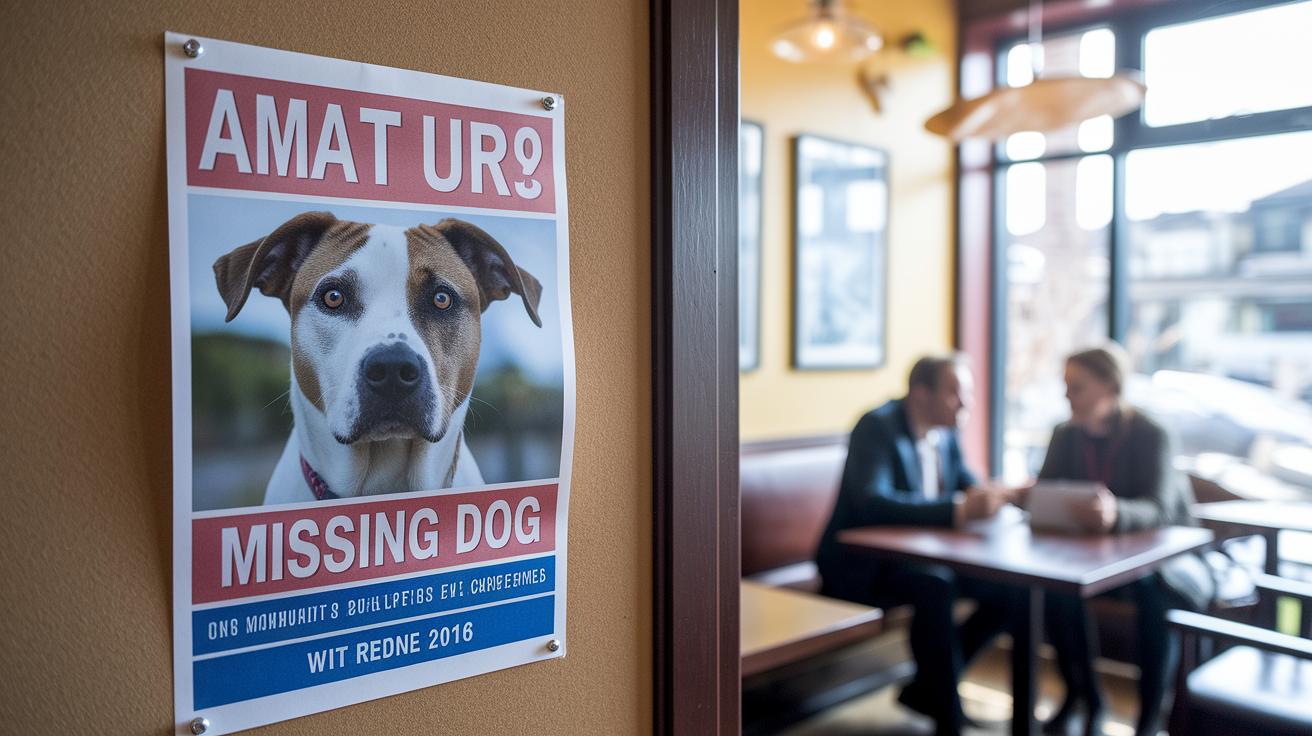
When you're posting a missing pet alert, start by choosing platforms that reach your local community. Facebook groups, Nextdoor, and regional pet forums connect you directly to neighbors who can help spread the word fast.
Here are five simple tips to make your post stand out:
- Share a clear photo that shows your dog's unique features.
- Give the exact location where your pet was last seen so people know where to look.
- Include a phone number or email for quick contact.
- Mention any reward offered to encourage fast responses.
- Add relevant hashtags to boost the post’s visibility on social feeds.
This detailed information helps local supporters act quickly and guides anyone with tips or sightings in the right direction.
Also, use search notification networks and neighborhood pet finder websites to reach even more local eyes. These extra channels work like additional pairs of eyes on the street, sharing your alert quickly with community members who might have seen your lost dog.
Volunteer Pet Recovery and Neighborhood Pet Finder Coordination for Lost Dog Rescue
Joining a local pet recovery team is easy and makes a big difference when a dog goes missing. The sign-up is simple, with clear steps for both adults and children, so everyone knows their role and the key rescue procedures.
When the team works together, volunteers split up the search area, check in with each other at set times, and update sighting logs on their phones. These tried-and-true methods help everyone stay on track during the rescue.
Neighborhood pet finder helpers follow extra safety steps that boost the overall search effort. For example, each volunteer should:
- Carry a detailed map of the area
- Keep a fully charged phone handy
- Wear team-identifying clothing
- Agree on safe meeting spots and use pre-arranged signal codes
Following these clear guidelines helps all volunteers work safely and effectively as a team.
Final Words
In the action, this post guided you through urgent steps to help in a lost dog rescue. We highlighted immediate actions, from calling missing pet hotlines and activating local search teams to using high-tech tools like GPS and microchip tracking. We also shared heartening success stories and community volunteer tips to unite search efforts.
By putting these actions into play, you can remain calm, focused, and effective. The strategies shared empower you to keep your pet safe, helping everyone feel more confident in lost dog rescue situations.
FAQ
How can I find lost dog rescue services in my area, including places like California, Texas, Houston, Virginia, Arlington, and small dog rescues in Virginia?
The lost dog rescue services in these areas can be found by checking local directories and community pet centers. Look online for rescue groups and event calendars near your location.
What options exist for lost dog rescue events and rescue cafes?
Lost dog rescue events and rescue cafes offer meet-ups and hands-on support. They help pet parents learn quick search steps and connect with recovery experts during emergencies.
What does the 3 3 3 rule of rescue mean for lost dogs?
The 3 3 3 rule of rescue means reaching out to three key contacts, forming three search teams, and using three recovery methods. It is a guideline to boost the speed of reuniting pets with their families.
What should I do if I’ve found a lost dog?
If you find a lost dog, start by checking for a collar or ID tag. Then call local shelters and community rescue groups, and share the info on nearby pet alert networks immediately.
Where do lost dogs usually go?
When dogs get lost, they often find hiding spots in yards, quiet streets, or neighborhood parks. They may also take shelter around familiar smells until someone finds them.
Is it better to adopt a dog from a shelter or a rescue?
Adopting from either a shelter or a rescue can bring a loving pet home. Rescues may offer extra health support while shelters might have more immediate availability—choose based on what suits your situation.
Where can I find lucky dog adoption events and adoptable dogs in Springfield VA, Northern Virginia, and Fairfax?
You can find these events by checking local pet adoption websites, community bulletin boards, and social media pages of local shelters and rescue organizations in your area.