

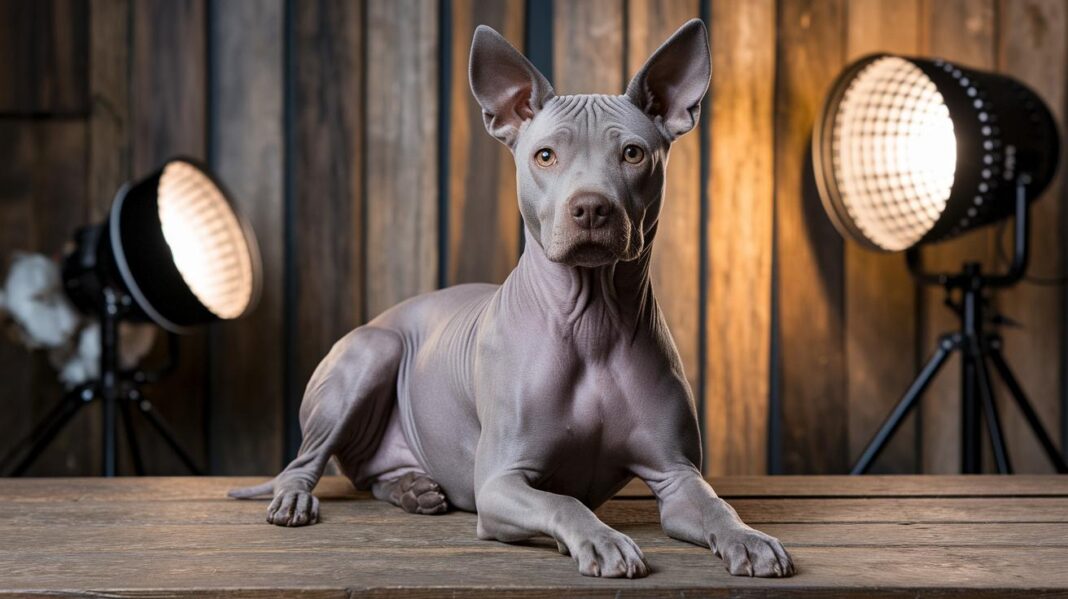

Have you ever met a dog that seems to come from another time? The Xolo comes from an ancient line and is tied to old legends and traditions. In both its hairless and short-furred forms, this breed looks striking and mixes a lively spirit with a gentle touch. It is more than just a pet, it helps keep the history and stories of our ancestors alive for pet lovers today.
Overview of the Xolo Dog Breed Profile
Xoloitzcuintli, or Xolo for short, is one of the oldest and rarest dog breeds. This unique breed comes in two varieties: hairless and short-furred. Many pet lovers adore Xolos for their striking looks and fascinating history.
The breed’s name comes from Nahuatl, an ancient language of Central America. It is made up of two parts: "Xolotl," which refers to the Aztec god of life and death, and "itzcuintli," meaning dog. Long ago, the Aztecs and Mayans held these dogs in high regard for their spiritual role, believing that they helped guide souls into the afterlife.
Because the Xolo developed naturally with little human meddling, it still keeps many of its original traits. This means that Xolos are tough, adaptable, and closely connected to their roots. For pet owners, a Xolo is more than just a gentle companion, it is also a living link to an ancient culture that continues to inspire and fascinate.
Historical Roots and Cultural Heritage of the Xolo
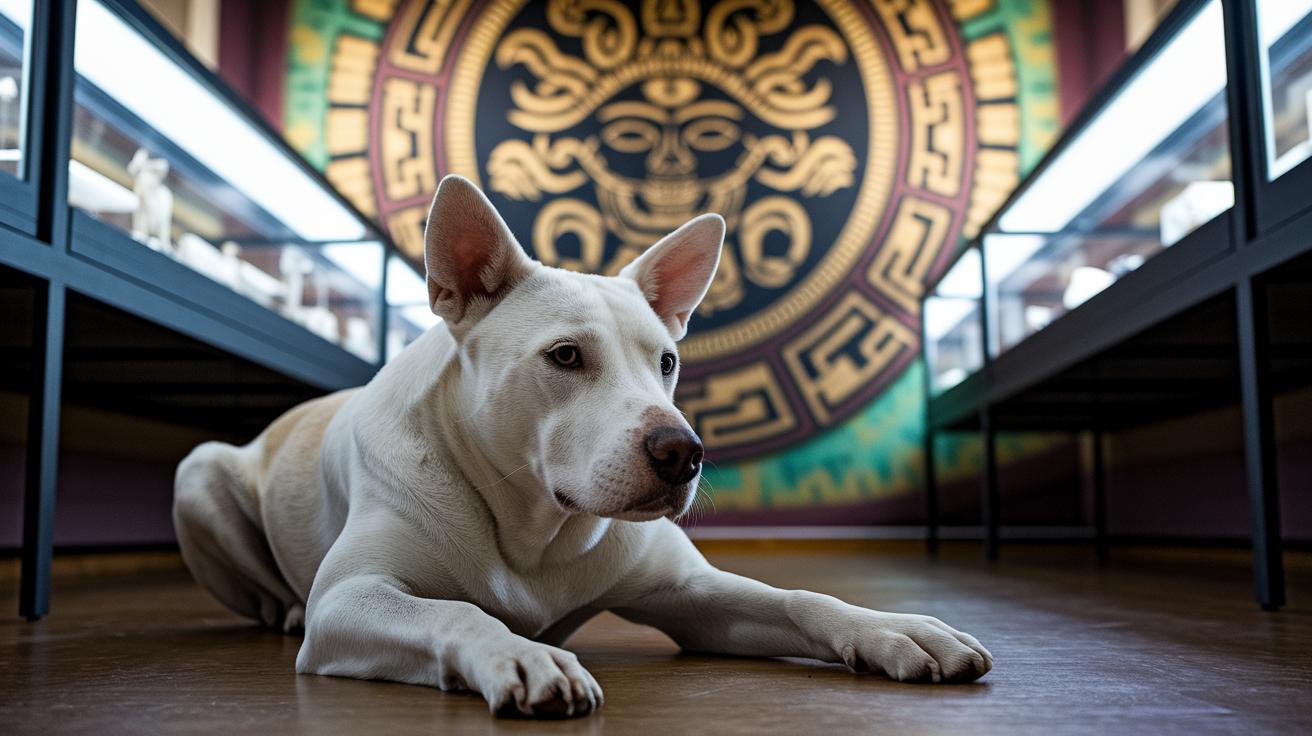
The Xolo has been a loved companion since ancient times. Native cultures, including the Aztecs and Mayans, saw this dog as a true symbol of strength and mystery. In their stories and rituals, the Xolo was much more than a pet.
Old records tell us that these dogs helped in funeral ceremonies. They were believed to guide the spirits of loved ones safely to the afterlife. In every ceremony, the calm nature of the dog provided comfort and helped lost souls find their way.
Museums like the Smithsonian’s National Museum of the American Indian show artifacts of the Xolo. These exhibits keep the legacy of this special breed alive for everyone to see.
Generations have passed down legendary tales about the Xolo. Many people believe that its role in guiding spirits is a gift from ancient gods. This belief makes the Xolo a sacred link between people and the spirit world. Its history still inspires native communities and honors a rich cultural heritage.
xolo dog breed: Bold Heritage & Gentle Spirit
The Xolo is famous for its unique skin and look. This breed comes in two types. One is hairless with smooth skin that can show cool colors like slate, bronze, or black. Because it has no fur, the hairless Xolo needs extra care with moisturizer and sun protection to stop dryness and sunburn. The other type has a short, light coat that is easier to care for. Both types have a kind nature and a strong presence, a mix that comes from an ancient history.
Xolos come in three sizes: Toy, Miniature, and Standard. Toy Xolos are perfect for a small home because they are compact. Miniature and Standard Xolos are bigger and need more room for exercise and play. When choosing a Xolo, think about your daily routine, exercise needs, and living space. This way, you can pick the best match to help your pet stay happy and healthy.
| Size Category | Height Range | Weight Range | Coat Type |
|---|---|---|---|
| Toy | 6-8 inches | 10-20 lbs | Hairless/Coated |
| Miniature | 8-10 inches | 20-40 lbs | Hairless/Coated |
| Standard | 10-12 inches | 40-60 lbs | Hairless/Coated |
xolo dog breed: Bold Heritage & Gentle Spirit

Xolos are gentle, loving companions that enjoy basking in the warm sunlight. They love lounging on a soft rug or curling up by a sunny window, soaking in the heat. Their calm presence helps lower stress for families and makes a home feel extra inviting.
Although these dogs look relaxed, they have bursts of energy from their hunting ancestry. They can be quick and agile, sometimes chasing small animals if given the chance. They need plenty of exercise and safe outdoor play to burn off that energy. A securely fenced yard or a safe, off-leash area is best to keep them protected while they play.
Xolos learn fast with kind, reward-based training. They adapt well to family routines and are always alert. They protect without being overprotective, fitting in nicely with kids and other pets. Their smarts shine during playtime and training, making them loyal friends who balance gentle affection with a watchful nature.
Grooming Essentials and Skin Care for Xolo Dog Breed
Xolo dogs with no hair have delicate skin that needs special care. Cleaning their skin every week helps wash away dirt and lowers the chance of irritation. Right after washing, gently rub on a pet-safe moisturizer to stop the skin from drying out. These dogs should also get a thin layer of sunblock on any exposed skin each day because they have little natural defense against the sun.
Coated Xolos need simple brushing to get rid of loose hair and keep their coat smooth. Every Xolo, whether hairless or coated, also needs regular ear cleaning and tooth checks. This is extra important because some Xolos might have missing teeth. Watching their skin and mouth closely can help you catch issues early.
Regular visits to the vet are a smart move too. Preventive check-ups help spot problems like parasites before they become serious. Here are six key grooming tasks to keep your Xolo healthy:
- Skin cleansing
- Moisturizing
- Sunblock application
- Coat brushing (if your Xolo has hair)
- Ear cleaning
- Dental inspection
Taking care of these grooming steps will help reduce skin flare-ups and keep your Xolo comfortable, even on hot days.
Training Techniques for the Xolo Dog Breed

Start training your Xolo as soon as possible. Puppies learn quickly, and early socialization makes a big difference. Introduce your puppy to different people, sounds, and places so it feels safe in various settings. Think of it like teaching a child to say hello politely, small, gentle steps go a long way.
Positive reinforcement works best for teaching basic commands. When your Xolo follows a command like sit or come, reward it with a treat or kind words. For example, if your puppy sits on command, say “Good job!” and offer a treat. This praise helps your pet remember the behavior and want to do it again.
Once your dog masters the basics, try combining commands into longer sessions. Gradually add new tricks and behavior techniques while keeping sessions fun and interactive. Be patient and consistent, and always use rewards to encourage learning.
Exercise Requirements and Mental Stimulation for Xolo Dog Breed
Xolos need a daily routine that works out both their body and their mind. Try to set aside 30 to 60 minutes each day for a walk or playful time. This steady routine helps your Xolo stay fit and enjoy new adventures, whether it’s a quick walk around the block or a fun play session at the park.
Indoor fun is just as important. Use puzzle toys and simple interactive games to keep your pet’s mind bright. For example, hide a few small treats in the living room and let your Xolo sniff them out. Changing up the toys and having brief training sessions during quiet times also stops boredom in its tracks.
When you plan outdoor play, safety comes first. A secure, fenced yard is the perfect spot for your Xolo to run around freely. Whether it’s playing fetch or trying out simple agility games, a safe space lets your pet explore while staying protected.
Health, Longevity, and Common Issues in Xolo Dog Breed
Xolos are strong dogs that typically live between 12 and 14 years. They are mainly healthy, but there are a few breed-specific things you need to watch out for. Their skin is dry and sensitive, so regular moisturizing and sun protection are very important. Also, Xolos are born with fewer teeth than usual, which can lead to dental issues if you don't keep up with regular dental care. With the right attention, you can help your Xolo stay comfortable throughout its long life.
Regular vet visits are key to catching any problems early. These check-ups help spot signs like skin irritation or sunburn. Your vet might also recommend genetic tests to see if your dog is prone to conditions like autoimmune issues or dental disease. Keeping an eye on any changes in behavior, appetite, or dental health lets you act quickly to fix any problems.
- dry skin
- sunburn
- dental disease
- congenital tooth loss
- autoimmune skin disorders
Living Environment Needs for the Xolo Dog Breed
Even if you live in a small city apartment, a Xolo can thrive with regular walks and playtime. A daily stroll or a trip to your local park is all it takes to keep your pet active and joyful. If you live in the country, a safe, fenced yard offers plenty of room for your Xolo to explore.
Xolos love warm, cozy spots and adjust well to different weather. They need a comfy indoor area to escape extreme conditions. Whether you have a heated apartment or a rural home, be sure to provide a cool, shaded space and a routine that mixes indoor comfort with outdoor play.
These dogs have a calm nature that makes them great for family life. They easily settle in homes with kids or other pets. Setting up a regular routine and a quiet resting spot, like a bed or a corner, can help your Xolo feel safe and relaxed.
Adoption, Cost, and Finding Your Xolo Dog Breed Companion

Xoloitzcuintli dogs, also known as Xolos, carry a unique history and often come with a higher price tag. When choosing a Xolo, be ready to invest not only in the purchase but also in its ongoing care. It’s important to find a trusted source so you bring home a healthy pet. Good breeders share detailed health records and are respected in the community. Also, check out rescue groups dedicated to the breed. These organizations often offer dogs who need a loving home and charge fees that help cover vet costs and shelter expenses.
Finding the right Xolo means doing your homework and planning well. Early care for a young Xolo should focus on keeping its skin healthy and helping it learn good social skills. Whether you adopt from a rescue or buy from a reputable breeder, following a clear process will help your new pet thrive. Here are some key tips to get started:
- Confirm the breeder’s credentials
- Ask to see health records
- Look into rescue groups
- Gather essential puppy care supplies
Final Words
in the action, this post tackled the xolo dog breed by breaking down its ancient background, physical traits, and care needs. We walked through its grooming essentials, training techniques, exercise routines, and health concerns.
Each section offered clear and practical tips to guide your pet care choices. Enjoy the rewarding experience of nurturing your pet with a knowledgeable approach that keeps your xolo dog breed safe, happy, and healthy.
FAQ
What is the price range for a Xoloitzcuintli?
The Xoloitzcuintli usually costs between $1,500 and $3,000, with prices varying by size, pedigree, and breeder reputation. Always request health records and meet the seller in person.
Where can I find a Xoloitzcuintli for sale?
Xolo puppies are best found through reputable breeders or certified rescue groups. Research online, ask for referrals, and visit dog shows that feature rare breeds for trusted sale leads.
What is the temperament of a Xoloitzcuintli?
The Xoloitzcuintli has a calm yet alert temperament. They bond closely with families, enjoy sunbathing, and can be protective, making early socialization important to manage their prey drive.
What is a Xoloitzcuintli?
The Xoloitzcuintli is an ancient and rare breed known as a Mexican hairless dog. They come in both hairless and coated varieties and carry deep historical ties to Aztec culture.
How is Xoloitzcuintli pronounced?
Xoloitzcuintli is pronounced “show-low-eats-queent-lee.” Its name comes from the Aztec god Xolotl and “itzcuintli,” which means dog in Nahuatl.
What should I know about Xolo dog breed puppies?
Xolo puppies need gentle socialization and early training. Hairless puppies require extra skin care, using moisturizers and sunblock, to keep their delicate skin healthy.
What does the term hairless dog breed refer to, and what defines a Mexican hairless dog?
Hairless dog breeds, like the Xoloitzcuintli, feature smooth, minimal-fur skin that needs extra moisturizing and sun protection. Often called Mexican hairless dogs, they carry a rich cultural heritage.
Are Xoloitzcuintlis good pets?
Xoloitzcuintlis make great pets due to their loyal and affectionate nature. They enjoy relaxed indoor life and moderate play, though they require diligent skin care and patient training.
Do Xoloitzcuintlis still exist today?
Xoloitzcuintlis still exist, though they are rare. Dedicated breeders and rescue organizations are committed to preserving this ancient breed through careful breeding practices.
How many Xoloitzcuintlis are left?
The exact number of Xoloitzcuintlis remaining is unknown. They are a rare breed, with clubs and enthusiasts working hard to maintain and increase their population through responsible breeding.
What is a Peruvian Inca Orchid?
The Peruvian Inca Orchid is a hairless dog breed from Peru, known for its sleek appearance and ancient heritage. Like the Xoloitzcuintli, it has a unique look and a devoted following.
What is a Chihuahua?
Chihuahuas are small dogs known for their spirited personality and loyalty. They adapt well to apartment living and form strong bonds with their owners, making them great companions.
What is a Chinese Crested Dog?
The Chinese Crested Dog is a small, mostly hairless breed with a distinctive look. They are friendly and playful but need regular skin care for exposed areas to keep their skin healthy.
What is an American hairless terrier?
The American hairless terrier is a rare, hairless breed recognized for its sturdy build and friendly nature. Their lack of fur means they need extra protection against cold weather and sun exposure.
What is a Basenji?
Basenjis are small, alert dogs known for their unique, almost barkless vocalization. They have an independent personality, are energetic, and suit active families who enjoy regular walks and playtime.