

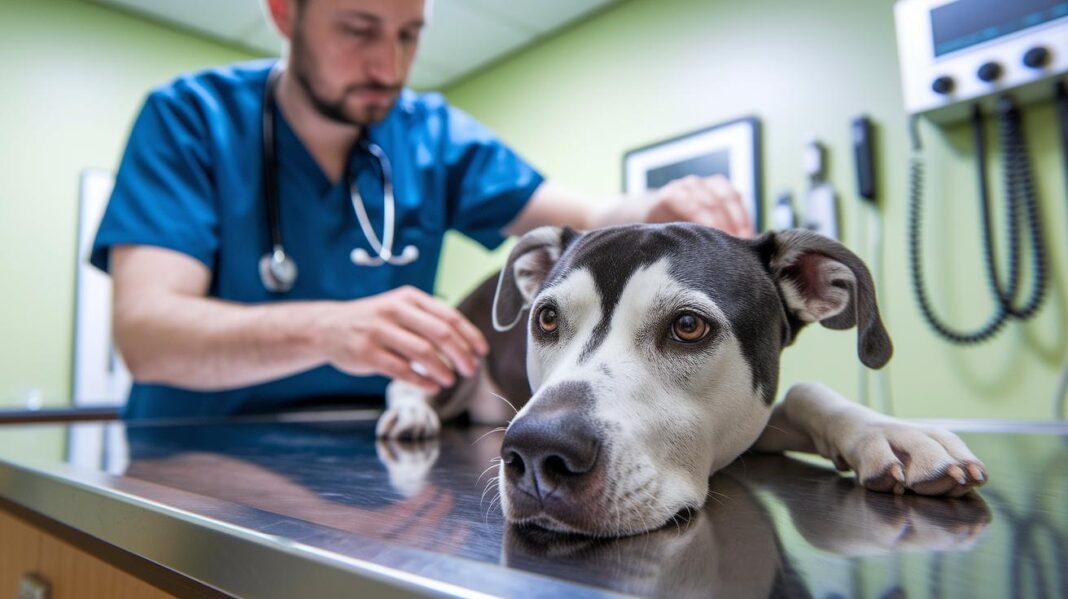

Have you noticed your dog drinking more water or needing extra bathroom breaks? Even small changes like these could be early signals of kidney disease (a condition where the kidneys have trouble cleaning out toxins). Over time, your dog's once playful routine might start to slow down as their body struggles to filter waste. In this post, we'll share three simple clues to help you spot kidney problems early. Recognizing these signs quickly can give you the chance to help your furry friend feel better and stay happy.
Recognizing Early Signs of Kidney Disease in Dogs
Dogs may start to change their habits long before a diagnosis of kidney disease. When a dog’s kidneys lose the ability to filter out toxins, you might notice small shifts in daily routines. For example, your pet may drink more water and ask for the bathroom more often.
Other signs include a loss of appetite and less interest in play. As toxins build up in the bloodstream, your dog might slowly lose weight and muscle. A once energetic pup may seem sluggish and less interested in family time or play with other pets.
- Drinking more water than usual
- Frequent trips outside or accidents indoors
- Eating less or skipping meals
- Slow, steady weight loss and reduced muscle tone
- Less energy and playfulness
If you notice one or more of these signs, it may be a good idea to schedule a check-up with your veterinarian. Catching these changes early can help you take steps to support your dog’s health and quality of life.
Diagnosing Kidney Disease in Dogs: Veterinary Tests and Procedures

When your vet suspects kidney issues, they start with simple screening tests. These tests include a series of lab checks to see how well your dog’s kidneys filter waste. This careful process guides the treatment plan.
Blood tests play a key role. The lab checks levels of chemicals like BUN (blood urea nitrogen) and creatinine (a waste product) to see if the kidneys are working properly. If creatinine levels start to rise, it signals trouble early on, making it easier to spot kidney issues before they worsen.
Urinalysis is also very important. This test looks at your dog’s urine for signs such as protein leakage (proteinuria) and changes in urine concentration. It may also show tiny clumps of cells (cellular casts) that suggest the kidneys are not filtering toxins efficiently.
Imaging tests, like ultrasound and X-rays, give a closer look at the kidney’s structure. These tools can reveal changes, stones, or lumps that might block normal kidney function. Your vet may also check blood pressure because high pressure can stress the kidneys even more.
Common Causes and Risk Factors for Kidney Disease in Dogs
Acute kidney injuries happen when dogs are exposed to harmful substances. If a dog eats things like antifreeze, grapes, or certain medications, its kidneys can get stressed very quickly. Not getting enough water also makes the kidneys work too hard. Even a little bit of a toxin can cause big problems, so it is important to act fast.
Chronic kidney issues build up slowly over time. Older dogs or those with a family history of kidney problems may start showing signs gradually. Long-term issues like high blood pressure (when blood pushes too hard against the blood vessels) can hurt the kidneys over time. You might notice your once energetic dog moving more slowly or losing interest in play.
Everyday household chemicals and immune system problems can also damage the kidneys slowly. Common cleaning products or other substances in your home and yard might add up over time. In addition, the immune system can sometimes cause inflammation (swelling and irritation) in the kidneys, as seen in conditions like glomerulonephritis. Although these issues may seem small at first, they can eventually make it hard for the kidneys to do their job properly.
Managing Early Kidney Disease in Dogs: Treatment and Support

If your dog shows early signs of kidney trouble, quick treatment and a little extra love can slow the disease and help them feel better. Your vet might suggest a mix of medicines and simple home care that works together to keep your furry friend active.
Fluid therapy is often used to treat dehydration and balance minerals in your dog's body. A special kidney diet, designed to lower phosphorus (a mineral that can stress the kidneys) and provide top-quality protein, can also make a big difference. Think of it as gentle, steady care that gives your dog's kidneys the support they need.
Sometimes, medications like ACE inhibitors (drugs that help reduce protein in urine and protect kidney tissue) are prescribed. This medicine eases the workload on the kidneys and helps keep your dog's daily routine more stable.
Supplements, such as omega-3 fatty acids, may help lower inflammation and maintain overall kidney health. It’s also important to watch your dog’s water intake. Offering small amounts of water throughout the day helps the kidneys filter toxins and keeps your dog hydrated.
Preventing Kidney Disease in Dogs: Monitoring and Best Practices
Keep foods and items that can hurt your dog's kidneys out of reach. Grapes, raisins, lilies, and medicines not given by your vet can all be dangerous to your pet. Make sure your dog always has fresh water nearby. Try setting up a clean water spot near where your dog eats and relaxes so it stays hydrated all day.
Regular visits to your veterinarian are very important. A yearly exam that includes blood tests and a urine check can catch early signs of kidney stress. Even when your dog appears healthy, these tests can spot little changes that might need care before things get worse.
A balanced diet and healthy weight can also help protect your dog's kidneys. Feed your pet a diet planned for kidney support if your vet recommends it and keep an eye on its weight. Watch for changes in activity or appetite, as these may be early signs that adjustments are needed in food or portion size.
When to Consult Your Veterinarian About Kidney Concerns in Dogs

When your dog’s kidneys start to have issues, changes in behavior can appear quickly. You might notice your pet stumbling or being less playful than usual. Even small signs like a wobbly walk or less interest in favorite games are clues that something isn’t right. It’s important to speak with your veterinarian as soon as these early signs show up.
Keep an eye out for more serious symptoms too. If your dog vomits over and over, stops eating or drinking for more than 24 hours, or suddenly collapses, you should act immediately. Other worrying signs include breath that smells like ammonia, pale gums, mouth sores, and a big drop in energy. If you see any of these, gather your pet’s medical records and contact your vet right away.
Getting help early can make a big difference in keeping your dog healthy. By spotting the signs and calling your vet quickly, you give your furry friend the best chance to manage kidney issues and stay as happy as possible.
Final Words
In the action right from recognizing early signs like increased thirst and frequent urination to understanding diagnostic tests, this article broke down critical details about signs of kidney disease in dogs. It explained how to spot changes in energy, appetite, and weight that may signal a problem.
Practical advice on managing and preventing kidney issues was paired with clear guidelines for when to call your veterinarian. These insights help pet owners feel confident in keeping their dogs healthy, safe, and happy.
FAQ
What do the last days of a dog with kidney failure look like?
The last days of a dog with kidney failure include worsening energy levels, loss of appetite, and increased weakness. These changes are signs that the kidneys are failing, so contact your vet immediately.
What is the life expectancy of a dog with kidney disease?
The life expectancy of a dog with kidney disease depends on the disease stage, treatment, and overall health. Early detection and vet guidance can help extend both quality and length of life.
What are the early signs of kidney disease in dogs and what should I watch for?
The early signs of kidney disease in dogs include increased thirst, more frequent urination, appetite loss, gradual weight loss, and lethargy. Noticing these signs early helps you seek prompt veterinary care.
What treatments are available in the early stages of kidney disease in dogs?
Early treatment often includes prescription renal diets that reduce phosphorus, fluid therapy to restore hydration, and medications like ACE inhibitors. Your vet will develop a plan to support your dog’s kidney function.
What does vomiting indicate in dogs with kidney disease?
Vomiting in dogs with kidney disease indicates toxin buildup due to impaired kidney function. This sign requires quick vet attention to adjust treatments and prevent further complications.
What toxins cause kidney failure in dogs?
Toxins such as antifreeze, grapes, and certain medications can damage a dog’s kidneys. These substances can lead to kidney failure by harming the kidney filters. Avoid exposing your pet to these toxins.
What symptoms are seen in dogs with stage 3 kidney disease?
Dogs in stage 3 kidney disease often display increased thirst, weight loss, vomiting, and lethargy. These signs show moderate kidney damage and call for a strict treatment plan under vet supervision.
How is kidney disease diagnosed in dogs?
Kidney disease is diagnosed in dogs by running blood tests for waste buildup, conducting a urinalysis to assess urine concentration, and using imaging like ultrasound to check kidney structure.
Can kidney disease in dogs be cured?
Kidney disease in dogs is generally managed rather than cured. Treatment focuses on slowing the progression of damage while improving quality of life through lifestyle changes and medications.
Does chronic kidney disease cause diarrhea in dogs?
Chronic kidney disease can lead to diarrhea in some dogs because toxin buildup affects the digestive system. If your dog develops diarrhea, reach out to your vet for evaluation and care adjustments.