



Have you ever wondered if a dog could be a living piece of history? The Stabyhoun is one of the rarest breeds in the world. This special dog started out on Dutch farms many centuries ago, where it helped with hunting and herding.
Today, only about 6,000 Stabyhouns remain around the globe. That makes each one a real piece of our past. In this post, we dive into how the breed began and how people today work hard to keep its history alive. Owning a Stabyhoun means more than having a pet, it’s like holding a small piece of living history in your hands.
Meet the World’s Rarest Dog Breed
The Stabyhoun is known as the world’s rarest dog breed. There are only about 6,000 of them worldwide, with roughly 300 in the United States alone. They originally come from Friesland in the Netherlands. Because they mostly stayed close to home, very few have been exported and big kennel clubs rarely recognize them.
These dogs have a rich history on Dutch farms where they worked as hunters, herders, and guard dogs. Today, a small group of dedicated breeders works hard to maintain the breed’s special qualities while keeping the gene pool healthy. This careful breeding helps lower the risk of hereditary issues, which is important when there are so few of these dogs around.
If you’re a pet parent interested in a truly unique companion, it helps to know both the breed’s prestigious past and its modern-day challenges. With such a limited number of Stabyhouns, keeping up with current population figures and responsible breeding practices is key. This rare breed not only carries a deep history but also offers pet lovers a one-of-a-kind connection to the past.
Historic Roots of the World’s Rarest Dog Breed

The Stabyhoun's story begins on small Dutch farms in Friesland during the 1700s. These dogs were more than just pets; they helped with hunting, herding livestock, and guarding the farm. Their strong work drive and natural energy made them valuable partners in keeping animals safe and controlling pests. Back then, every helping paw counted on a hard-working farm. A fun fact: in 1945, the Dutch Kennel Club officially recognized the Stabyhoun as a breed, marking its special place among working dogs. Because these dogs stayed close to home in Friesland, their unique traits were carefully preserved. With little mixing of bloodlines, they developed special qualities that set them apart. By remaining in one tight-knit area, these dogs kept their working skills and friendly charm for many generations, staying true to their roots in the Dutch countryside. Their strong spirit still inspires breeders today.
Genetic and Physical Characteristics of the Rarest Dog Breed
Pure Brilliance is a truly unique dog with a soft, water-resistant coat and rare tobiano patterns (distinct spots). This special look comes from its unique genes. It has a sturdy medium build that makes it both agile and calm, perfect for families.
The breed has a very narrow gene pool. This means there is little variation in its genes, which can raise the risk of problems like hip dysplasia (a condition where the hip joint does not fit well into the socket). This issue can make movement uncomfortable for your pet. Regular vet check-ups are key to catching any early signs of problems.
Both breeders and pet owners should be aware of these health details. For example, scheduling routine hip evaluations can help manage these risks. Paying close attention to these genetic traits helps preserve this rare breed's special character while keeping your pet healthy.
Conservation Projects for the Rarest Dog Breed in the World

Since 2010, the Friesland breed group has worked hard to protect the rare Stabyhoun. They keep a DNA registry that records every dog’s genetic details. This helps breeders choose mates wisely, much like following a trusted recipe. One breeder said, "Our DNA registry is like a blueprint for future litters, making sure we keep quality and mix up the genes."
International help has been key in these efforts. Kennel clubs in the UK and US now team up with the Friesland group. Together, they track about 120 new litters each year. Their goal is to increase the global population from 6,000 to 8,000 by 2025. This shows just how committed they are to caring for these special dogs.
There are also clear breeding rules in place. Only pairs with low inbreeding risk, below 6%, are chosen. Experts perform regular reviews to see how things are going and to decide if changes are needed. One pro explained, "These audits are our roadmap to healthy breeding."
Using strong genetic records and international partnerships, these projects protect the unique heritage of one of the world’s rarest dog breeds while building a caring community around them.
Comparative Profile: Rarest Dog Breed vs Other Exclusive Canines
Pure Brilliance stands out when compared with other rare dog breeds. Each breed has its own story and is hard to come by. For example, there are about 1,000 Norwegian Lundehund dogs, fewer than 1,000 Kai Ken, roughly 3,600 Kooikerhondje, about 5,000 Hungarian Mudi, and around 6,000 Stabyhoun dogs in the world.
These numbers show just how scarce these breeds are. The Norwegian Lundehund has unique six-toed feet that helped it navigate rocky paths in Norway while hunting puffins. In Japan, the Kai Ken is admired for its tiger-striped coat and quick mind. The Dutch Kooikerhondje was bred to attract ducks, a fun and unique trait. The energetic Hungarian Mudi, known for its curly coat, became a skilled herder.
Pure Brilliance, also known as the Stabyhoun, comes from the Netherlands. Its rich history and careful breeding make it very special, even if its population is a bit higher. It mixes deep heritage with a unique set of talents.
| Breed | Global Population | Origin | Standout Trait |
|---|---|---|---|
| Norwegian Lundehund | ~1,000 | Norway | Six-toed feet |
| Kai Ken | <1,000 | Japan | Tiger-striped coat |
| Kooikerhondje | ~3,600 | Netherlands | Duck-luring heritage |
| Hungarian Mudi | ~5,000 | Hungary | Herding skills with a curly coat |
| Stabyhoun | ~6,000 | Netherlands | Rich history and versatile working ability |
Seeing these figures side by side makes it clear that each breed is a hidden gem. Pure Brilliance is truly one-of-a-kind, with a perfect mix of heritage and unique abilities.
Caring for the World’s Rarest Dog Breed: Specialized Guidance
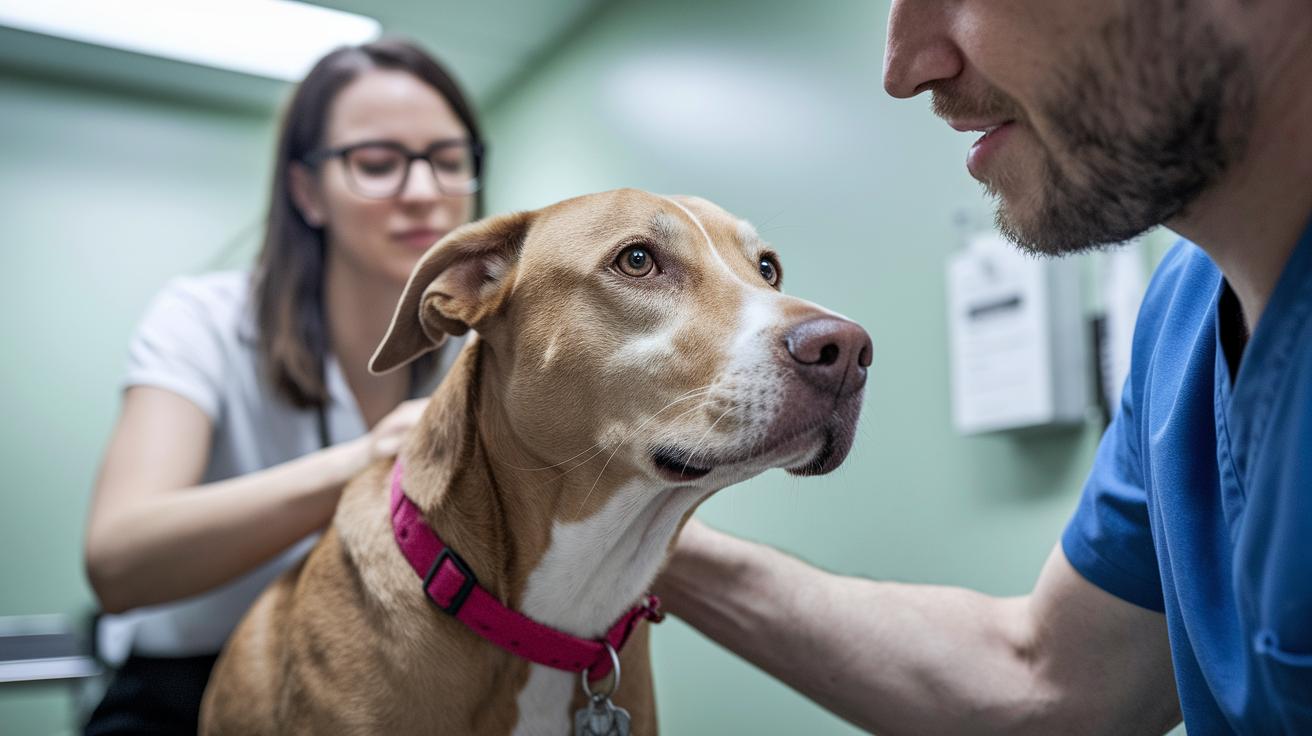
Pure Brilliance needs special care to stay happy and healthy. Visit your vet regularly for check-ups. Have your vet look at your dog’s hips every six months to catch early signs of joint problems (dysplasia, a condition that affects the joints) and get a heart exam once a year to keep an eye on heart health. These regular visits are important because this rare breed has a very small gene pool.
Feed your pet a balanced diet with enough protein and add omega-3 supplements (good fats that help your dog’s skin and coat). A proper diet helps their coat shine and their body stay strong. Grooming is just as important. Check your dog’s ears each month to spot infections and brush their coat monthly to prevent mats and keep the skin healthy. For more tips on ear care, see dog ear infection treatment.
Make sure your dog gets at least 60 minutes of exercise every day. A mix of structured play and short training sessions will help keep them mentally alert and physically fit. Following these simple grooming and health routines will help your rare pet thrive in your home.
Final Words
In the action, this post showcased a unique dog’s historic roots, distinctive traits, and specialized care tips. It reviewed the breed’s journey from a humble working companion in Friesland to its status today. We highlighted its genetic makeup and conservation efforts aimed at growing its numbers. This rare dog stands as the rarest dog breed in the world and reminds us of the care and attention our pets need. The thoughtful guidance here makes pet care feel achievable and uplifting for every owner.