

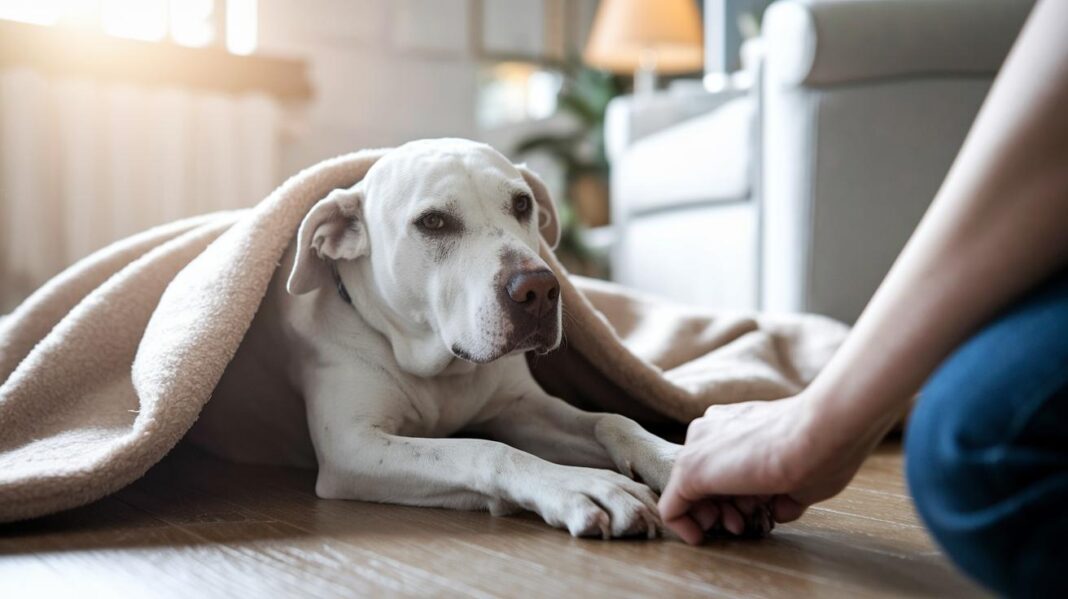

Did you know that taking good care of your dog after a spay surgery can really make a difference? When your pet comes home from surgery, even small gestures like setting up a quiet, cozy spot and offering water can help them feel safe and comfortable. In this guide, you'll find simple, step-by-step tips to ease any discomfort and support a smooth, steady recovery for your furry friend.
Essential First Steps in Post-Spay Care for Dogs
After surgery, your dog might feel very sleepy for one or two days. You could see signs such as less interest in food, a bit of nausea, drooling, or even vomiting. Your pet might also be restless, whine a little, or seem a bit confused. All these are normal signs of the anesthesia wearing off, but remember that each dog recovers in its own way. Keep an eye on any changes in behavior.
Make sure you set up a calm and safe space for your dog to rest. A small room or a crate with soft bedding is ideal because it reduces the chance of bumps or the incision getting dirty. This quiet spot also helps keep your pet stress-free during recovery. An Elizabethan collar (a cone-shaped collar designed to stop licking) is important to prevent your dog from biting or chewing at the incision, which can lead to infection or the wound opening up.
- Offer a small meal and fresh water once your dog is more awake.
- Fit and secure an Elizabethan collar to stop any licking.
- Keep your pet in a quiet, temperature-controlled area with soft bedding.
- Check essential signs like temperature, breathing, and gum color.
- Gently inspect the incision for any bleeding or unusual swelling.
Taking these steps right away can help prevent complications and support a smooth recovery for your dog.
Managing Pain and Medications in Post-Spay Care for Dogs
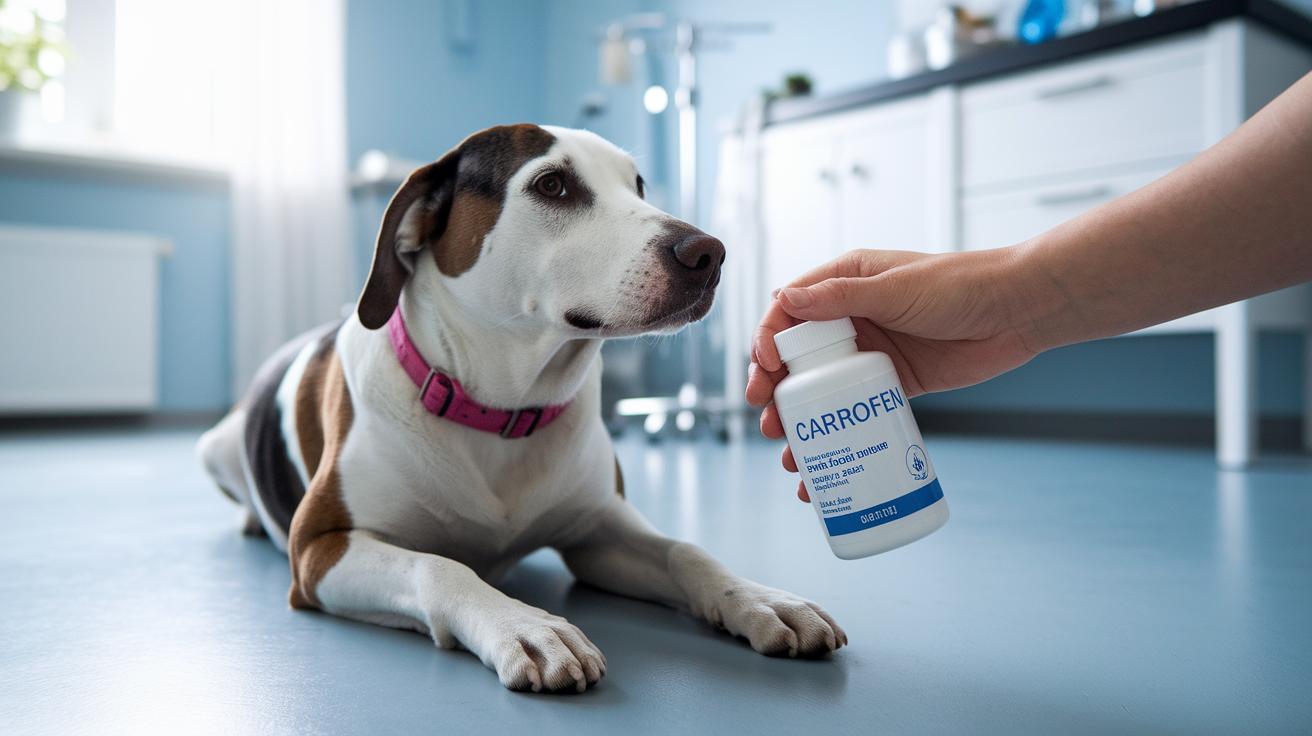
After your dog's surgery, stick to the medication plan your vet gave you. Your pet might go home with painkillers or anti-inflammatory meds like Carprofen (a non-steroidal medicine that helps ease pain). It’s very important to give these exactly as instructed, usually every 12–24 hours. Don't give human medicines like ibuprofen or acetaminophen because they can be very dangerous for your dog.
| Medication | Type | Notes |
|---|---|---|
| Carprofen (Rimadyl) | Non-steroidal anti-inflammatory | Give every 12–24 hrs per vet order |
| Ibuprofen/Acetaminophen | Human pain relievers | Not recommended; risk of toxicity |
Keep a simple log of every dose you give, and watch for side effects like changes in behavior or appetite. A clear record will help you update your vet and keep your dog comfortable during recovery.
Incision Care and Monitoring in Post-Spay Care for Dogs
After your dog's spay surgery, the cut usually heals in about 10 to 14 days if you follow your vet's advice. Checking the cut every day helps you spot any problems quickly. Do not clean the cut with hydrogen peroxide or alcohol unless your vet tells you to. A little redness and slight swelling (less than 0.5 inch or about 1.3 cm) are normal during healing.
What’s Normal at the Incision Site
It is normal to see a soft red color and some swelling around the cut. You might also notice a bit of bruising near the area. There should be no pus or foul smell coming from it. A bit of warmth is okay if the swelling stays small, under 0.5 inch (around 1.3 cm). These indicators mean your dog's body is healing as it should.
Warning Signs of Infection
Keep a close eye on the cut for any changes. If you notice pus or a strong, bad smell, call your vet. Also, if the redness or swelling grows larger than 0.5 inch (about 1.3 cm), that is a warning signal. If the area feels much hotter than usual, or if your dog gets a fever, seems very tired, or looks uncomfortable, contact your vet right away. Always compare with what is normal during recovery.
Activity Restrictions and Gradual Exercise Post-Spay for Dogs
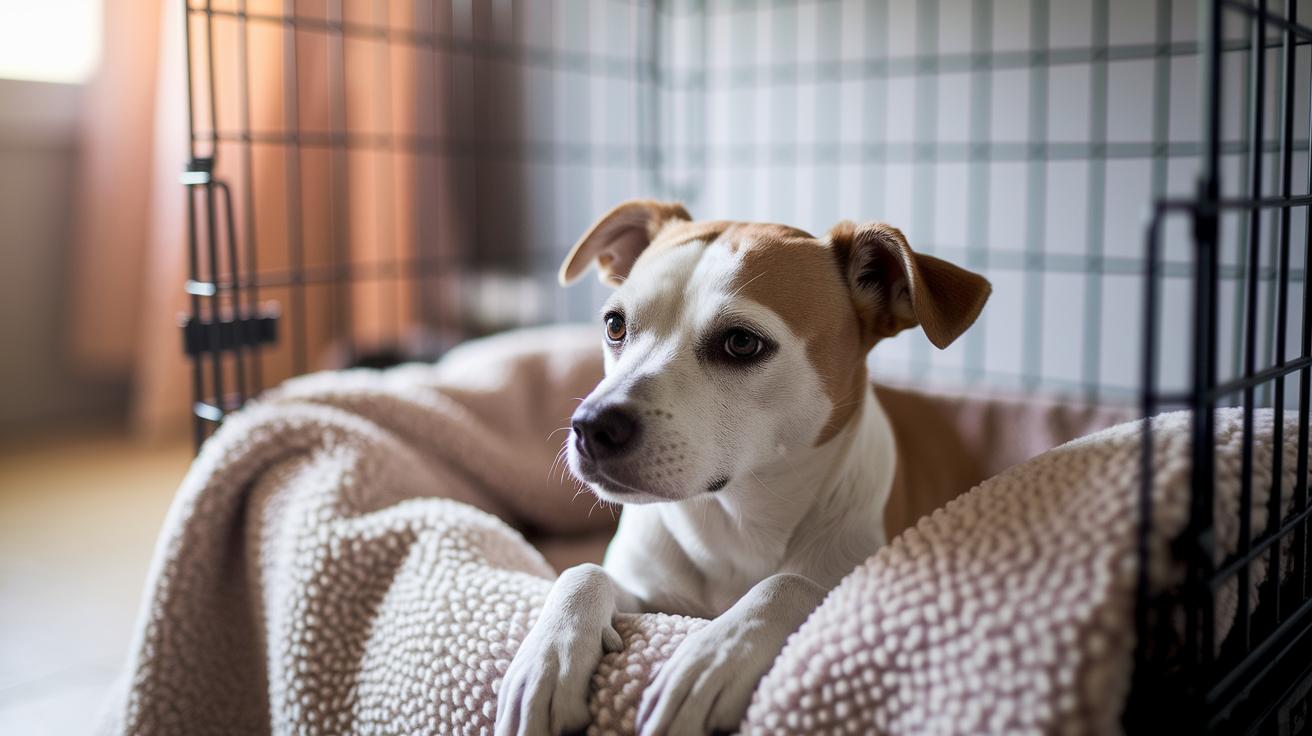
After your dog is spayed, plenty of rest is a must. Avoid any running, jumping or rough play for 10 to 14 days. Even if your pup seems lively, too much physical activity can pull at the stitches or cause internal bleeding.
Keep your dog in a small, safe space like a single room or crate. This helps prevent bumps or accidental knocks while healing. A calm area with few distractions lets your pet rest without hassle.
After about 3 to 5 days, you can start taking short walks on a leash. These gentle strolls let your dog stretch its legs but avoid stressing the incision. If your dog shows signs of tiredness or discomfort, stop and let them rest.
Only resume full exercise once your vet confirms your dog has healed completely. Always follow your veterinarian’s directions closely to ensure a smooth and safe recovery.
Nutrition and Home Environment for Healing in Post-Spay Care for Dogs
After surgery, your dog needs gentle care to heal well. Start with a small meal on the first night to help the stomach settle. Keep fresh water available at all times and slowly bring back the regular meals within 24 hours. Soft, easy-to-digest foods like boiled chicken and rice are a good choice if your pup isn’t very hungry. This careful feeding helps keep energy steady and makes the recovery more comfortable.
Dietary Tips During Recovery
Try giving your dog several small meals instead of one large serving. Bland foods help prevent stomach upset and ease the transition back to regular eating habits. Watch how your dog reacts and adjust the portion sizes if needed.
Setting Up a Comfortable Healing Space
Choose a calm room with soft bedding and a stable temperature to set up a recovery area. A quiet place helps reduce stress and keeps your dog safe from accidental bumps. Creating a simple and low-distraction space supports a smooth and speedy recovery.
Final Words
In the action of helping your pup recover, you learned how to set up a calm, secure spot and monitor symptoms carefully. You also discovered the key steps for pain management and safe incision care. The guide emphasized the need for proper rest and gentle activity limitations while offering home-based nutritional tips. Following these steps in post spay care for dogs can ease recovery and prevent complications. Taking swift, practical steps makes all the difference in your dog's healing journey.
FAQ
Q: Can I carry my dog after being spayed or should I limit movement?
A: Carrying your dog or allowing jumps can stress the incision. Limiting movement and avoiding lifts helps protect the sutures until the vet clears more activity.
Q: What are the warning signs after spaying my dog?
A: Warning signs include excessive swelling, discharge, a foul odor, or fever. Unusual behavior may also occur. Contact your vet if these signs are present.
Q: How soon can I walk my dog after being spayed?
A: Walking on a short leash might begin 3–5 days post-surgery. Gradually increase activity only after your vet confirms healing progress to avoid complications.
Q: What are the side effects of spaying a female dog and key post-surgery care steps?
A: Spaying can cause lethargy, nausea, or reduced appetite. Essential care includes restricting activity, monitoring the incision, using an E-collar, and offering small, easy-to-digest meals.
Q: How long does it take a female dog to recover after spaying?
A: Recovery usually takes 10–14 days. Day-by-day care involves rest, constant supervision of the incision, and keeping your pet in a calm, safe environment.
Q: Can I take the cone off my dog after 7 days?
A: Removing the cone too soon may allow licking or chewing of the incision. Follow your vet’s guidance before taking off the cone to ensure proper healing.
Q: Where can I find a post-spay care guide in PDF format?
A: A PDF guide on post-spay care is often available on trusted pet health websites or from your veterinarian, offering clear, step-by-step recovery instructions.