



Have you ever wondered how a water retriever changed into a beloved family friend? Over 400 years ago, poodles started as smart, hardworking dogs in Germany. Later, they became famous in France, where they were called Caniche. Today, poodles come in three sizes to match different lifestyles and excel in both service roles and dog shows. In this post, we take a close look at their remarkable history and special traits to show why so many pet parents and professionals choose poodles.
Quick Facts About Poodles
Poodles first came from Germany over 400 years ago, originally called "Pudelhund." Later in France they became known as "Caniche." They now come in three sizes – Standard, Miniature, and Toy – so there is a poodle to suit many lifestyles. This rich history shows how the breed switched from being a water retriever to a cherished family companion.
These dogs are very smart, which is why they do well in service roles, therapy work, and even sports competitions. Their thick, curly coats shed very little, but you still need to comb them daily. A visit to a professional groomer every four to six weeks helps keep them tidy and reduces matting.
Poodles also need at least one hour of exercise every day. They enjoy walks, runs, or a good play session that matches their energetic but thoughtful personality. With a typical lifespan of 12 to 14 years, the smaller varieties often enjoy a few extra years of companionship.
Poodle Breed Origins and Evolution

Over 400 years ago in Germany, people first saw poodles as smart water retrievers, then known as Pudelhund. They helped fetch waterfowl like ducks, and early breeders even mixed them with the Barbet and Hungarian Water Hound (a breed used for water work) to boost their skills. These early efforts brought out their natural athleticism and sharp mind.
In France, the poodle earned a new name, Caniche, and a fresh role in society. French nobles and circus performers loved how the breed had a gentle bark and an agile manner. One famous French poodle, called Mustache, even served soldiers during the French Revolution in 1799 and later in the Napoleonic Wars. This shows that poodles have always been adaptable and spirited.
Over time, careful breeding turned poodles from skilled hunters into versatile companions. Today, they shine not only in water work but also as service animals, therapy partners, and stars at dog shows. Their journey from a working dog to a beloved pet tells a story of strength, adaptability, and a close bond with people.
Physical Characteristics and Coat of the Poodle
Poodles have a thick, curly coat that is actually hair, not fur. This means they hardly shed at all. They have a straight, strong back, a long neck, and deep, dark eyes that give them an elegant look. Poodles come in three sizes: standard, miniature, and toy. Each group has specific height and weight ranges. Their athletic body and signature coat mean regular grooming is key.
| Variety | Height | Weight |
|---|---|---|
| Standard | >15 inches | 50-70 lbs |
| Miniature | 10-15 inches | 10-15 lbs |
| Toy | <10 inches | 4-6 lbs |
Poodle coats come in many colors. You might see solid shades like black, white, apricot, gray, silver, or brown. Some poodles show parti or phantom markings that add a unique touch. When well groomed, these colors highlight their refined, lively appearance, making them a favorite in shows and a standout in any pet family.
poodle dog breed: Charming History & Traits
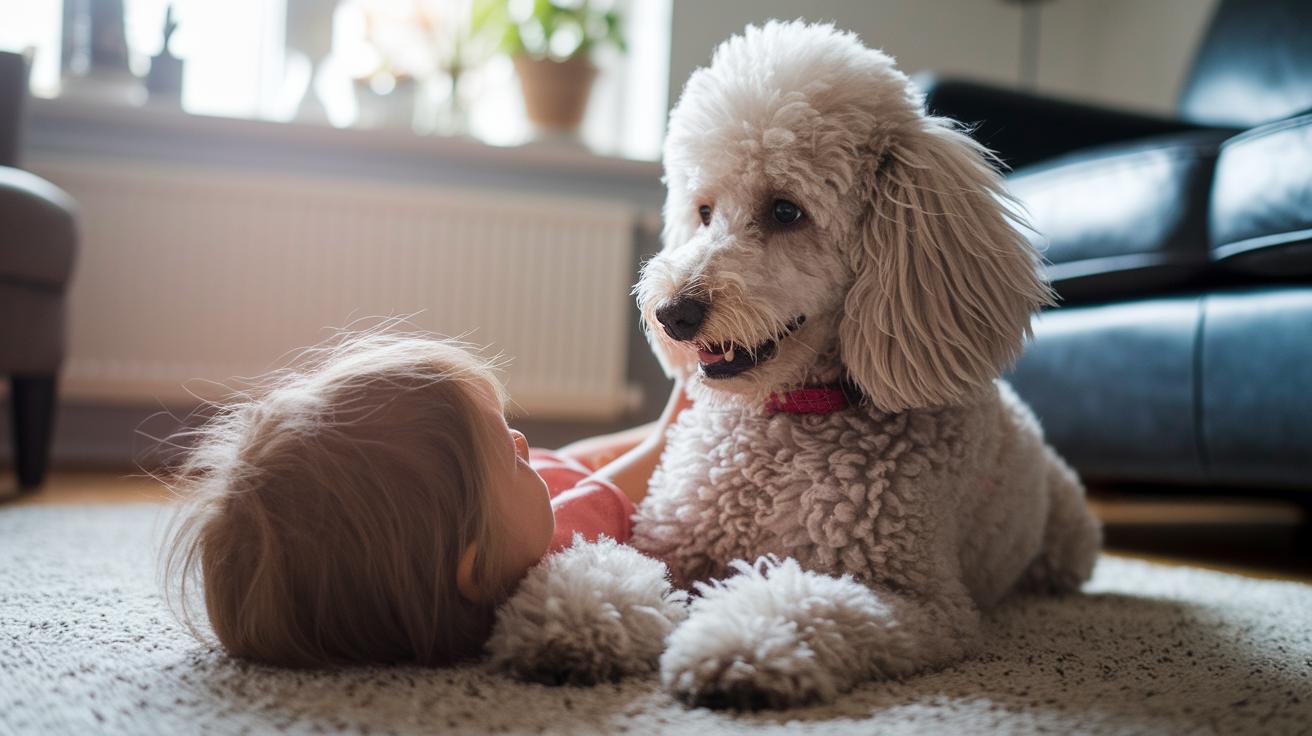
Poodles are playful yet calm. They have plenty of energy but also enjoy quiet time. They learn commands like "sit" or "roll over" very quickly and solve little puzzles with ease. Their bright nature brings a warm spark to any home.
Poodles make wonderful family pets. They show loyalty and gentle behavior with children. Early social time helps them grow into confident, well-mannered companions. They love both high-spirited play and relaxed moments, making them a great choice for busy families.
Poodles also shine as service and therapy dogs. Their smarts and easygoing nature help them tackle new challenges quickly. Not only are they fun and obedient, but they also build strong, heartfelt bonds with their owners.
Grooming and Daily Care Requirements for Poodle Dogs
Poodles have thick, curly hair that can quickly form tangles if not cared for. Brushing every day helps keep their coat smooth and keeps their skin healthy. A simple routine of brushing at home along with a professional groom every few weeks will keep your poodle comfortable and looking great. This regular care can also help cut down on allergens, which is a big plus if someone in your home has allergies.
Here’s a quick checklist for daily and monthly care:
- Daily coat brushing
- Weekly ear inspections
- Monthly teeth brushing
- Professional grooming every 4 to 6 weeks
- Regular nail trimming
- Bathing using dog shampoo
- Washing your pet’s bedding to reduce dander
Using the right tools really makes a difference. A slicker brush and a steel comb work well together to remove loose hair and prevent tangles. During professional grooming, adjustable clippers and curved scissors help trim safely and evenly. Because poodles have a hypoallergenic coat, they shed less, and keeping their bedding clean helps manage dander in your home.
By sticking to this grooming routine, you can help your poodle feel healthy and happy every day.
Exercise Needs and Training Tips for the Poodle Breed

Poodles love to move and learn. They need about one hour of exercise each day. This can be a fun run, a long walk, or even playing dock diving. Their smart nature makes training fun, and they enjoy puzzles, scent games, and other interactive challenges.
These dogs pick up new tricks fast. They do well in activities like agility, obedience, and flyball. Training routines help them stay happy and healthy while making a strong bond with you.
Here are some ideas to keep your poodle active:
- Daily walks or jogs
- Weekly swimming sessions
- Puzzle feeders and treat toys
- Clicker training for tricky commands
- Short, frequent obedience drills
- Classes in dog sports
By sticking to a regular routine, your poodle will build both strength and smarts. Each fun training session helps them learn new skills and enjoy time with you.
Health Considerations and Lifespan Expectations for Poodle Dogs
Poodles usually live about 12 to 14 years. Smaller poodles may even enjoy a few extra years of life. Their lifespan depends on factors like good genetics, a balanced diet, and regular exercise. Feeding your pup a nutritious meal and giving them plenty of playtime can help them stay active and happy.
Inherited conditions can affect poodles. Common issues include hip dysplasia (a problem with the hip joint), progressive retinal atrophy (a condition that harms the eyes), and Addison’s disease (a disorder of the adrenal glands). They might also show signs of allergies with symptoms like itchy skin, vomiting, or diarrhea. If you notice these issues, it might be a good idea to check with your vet about allergy tests or changing their diet.
Regular checkups with your veterinarian are very important. These visits help catch problems early with teeth, joints, and other age-related issues. By keeping a close eye on your poodle’s health, you can help them live a long, joyful life by your side.
Choosing and Caring for Poodle Variants: Toy, Miniature & Standard
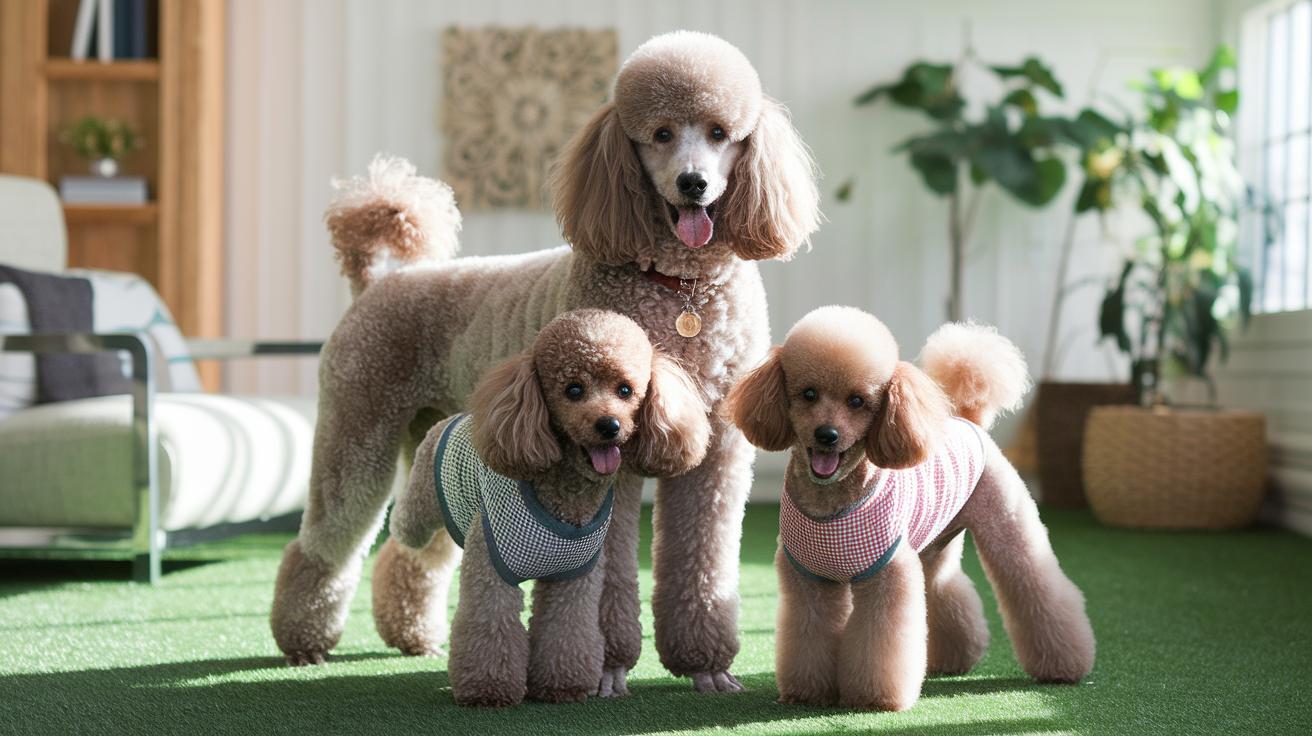
Standard Poodles are the biggest. They stand taller than 15 inches and weigh between 50 and 70 lbs. These dogs love having a yard to play in and need plenty of exercise.
Miniature Poodles are smaller, standing 10 to 15 inches tall and weighing about 10–15 lbs. They can do well in an apartment if you give them enough fun and mental challenges.
Toy Poodles are the tiniest of the three. They are under 10 inches tall and weigh between 4 and 6 lbs. Their size makes them perfect for small homes and they always enjoy a warm lap.
All three poodle sizes share a friendly nature and a curly, low-shedding coat that needs regular brushing. Adjust exercise and meal plans based on your poodle’s size. For example, Standard Poodles need longer walks and heartier meals, while Miniature and Toy poodles can thrive on shorter play sessions and smaller portions.
Training, grooming, and playtime are important for every poodle. A little mental stimulation goes a long way in keeping your pet happy and healthy.
Choose the poodle size that fits your living space, activity level, and the time you can spend on care.
Adoption, Ethical Breeding and Cost Insights for Poodle Dog Breed
Start by choosing breeders who run health tests for several generations and check for common problems like hip, eye, and heart issues. Good breeders share clear health records and truly care about ethical practices. Also, remember that breed-specific rescues and shelters often have puppies that have had vet exams and behavior checks, making them a great choice.
When picking a puppy, ask the breeder for proof of genetic tests and health history. This helps you be sure your new friend comes from a healthy line. Breed-specific adoption centers usually do thorough evaluations to ensure each puppy is ready for a loving home. This careful check helps you find a pet that will be a happy and healthy companion.
Prices do vary. Standard Poodles usually cost between $1,000 and $2,000, Miniature Poodles range from $800 to $1,500, and Toy Poodles go for about $600 to $1,200. It’s a good idea to look into pet insurance that covers both inherited issues and routine care. Don’t forget to factor in long-term costs like grooming, training, and healthcare so you can choose a pet that fits both your heart and your budget.
Final Words
In the action, we covered key facts about the poodle dog breed. We explored its rich history, unique physical traits, and daily care needs. We discussed grooming tips and exercise routines that keep these smart pets active and happy. Also, we touched on health check essentials and ethical adoption practices. Each section builds a clear picture, helping pet parents make informed choices. Stay positive and proactive as you nurture your pet’s well-being every day.
FAQ
What is the price range and what factors affect Poodle pricing?
The Poodle price typically ranges from $600 to $2,000. This range reflects size, breeder reputation, and additional costs like grooming and initial veterinary care.
What defines the Toy Poodle breed?
The Toy Poodle is defined by its small stature, usually under 10 inches tall and weighing 4–6 lbs. They are smart, lively, and perfect for smaller living spaces.
What distinguishes Miniature Poodles from other sizes?
Miniature Poodles stand between 10–15 inches tall and weigh 10–15 lbs. They blend high intelligence with a manageable size, making them adaptable for various home environments.
What describes a medium Poodle type?
Often, the term “medium Poodle” is used for dogs that fall between the Miniature and Standard sizes. These Poodles have a balanced energy level and can suit families with moderate space requirements.
Are Poodles good family dogs?
Poodles are good family dogs because they are intelligent, loyal, and gentle. They often bond well with children and adapt quickly to family routines when introduced to socialization early.
What are the pros and cons of owning a Poodle?
Poodles offer pros like high intelligence, hypoallergenic coats, and friendly temperaments. The cons include frequent grooming needs and daily exercise requirements that demand time and commitment.
What is the calmest Poodle mix?
The calmest Poodle mix often includes breeds like the Labrador retriever or Cavalier King Charles spaniel. This blend generally softens the energy level to create a calm, well-rounded companion.
Where can I find pictures of different Poodle types?
Pictures of various Poodle types are available in breed guides and on trusted pet websites. These resources provide detailed galleries and descriptions to help you identify each variety.