



Have you ever noticed that what’s in your dog’s bowl might affect their weight? When you make meals at home, you get to pick every ingredient. Use lean protein like chicken or turkey and toss in fresh veggies (like carrots or green beans) to keep your pet fit. Research from Bright Health shows that whole, natural foods can really help with weight loss. By choosing each ingredient yourself, you support muscle strength and steady energy without extra calories. This approach offers a simple, fresh alternative to store-bought meals and can lead to a happier, healthier pet.
Essential Principles for Homemade Dog Food for Weight Loss
Homemade dog food gives you full control over what goes into your pet’s meals. By preparing food at home, you can avoid fillers and allergens often found in commercial diets. Plus, you get to pick lean proteins that not only help maintain muscle but also keep calories low. This means you’re choosing natural, whole ingredients that work together to support your dog's overall health.
When you create a balanced homemade diet, you know exactly what your dog is eating. You can add omega-3 fats (fats that support heart health) and fiber-rich vegetables to aid digestion and control weight. Many pet parents find that homemade meals are a healthier option compared to store-bought food.
- Lean proteins for strong muscles
- Fiber from veggies for smooth digestion
- Healthy fats like omega-3 for a happy heart and shiny coat
- A mix of vitamins and minerals for balanced nutrition
- Measured portions to avoid extra calories
- Variety in protein sources to reduce allergy risks
- No high-calorie additives that lead to weight gain
It’s key to have veterinary oversight as you transition to homemade meals. A vet can review your recipe to ensure it meets all of your dog’s nutritional needs while guiding portion sizes and total calories. For example, a vet might suggest, "Measure your dog's food as precisely as you would a toddler's snack to keep their weight in check." This professional advice helps tailor the diet to your dog's unique needs and supports safe, steady weight loss.
Nutritional Breakdown in Low-Calorie Homemade Dog Meals

Getting the right mix of protein, carbs, fat, and fiber is key to helping your dog lose weight. A balanced homemade meal uses lean proteins and limits extra calories to support both muscle strength and daily energy. By following certain ratios, you can serve meals that meet your dog's needs and help keep each bite helpful for weight management.
| Macronutrient | % of Total Calories | Examples | Caloric Value/Gram |
|---|---|---|---|
| Protein | 40% | Rabbit, chicken, venison | 4 kcal/g |
| Carbs | 30% | Sweet potatoes, green beans, pumpkin | 4 kcal/g |
| Fat | 20% | Fish oil | 9 kcal/g |
| Fiber | 10% | Vegetable fiber sources | 2 kcal/g |
Be sure to adjust these numbers depending on your dog's age and how active they are. Young and active pups might benefit from a bit more protein to keep their muscles strong, while older or less active dogs may need fewer calories overall. Using these goals as a guide can help you create low-calorie meals that are both filling and healthy. Regular check-ins with your veterinarian will also ensure that the portion sizes and ingredients stay right for your dog’s weight management plan.
Top Homemade Slimming Dog Recipes
Chicken & Veggie Lean Meal
This meal uses 300 g (about 10.5 oz) of ground chicken, 100 g (around 3.5 oz) of steamed green beans, and 50 g (roughly 1.75 oz) of pumpkin mixed with a vitamin and mineral blend. Steam the green beans and pumpkin until they are soft so they keep their fiber and nutrients. This lean dish supplies about 350 kcal per 500 g (1.1 lb) and helps maintain muscle while supporting weight loss. Think of it as a simple, healthy meal that fuels your dog every bite. Always check with your vet before making any diet changes.
Doggie Meat-and-Three (Raw Option)
This raw recipe calls for 300 g (about 10.5 oz) of a meat mix that includes up to 33% organs and bone. The organs provide important vitamins and minerals, and the bone adds natural calcium. Use separate utensils and handle the ingredients carefully to avoid cross-contamination. Keep the mix chilled or frozen until you are ready to serve so it stays fresh. This option is packed with protein and has no extra fillers, making it a great choice for slow and steady weight loss. Always consult your vet for advice.
Rabbit & Sweet Potato Trio
In this recipe, mix 1100 g (around 2.4 lbs) of lean rabbit meat with 200 g (roughly 7 oz) of sweet potato and a dash of fish oil (about 5% of the recipe). The lean rabbit provides a low-calorie protein that is gentle on the stomach, while the sweet potato offers fiber to help with fullness and digestion. The fish oil supplies omega-3 fatty acids, which support a shiny coat and a healthy heart. This balanced meal of lean protein, fiber, and healthy fats is ideal for good weight management and works well for dogs with sensitive tummies or those needing an alternate protein source. Always consult your vet before starting a new diet.
Portion Control and Meal Planning for Weight Reduction
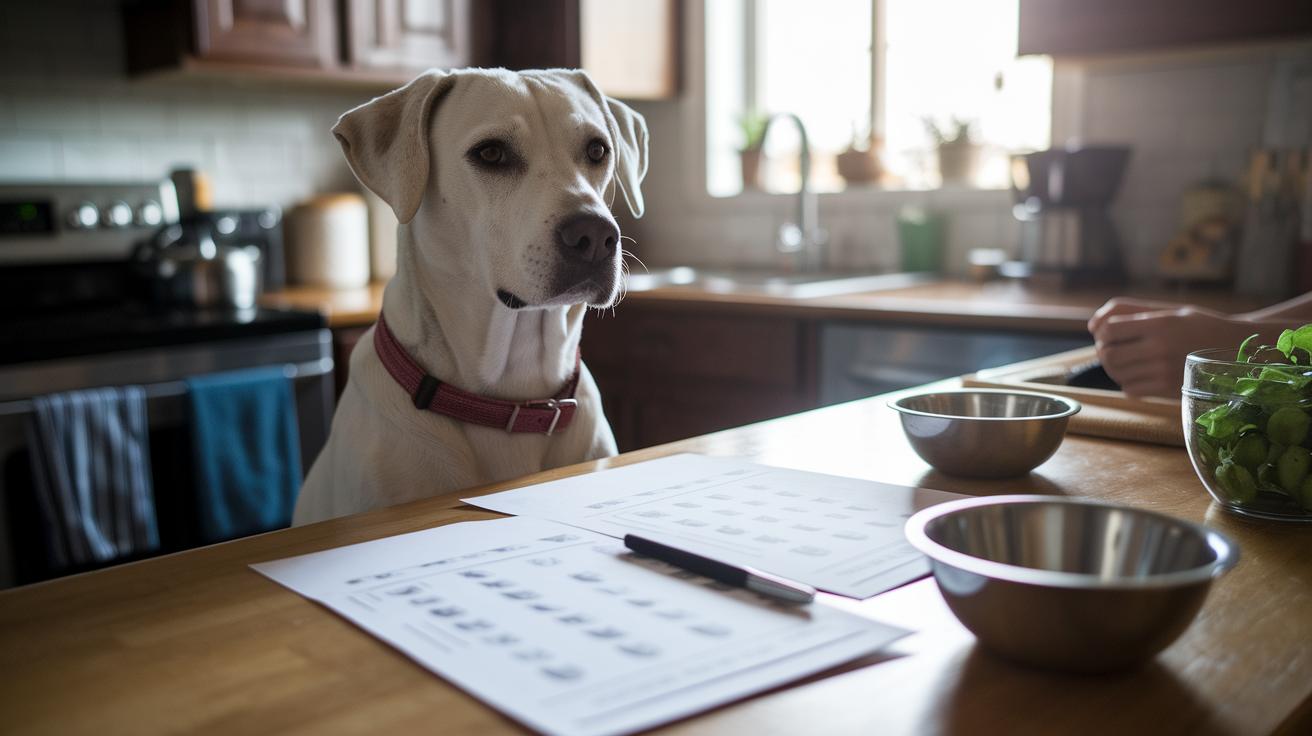
Keeping your dog's meal portions consistent helps control calories and supports steady weight loss. Planning meals ahead lets you split your pet's daily calories into 2 or 3 meals, making it easier to meet their needs without overeating. Setting up a weekly meal plan and pre-preparing portions gives you control over your dog's diet and helps prevent unexpected snacking.
- First, figure out how many calories your dog needs daily (for example, a 20 kg dog might need 600 kcal per day).
- Pick a meal schedule, usually 2 or 3 meals a day works well.
- Measure each meal carefully to hit the calorie target.
- Clearly label each portion, whether you store it in a bag or a container.
- Keep an eye on your dog's intake to see if the plan is working and adjust if needed.
This approach not only avoids extra calories but also makes your daily routine easier. By preparing meals in advance with clear portion sizes, you'll stick to your pet's nutritional plan. You can even freeze individual portions in labeled containers, keeping meals fresh for up to 4 weeks so that every meal is ready when you need it.
Safe Preparation and Storage Practices for Homemade Weight-Loss Meals
Keeping your pet’s meals safe starts with good kitchen habits. Always use clean tools and practice careful food handling to lower the chance of harmful germs. When you bake, broil, or steam your dog’s food, make sure it heats up to 165°F (74°C) to kill bacteria. For raw recipes, keep ingredients chilled between 32°F and 40°F (0°C to 4°C) and store them in the freezer at -18°C (0°F) if you need long-term storage. Remember to thaw frozen meals slowly in the refrigerator and toss any leftovers that have been in the fridge for more than 2 days.
- Use different utensils and cutting boards for raw and cooked foods.
- Cook meals until the inside temperature reaches 165°F (74°C).
- Keep raw ingredients in the fridge at 32°F to 40°F (0°C to 4°C).
- Freeze raw meals at -18°C (0°F) for longer storage.
- Thaw frozen meals slowly in the refrigerator.
- Discard leftovers that have been in the fridge for over 2 days.
By following these easy steps and keeping your kitchen clean, you help ensure your pet’s meals stay safe and delicious.
Monitoring Progress and Veterinary Consultation for Homemade Diets

Key Metrics to Track
Check your dog's progress every two weeks. Use a simple measuring tape to record weight, waist size, and the body condition score (BCS, a rating that shows if your dog is underweight, healthy, or overweight). Aim for a steady weight loss of about 0.5–1% per week. Also, watch how the collar fits and note if their energy seems higher or lower. Jot down these changes to see how well the home-cooked meals are working, keeping an eye on muscle strength and gradual fat loss.
When to Consult Your Veterinarian
If you see a weight loss stall, increased tiredness, or signs that nutrition may be lacking, it’s time to call your vet. Any sudden behavioral changes or doubts about calorie needs based on your dog’s age, activity, or health should be checked out by a professional. Your veterinarian can run basic blood tests and suggest diet tweaks. This regular vet check helps make sure your dog's meals stay safe, balanced, and just right for their ongoing health needs.
Final Words
In the action, this guide shows how controlling ingredients with homemade meals can help your pet shed extra pounds. It covers lean protein choices, fiber-rich veggies, proper portion sizes, and safe food handling.
Using vet-approved recipes and careful meal planning makes a big difference. Homemade dog food for weight loss is a practical way to keep pets healthy and happy. Stay focused on safe practices and celebrate every little win along the weight management journey.
FAQ
Q: What are some vet-approved, nutritionally complete homemade dog food recipes for weight loss?
A: These recipes use lean proteins, fiber-rich vegetables, and measured portions to help your dog lose weight while keeping nutrition balanced. They are approved by veterinarians for safe, healthy weight control.
Q: How can I access nutritionally complete homemade dog food recipes in PDF format?
A: Some websites offer downloadable PDFs that include balanced, vet-approved recipes. These resources list ingredient amounts, preparation steps, and portion sizes to simplify healthy meal planning.
Q: What ingredients and steps do I need to create homemade, low-fat dog food for weight loss?
A: Start with lean proteins like chicken, mix in vegetables for fiber, and avoid high-calorie additives. Follow safe food-handling steps and precise cooking methods to maintain a nutritious, low-fat meal.
Q: Will homemade dog food help my dog lose weight effectively?
A: Homemade dog food gives you complete control over ingredients and portions, which supports a safe weight loss plan by reducing excess calories and avoiding fillers.
Q: What should I feed an overweight dog to promote safe and steady weight loss?
A: Feed your dog meals with lean proteins, fiber-packed vegetables, and controlled portions. This combination supports gradual weight loss while providing the balanced nutrition needed for overall health.