

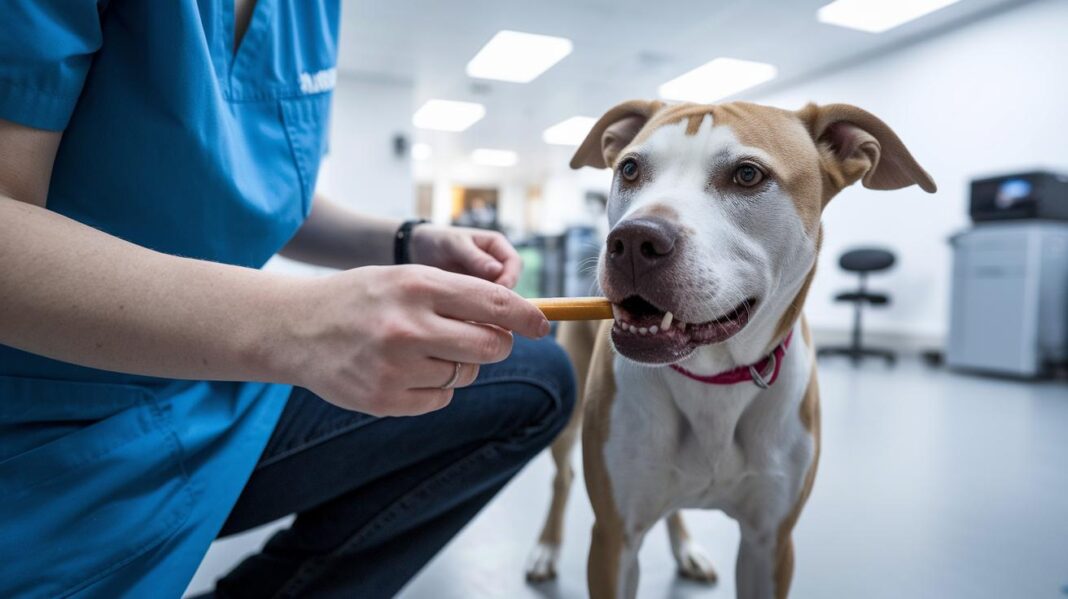

Ever worried about grooming your feisty dog? Many pet parents get nervous when their pet shows signs like growls or stiff movements during grooming time. With a calm, step-by-step approach, using gentle touches and a few tasty treats, you can help lower your dog's stress. This guide shares simple safety tips and easy techniques to turn tense grooming sessions into a more relaxed routine for your furry friend. Read on to learn how to swap stress for calm reassurance during grooming.
Essential Safety Protocols for Grooming Aggressive Dogs
When grooming a dog that shows aggression, take a calm and careful approach so both you and your pet stay safe. Watch the dog closely for signs like growling, lip lifting, or a stiff body. These clues mean the dog is stressed. Keeping a cool and patient attitude can help stop things from getting worse and lets you change your approach if needed.
- Use safe restraint methods like a well-fitted muzzle or harness to stop any sudden bites.
- Create a quiet grooming spot with non-slip mats and few distractions so your dog feels at ease.
- Slowly introduce grooming tools. Pair each step with a treat and kind words to help your dog feel comfortable.
- Keep each grooming session short and focus on one small area at a time. This way, your dog isn’t overwhelmed.
- Always watch for stress signals. If your dog seems too upset, stop immediately.
- If the aggressive behavior keeps happening, get advice from a pet behaviorist or trainer. You might even need to talk to your vet about safe sedation options.
Following these simple steps builds a calm environment that helps your dog and you work together better. With regular gentle care, your pet may slowly start to trust grooming sessions more. Always adjust your approach to match your dog’s unique needs, and remember that clear communication and patience go a long way.
Behavioral Management Strategies When Grooming Aggressive Dogs
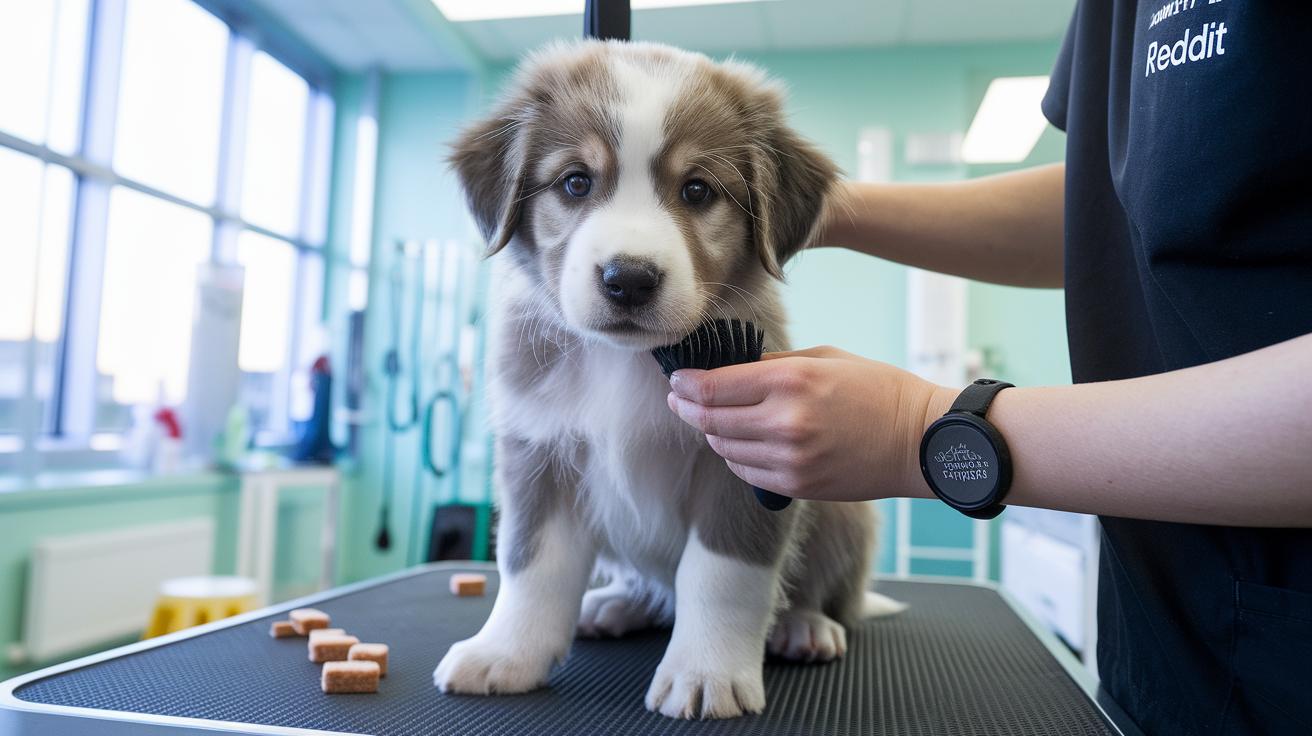
Grooming an aggressive dog needs special techniques that help change stress into calm. It works best when you start early, around 8 to 12 weeks old. Beginning then makes grooming feel more like a fun routine than a scary chore.
One helpful method is counterconditioning. This means you pair each grooming step with a tasty reward. For example, when you gently brush your dog's back or handle his paws, offer a treat right away if he stays calm. This simple step can help turn his fear into positive feelings.
Keep the treats coming every session. When you consistently reward calm behavior, your dog will learn to relax during grooming and gradually become less aggressive.
Preparing the Grooming Environment and Equipment for Aggressive Dogs
Pick a quiet room with plenty of light and few people walking by. A calm spot without loud sounds or sudden moves helps lower your dog's anxiety. A clear, defined space also makes your pet feel safer while grooming.
Set up your grooming station with tools that keep your dog safe and steady. Use harness systems that fit well or homemade restraints to help control your dog during grooming. A portable table with safety loops and a non-slip mat gives extra support. You might also play soft music or use veterinarian-approved scents (safe smells that help relax dogs) to create a soothing vibe. Start by slowly introducing the harness while praising your dog. This gentle approach builds trust over time.
Keep the space organized with clear boundaries and easy exits. Make sure grooming tools are neatly arranged and close at hand so you can quickly grab them. These careful details help make grooming a less stressful and safer experience for both you and your pet.
Step-by-Step Grooming Techniques for Aggressive Dogs
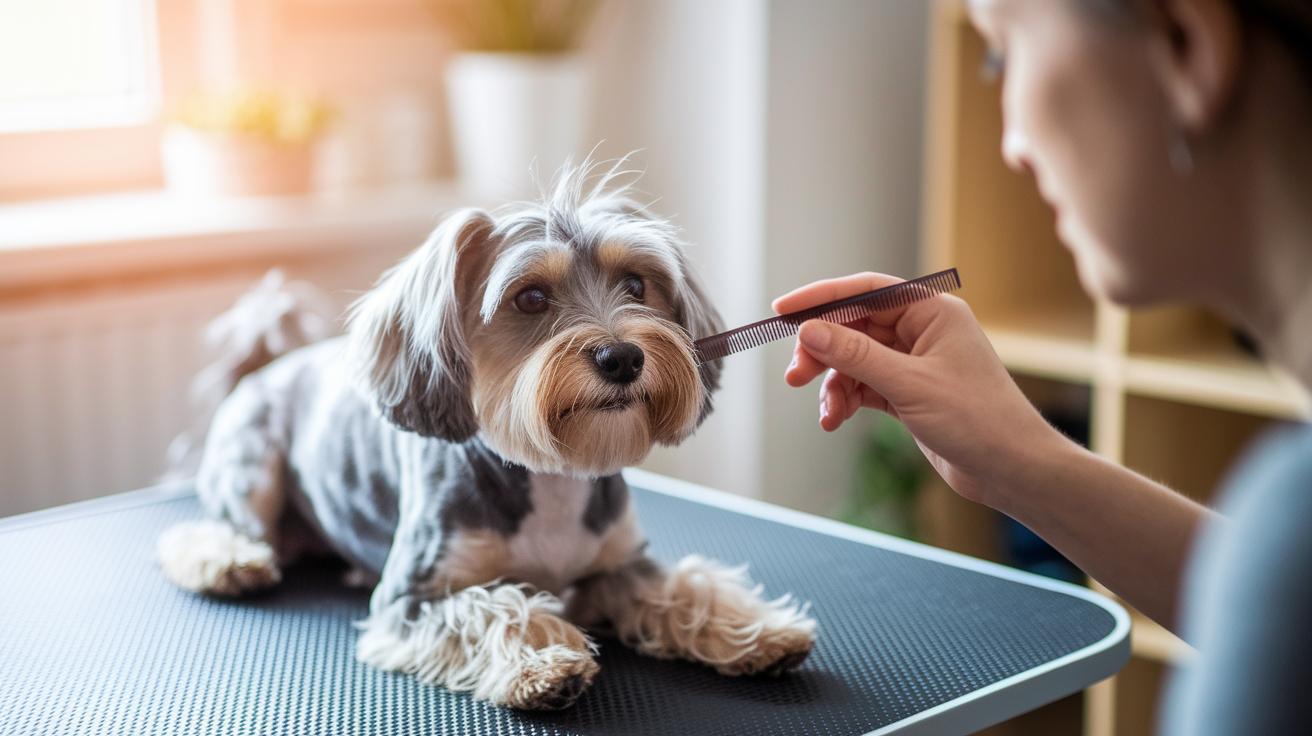
This guide builds on common safety tips and adds extra advice for handling tricky grooming moments.
-
Start by letting your dog get used to the tools. Hold out one item at a time and offer a tasty treat. You might say, "Check out this comb, it's fun like a new toy."
-
Keep an eye out for stress signs, like a stiff body, a tucked tail, or gentle lip licking. If you notice these, pause for a moment before continuing.
-
Keep sessions short. Spend only 3–5 minutes on each part of your dog’s body, and use a simple phrase like "calm time" to signal it’s time to relax.
-
Praise and reward calm behavior right away. A treat, a clicker sound, and a friendly "Good job, buddy!" can help reinforce their relaxed state.
-
Slowly extend grooming time. Add another minute only when your dog seems consistently comfortable. This helps build trust without putting too much pressure on them.
-
If needed, try extra calming tricks. Play soft background music or give a gentle massage before you begin. Save tools like a muzzle or calming jacket for times when other methods don’t help reduce their stress.
Following these steps gives you more ideas to keep grooming safe, gentle, and tailored to your dog's unique comfort level.
Sedation and Professional Assistance for Grooming Aggressive Dogs
Sometimes when a dog gets very aggressive during grooming, a vet might suggest using sedatives or gentle tranquilizers. These medications help the dog feel less anxious and make the grooming process safer for both your pet and the groomer. Natural options like melatonin (a hormone that helps with sleep) or herbal blends may also ease anxiety, but only if your vet gives the go-ahead. Always follow your vet’s advice on how much to give and how often to avoid any unwanted side effects.
A certified groomer who’s experienced with reactive pets knows how to handle these situations safely. They use special techniques and equipment to manage a dog's behavior during grooming. They may combine light sedative use with non-medicated calming tricks, all while keeping a close eye on the dog for any signs of stress. Their routine might even include extra aids like muzzles or calming jackets when needed, ensuring that grooming happens safely and in line with health rules.
Working with experts is the best way to choose the right sedation method and keep your furry friend secure during grooming.
Long-Term Aftercare and Stress Reduction for Aggressive Dogs
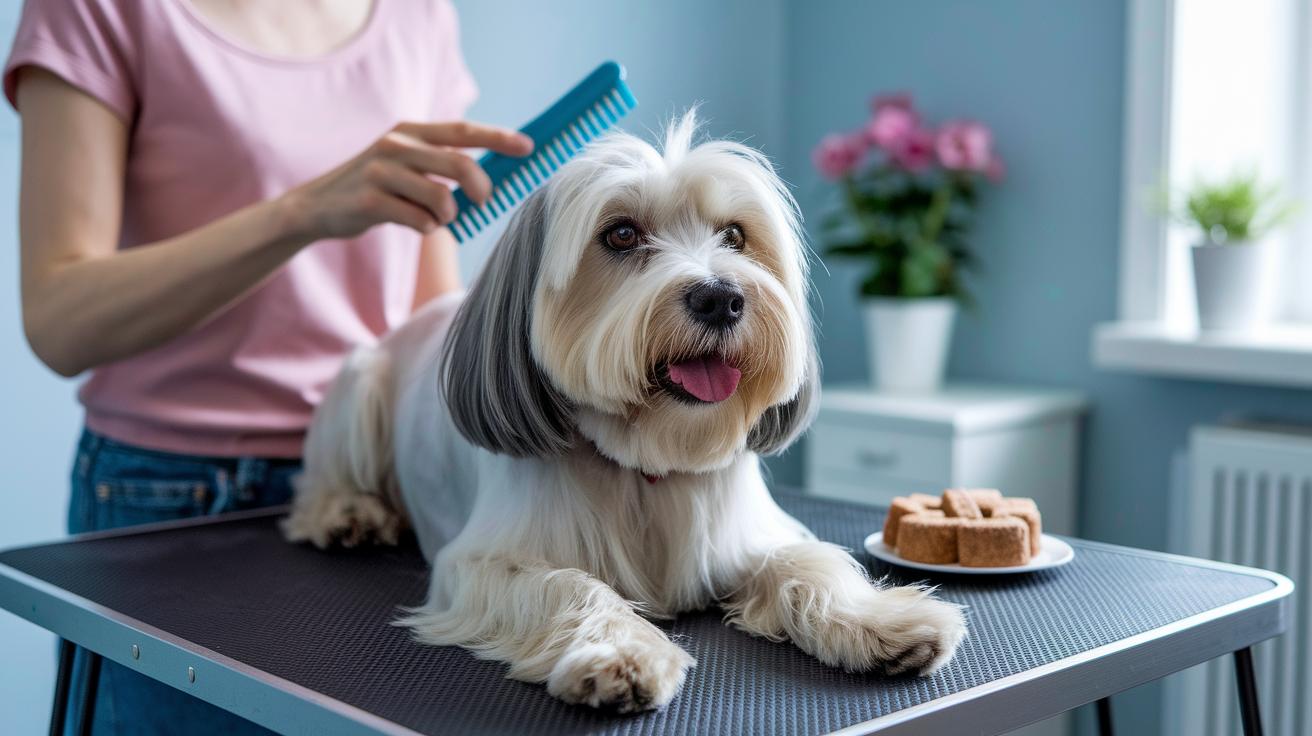
Keep grooming sessions calm and steady. After grooming, spend a few minutes gently handling your dog to help ease their anxiety. This simple care builds trust for smoother future sessions.
Try a quick 2- to 3-minute daily routine where you gently brush and pet your dog. After that, give a soft massage and let your dog relax in a quiet room with calm music playing. Praise them often and offer a couple of healthy treats. These steps help your dog feel safe and reduce stress over time.
Good health is also key. Make sure your dog has plenty of fresh water and eats a balanced diet. A shiny, healthy coat and strong skin go a long way in making grooming a calmer experience for both of you.
Final Words
In the action of tackling pet care challenges, this guide offers clear safety protocols, behavior tips, and proper equipment choices. We broke down step-by-step techniques, sedation guidance when needed, and long-term aftercare for stress reduction.
Taking steps regularly builds trust and reduces risks during grooming aggressive dogs. Patience, consistent routines, and gentle handling create a safer and happier grooming experience. Keep moving forward with these practical strategies for a brighter, stress-free future.
FAQ
What does grooming aggressive dogs near me mean?
Grooming aggressive dogs near you means finding professionals who specialize in handling stressed canines. They use safe restraint and gradual techniques to keep both dog and handler safe during the session.
What is mobile dog grooming for aggressive dogs?
Mobile dog grooming for aggressive dogs means professionals bring a tailored grooming setup to your home. They create a familiar, calm setting and use low-stress methods to ease the dog’s anxiety.
How do I groom an aggressive dog at home, including its face?
Grooming an aggressive dog at home, including its face, involves taking time and working slowly. Begin with brief sessions, use treats, and gently introduce each tool, always watching for signs of stress.
What is the proper way to sedate a dog for grooming?
Sedating a dog for grooming requires a veterinarian’s guidance. A licensed vet prescribes safe sedatives or tranquilizers based on the dog’s health and behavior for a more manageable session.
How do groomers handle aggressive dogs and can they go to groomers?
Groomers handle aggressive dogs by employing secure restraint, gradual exposure to tools, and positive rewards. Aggressive dogs can visit groomers if the professionals are experienced in managing challenging behaviors.
What does aggressive grooming mean for cats?
Aggressive grooming for cats refers to handling them with too much force, which can increase their stress. For cats, a gentle approach in a calm environment is best to ensure comfort and safety.