

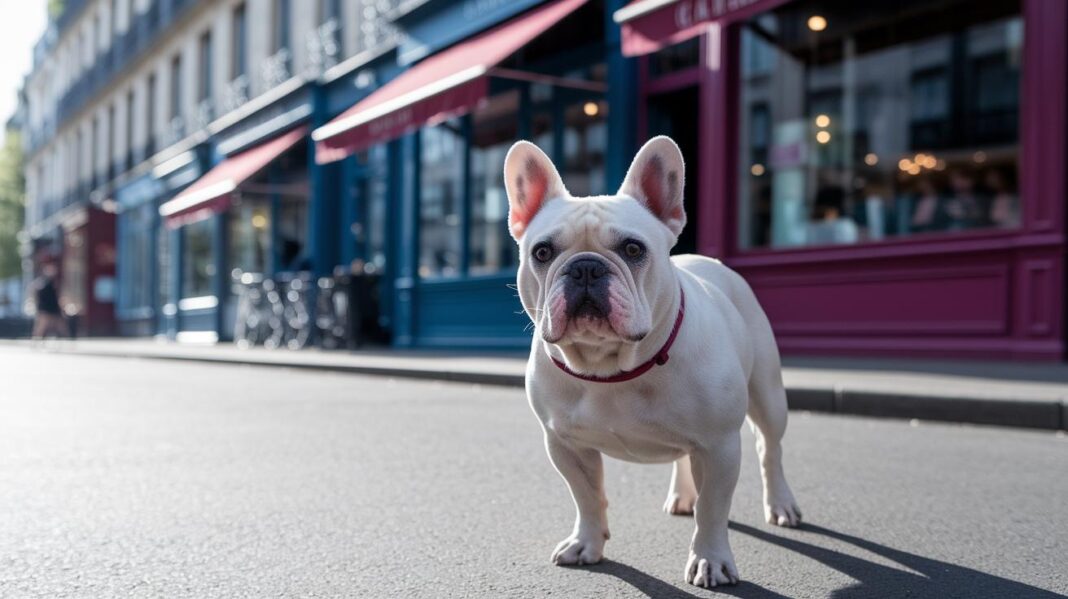

Ever notice how French Bulldogs grab the spotlight? They have a strong build and quirky looks that work great in small homes and busy families. These little dogs were first bred to be loyal helpers and were later shaped by French experts. Their long history and gentle nature show they are more than just cute, they carry a story. In this post, we explore what makes French Bulldogs so unique and why they are such cherished companions.
Complete French Bulldog Breed Overview
French Bulldogs are one of the most popular pets in the United States. They have a strong, muscular body in a small package, which fits well in many homes. With their cute bat ears, wrinkled face, big dark eyes, short nose, and loose skin around the neck and shoulders, they have a look that stands out.
They usually live 11 to 13 years. Their energy is low to medium, so a short walk each day is usually enough to keep them happy and healthy. This gentle exercise routine and calm behavior make them a great choice for apartment living or smaller homes. Just be careful when temperatures go above 80°F (27°C), as their flat faces can make breathing harder in the heat.
French Bulldogs have a friendly, fun personality that wins over many pet owners. They do well in different households, whether with families, singles, or seniors. They enjoy moderate movement and plenty of affection, making them a true member of the family.
In short, French Bulldogs offer a mix of strength and charm. Their unique look and easy care make them a favorite for many pet parents.
Historical Origins and Evolution of the French Bulldog Breed

The French Bulldog began its journey in 1800s England. Lace makers bred a smaller version of the Bulldog to serve as a constant, friendly companion during long hours in the workshop. When life got tougher during the Industrial Revolution, these skilled workers left England and brought their little dogs over to France.
In Paris, the small Bulldogs caught the eye of fashionable people. They loved the dogs for their cute bat ears, wrinkled faces, and compact size. This unique look matched the artistic style of the time perfectly.
As the French grew to love these dogs, they carefully bred them to enhance their playful yet dignified traits. Soon, the French Bulldog appeared in paintings, books, and social events around Paris. Later on, they made their way to America. There, pet owners cherished their friendly, adaptable nature. Today, the French Bulldog is a beloved pet, their history a blend of art, care, and cultural charm.
Distinctive Physical Characteristics of French Bulldog Breed
French Bulldogs are easy to spot because of their unique look. They have a small, muscular body that mixes strength with charm. Usually, a French Bulldog stands about 11–13 inches (28–33 cm) tall at the back’s highest point (the withers) and weighs around 16–28 lbs (7–13 kg). Their compact size makes them a great pet whether you live in a small apartment or a larger home.
Their coat comes in many colors like brindle, cream, fawn, pied, or mixes of these. Imagine a Frenchie with a brindle coat, it looks like a little work of art full of playful, contrasting strokes. Each coat color adds a touch of personality, making every French Bulldog one of a kind.
One of the best-known features of this breed is their upright bat ears. These ears sit high on the skull, giving them an alert and expressive face. They also have loose skin folds around the neck and shoulders, plus a special roll of the lip. These traits make them even more lovable and hint at the long, proud history of the breed.
| Feature | Standard | Variation |
|---|---|---|
| Height | 11–13 in (28–33 cm) | ±1 in |
| Weight | 16–28 lbs (7–13 kg) | Up to 30 lbs |
| Coat Colors | Brindle, Fawn, Cream, Pied | Mixed Patterns |
| Ears | Upright “bat ears” | Rounded tips in rare cases |
These special features capture the charm of the French Bulldog and provide a handy guide for owners and breeders to help keep the breed’s proud legacy alive.
French Bulldog Breed: Charming Traits & History

French Bulldogs are loved for their friendly and unique personalities. They form close bonds with their owners and show affection with soft nudges and gentle licks. They enjoy playful bursts that light up a busy day, and even though they’re friendly, they stay alert like a small watchdog without constant barking.
When meeting new people in a relaxed setting, they can pleasantly surprise you with their sociability. Their behavior comes not only from their genes, only a small part of it, but also from the way they are raised and trained. They fit well in all kinds of homes, whether you live alone, with family, a partner, or as a senior, especially when socialized early on.
Key personality traits of French Bulldogs include:
- Gentle and loving
- Warm with new faces when properly introduced
- Playful and energetic in short bursts
- Alert but not overly noisy
- Occasionally stubborn, so training is important
With a blend of fun energy and loyal character, French Bulldogs quickly settle into home life. Their expressive eyes and calm presence bring warmth to any room, making each day a bit brighter for pet parents.
Health Considerations and Common Ailments in French Bulldogs
French Bulldogs are charming companions, but their special traits can lead to unique health problems. Their short, flat noses may cause breathing difficulties (this is often called brachycephalic obstructive airway syndrome or BOAS). They might struggle to breathe when excited or when it gets very warm. If the heat goes above 80°F (27°C), keep your Frenchie in a cool, well-ventilated space to prevent overheating.
Their deep wrinkles and skin folds can trap dirt and moisture, leading to allergies or infections if not kept clean. It's important to gently wipe these areas to remove any bacteria and reduce discomfort. Heart problems can also occur, so having a veterinary cardiologist check for early signs of issues can be very helpful.
Regular health screenings are another key part of caring for your Frenchie. Checking the patella (knee cap) often can catch joint problems early. Hip evaluations can help spot conditions like dysplasia before they become severe. Since French Bulldogs are prone to eye issues, an eye exam from an ophthalmologist is recommended to prevent vision problems.
Keep a regular schedule of vet visits to monitor these issues. This proactive care not only helps extend your pet’s life but also keeps them full of energy and happy companionship.
Some basic precautions to follow include:
- Watch for signs of heavy breathing during exercise.
- Clean skin folds regularly to avoid irritation and infection.
- Plan routine exams for the heart, knees, hips, and eyes with your veterinarian.
Working closely with your vet and following these steps can help manage the common health issues in French Bulldogs, keeping your pet healthy and joyful.
Essential Care, Grooming, and Maintenance for French Bulldog Breed
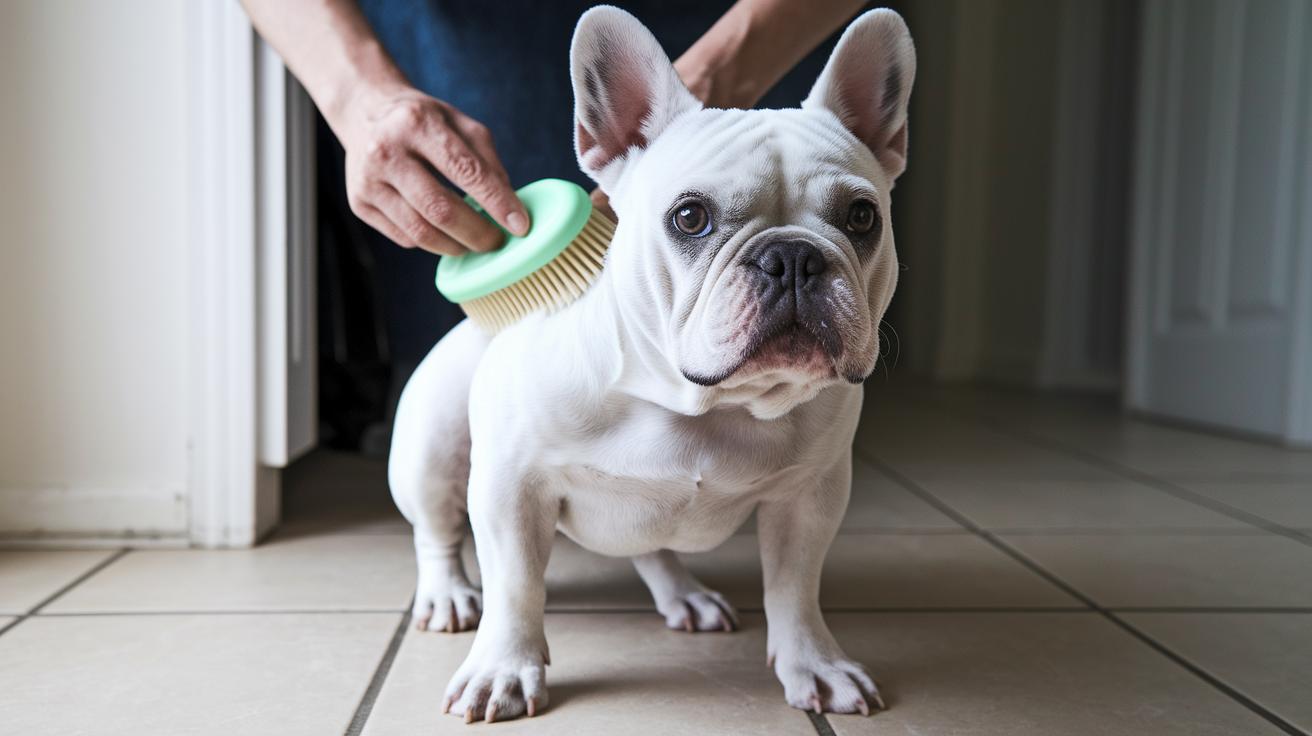
French Bulldogs need a bit of extra grooming love. Brushing your pet every week helps control shedding and keeps their coat healthy. It’s also a great time to spot any lumps or skin issues that might need attention.
Checking your dog every day is key to keeping infections away. Gently wipe their facial folds with a damp cloth or a wipe approved by your vet. This simple step stops bacteria from building up and keeps your Frenchie comfy.
Regular nail trims, ear checks, and brushing your pet's teeth are also important. Overgrown nails can make walking painful, so keeping them short is a must. Clean ears help avoid complications, and brushing teeth can prevent dental problems down the line.
A balanced diet helps prevent obesity. Keep an eye on calorie intake and adjust meals as needed. Short daily walks work well for their low to medium energy, giving them enough exercise without overdoing it. Just be sure to avoid hot or humid weather, keeping your Frenchie cool and safe.
Following these routines not only improves your pet’s quality of life but also keeps them healthier longer. It’s all about small, daily efforts that make a big difference in your French Bulldog’s overall well-being.
Training, Socialization, and Lifestyle Adaptation for French Bulldogs
Train your French Bulldog with a steady routine and plenty of treats. Try using a reward system to guide your Frenchie. For example, say "sit" and give a treat right after they obey. This simple method helps ease their stubborn moments and builds trust.
Start socializing your puppy early. Introduce them to other dogs and even cats so they learn to interact well. Early exposure helps create a friendly nature that works great in pet-friendly homes.
Housebreaking becomes easier with crate training and a regular outdoor schedule. Always take your Frenchie out after meals and naps so they learn the routine. A set daily plan makes them feel secure and know what to expect.
Even though French Bulldogs have moderate energy, they still need mental challenges to avoid boredom. Short training sessions and puzzle toys work well to keep their minds active. For exercise, short, controlled play sessions fit well in apartments or small outdoor spaces. In hot weather, avoid long leash walks since heat can make breathing tough.
Some practical tips include:
- Use rewards during training sessions
- Socialize your puppy with other pets early
- Employ crate training with a fixed routine for housebreaking
- Add puzzle toys to keep their mind engaged
When you tailor daily routines to fit their needs, French Bulldogs adjust quickly to life in apartments or busy family homes.
Adoption, Cost, and Responsible Ownership of French Bulldog Breed

French Bulldog puppies usually cost several thousand dollars. The price depends on things like where you live, the puppy's coat color, and how well-known the breeder is. A Frenchie from a trusted breeder will come with health records showing important tests like knee cap, hip, heart, and eye exams. These tests can help lower future vet bills. One owner even said that buying from a breeder with full health screenings saved them from unexpected expenses later on.
The cost of a French Bulldog goes beyond the purchase price. You will also need to pay for vaccines, spaying or neutering, and regular vet visits. It can help to get pet insurance for problems that are common in this breed, like breathing or skin issues. Keeping track of these extra costs gives you a better idea of what ownership truly means.
Another option to consider is rescuing a French Bulldog. Many rescue groups work specifically with this breed and include vaccines and early vet visits in their rehoming fee. Rescue centers can be a more affordable and ethical choice.
Key points to keep in mind:
- French Bulldog puppies typically cost several thousand dollars, with prices varying by location and genetics.
- Other costs include vaccines, spay/neuter surgery, routine vet visits, and pet insurance.
- Look for breeders who complete full health tests for the best long-term care.
- Rescue centers might offer lower fees while still providing important initial care.
Before deciding, think about both the financial and ethical parts of owning a French Bulldog. This careful planning helps ensure you and your new pet enjoy a happy, healthy life together.
Final Words
In the action, this guide walked through every detail of the french bull dog breed. We looked at its rich history, unique physical traits, and lovable temperament. Clear tips on care routines, training, and health concerns were shared to help pet parents feel confident. The post also touched on responsible ownership and financial aspects to ensure happy, safe lives for these charming companions. Armed with practical advice, you’re now ready to provide excellent care and enjoy a wonderful life with your furry friend.
FAQ
Are French Bulldogs the worst?
The idea that French Bulldogs are the worst is unfounded. French Bulldogs are cherished for their loving nature, playful demeanor, and ability to adapt well to family living when given proper care.
What is the French Bulldog price?
The French Bulldog price typically means several thousand dollars for a puppy, with additional costs for regular vet care, vaccinations, and special health screenings often factored into overall ownership costs.
What is a French Terrier or French Terrier breeds?
The term French Terrier is sometimes mistakenly used instead of French Bulldog, which is a distinct breed known for its unique appearance and temperament. No officially recognized breed called the French Terrier exists.
How did French Bulldogs 100 years ago differ from today’s version?
French Bulldogs 100 years ago originated from smaller English bulldogs bred by lacemakers. Over the years, selective breeding has refined their appearance and temperament, making modern French Bulldogs well-loved companion dogs.
How do English Bulldogs and other Bulldog breeds compare to French Bulldogs?
English Bulldogs and other Bulldog breeds have sturdy builds and unique traits. In contrast, French Bulldogs are more compact with bat ears and looser skin folds, each offering a different set of characteristics for pet owners.
What two breeds make a French Bulldog?
The two breeds that influenced the French Bulldog are the smaller version of the English Bulldog bred by lacemakers and additional terrier influences, resulting in the compact and affectionate French Bulldog we see today.
Why are French Bulldogs so expensive?
French Bulldogs are expensive due to high demand, specialized breeding practices, and their need for regular health screenings. Their cost also reflects the care required to manage breed-specific health issues.
Are French Bulldogs good family dogs?
French Bulldogs are good family dogs because they form strong bonds with family members, are friendly, and adapt well to various living situations, making them ideal companions for many households.
What should you avoid doing with a French Bulldog?
You should avoid subjecting your French Bulldog to high heat or strenuous exercise. They require gentle care, short controlled walks, and a cool environment to protect their brachycephalic (short-nosed) health.