



Have you ever wondered if a dog's speed can match that of a cheetah? Many pet parents are surprised to learn that some breeds run really fast. For example, Greyhounds can sprint up to 45 mph (72 km/h) with amazing power and smooth grace. In this article, we explain why the Greyhound is so special. Read on to see how this speedy dog mixes style with strength, winning over racing fans and pet lovers alike.
Greyhound: The Speed King Among Dog Breeds
Greyhounds are the fastest dogs in the world. They can run up to 45 mph (72 km/h), which is more than twice the speed of many other dogs that run about 20 mph (32 km/h). Their slim body and smooth shape help them zip through the air.
Their design is perfect for running. Strong back legs give them quick bursts of speed, and their long, lean legs work with a flexible back so each step is both smooth and powerful. This makes them the top champions of speed.
Greyhounds are not just fast, they also move with style and strength. Pet lovers and race fans both admire the way they run. Whether at a casual run or on a race track, their stride shows determination and grace.
For anyone looking for a lively, elegant friend, the Greyhound is a top choice.
Top 10 Fastest Dog Breeds by Speed in MPH

Dogs made for speed mix energetic spirit with smooth movement. Their speeds often run nearly twice as fast as most breeds. For example, the Jack Russell Terrier can run up to 38 mph even though it is small, almost like a little car on paws! Check out the table below for a quick side-by-side look at these speedy breeds.
We gathered these speeds from several tests. Each breed's top speed is measured in miles per hour (mph). These numbers show that a lean body and flexible spine help a dog move from an easy stroll to an impressive sprint. For busy pet owners and dog lovers, these figures tell more than a story of numbers, they show the lively character of each breed.
Fast dogs are not always the big ones. Some breeds, like the Jack Russell Terrier, combine a small frame with surprising quickness. Others, like the Saluki and Sloughi, run with a graceful power that makes them look like athletes. These breeds do best when they get regular exercise to stay strong and happy.
| Breed | Top Speed (mph) |
|---|---|
| Saluki | 42 |
| Sloughi | 42 |
| Afghan Hound | 40 |
| Vizsla | 40 |
| Ibizan Hound | 40 |
| Jack Russell Terrier | 38 |
| Dalmatian | 37 |
| Borzoi | 35 |
| Whippet | 35 |
| Weimaraner | 35 |
Anatomy and Traits Driving Canine Speed
A dog's body shape is key to its speed. A slim frame, deep chest, long legs, and a flexible spine help a dog push off the ground with more force. Think of a dancer leaping gracefully. Every muscle works together to help the dog move fast and smoothly.
A dog's attitude is important too. Many speedy breeds have a strong prey instinct and lots of energy. This drive helps them stay alert and make quick decisions, like a runner hearing the start signal. Quick reactions and a strong body work together to create a thrilling run.
| Feature | Benefit |
|---|---|
| Slim build | Makes movement smooth and fast |
| Deep chest | Improves air intake and lung power |
| Long legs | Allows long strides |
| Flexible spine | Helps in smooth turns and body twists |
| Fast-twitch muscles | Boost quick acceleration |
| Narrow head and neck | Reduces wind drag at high speeds |
Together, these physical features and a driven mindset make a dog a powerful racer. When you watch a race-ready dog, you see the perfect blend of body and spirit working as one to achieve impressive speed.
Record-Breaking Dogs and Notable Speed Performances
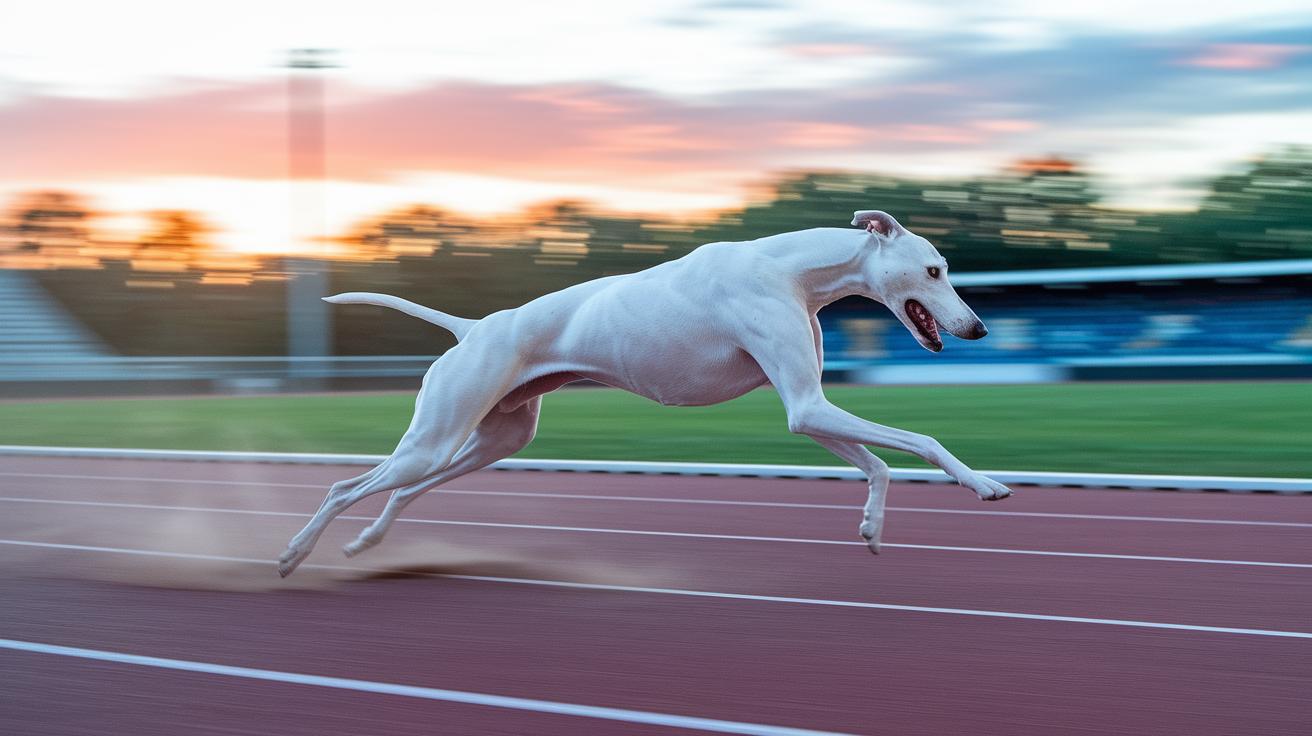
In the world of speedy dogs, one Whippet really stands out. Revenant, a lively Whippet, zoomed to 35.65 mph (57 km/h) in just 5.7 seconds during a 2024 sprint event in the US. This amazing run shows how Whippets mix quick moves with strong power, with every muscle working perfectly for that burst of speed.
Another impressive dog is a German Shepherd named Duska. In a controlled test, Duska hit 31.37 mph (50 km/h), proving that this breed can deliver a fast burst of energy too. We usually think of German Shepherds as smart and versatile, but Duska’s performance reminds us that they can be quick on their feet as well.
Greyhounds remain the top speed champions, reaching up to 45 mph (72 km/h). Their sleek bodies and strong back legs make them natural racers. These results, from Whippets and German Shepherds testing their limits to Greyhounds showing off pure, natural speed, give pet owners a clear look at how uniquely talented each breed can be.
Conditioning and Nutrition for High-Velocity Hounds
Sprint-interval training helps your dog build quick, strong muscles. It means doing short bursts of running followed by a brief rest, much like a sprinter on a track. Try a short sprint, then give your dog time to catch its breath. This keeps muscles active while preventing overwork.
A diet rich in lean proteins, such as chicken, fish, or turkey, plays a big role in muscle repair and energy. Think of it as fueling your high-speed dog with premium gas, supporting both muscle growth and recovery. Balanced meals with vitamins and minerals make a real difference after tough workouts.
A proper warm-up and cool-down are key to keeping your dog safe from injury. Start with gentle stretches or a short walk to get the muscles ready. After exercising, let your dog cool down with quiet movements to ease stiffness, it’s like letting a car cool off after a fast ride.
Always offer water breaks during and after high-intensity play. Keeping your dog well-hydrated helps maintain energy and aids recovery every step of the way.
Selecting Your High-Velocity Companion: Lifestyle and Health Considerations
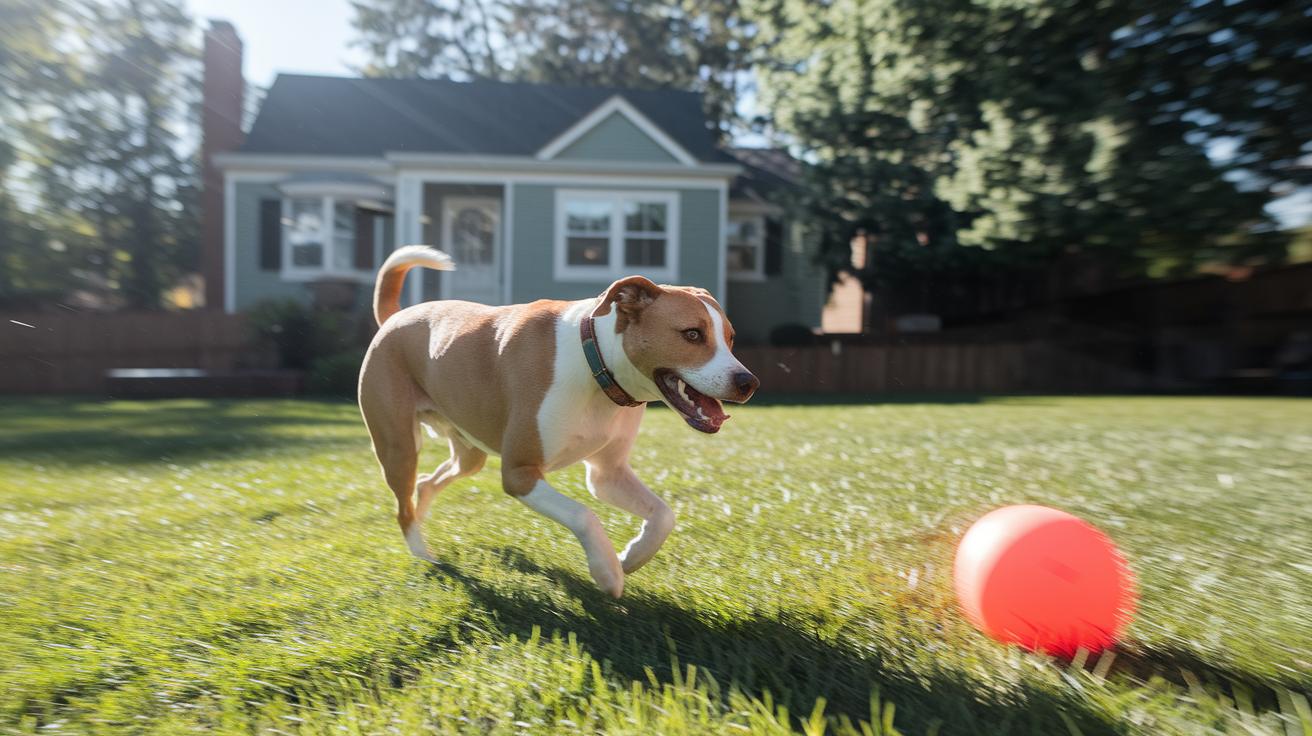
High-speed dogs need plenty of daily exercise and brain work. They are full of energy and may get distracted if they don't get regular training to stay focused. Every day, they benefit from a mix of running, playful activities, and challenges that keep their minds active. Think of a dog that dashes to catch a ball at every chance, this kind of pup is best for families that lead active lives.
Where you live matters too. A big yard or safe, open space gives these dogs the room they need to perform at their best. If you have a smaller space, you can still do well if you commit to long walks or frequent trips to the park. Also, consider your daily routine; a busy schedule might make it hard to offer the daily exercise these dogs require.
Remember, all that running can put strain on a dog's joints. Regular vet visits and a balanced diet filled with nutrients for joint health are important to keep your dog feeling good. Matching your lifestyle with a high-energy dog helps both you and your companion stay happy and active.
For more tips on picking the right breed, explore the dog breed list.
Final Words
In the action, we explored how Greyhounds top the list by reaching 45 mph and broke down what makes their bodies built for speed.
We reviewed a table of ten breeds so you can see how each stacks up. We also shared tips on training, diet, and home care to keep these dynamic dogs performing their best.
Remember, choosing the fastest dog breed means matching energy levels with proper care and attention. Enjoy every sprint and happy pet parenting!
FAQ
What are the top fastest dog breeds?
What dog breed is considered the fastest?
How fast can the fastest dog breed run in km/h?
Which is faster, a Whippet or a Greyhound?
What is the second fastest dog breed?