

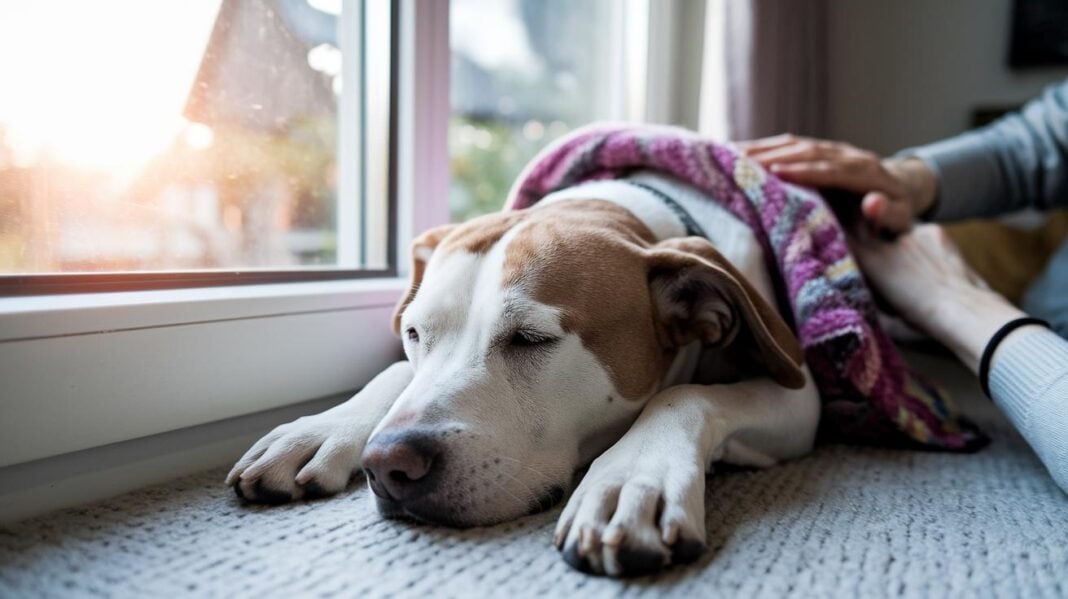

Have you noticed your dog struggling to breathe even while resting? Labored breathing is not just about being hot or excited. It can be a sign that your pet is working hard to get enough air, which may point to an underlying problem. Look out for clues like open-mouth breathing or gums that seem blue. These signs should be taken seriously because they might mean your furry friend is facing a serious health issue. In this post, we explain the common signs of breathing trouble and share possible causes so you know when to seek help.
Identifying Signs of Labored Breathing in Dogs
If your dog is having a hard time breathing, it may be more than just normal panting after play. This is called dyspnea, which means breathing trouble even when your pet is resting. Fast and shallow breathing during exercise, known as tachypnea, is not the same thing. So, if you spot open-mouth breathing or long bouts of panting when your dog is at rest, it's a sign something might be wrong.
Watch for these key signals:
- Open-mouth breathing during quiet times.
- Panting that lasts even when your dog is resting.
- Noticeable effort in the chest or belly, as if your dog is really working hard to breathe.
- Blue-tinged gums (this means low oxygen in the blood).
For example, you might notice one quiet afternoon that your usually calm dog is breathing quickly and almost gasping for air. This small change can be a big clue that your pet needs help. Compare what you see with your dog's usual breathing, and if you notice any of these signs, call your vet right away.
Common Underlying Causes of Breathing Problems in Dogs
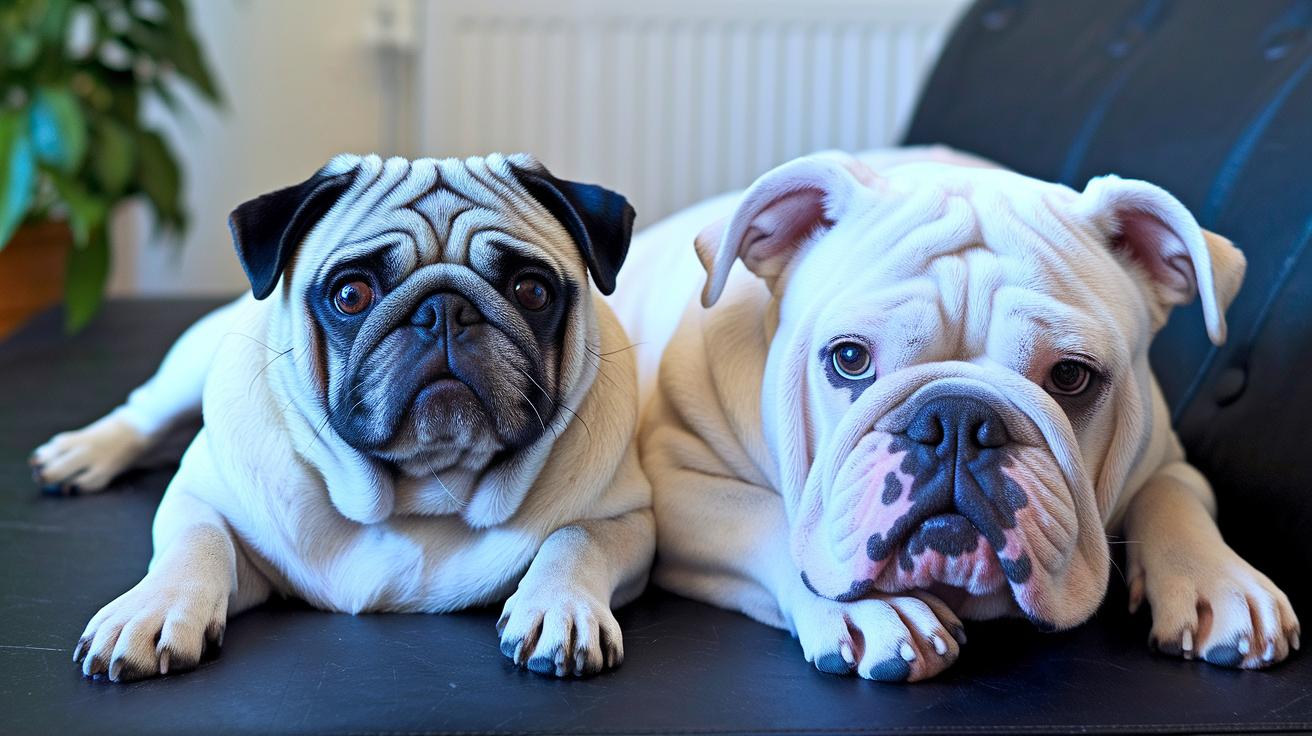
Many dogs have trouble breathing due to various health issues and traits seen in certain breeds. One key reason is brachycephalic airway syndrome (a condition common in dogs with short noses). Bulldogs, Pugs, and Shih Tzus often show this problem. Their short noses create narrow nostrils, and they may also have a long soft palate, turned-out laryngeal sacs, and a small windpipe. These traits make it hard for air to flow easily. For example, if a Pug struggles to breathe even when resting, it might have a blocked airway.
Lung infections can also cause ongoing breathing problems. Kennel cough (an infection from Bordetella bacteria) and pneumonia (an infection that can be bacterial, viral, or fungal) lead to swollen lung tissues. This swelling can cause fluid build-up, which makes it hard for dogs to get enough oxygen. You might notice fast, shallow breaths and a persistent cough.
Heart problems can contribute as well. When heart disease leads to fluid in the lungs (called cardiac-related pulmonary edema), breathing gets even harder. Allergies from pollen or dust mites can also inflame the airways, causing further swelling and making normal breathing a challenge.
Other issues like inhaled objects, injuries, or tumors might block a dog’s airways. These problems can quickly interrupt the natural flow of air, leading to sudden or longer-lasting breathing troubles.
It is important for pet owners to note even small changes in their dog’s breathing or behavior. A brief observation during daily routines can prompt a visit to the vet and help prevent the problem from getting worse. Act fast whenever you notice something different.
Veterinary Diagnosis and Emergency Intervention for Canine Respiratory Distress
If your dog has trouble breathing or its gums turn blue, it might be more than just heavy panting. These signs mean your pet could be in real danger, so it needs to see a vet right away. If you notice your dog struggling to breathe even when resting, or if you see a blue tint on the gums and tongue (a condition called cyanosis), it is a clear call for emergency help. Spotting these red flags early can truly save your dog's life.
Vets use various tests to figure out what is causing the problem. They might take chest x-rays to check for blockages or fluid in the lungs. They also often run a blood test to measure oxygen and carbon dioxide levels (this is known as arterial blood gas analysis) and do a complete blood count to look for infection or inflammation. Sometimes, the vet may use a CT scan or MRI to get a detailed look at your dog's airways.
At the clinic, the first goal is to keep your dog stable and supported. The vet often starts by giving oxygen to help ease the breathing. If the situation is very serious, a machine may be used to help your dog breathe. They also give fluids through an IV and may use a sedative (a calming medicine) to reduce stress during treatment.
Remember, many clinics offer 24/7 emergency care, so help is always available. Always keep a close eye on your dog's breathing, and if you notice any sudden changes, don't wait to get help.
Conventional Treatments and Long-Term Management of Respiratory Disorders in Dogs
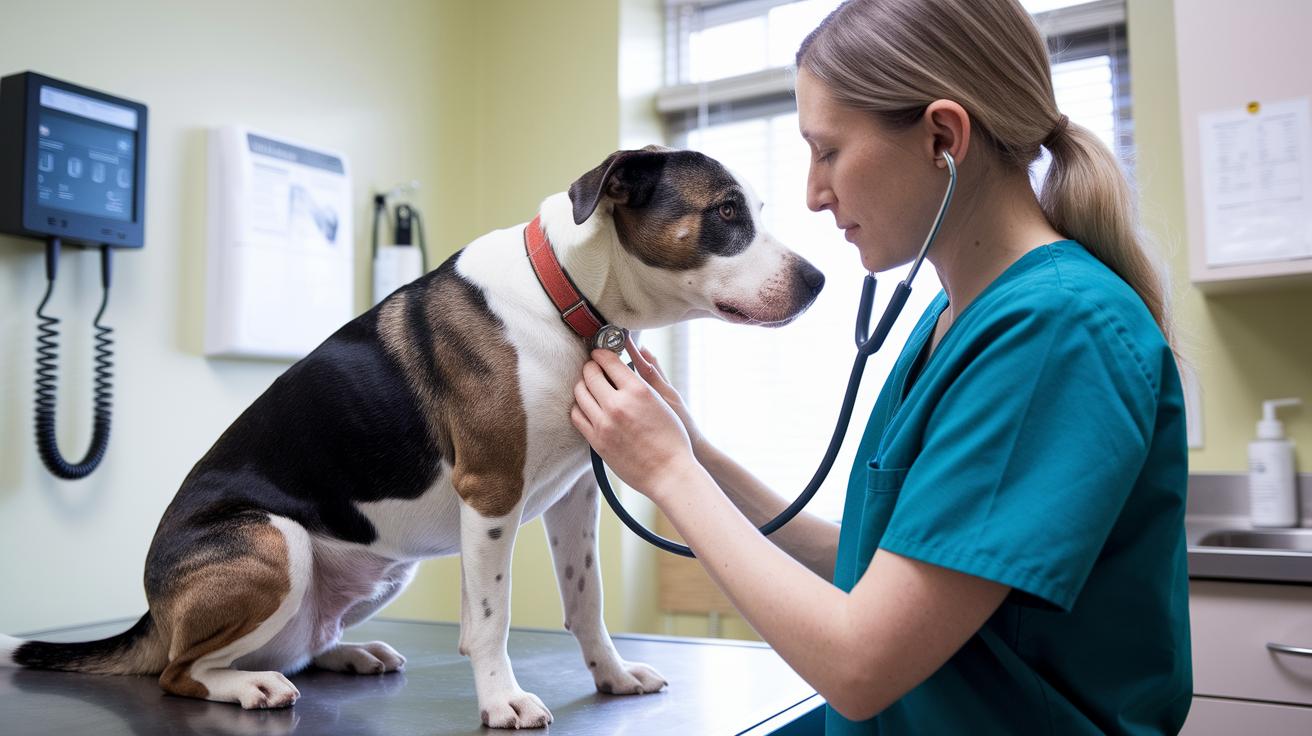
Veterinary care for a dog's breathing problems starts with checking how your pet breathes. Vets often use medications such as antibiotics for infections, bronchodilators (drugs that widen tight airways), corticosteroids (to ease swelling), and cough suppressants to lessen throat irritation. For example, a dog recovering from a lung infection might need this mix to help clear its airways and reduce swelling.
Sometimes surgery is needed for dogs with breathing issues caused by their anatomy. Breeds like Bulldogs, Pugs, and Shih Tzus may undergo procedures like widening the nostrils or trimming the soft palate to open up their airways. These surgeries can ease long-term breathing struggles and let your dog breathe more easily.
Respiratory therapies also play an important role. Nebulizer therapy turns saline or medicated solutions into a mist that helps clear mucus from the lungs and soothe irritated airways. In some cases, vets might also suggest home oxygen treatments to support your dog during flare-ups or recovery.
Long-term care includes regular checkups to monitor lung function and catch any problems early. Frequent vet visits help adjust treatments when needed. Keeping up with vaccinations also helps prevent secondary infections that could make breathing issues worse. A dedicated routine at home combined with professional care can keep your dog comfortable and healthier for the long run.
dogs with breathing problems: Breathe Easy Now
When your dog struggles with breathing, a cozy home makes a big difference. Keeping your pet at a healthy weight takes stress off their airways and helps them breathe easier.
Simple tweaks around the house can really help, too. For example, using an air purifier cleans the air and takes away dust and other irritants. Also, try to keep the indoor humidity between 40% and 60% so the air stays moist without being too wet. If your living room feels dry during winter, a safe-setting humidifier might be the answer.
It's important to get rid of things that could bother your dog's breathing. Remove smoke, strong scents, and common allergens from your home. You can also adjust your dog’s exercise routine, short, gentle walks during cooler times of the day help prevent overheating and tiredness.
Another tip is to make your pet’s resting spot more comfortable. An elevated or orthopedic bed that keeps their head slightly raised can improve airflow and ease breathing.
- Keep your dog at a healthy weight.
- Use air purifiers and manage indoor humidity.
- Eliminate irritants like smoke and strong scents.
- Choose short, gentle walks in cool weather.
- Provide an elevated bed to help with breathing.
Adjunct and Complementary Therapies for Canine Breathlessness
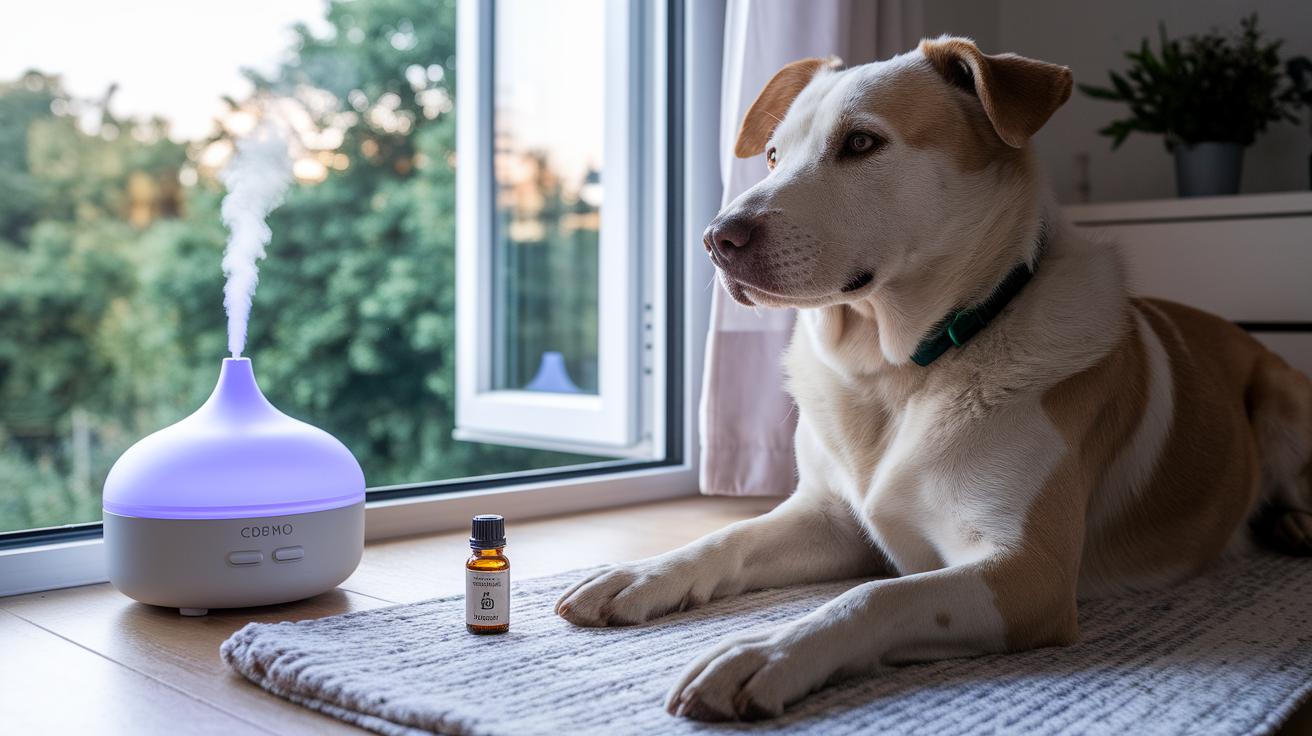
Many pet parents have discovered that gentle, natural therapies can help a dog with mild breathing troubles when used along with regular vet care. One idea is to use safe essential oils such as eucalyptus or lavender. Try diffusing them in a room with plenty of fresh air and using the right pet-safe dilutions. The gentle aroma might help your dog breathe more smoothly.
Herbal supplements are another option. For example, mullein (an herb known for its calming effect on airways) and licorice root can be given in small amounts to ease breathing. Some owners also add CBD oil, which might help reduce inflammation in the lungs.
A light acupressure massage on certain spots of your dog's body may also help relax the muscles around the chest, making breathing easier.
Always talk with your veterinarian before adding any of these therapies. This helps make sure the treatment is safe, the dose is right, and it won’t mix badly with other treatments your dog may be getting.
Special Considerations for Senior Dogs with Chronic Breathing Issues
Older dogs can have a harder time breathing because their lungs lose some flexibility and they may have heart problems. Changes in how your pet breathes, like slightly louder or more effortful breaths when resting, could be early signs of ongoing breathing issues.
Sometimes, senior dogs experience reverse sneezing. This is when they make quick snorting sounds because of mild airway irritation or excitement. If you see your dog doing this, try to calm the situation and gently massage their neck.
Here are some steps to help your senior dog:
- Go for short, gentle walks during cool parts of the day.
- Feed them a weight-control diet that includes omega-3 fatty acids (good fats for heart and lung health).
- Schedule more frequent vet visits to catch any changes early.
By keeping a close eye on your pet and making small changes in their routine, you can help them stay comfortable and manage their breathing issues more effectively.
Final Words
In the action, this post breaks down key signs of labored breathing in dogs and how to tell normal panting from distress. It reviews common causes, explains emergency steps, and details treatments from conventional medications to home care tips. Practical advice on preventing issues and improving comfort for pets is also shared. Keeping a close eye on dogs with breathing problems can make a real difference. Stay positive and take small steps for your pet’s health every day.
FAQ
Q: What issues do small dogs with breathing problems face?
A: Questions about small dogs with breathing problems show that these pets may pant rapidly, gasp, or have trouble catching their breath, which can stem from infections or anatomical issues and needs prompt vet advice.
Q: How do older dogs present with breathing problems?
A: Questions regarding older dogs with breathing problems indicate that aging dogs may show signs of reduced lung function and heart issues, making regular checkups crucial for managing their breathing.
Q: What does it mean when a dog is breathing and weird gasping?
A: Questions about dog breathing and weird gasping suggest that unusual gasping can be a sign of respiratory distress or blockage, and a visit to the vet is necessary for proper care.
Q: What home remedies exist for dog difficulty breathing?
A: Questions about home remedies for dog difficulty breathing reveal that while a calm environment and clean air may help, these measures are only supportive. A vet’s guidance is essential for addressing underlying causes.
Q: What treatments are available for dogs with breathing problems?
A: Questions about dogs with breathing problems treatment show that options include medications, oxygen therapy, and sometimes surgery, depending on the underlying cause diagnosed by a veterinarian.
Q: What symptoms indicate that a dog has breathing problems?
A: Questions discussing dogs with breathing problems symptoms reveal signs such as open-mouth breathing at rest, rapid respiratory rates, and blue-tinged gums. Early detection helps in seeking timely veterinary care.
Q: How can one help a dog with breathing problems?
A: Questions on how to help dogs with breathing problems suggest providing a calm, well-ventilated space, monitoring their breathing, and contacting a veterinarian immediately if symptoms worsen.
Q: Which dog breeds often experience breathing problems?
A: Questions about dogs with breathing problems breed indicate that brachycephalic breeds like Bulldogs, Pugs, and Shih Tzus commonly experience airway challenges due to their facial structure and require careful monitoring.
Q: What is the most common cause of shortness of breath in dogs?
A: Questions on the common causes of shortness of breath point to factors like respiratory infections, heart disease, and airway blockages, each needing a vet evaluation for accurate diagnosis.
Q: What should I do when my dog has breathing problems?
A: Questions about what to do when a dog has breathing problems advise that pet owners should watch for signs like blue gums or distress, reduce stress, and contact a vet immediately for a proper diagnosis.
Q: What medication is used for breathlessness in dogs?
A: Questions regarding medication for breathlessness indicate that veterinary professionals may use bronchodilators, corticosteroids, or cough suppressants, with the specific treatment determined by the dog’s diagnosis.