

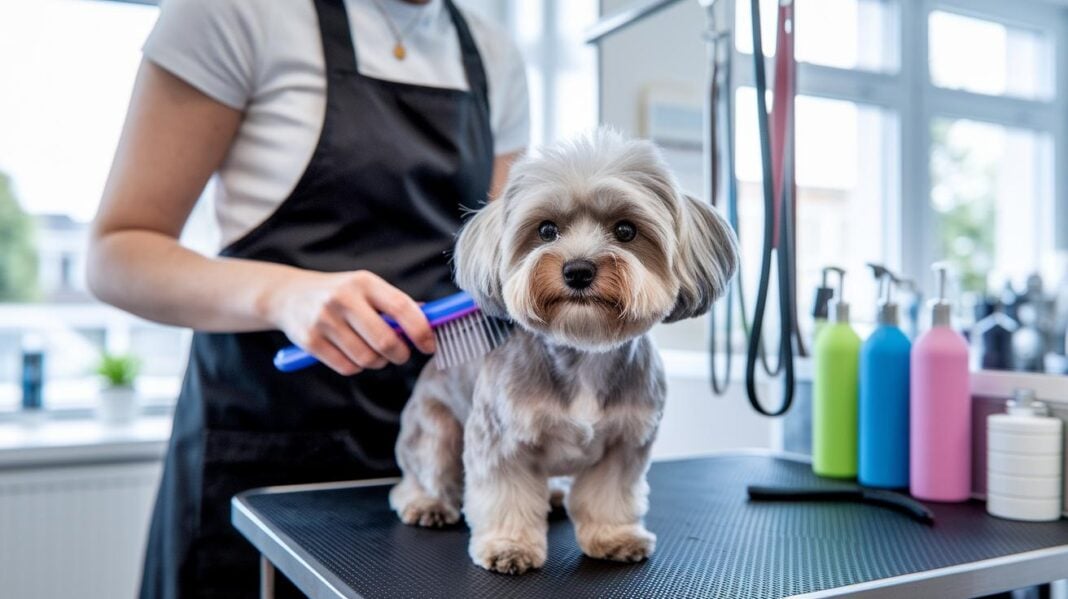

Have you ever thought about making your dog's grooming routine easier and more fun? Picture turning a stressful bath into a peaceful bonding time while your pup ends up looking neat and cared for. This guide shows simple, at-home tips, from brushing and bathing to nail trimming, that make grooming a breeze. We break each step down so you can keep your furry friend comfortable and looking great. Get ready to enjoy smooth grooming sessions for both you and your dog.
Comprehensive At-Home Dog Grooming Tips

Gather your tools first. You’ll need a slicker brush, nail clippers, dog shampoo, a non-slip mat, and grooming scissors. This helps make your grooming session go smoothly.
Brush your dog well at least once a week. This removes tangles, mats, and loose hair. Usually, short-haired dogs need grooming every 4 to 6 weeks while long-haired dogs might need it every 2 to 4 weeks.
Next, give your dog a bath with lukewarm water (not too hot, not too cold). Wet your dog slowly using a cup or a handheld showerhead. Then, work the dog shampoo into a lather starting at the neck and moving backward. Be careful around the face, ears, and private areas. Rinse off the shampoo completely to prevent any skin irritation.
Drying your dog is just as important. Use a towel or a low-heat blow dryer held at a safe distance. This step helps prevent the hair from matting and keeps your home cleaner.
When it’s time to trim the nails, use professional dog nail clippers. Cut at a 45-degree angle and stop before you see the quick (the pink part inside the nail) to avoid hurting your pup.
For cleaning the ears, gently wipe the inner part with a cotton ball dampened with warm water or sterile saline (saltwater). You can also wipe around the eyes to remove tear stains. Finally, tidy up the coat with scissors or clippers, following the natural direction of the hair.
Remember, a calm and confident approach is key. If your dog is nervous, start with short sessions and give plenty of praise and rewards. Little, consistent steps make grooming a relaxed and stress-free routine.
Essential Dog Grooming Tools for Home Maintenance

Putting together a home grooming kit makes your dog feel great and keeps them looking their best. Start with a slicker brush that helps remove tangles and loose hair, just like smoothing out a shaggy coat before a walk. A bristle brush comes next to add extra shine. A strong metal comb works well to gently untangle any stubborn knots.
Grooming scissors are perfect for carefully trimming around the ears and paws. Dog nail clippers made for a precise 45° cut keep nails neat without hurting your pet. Use dog shampoo and conditioner to clean and care for their coat without taking away natural oils. An ear cleaner helps keep debris and infections away, and a dog-safe toothbrush with special toothpaste takes care of dental health.
To keep things safe during baths, use a non-slip grooming mat or towel so your dog won’t slip. Finally, a low-heat blow dryer dries the coat quickly while keeping your pup comfortable.
| Tool | Purpose |
|---|---|
| Slicker Brush | Removes tangles and loose hair |
| Bristle Brush | Makes the coat shiny and smooth |
| Metal Comb | Gently untangles knots |
| Grooming Scissors | Trims around ears and paws |
| Professional Dog Nail Clippers | Safely trims nails at a 45° angle |
| Dog Shampoo & Conditioner | Cleans and protects the coat |
| Ear Cleaner | Helps prevent ear infections |
| Toothbrush & Dog-Safe Toothpaste | Keeps teeth clean and healthy |
| Non-slip Grooming Mat | Stops slipping during baths |
| Low-heat Blow Dryer | Dries the coat quickly and safely |
Effective Brushing Techniques and Coat Maintenance

Start by choosing the right brush for your dog. If your pup has long hair, use a slicker brush that gently loosens tangles and removes stray hair. For dogs with short fur, a bristle brush works well to add shine and smooth the coat.
Brush from the root to the tip to break up any knots. Once you’ve untangled most of the fur, use a comb to finish the job and smooth everything out.
A weekly brushing routine does more than keep your dog looking neat. It spreads natural oils that help keep the coat healthy and reduces shedding. A calm spot and slow, gentle strokes will help your pup stay relaxed during grooming.
- Brush in long, steady strokes from the roots to the tips.
- Start at the head and move toward the tail.
- Use small, careful motions for any tangles.
- Check often for tight mats and gently work them out.
- Follow up with a comb to perfect the look.
Regular brushing is a simple way to keep your dog’s coat in top shape and even catch early signs of skin issues. Plus, it’s a great chance to enjoy some special time with your furry friend.
Home Bathing Advice: Optimal Shampoo and Drying Methods

Start by setting up a safe bath area. Place a rubber mat in the tub or basin and fill it with warm water (85°F to 95°F or 29°C to 35°C). This keeps your pup comfortable and helps stop slips.
- Prepare the space: Lay down your non-slip mat and fill the tub with lukewarm water. Having your supplies ready means you can focus on your pet without interruptions.
- Wet your dog: Use a handheld shower head or a cup to gently pour water all over, from head to toe. Keeping the water at a steady warm temperature helps your dog relax.
- Shampoo: Squirt a small amount of dog shampoo onto your hand or directly onto your pet's fur. Work from the neck down toward the tail, and steer clear of the face, ears, and private areas.
- Rinse completely: Rinse with plenty of lukewarm water to wash away all the shampoo. This prevents any leftover soap from irritating the skin.
- Condition if needed: If a conditioner suits your dog's coat, apply it evenly. Let it sit as directed to soften the fur before rinsing it off.
- Dry your pet: Gently pat your dog dry with a soft towel. Should you use a blow dryer, stick to a low heat setting and keep the dryer at a safe distance to avoid burns and tangling the fur.
Safe Nail Clipping Instructions for Dogs

Use a pair of good-quality dog nail clippers or a nail grinder to trim your dog's nails at a 45° angle. This cut naturally shapes the nail, avoids rough edges, and keeps your pet at ease. Be sure to stop before you reach the quick (the pink area in the nail that has blood vessels). With light-colored nails, you can see the quick easily. For dark nails, trim very little at a time until you see a lighter edge, which tells you you're close to the quick.
A simple cue like "paw" can help you work with your dog. Say "paw," hold the paw gently, and then trim one nail. Reward your dog with kind words or a treat after each nail. Repeat every 4–6 weeks to keep your pet's nails healthy.
Keep some styptic powder nearby in case you notice a little bleeding. This step-by-step method makes nail trimming safe and calm for both you and your furry friend.
Ear Cleaning and Facial Care Recommendations
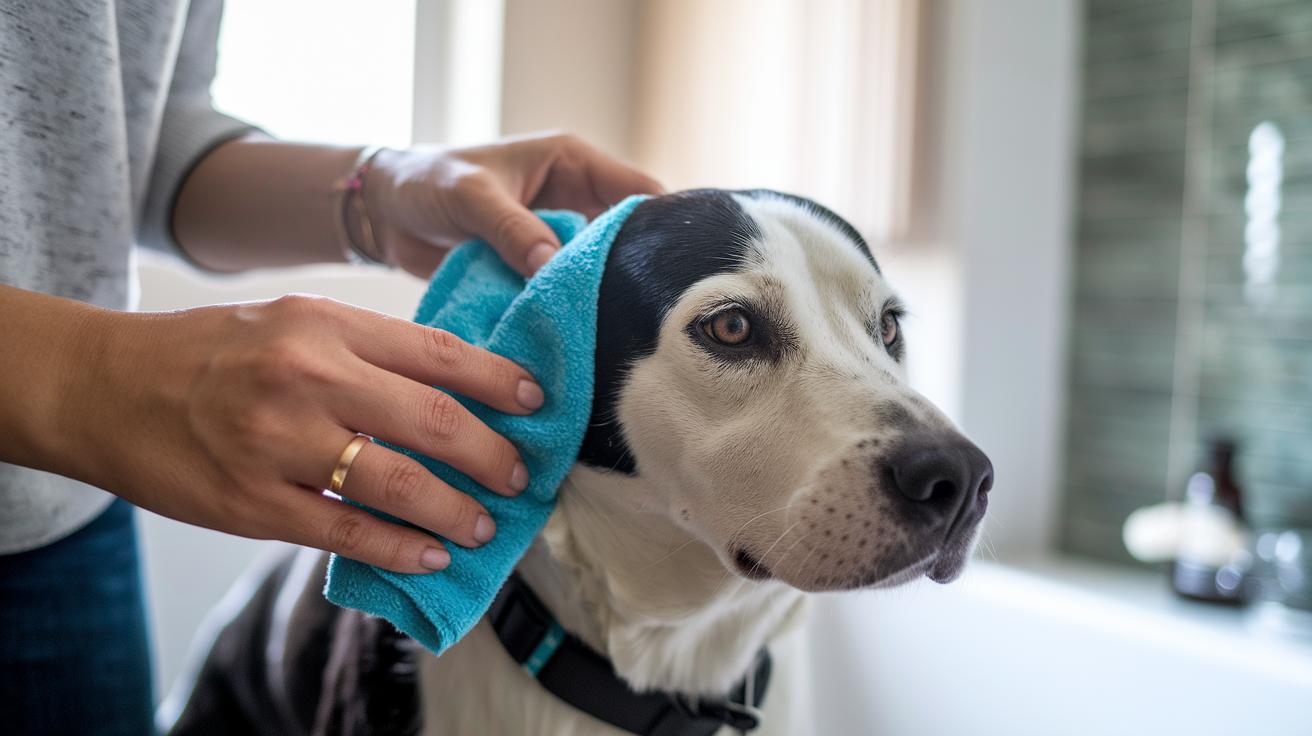
Keep your dog's ears and face neat with an easy routine. Moisten a soft cotton ball with warm water or sterile saline (a safe cleaning solution) and gently clean inside the ear. Do not use a cotton swab because it might push dirt further in or hurt your dog's sensitive ear. Stick to this routine once a week to avoid discomfort.
For the face, lightly wipe around the eyes with a damp cloth. Focus on the tear stain area, whiskers, and muzzle. Apply gentle pressure to clean without hurting the skin. Think of it like smoothing out a favorite pet blanket.
Make sure the setting is calm during these sessions. A relaxed environment helps your dog feel safe and cooperative. Reward your pup with a treat or kind words after each step. Taking your time and celebrating small wins builds trust and keeps grooming a positive experience.
Hands-On Hair Trimming and Clipper Handling

When you start your home trim, choose the right clipper guards. Use a #3 guard (a standard clipper attachment) on the body for an even cut that removes extra fur. For the area above the hips and around the tail, swap to a #2 guard to keep the top edge level. By using the right set of guards, you'll leave your pet with a neat and balanced look.
Begin trimming in the direction of the hair growth. Grip the clippers tightly and move them in smooth, even strokes along your pet’s coat. You might need to go over the same area more than once to get a consistent length. A good tip is to start at the base of the fur and move to the tip. This helps prevent the clippers from pulling the hair and causing discomfort. Watch out for stray hairs and adjust your technique as needed to keep trimming safe and controlled.
After the bulk of the trimming, use a pair of grooming scissors for the finishing touches. These scissors help you blend the cut and smooth out any rough edges. When you use scissors, cut from the tip toward the root. If your pet has curly fur, lightly mist the area with water (a spray bottle works well) to make the hair easier to handle. This careful scissor work softens any hard lines from the clippers and gives your pet a polished, even appearance.
Tackling Matting and Tangled Fur at Home
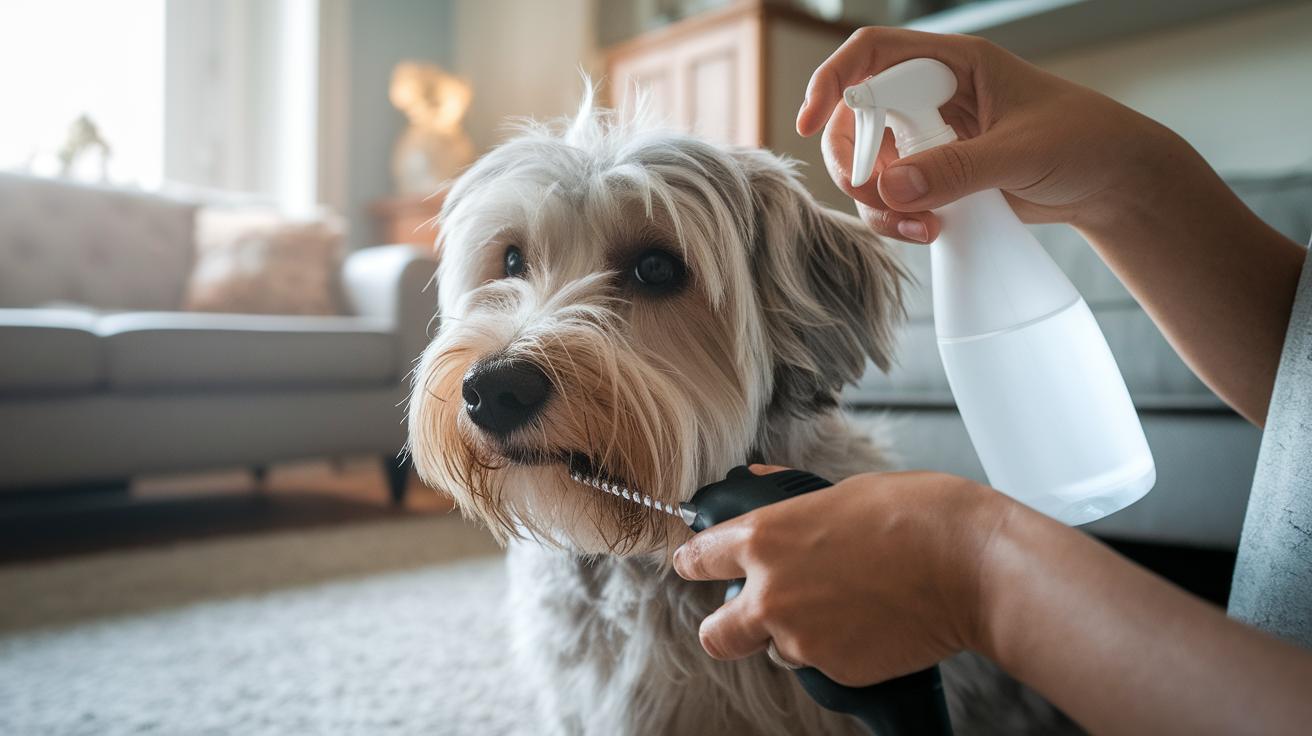
Matted fur isn’t just messy, it can be really uncomfortable for your dog and even cause skin irritation. To fix this, first give the tangled area a light mist of detangling spray or a bit of conditioner. This helps soften the fur so it’s easier to work with. Make sure to hold the hair close to your dog’s skin as you comb gently from the ends upward. This way, you can ease out the tangles without pulling too hard.
If you come across a really stubborn mat, consider using a dematting tool. This handy tool is made to snip through tight knots without cutting the skin. Take your time and work carefully, especially around sensitive parts, so your pet doesn’t feel any extra pain.
Regular brushing is also very important in keeping your dog's coat smooth and free of future tangles. When you brush, you help spread their natural oils, which keeps their fur healthy and shiny. Here’s a quick recap of what to do:
- Spray detangling solution or use a bit of conditioner to loosen the mat.
- Hold the fur near the skin while combing.
- Comb gently from the fur’s ends toward the base.
- Use a dematting tool for very stubborn knots.
- Brush regularly to stop tangles from forming.
Taking these steps not only makes grooming easier but also turns the experience into one that is less stressful for your pet. With the right tools and a gentle touch, you can keep your dog's coat looking neat and feeling comfortable every day.
Breed-Specific Dog Grooming Tips

Poodle Pampering Pointers
Poodles have naturally curly hair that needs a trim every 4 to 6 weeks to stay neat and fun. Begin by giving the coat a light spray with water to soften the fur. Next, use curved shears to trim around the face, ears, and legs so the cut looks smooth and even. Follow these simple steps:
- Spray the coat gently to soften the curls.
- Trim every 4 to 6 weeks with a light, careful touch.
- Use curved shears for rounded, even edges.
Shih Tzu Hair Care Hints
Shih Tzus have delicate features that do best with a little extra daily care. Their hair should be brushed every day with a soft bristle brush to avoid tangles and mats. Trim the hair around the eyes and ears carefully, and use a damp cloth to wipe away any tear stains. Stick to this routine to keep your Shih Tzu looking fresh and feeling comfortable:
- Brush daily using a soft brush.
- Trim carefully around the eyes and ears.
- Wipe the face with a damp cloth to remove tear stains.
Yorkshire Terrier Trim Guidelines
Yorkshire Terriers have silky, fine hair that works best with scissors-only trimming. Instead of clippers, use regular scissors and thinning shears to make smooth transitions and keep the look soft. These steps help achieve a cute, puppy-like cut:
- Use scissors for a gentle trim.
- Blend the hair with thinning shears.
- Focus on small areas like the face and ears for a soft finish.
Australian Shepherd Cut Methods
Australian Shepherds have a double coat that needs special care. Start by using a de-shedding tool on the soft undercoat to prevent clumps, then shape the top coat with scissors to give a neat look. Work in small sections to ensure an even trim throughout:
- Remove loose undercoat with a de-shedding tool.
- Shape the outer coat carefully using scissors.
- Trim in sections for an even, tidy finish.
Managing Grooming Anxiety and Ensuring Stress-Free Sessions

Dogs pick up on your feelings, so stay calm and use a soft voice during grooming. Start with a short five-minute session to help your dog feel safe and not overwhelmed. When sessions are brief, your pet learns to relax. Bring in one tool at a time to build trust and make each step feel natural. Using a quiet room with gentle music can also set a peaceful tone.
Positive reinforcement works wonders. Use simple cues like "stay" when brushing and "paw" for nail trims. Reward your dog with a small treat or a gentle pet after each step. If your dog seems extra nervous, a mild pheromone spray (a calming product that mimics natural scents) can help ease the tension. Keeping the mood light helps your dog see grooming as a safe, even fun, part of care.
Here are some quick tips:
- Keep early sessions under five minutes.
- Introduce new tools gradually while speaking softly.
- Use simple commands like "stay" for brushing and "paw" for nail trims.
- Reward each step with treats and kind words.
- Consider a gentle pheromone spray for extra calmness.
With each calm moment and clear command, your dog will see that grooming is a normal and safe part of everyday care.
Alternatives to Salon Services: Mobile and DIY Grooming Solutions
If you are a pet parent looking for more flexible grooming options than a salon, try these alternatives. Mobile grooming vans come to your home with full-service baths and special treatments. This makes it easier on busy schedules and helps pets that do not do well in a salon setting.
Self-service wash stations offer another cost-effective way to keep your pet clean at home. Some locations even have membership plans, so you can keep up with regular bathing without spending a fortune on equipment. And if you need extra help with stubborn tangles or a pet who gets nervous, mobile pet stylists can lend a hand.
There are also community grooming events and pop-up clinics that mix full baths with specialty treatments. Plus, many grooming apps now include location finders to easily spot nearby mobile units or self-service stations. This helps you choose the best option to fit your pet's needs and your busy day.
Final Words
In the action, the guide tackled what you need for successful at-home dog grooming tips. It covered setting up your tool kit, safe brushing, bathing with the right water and shampoo, careful nail clipping, and cleaning ears and face. Small breed details and stress-free techniques round out the process. These clear steps offer a dependable routine so your pup stays healthy, happy, and stress-free. Enjoy the process knowing you’re giving your dog the best care possible.
FAQ
How do beginners get started with dog grooming?
Beginners should first gather essential tools like brushes, clippers, nail trimmers, shampoo, and ear cleaner. Then, follow a simple routine that includes brushing, bathing, drying, nail clipping, ear cleaning, and rewarding your dog.
What are the 7 steps of grooming a dog?
The seven steps include brushing to remove tangles, bathing with lukewarm water, drying thoroughly, clipping nails carefully at a 45° angle, cleaning ears, wiping eyes, and finishing with scissors or clippers for neat edges.
What are common dog grooming mistakes?
Common mistakes include skipping regular brushing, using water that is too hot or cold during baths, trimming nails too short, and rough ear cleaning. These errors can cause discomfort or injury.
What is rule #1 for grooming a dog?
Rule #1 is keeping your dog calm and comfortable. Start slowly, use gentle handling and positive reinforcement, and always ensure your pet feels safe throughout the grooming process.
Where can I find a comprehensive dog grooming guide including at-home tips?
Detailed at-home grooming guides are available online and as downloadable PDFs. They offer step-by-step instructions, tool lists, and safety tips to help you maintain your dog’s coat, nails, ears, and overall hygiene.
How do I locate professional grooming services near me?
To find nearby grooming services, search online using location-based terms or pet care apps. Check reviews and ratings to select a professional service that best meets your dog’s needs.