

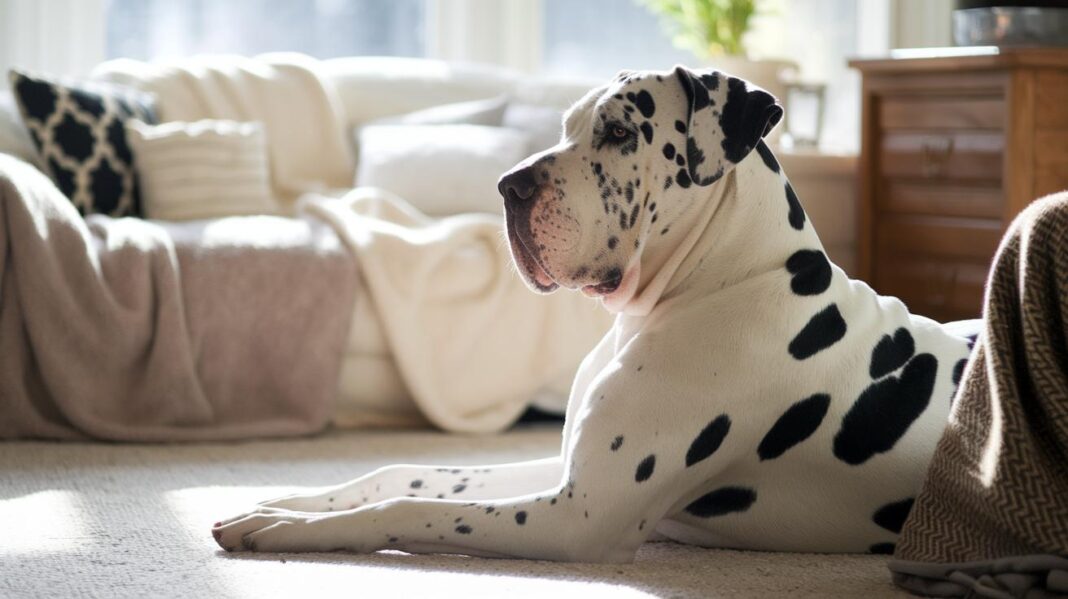

Have you ever met a gentle giant who might surprise you with a warm hug? Great Danes mix a big, strong look with a calm and friendly nature that wins everyone over. They may seem tough, but they are full of playful love. In this post, we explore what makes Great Danes so sweet and healthy. We'll share a bit about their history, how to care for them, and why these big, soft pals are perfect for any family.
Great Dane Breed Overview
Great Danes are big softies with sweet hearts. They make great companions for families of all sizes thanks to their calm and playful nature. When you welcome one into your home, you'll quickly notice their warm presence and impressive size.
They sport a medium-length coat that sheds lightly most of the year. Twice a year, expect a burst of shedding that calls for a bit of extra brushing. This easygoing dog is a breeze to care for, even in a busy household.
| Characteristic | Description |
|---|---|
| Height & Weight | 30–32 inches tall; 110–175 pounds |
| Life Expectancy | 7–10 years |
| Coat & Shed Cycle | Medium-length coat; light shedding with two heavier periods per year |
| Temperament | Gentle, playful, and affectionate |
| Exercise Needs | Daily moderate walks and play sessions |
Their blend of striking looks and kind nature makes them a favorite for many pet parents. With moderate exercise and low-maintenance grooming, Great Danes bring both charm and practicality to any home.
Great Dane Lineage and Origins
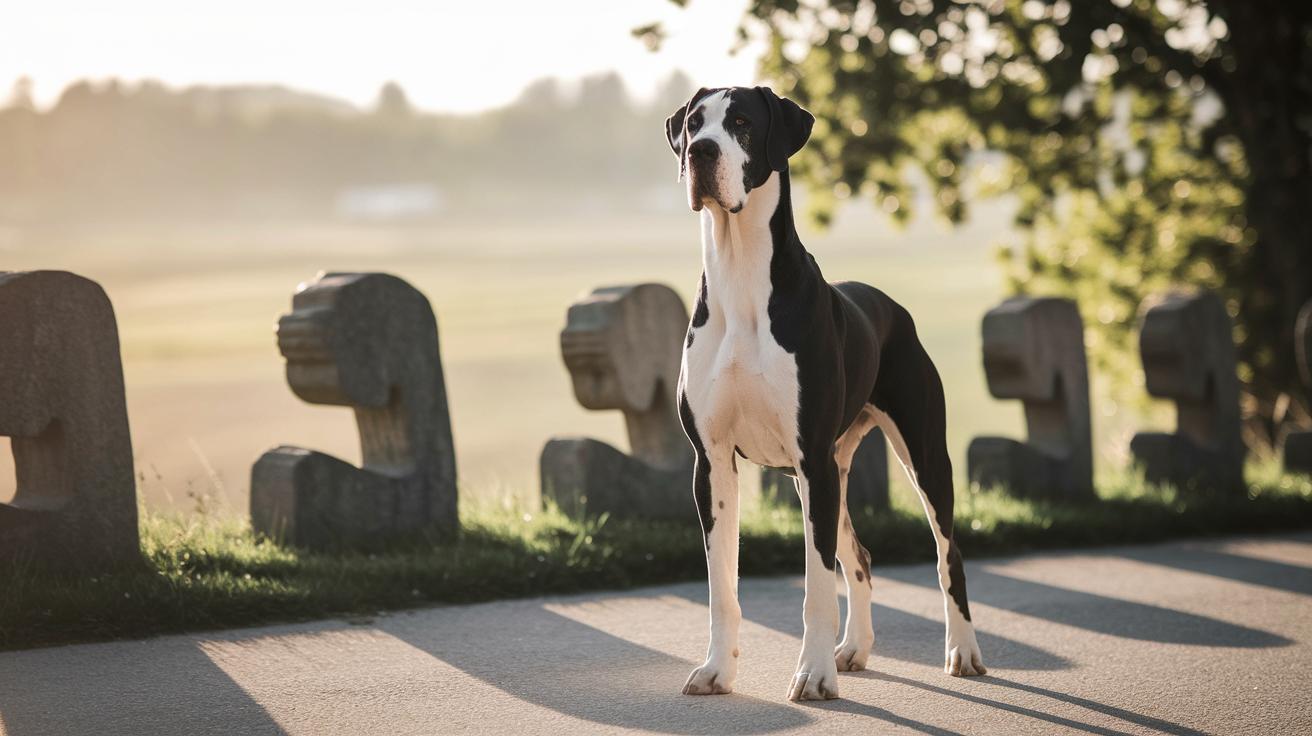
Great Danes have been part of history for thousands of years. Early carvings in Egyptian tombs from 3000 BC show a dog that looks much like today’s Great Dane. These drawings hint at a link with Molossian dogs (ancient, strong canines used in battle and hunting). This tells us that back then, power and size were prized qualities, setting the stage for the gentle giant we know today.
European Development
Between the 15th and 19th centuries, European breeders improved this breed by mixing Mastiffs, Irish Wolfhounds, Greyhounds, and boar-hunting dogs. This blend created the modern Great Dane. In 1876, Germany even named it its national dog. Breeders focused on making a dog that was both big in size and warm in temperament.
This rich history is why Great Danes are known today as the Apollo of Dogs. Their majestic appearance and loving nature make them a cherished member of many families.
Great Dane Physical Traits and Size
Great Danes have a short, shiny coat that comes in seven colors. You might see harlequin, merle, fawn, brindle, black, blue, or mantle. Some coats, like the lighter harlequin, can show stains more easily, so you may need to clean them more often. On the other hand, darker patterns can hide dirt a little better. This means you might want to tailor your cleaning and grooming to your dog's specific coat.
| Characteristic | Detail |
|---|---|
| Height | 30–32 inches |
| Weight | 110–175 lbs (Females up to 140; Males 140–175) |
| Coat Type | Short, glossy single layer |
| Shedding Cycle | Light shedding with two heavy seasons each year |
| Colors/Patterns | Seven recognized: Harlequin, Merle, Fawn, Brindle, Black, Blue, Mantle |
Knowing your Great Dane’s coat type helps you adjust cleaning and grooming so your pet always looks and feels its best.
Great Dane Temperament and Personality
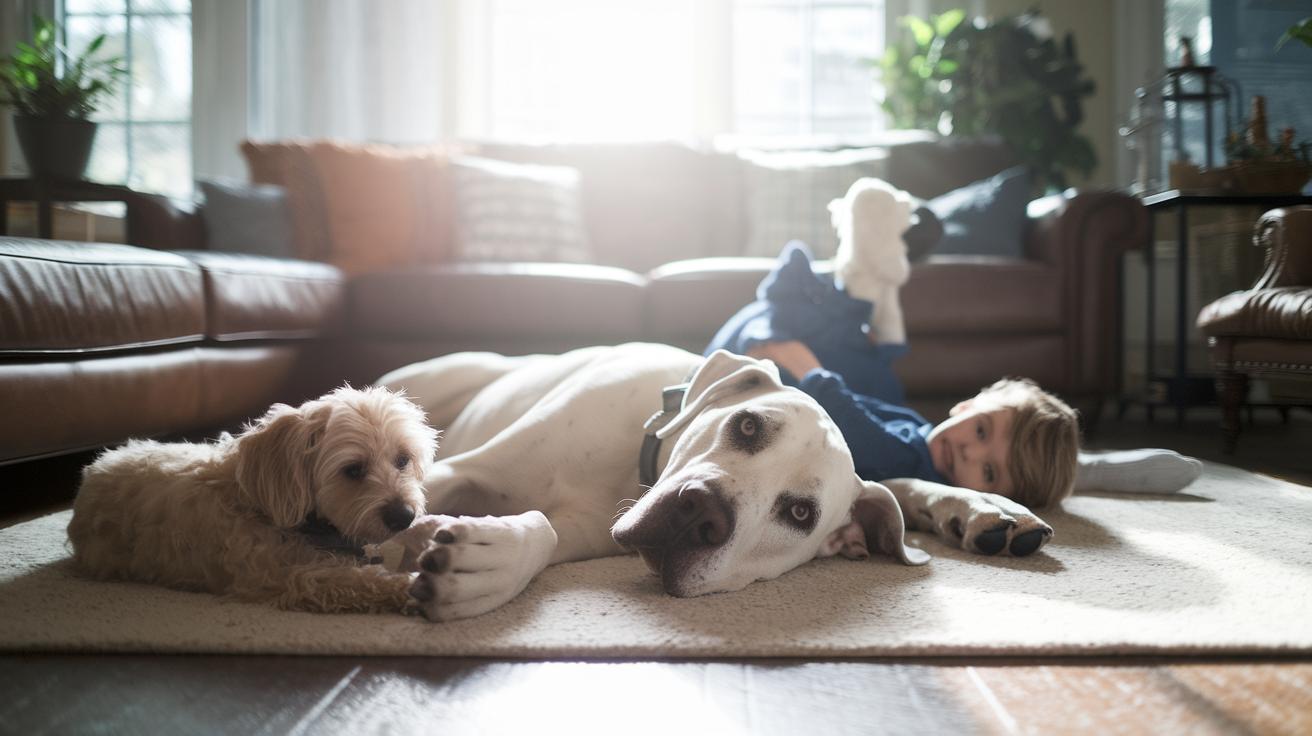
Great Danes are gentle giants with calm and loving personalities that make them great for any home. They enjoy playing and being close, which makes them perfect companions for families with kids and other pets. Their friendly nature helps them quickly adjust to new people and places, spreading joy wherever they go.
They are smart learners and pick up commands during training sessions with ease. Owners often say these dogs learn tricks as quickly as a child learns a new game. They also have a natural instinct to protect their loved ones without being overly forceful.
Some Great Danes can feel anxious when left alone if they aren’t slowly taught to do so. Many pet parents start crate training early and set up a safe, comfy space at home. This step-by-step method helps the dog feel secure and stops them from getting into trouble.
Every day, your Great Dane will benefit from mental challenges. Try simple games or puzzle toys that give them a small brain workout, finishing with a tasty treat reward. It's a fun way to keep their minds sharp and happy.
Great Dane Health Considerations and Care
Great Danes live about 7 to 10 years. They can face health issues like bloat (gastric dilatation-volvulus), heart muscle disease (cardiomyopathy), hip dysplasia, thyroid problems such as hypothyroidism and autoimmune thyroiditis, and cherry eye. Regular checkups help catch these issues early and keep your pup happy.
Feeding small meals throughout the day helps control calories and may lower the risk of bloat, a serious condition. Adjust portion sizes as your dog grows, and watch their weight closely to keep them fit and full of energy.
Preventive steps, like a gastropexy (a surgery to attach the stomach to the body wall), reduce bloat risks. Make sure your vet checks your dog's heart and joints regularly with physical exams and blood tests. Early detection means easier treatment.
Don't forget joint supplements and plenty of water. Keeping your Great Dane well-hydrated and on a balanced diet supports their joints and overall strength. Regular vet visits every six months are a smart way to catch any new problems fast.
Great Dane Training and Socialization
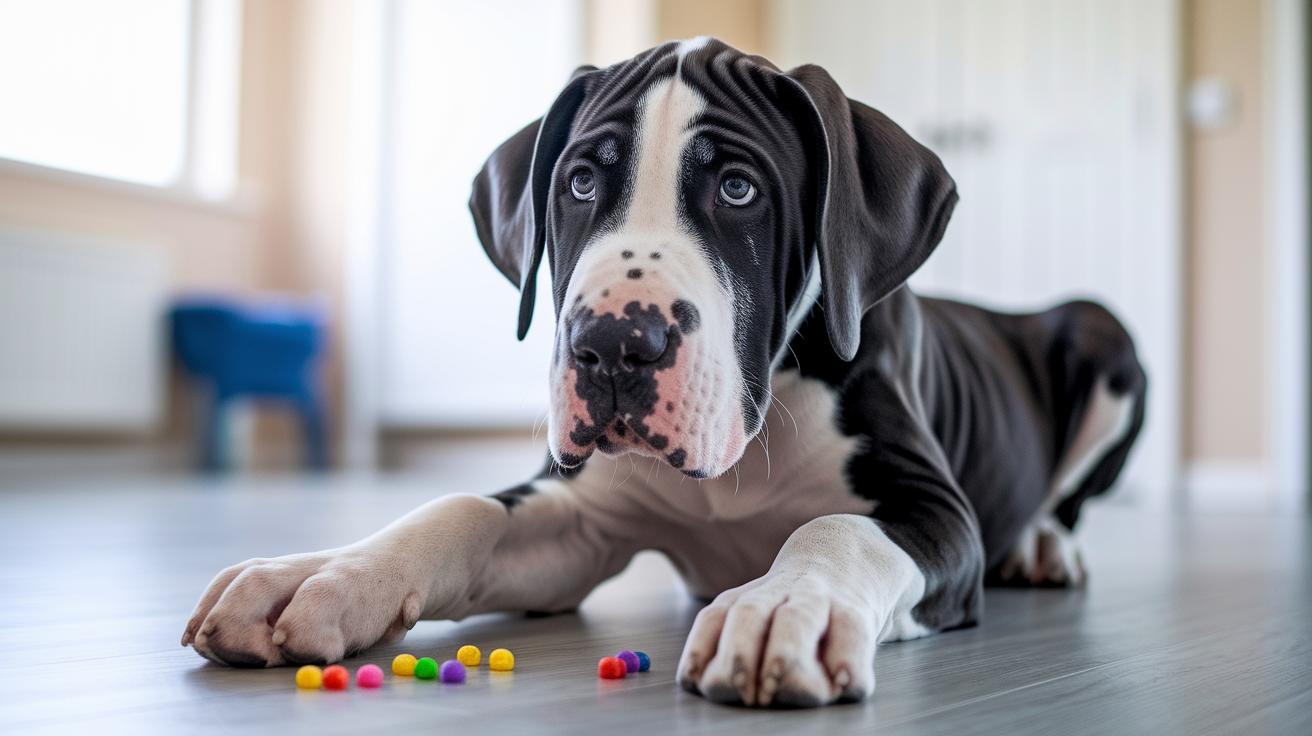
Starting training at about eight weeks old helps your Great Dane learn good behavior. Early lessons build a solid base for following commands and socializing with other dogs and people. This early focus makes your puppy more comfortable with new places, sounds, and faces. Reward your pup with treats and praise to keep training fun and effective.
Puppy Socialization Strategies
Socializing your puppy is key to helping them be calm and friendly. Sign up for classes that let your pup explore different, safe settings. In these classes, your puppy will meet other pups and people while getting used to everyday noises like traffic and sirens. Planned walks and playtime boost their confidence and help them grow into a relaxed, friendly companion.
Strength and Obedience Management
Great Danes are naturally strong, so start with careful leash training and clear commands at home and in quiet outdoor spots. Teach simple commands like sit, stay, and come with treats and praise to stop problems like too much barking or pulling hard. Repeating these commands regularly helps your giant understand limits and listen well, making walks and outings safer.
Keep training sessions regular and add occasional refresher classes to keep skills sharp. Mix training into daily routines and consider asking a professional trainer for help if needed. This continued practice not only keeps your dog well-trained but also deepens the bond between you, making every session a rewarding experience.
Great Dane Living Environment and Suitability
Great Danes do best in homes with plenty of room. They love open spaces where they can stretch and play. A secure yard or a big living room with fun toys and a soft bed can help keep them happy and healthy.
Setting up a daily exercise routine is key. Regular walks and play sessions help them stay fit and cheerful. As they grow older, many can even enjoy a light jog. Their short coat means they might need extra warmth on cool days, so a cozy sweater or blanket can be a great idea.
These dogs are naturally gentle and usually get along well with children and other pets. Gradual introductions help everyone feel comfortable and safe.
If you are thinking about inviting a Great Dane into your home, check with breed-specific rescues or local shelters. They can offer useful advice on making the transition smooth and helping your new friend feel right at home.
Final Words
In the action, we covered the Great Dane's striking size, caring temperament, and smart training needs.
We highlighted its rich history, unique appearance, and health and care tips that make this dog breed great dane a trusted companion.
We broke down its exercise schedule, grooming, and living space needs into clear steps.
These insights provide clear, helpful pointers for a well-rounded care routine.
Keep this guide in mind, and enjoy the rewarding experience of nurturing a gentle giant every day.
FAQ
What is a Great Dane puppy?
The Great Dane puppy is a baby from a breed known as gentle giants. They grow quickly and develop into large, affectionate companions appreciated by many families.
What are the physical traits of a large Great Dane?
The Great Dane stands about 30–32 inches tall with a robust build, sporting a short, glossy coat that sheds lightly twice a year. They are one of the largest breeds.
What is the average Great Dane price?
The Great Dane price varies by breeder and pedigree. Costs generally range from roughly $800 to over $2000, reflecting quality, lineage, and regional market differences.
Is a Great Dane a good family dog?
The Great Dane is a good family dog thanks to its calm, friendly nature. Their gentle temperament makes them well-suited for family life, although supervision with small children is wise due to their size.
Why is the Great Dane called the heartbreak breed?
The Great Dane is often called the heartbreak breed because of its shorter lifespan and potential health issues, which can lead to emotional challenges for devoted owners.
Is a King Corso bigger than a Great Dane?
The King Corso is usually not larger than a Great Dane. The Great Dane earns a reputation as one of the biggest dog breeds, with a weight that can reach up to 175 pounds.
Do Great Danes shed a lot?
Great Danes shed lightly overall, with two heavier shedding periods each year. Their short, glossy coat makes maintenance easier compared to some other breeds.
What is meant by an American Great Dane?
The American Great Dane typically refers to the type bred in the United States. They share the breed’s size and gentle nature while continuing the legacy of this beloved, large companion dog.
What defines a Harlequin Great Dane?
A Harlequin Great Dane is defined by its unique coat pattern—white with irregular patches of color—which distinguishes it from other Great Dane varieties.