
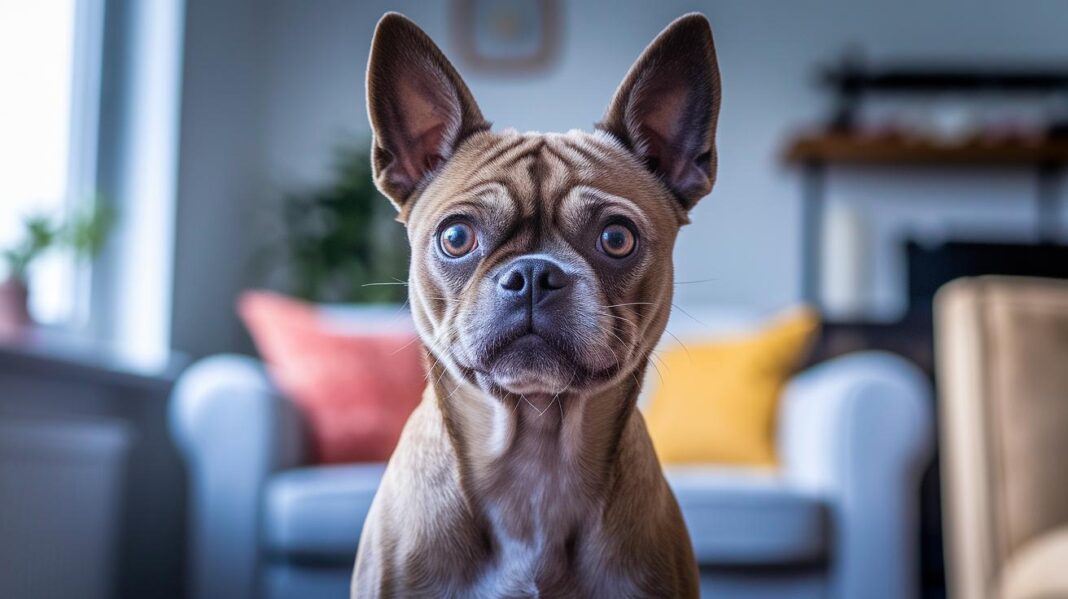

Ever wonder how a tiny dog can have a huge personality? The Brussels Griffon is a small, lively companion with a cool history. It was first bred in 19th-century Brussels as a rat catcher. Today, these dogs steal hearts with their big, expressive eyes and loving nature.
Their small size makes them perfect for cozy homes and apartments. In this post, we’ll share why the Brussels Griffon is so charming and fun. Plus, you’ll find simple tips to keep your little pal happy and healthy.
Brussels Griffon Breed Overview
The Brussels Griffon is a tiny dog with an enormous personality. This breed started in Brussels, Belgium in the 1800s and was first used to catch rats. Today, they win hearts with their gentle and confident nature. They typically weigh about 8 to 12 pounds (3.6 to 5.4 kg) and stand 7 to 10 inches tall. This small size makes them great for apartment living and needs just a bit of daily exercise.
There are two main types of coats for these dogs. One coat is rough and wiry, usually in warm colors like red or belge. The other coat is smooth and shiny, often found in black and tan or red. Their flat faces give them a unique look with big, expressive eyes that seem to share a story with you at every glance.
Called "Velcro dogs" by many, Brussels Griffons love to be close to their families. They are curious and confident, and sometimes a bit stubborn. Starting early socialization and gentle training with treats and praise is key. Daily walks and fun play sessions help keep them physically fit and mentally sharp. Regular vet check-ups are important too, as their flat faces can sometimes cause breathing problems.
A balanced diet along with regular exercise keeps them energetic. Simple tasks like brushing to remove loose hair and cleaning their teeth go a long way in keeping them healthy and happy. This delightful and lively breed makes a wonderful companion for any household.
Historical Origins of the Brussels Griffon

This small dog started its life in 19th-century Brussels, Belgium. Back then, local farm dogs were mixed with tiny, imported breeds to create a helper that could catch rats and other pests. Early Griffons roamed narrow, busy streets, chasing unwanted guests and keeping homes safe. Their clever work showed off a spirited personality that still stands out today.
Over time, these smart pups won the hearts of rich families. What began as a working dog soon became a fancy lapdog for those who wanted a pet with charm and character at home. Their change mirrors the times, shifting from busy city workers to treasured family companions.
There are three main types: Griffon Bruxellois, Griffon Belge, and Petit Brabançon. Each one has a slightly different coat and color, but all share a lively, expressive face and a confident look. Their journey from pest controllers to stylish, loving friends makes the Brussels Griffon a truly special pet.
Brussels Griffon Appearance and Coat Variations
Brussels Griffons are small dogs with a flat face that makes them instantly unforgettable. Their short muzzle and large, shiny dark eyes give them a lively look that many pet parents find charming.
These pups come in two main coat types. The rough coat is thick and wiry. It needs a grooming process called hand-stripping (removing old hair by hand) every few weeks to keep the coat fresh and neat. Common colors for the rough coat are red and belge. They often have a beard or mustache that adds to their quirky charm, imagine a little dog with a perfectly groomed, raspy beard that shows off its playful personality.
On the other hand, the smooth coat is low-maintenance. It is short, glossy, and only needs a brush once a week to remove loose hairs. Smooth-coated Brussels Griffons are often seen in shades like black, tan, or red. Their sleek coat matches their small, square bodies, and the strong muscles in their hind legs give them an alert and energetic appearance.
Knowing whether your Brussels Griffon has a rough or smooth coat helps you choose the right grooming routine. This simple step keeps your pet looking its best and feeling happy.
Temperament Traits of the Brussels Griffon
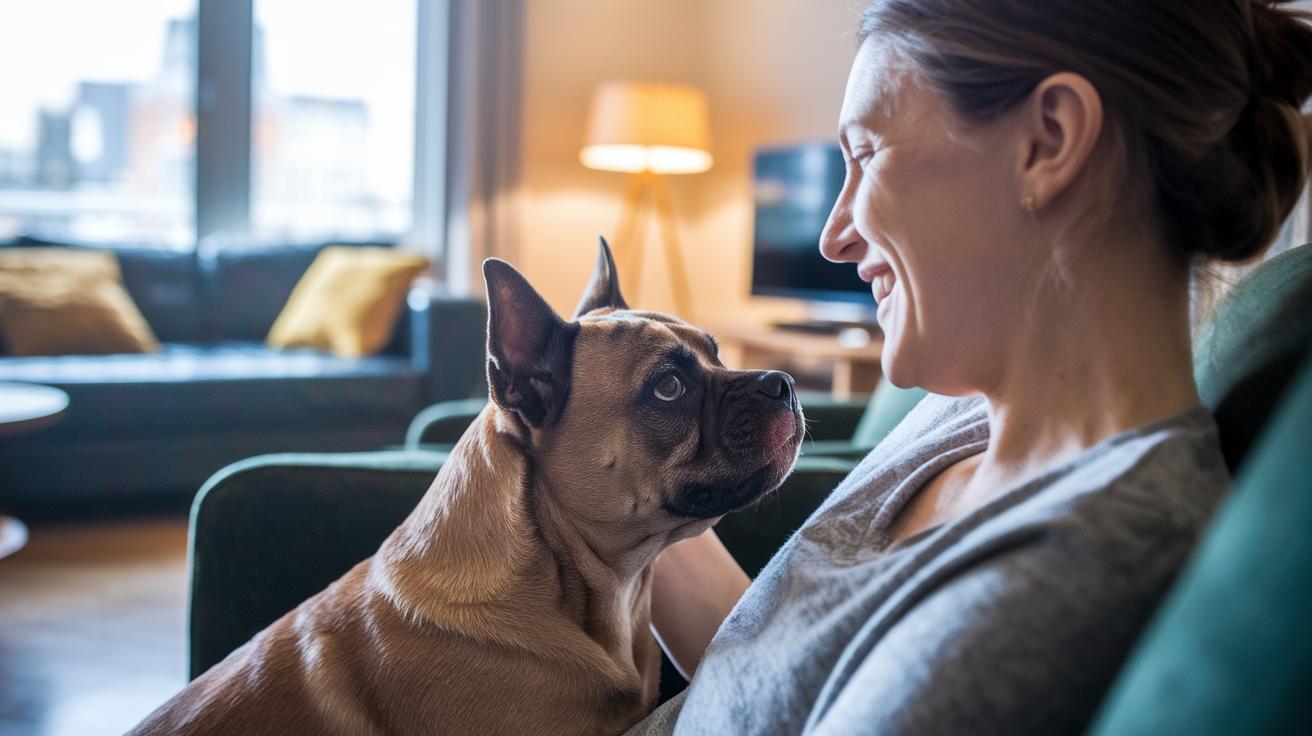
The Brussels Griffon is a loving little dog that enjoys staying close to you. You'll often see them tilt their head or give a soft nudge with their nose to show interest. For instance, when learning a new trick, a young Griffon might pause for a moment to focus before eagerly following your command.
Their quick minds make training both fun and playful. Sometimes, they get so excited that they even pause to check out a toy or a moving shadow. One owner mentioned that during a sit command, their dog looked back as if to ask, "Is it time for a break?" before finally sitting down.
Their behavior can also change over time and with their surroundings. Young Griffons are usually full of energy and love to play, while older ones often prefer calm, one-on-one time that shows off their loyalty. In busier homes, they might seem a bit hesitant around new people until they feel safe.
Even though they are naturally alert, these dogs are not aggressive. They keep a watchful eye on things and might use a gentle bark or a keen stare when something unfamiliar appears, making them a comforting and caring friend.
Grooming Guidelines for Brussels Griffon
A well-groomed Brussels Griffon stays happy and healthy. For rough-coated Griffons, brushing every day is very important. This daily brush helps stop mats from forming and keeps their wiry fur smooth. A quick morning brush really sets the day off on the right foot. Smooth-coated Griffons need a gentle touch, so a soft bristle brush used once a week is best to remove loose hair without harming their sleek coat.
No matter the coat type, give your pet a bath every 4 to 6 weeks. Use a mild dog shampoo that cleans without stripping natural oils. It’s like a little spa day that refreshes your pet and keeps odors at bay.
Keep your pet comfortable by trimming their nails every 3 to 4 weeks. Overgrown nails can hurt and might even change the way your Griffon walks. Clean your pet’s ears once a month to get rid of dirt and debris that could lead to infection. And don’t forget daily dental brushing. This simple act helps remove plaque and keeps that adorable smile bright.
| Grooming Task | Frequency |
|---|---|
| Brushing | Rough coat: Daily; Smooth coat: Weekly |
| Hand-strip/Trim rough coat | Every 6–8 weeks |
| Bathing with gentle shampoo | Every 4–6 weeks |
| Nail Trim | Every 3–4 weeks |
| Ear Cleaning | Monthly |
| Teeth Brushing | Daily |
Follow these steps to keep your Brussels Griffon looking cute, active, and full of life every day.
Health Concerns and Lifespan of Brussels Griffon

Brussels Griffons usually live 12 to 15 years when given proper care. Their flat faces can cause breathing problems (brachycephalic syndrome), which may lead to heat stroke. One owner even shared that on a warm day, their dog needed extra breaks during walks. It's important to watch your pet closely on hot days.
These dogs may also face joint issues like patellar luxation (a knee dislocation) and hip dysplasia, which can make moving around uncomfortable. Regular visits to the vet can help spot these problems early.
Some Griffons may experience eye problems such as cataracts, corneal ulcers, or progressive retinal atrophy. These conditions need quick attention, so be alert to any changes in your pet’s eyes. Dental care is also crucial because their teeth are crowded, making daily brushing important for overall health.
Heart problems like mitral valve disease, along with allergies and skin sensitivities, can also occur. Experts suggest routine vet exams and even preventive genetic screenings before you bring a puppy home. Keeping your pet at a healthy weight with a balanced diet helps lessen the strain on their joints and lowers the risk of obesity-related issues.
Taking a little extra care now with regular checkups, exercise, and a good diet can help your Brussels Griffon enjoy a long, happy, and healthy life.
Exercise, Training, and Enrichment for Brussels Griffon
Brussels Griffons need regular exercise to stay happy and strong. A simple 20–30 minute walk each day, paired with a playful game session, helps burn energy and build muscle. Even in an apartment, indoor games like fetch or a gentle tug-of-war work great. For example, try a quick game where your pup chases a lightweight toy. It makes exercise fun and keeps them moving.
Training is best done with plenty of praise and tasty treats. When your Griffon does something right, say "Good job!" This positive approach not only boosts their mood but also builds a strong bond between you. Socializing early with people and other pets also helps them gain confidence and manage stubborn moments.
Mental stimulation is just as important as walking. Puzzle toys, scent work (using your dog’s nose to find hidden items), and short training games keep their minds busy and curious. Switch up the toys and challenges to keep things interesting and prevent boredom.
Brussels Griffons do well in apartments. Mix leash walks with safe off-leash play in a secure area to balance their exercise needs. These activities keep your pup engaged, cheerful, and well-rounded.
Brussels Griffon Adoption and Rescue Resources
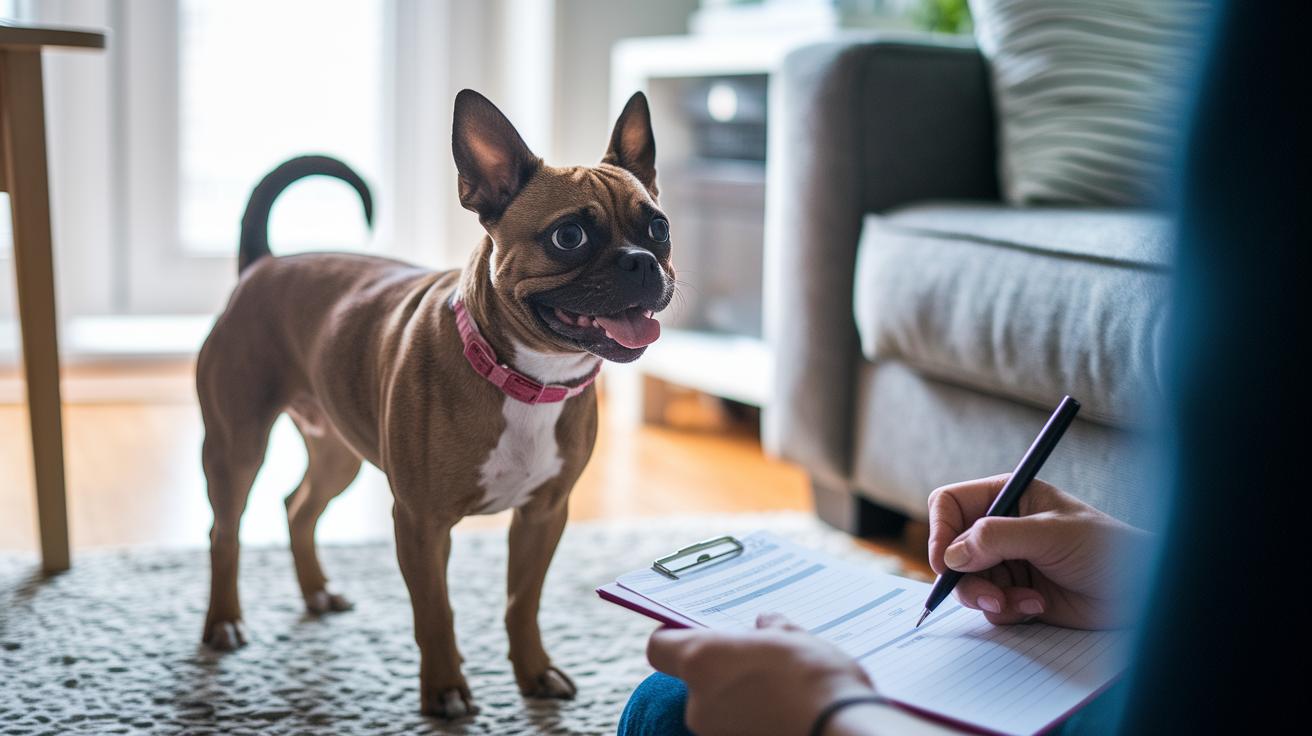
If you are looking for a Brussels Griffon, consider adopting from a rescue group that specializes in these loving dogs. Groups like Brussels Griffon Rescue International welcome Griffons who need a second chance. Many of these rescues are run by caring volunteers across states such as CA, FL, TX, and MA.
The adoption process is simple and clear:
- Fill out an application that shares your living situation, your pet experience, and why you think a Griffon would fit well in your home.
- Arrange a home visit so a rescue volunteer can ensure your space is safe and suitable for a small, active dog.
- Review and sign an adoption contract that typically covers spaying or neutering, vaccinations, and microchipping (a small identification chip placed under the pet’s skin).
Adoption fees vary by organization and help cover important medical care and support services. Some rescues even offer ongoing support to help your new companion adjust to your home. Check with local adoption centers to find these friendly pups and give them a warm, caring home.
Purchasing Puppies and Selecting a Brussels Griffon Breeder
When you search for a Brussels Griffon puppy, the price usually falls between $1,500 and $3,000. This cost depends on the puppy's pedigree and where you live. A good breeder will share clear health records that include knee checks (patella evaluations), hip screenings, and eye exams to prove the puppies are healthy.
It is wise to visit the breeder’s facility and meet the puppy's parents in person. Seeing the adult dogs helps you notice their behavior and overall health. For example, one breeder said, "Every puppy here has been raised around people and is well-socialized." This shows they take care of early socialization.
Be sure to check the health certificates and pedigree papers during your visit. Trustworthy breeders are open about their screening methods and the genetic history of their dogs. Their willingness to share these details is a strong sign that they care about the puppies’ long-term well-being.
Remember, the cost of a puppy is just the beginning. You will also need to budget for quality food, grooming supplies, regular veterinary care, and training classes. Ask about breeder guarantees and review any contract details. A written contract clearly explains what to expect, making it easier for you and your new pet to start off on the right foot.
Making an informed decision now can lead to many happy years with your new furry friend.
Final Words
In the action, this post provided a clear look into every key part of the Brussels Griffon’s life. It walked through history, appearance, personality, and practical care tips like grooming, health checks, and training. It also showed how to pursue adoption or select a reputable breeder. Each section guides you on caring for a dog breed brussels griffon with confidence and clarity. Enjoy each moment, knowing you’re set to keep your little friend healthy, safe, and happy.