

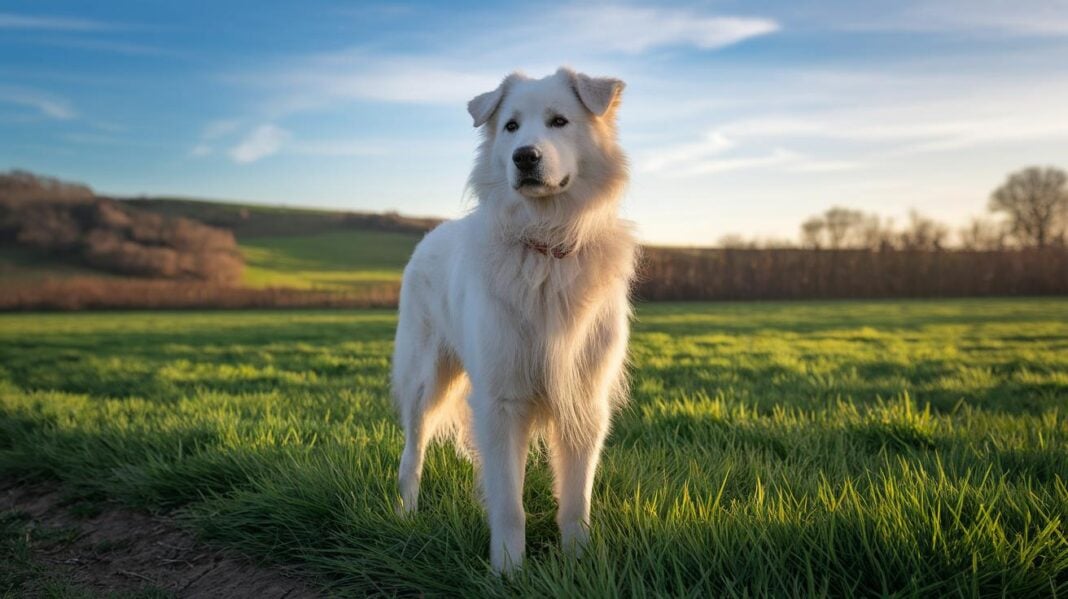

Have you ever thought of a dog as both a brave guardian and a true friend? The Akbash is known for its strong instinct to protect. Turkish shepherds have relied on these dogs for thousands of years. They were bred to watch over sheep and keep away dangerous predators. With their power and quick speed, the Akbash makes sure the ones it loves stay safe. Today, this breed stands for strength and trust, a noble companion shaped by history and natural loyalty.
Akbash Breed Overview and Key Facts
The Akbash is a unique, large guard dog from Turkey. It blends the strength of a Mastiff with the quickness of a Gazehound. Originally bred to protect sheep from predators like wolves, this breed has been a trusted help for farmers for many years. Picture a dog standing watch over vast, open fields, using both power and speed to keep the flock safe.
Adult Akbash dogs stand about 27 to 34 inches tall at the shoulder (roughly 69 to 86 cm) and weigh between 75 and 140 pounds (about 34 to 64 kg). They have a medium-length, double coat that is mostly white. This striking coat not only gives the Akbash its unique appearance but also helps it blend in with the sheep it is meant to protect. In Turkish, the breed’s name means "white head," which highlights their special color.
Akbash dogs are known for their independent yet protective nature. They form deep bonds with their families but remain cautious around strangers, which makes them excellent guardians. Generally, they live for about 10 to 12 years. These smart canines do best in open, rural settings where they can patrol and watch over the land, all while needing firm guidance and regular training.
History and Origin of the Akbash Dog Breed
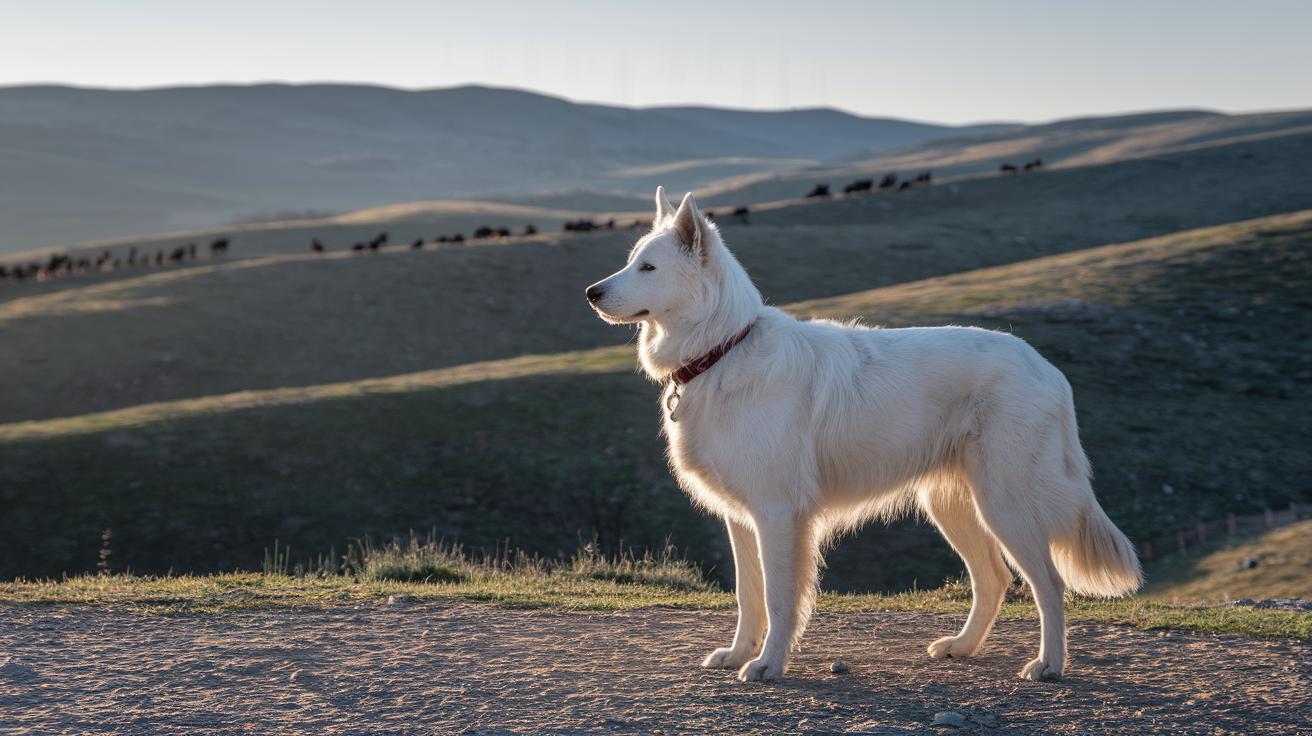
For over 3,000 years, nomadic shepherds in central Turkey have trusted the Akbash to guard their livestock. These dogs worked hard, moving with shepherds through rough lands, and their almost all-white coats helped them blend with the flocks to confuse predators.
The name Akbash means "white head" in Turkish, which shows off their unique look and noble role. Turkish shepherds carefully chose puppy after puppy for traits like alertness, independence, and a natural instinct to protect. This thoughtful breeding created a dog perfectly suited to watch over animals in challenging environments.
By the late 1900s, some of these loyal dogs made their way from Turkey to the U.S. and Europe. Now known as Turkey’s national dog, the Akbash continues its proud tradition of being a reliable guardian for livestock and a beloved companion to pet owners.
Physical Characteristics of the Akbash Breed
The Akbash is a versatile dog that works well in rural guarding and as a family pet. It has a strong build for hard work and a calm, loving nature at home.
Adult Akbash dogs are about 27 to 34 inches tall at the shoulder and weigh between 75 and 140 pounds. They have strong bones and a solid frame that make them very reliable. Both male and female dogs share these sturdy traits with only slight size differences.
Akbash dogs sport an almost entirely white, medium-length double coat. The rough outer coat helps protect them from harsh weather, while the soft undercoat (which sheds each summer) keeps them warm. Their consistent white color not only gives them a striking look but also helps them blend in when guarding livestock.
In short, the Akbash is built for work. Its strength, agility, and sturdy build make it an excellent choice for guarding and a friendly companion at home.
Temperament and Personality of the Akbash Dog
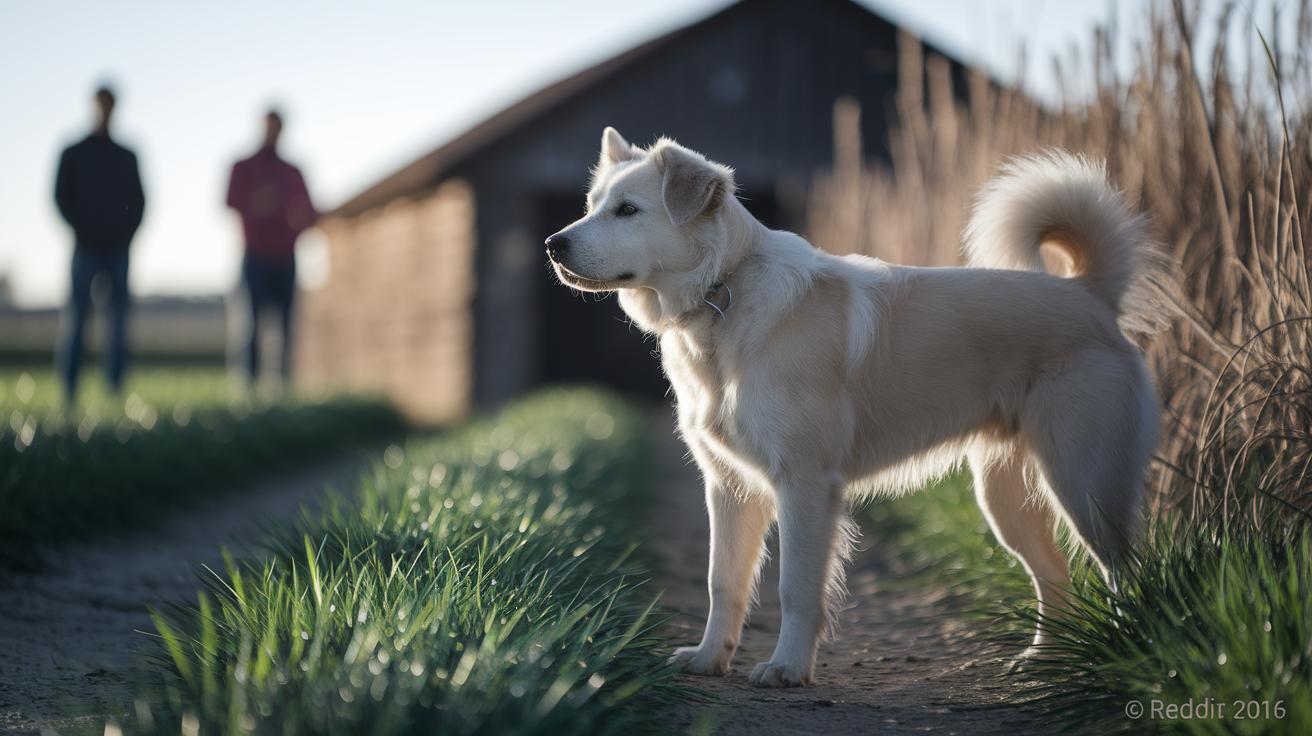
The Akbash is an independent, alert dog with a natural focus on protection. These dogs think before they act and keep a careful eye on everything around them. If they sense even a small unusual sound, they're already paying close attention. This makes them great as protectors whether they're on a busy farm or in a quiet home.
At home, the Akbash forms strong, loving bonds with its family. They are gentle with children and can get along with other pets if they are introduced early. This friendly side helps balance their independent nature, making them both caring companions and reliable guardians.
Every day, you can see their protective instincts at work. They tend to keep their distance from strangers, watching and assessing before they engage. This careful approach is key whether they're guarding livestock or simply keeping an eye on the backyard. Their mix of loyalty and watchfulness means that with the right guidance, this breed can be a dependable family friend and a steadfast protector.
Care and Maintenance for the Akbash Breed
Taking care of an Akbash is all about having a steady routine for brushing, exercise, and good meals. This daily care helps keep your dog at a healthy weight and preserves its beautiful white coat.
Here are some easy tips:
- Brush your dog once a week to get rid of loose hair and dirt.
- When summer comes and your dog starts shedding more, give it an extra, careful brush to manage its thick undercoat.
- Ensure a daily walk or jog of 30 to 60 minutes to keep energy levels in check.
- Provide fun play sessions or let your dog roam the farm to keep muscles strong and the mind alert.
- Feed a measured amount of large-breed food twice a day to support proper nutrition.
- Offer treats sparingly and check its weight regularly.
Watch how your Akbash changes with the seasons. In cooler months, its coat may thicken and need extra brushing to remove dirt. In warmer weather, a good brush helps clear away heavy shedding so your dog stays comfortable. You might also add more playtime during spring and summer to keep your pet active and cool. Follow a fixed meal plan using food made for large breeds that support healthy joints and overall strength. If you see extra weight gain or a drop in playfulness, it might be time to adjust the exercise routine or diet. Regular checkups with your vet can offer advice if you notice changes in energy or appearance. Remember, a well-cared-for Akbash is both a loyal guardian and a loving family companion.
Training and Socialization of Akbash Dogs
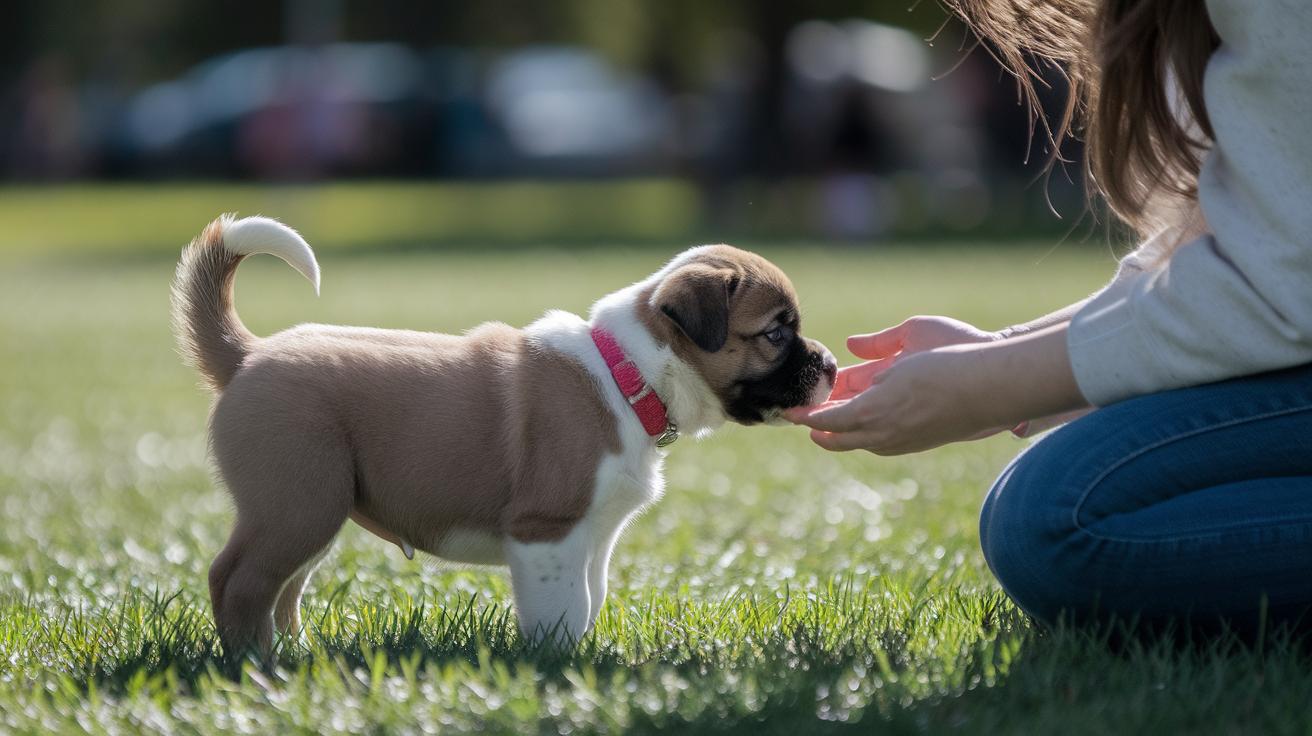
Puppies need a strong start in life. For your Akbash puppy, the best time to socialize is before it turns 18 to 24 months old. During this time, let your puppy meet different people, see other animals, and visit new places. This helps build its confidence and makes it less likely to be overly protective later on. Try short, fun outings, like a quick trip to a nearby park. While there, offer gentle praise, say, "Good job, buddy!", to show your puppy that meeting new friends can be fun. These little adventures help your pup see that the world is full of kind faces, giving it the skills to handle new experiences calmly.
As your puppy grows, teaching basic commands becomes very important. Start with simple instructions like sit, stay, and come. You can practice these during daily walks or play sessions. Early lessons in leash manners are a big help too. Once your Akbash is familiar with these basics, you can move on to more advanced tasks that mix its natural guarding instincts with obedience. For example, have your dog patrol a small area and then call it back to reward its focus. This type of training sets clear limits and helps merge its protective side with a friendly response. Consistent training sessions, even as your dog ages, will help it remain well-behaved and safe in different situations.
Health and Lifespan Expectations for Akbash Dogs
Akbash dogs usually live about 10 to 12 years. They are known for their strong build and health, thanks to a history as hardworking guardians. With a balanced diet, daily fun exercise, and regular vet visits to check their joints and muscles, your Akbash can thrive and protect your home. Keeping an eye on their weight also helps ease stress on their joints.
They are sturdy, but like other Mastiff-type breeds, Akbash dogs can face some health issues. They might develop hip dysplasia (when the hip joints do not form correctly) or bloat (a condition where the stomach fills with gas and twists). Watch for signs like reluctance to move, discomfort after meals, or a swollen belly. Regular tests such as joint X-rays and weight checks can spot these problems early. And try to avoid overexertion on hard surfaces to protect their joints even more.
Keeping your Akbash healthy also means following a consistent vaccination schedule, using parasite control, and getting regular dental exams. Routine vet checkups can catch issues early, keeping your companion happy and healthy throughout his life.
Comparing the Akbash with Other Guardian Breeds
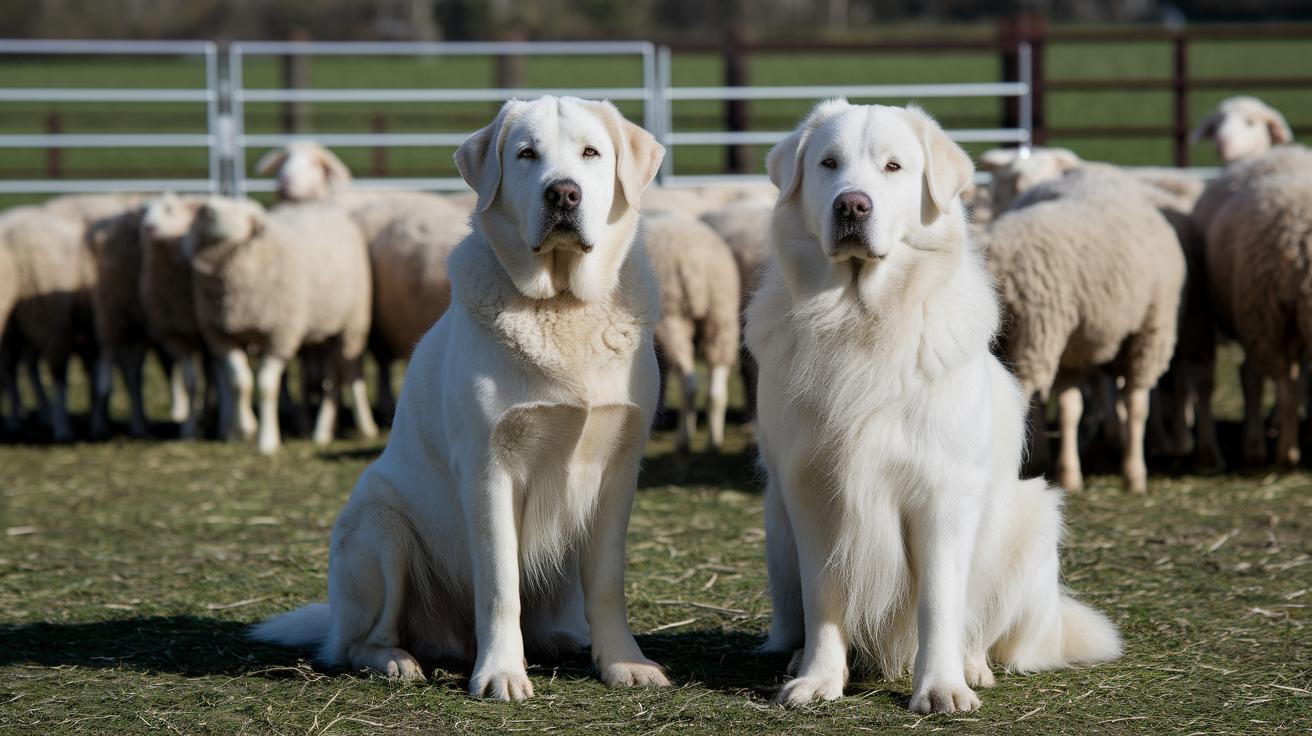
Choosing the right guardian breed means focusing on key points like size, temperament, and grooming needs. Every breed offers its own strengths to protect your home or farm. Below is a simple comparison of the Akbash, Great Pyrenees, Anatolian Shepherd, and Kuvasz.
| Breed | Size (lbs/in) | Temperament | Ideal Guardian Role |
|---|---|---|---|
| Akbash | 75-140 lbs / 27-34 in | Independent, protective, focused | Good for both livestock and home |
| Great Pyrenees | 85-115 lbs / 25-32 in | Calm, reserved, watchful | Great for livestock in cold weather |
| Anatolian Shepherd | 90-150 lbs / 30-32 in | Assertive, independent, robust | Best for large areas and strong guarding |
| Kuvasz | 70-115 lbs / 26-32 in | Alert, loyal, high energy | Striking guardian that needs extra grooming |
The Akbash blends strength with quick moves. It works well in wide open spaces and also protects your family at home. The Great Pyrenees has a thick coat that keeps it warm in cold weather. It is built for harsh climates. The Anatolian Shepherd is very independent. It stands its ground when guarding large areas. The Kuvasz looks impressive and is very alert. It does need extra grooming, but if you like a dog with a striking appearance and strong guarding skills, it could be a great match, even if it comes at a higher cost.
Before choosing a guardian dog, think about how much time you have for training and grooming. Match the dog’s needs with the conditions of your home or farm to make the best choice.
Finding and Adopting an Akbash Puppy
Finding a genuine Akbash puppy in the United States is tough because these dogs mostly come from Turkey. Most trusted breeders sell their puppies for about $1,000. You might not see many puppies since the breed is rare. Good breeders are honest about their breeding history, which helps you tell a real litter from a less careful one.
When you check out a breeder, look for clear health records and breed-specific tests (tests that check for issues common to the breed). Visit the breeder’s place to see how the puppies are raised. Watch out for any warning signs like a messy facility or a reluctance to share health documents. A solid breeder will gladly show you vet records and answer your questions. You can also use national breed directories to verify the breeder’s credentials.
If you can’t find a puppy from a breeder, rescue groups sometimes have adult Akbash dogs. Joining a waiting list with a trusted rescue organization or local animal shelter can be another way to bring home an Akbash in need of a loving family.
Final Words
In the action, this post took you through the rich history and unique guardian role of the dog breed akbash. We covered physical traits, temperament, care guidelines, and training essentials in clear steps. Each section helped pinpoint what makes this breed a strong, yet gentle companion. We also compared the Akbash to similar guardian breeds and shared tips on finding a reputable breeder or rescue. Keep this handy guide as you ensure your furry friend stays safe, healthy, and happy.
FAQ
What should I know about an Akbash puppy and its cost?
The Akbash puppy grows into a large guardian dog. They typically cost around $1,000 from a reputable breeder and need early socialization to develop into a steady, protective pet.
Is the Akbash a small or large dog breed?
The Akbash is a large breed, standing 27–34 inches tall and weighing 75–140 pounds. They are built for strength and are meant for guarding livestock.
Are Akbash dogs aggressive?
Akbash dogs are protective rather than aggressive. They tend to be wary of strangers but remain gentle with family when properly raised and socialized.
What is the temperament of the Akbash?
The Akbash temperament is marked by independence and alertness. They form close bonds with family, show calm affection toward children, and display a natural guarding instinct.
How does the Akbash compare to the Great Pyrenees?
The Akbash versus Great Pyrenees comparison shows that both are protective guardian breeds. Akbash dogs are leaner with a medium coat, while Pyrenees have a heavier, thicker coat for colder climates.
What do Akbash dog pictures show?
Akbash dog pictures usually display their nearly all-white, medium-length double coat and athletic build, highlighting features that have helped them guard livestock effectively.
Is the Akbash a rare breed?
The Akbash is a rare breed outside its native Turkey due to limited breeding numbers and strict selection practices, making it a distinctive choice for experienced owners.
What dog is known as the “heartbreak breed”?
The term “heartbreak breed” is not widely used for the Akbash. They are better known for their loyal, protective nature and deep bond with their families.