

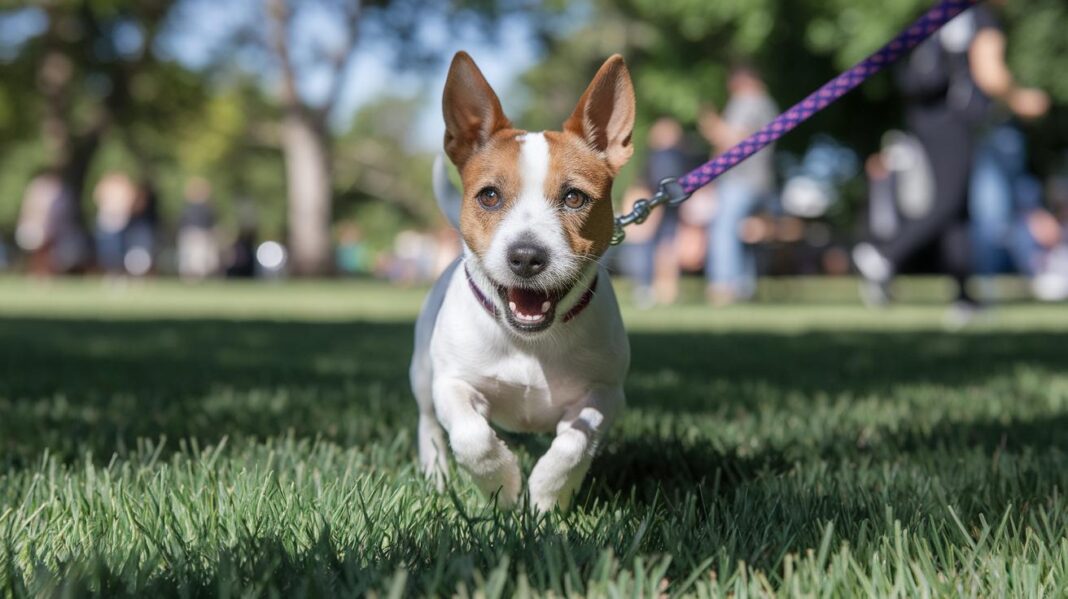

Have you ever seen a small dog bursting with energy? The Parson Russell is more than just cute. This breed was raised in 1800s England to help hunt foxes. It is quick, playful, and perfect for pet owners who love being active. With its mostly white coat and spunky nature, it keeps you alert on brisk walks and during fun games. If you want a lively friend for outdoor adventures and training sessions, the Parson Russell might be the perfect pet for you.
Parson Russell Dog Breed: Lively and Adorable
The Parson Russell dog is a lively, charming companion perfect for pet parents who enjoy an active lifestyle. Developed in England in the 1800s by Rev. John "Jack" Russell for fox hunting, these dogs were bred to be quick and agile. They stand about 15.5 inches tall (39 cm) and weigh roughly 18 pounds (8 kg). Their mainly white double coat, which can be either smooth or rough, is accented by black or tan markings.
Built for energy, these dogs shine in activities such as agility, flyball, and Earthdog trials. They have a confident, playful personality and a bit of independence, so they love a mix of fun training and time to explore on their own. Daily exercise of 1–2 hours, whether playing fetch, going for a brisk walk, or running in the yard, is key to keeping them happy and healthy.
A balanced diet also matters. Feeding 1½ to 2 cups of good-quality dry food each day helps support their energy and contributes to a typical lifespan of 13 to 15 years. Regular playtime, positive training sessions, and routine vet visits will make a big difference in your dog’s well-being.
| Feature | Details |
|---|---|
| Heritage | English fox hunting origins |
| Size | About 15.5 inches tall (39 cm); roughly 18 pounds (8 kg) |
| Coat | Mostly white double coat with black or tan markings |
| Personality | Confident, spirited, and playful |
| Energy | Needs 1–2 hours of exercise daily |
| Skills | Excels in agility, flyball, and Earthdog trials |
| Lifespan | Typically 13–15 years |
If you lead an active life and enjoy engaging with your pet through games and training, the Parson Russell might be just the friend you need.
Parson Russell Dog Breed History and Origin
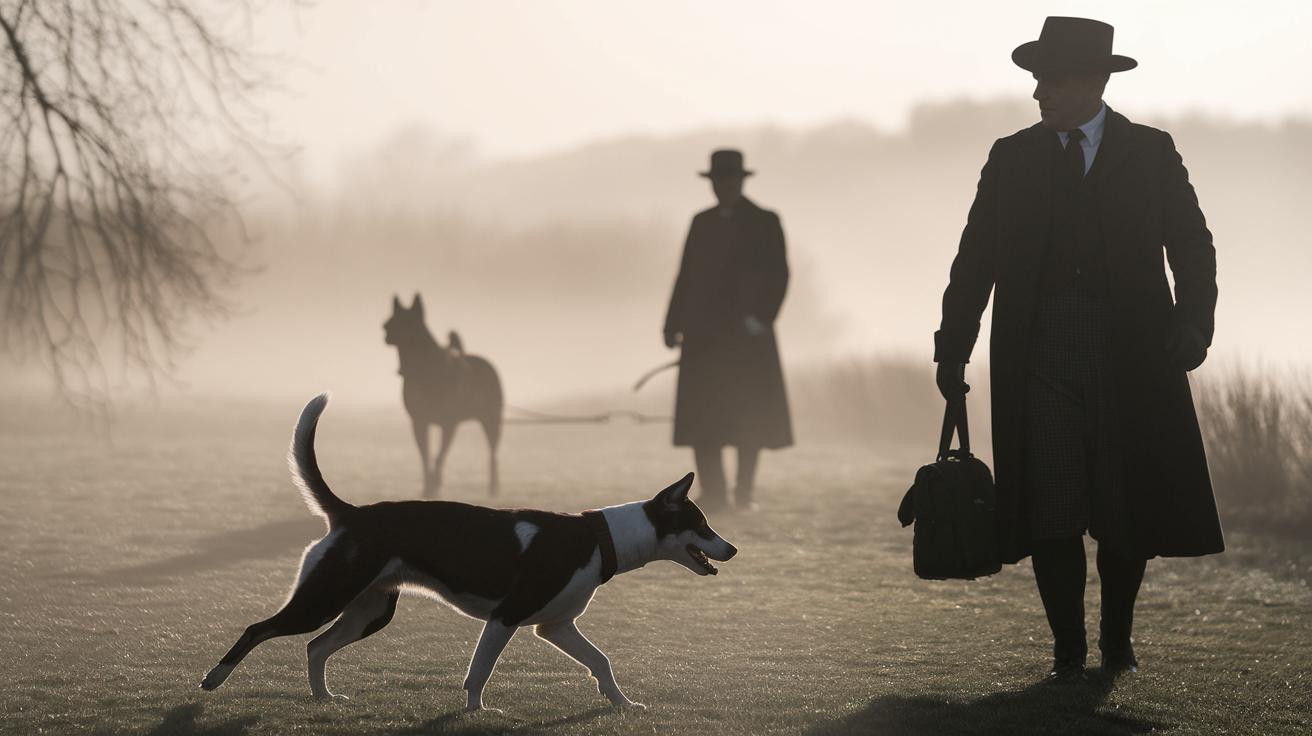
In the 1800s in England, the Parson Russell dog was created for fox hunting. Reverend John "Jack" Russell worked hard to shape this lively terrier by choosing dogs known for their speed, strength, and determination. Originally called the Jack Russell Terrier, the breed's name later changed as kennel clubs refined its standards. These careful adjustments ensure that modern Parson Russells keep the energetic spirit their creator dreamed of.
Reverend John "Jack" Russell's Vision
Reverend John "Jack" Russell wanted a small, fast, and sturdy terrier for chasing foxes. He selected dogs that moved quickly and were built tough enough to handle rough, uneven ground. His choices laid the groundwork for a breed that remains full of life and adventure today.
Evolution of the Parson Russell Breed Standard
Over time, organizations like the AKC and CKC have updated the guidelines for this breed. A major milestone came in 1997 with official recognition, along with a gradual shift from the original name to Parson Russell Terrier. These updates preserved the breed's unique traits while ensuring they are healthy and energetic companions for full-on families.
Today, the Parson Russell stands as a tribute to its rich heritage. It offers pet parents a loyal and active friend who is ready to join any adventure.
Physical Characteristics of the Parson Russell Dog Breed
The Parson Russell Dog is strong and built for active adventures. It has a solid, rectangular body with a medium bone structure that suits its lively nature. This balanced look makes it a great buddy for anyone who loves outdoor fun and agility.
| Characteristic | Details |
|---|---|
| Height | Males: 14 inches; Females: 13 inches; average: 15.5 inches |
| Weight | About 18 pounds |
| Coat Type | Hard, wiry, straight or a little wavy with a white base and black or tan patches |
| Distinctive Features | Flat skull, a clear stop, and V-shaped ears that fold forward |
The breed’s coat not only looks good but also protects it during play. Keeping the coat healthy means brushing it several times a week to manage the wiry texture. Regular baths, ear cleaning, and nail trims keep your dog comfortable and looking its best. This low-maintenance routine makes the Parson Russell a practical choice for active families who want a fun and energetic pet.
Temperament and Behavior Patterns in Parson Russell Dog Breed

Parson Russell dogs are full of life and energy. They show a confident, playful side that lights up the room. Picture a small dog zipping around your yard with bright, eager eyes.
These dogs need early social time. They enjoy meeting people and playing with other dogs. Without regular outings, they might get bored and find mischief.
Their natural hunting drive is strong. They may chase small animals because of their high prey drive (an instinct to pursue smaller creatures). That’s why it’s important to keep them safe and always watch them outside.
Training is a fun journey with these pups. They’re smart but can be a bit stubborn. Stick with consistent rewards and positive words. Think of training as a game that keeps them focused and well-behaved.
Health and Grooming Needs for the Parson Russell Dog Breed
Taking care of your Parson Russell starts with regular health care. A yearly vet visit, dental cleaning, and parasite prevention (like flea and tick control) help catch problems early. These dogs can sometimes face joint issues such as hip dysplasia or eye problems like lens luxation, so regular bone and joint checks are wise. With these check-ups and lots of daily love, your dog can stay healthy for 13 to 15 years.
Grooming is just as important as health care. Brush your dog a few times each week to remove loose fur and dirt, and give them a bath once a month to freshen up their wiry coat. A clean coat helps prevent skin irritations and keeps your pet comfortable. A set grooming routine also makes bath time feel less stressful for both of you.
- Brush weekly
- Bathe monthly
- Clean ears on a regular schedule
- Trim nails as needed
- Follow a dental care routine
A balanced, protein-rich diet gives your dog the energy they need. Feeding about 1½ to 2 cups (roughly 180 to 240 ml) of high-quality dry dog food each day, with amounts adjusted for activity levels, helps build strong muscles and supports overall health. Regular check-ups paired with proper feeding go a long way in keeping your lively companion in top shape.
Training and Exercise Requirements for Parson Russell Dog Breed
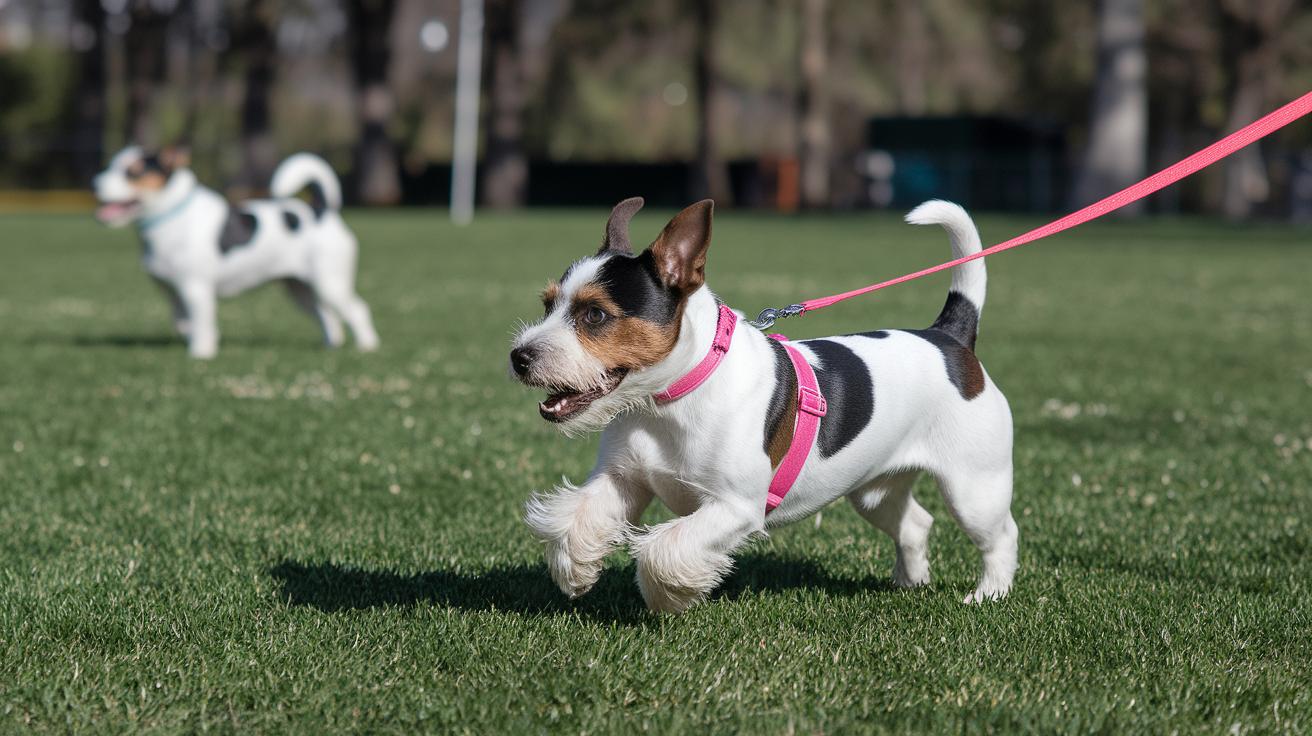
Parson Russell Terriers are full of energy and need plenty of daily exercise. They should get about 1 to 2 hours of activity each day. That might mean running 2 to 4 miles, playing fetch, or trying an agility course. This routine keeps their muscles strong and their spirit happy.
These dogs really excel in organized sports. They do great in agility trials, flyball contests, and Earthdog events (games that mimic hunting). These activities let them show off their speed and precision. Plus, they offer a fun way for you to bond with your furry friend.
Positive reinforcement works best with Parson Russells. They are smart and love learning when you use treats and praise. Many pet owners use crate training to help manage barking and chewing when the dog is alone or bored. A steady, clear routine makes all the difference.
Don’t forget mental exercise, which is just as important as physical activity. Puzzle toys, simple obedience drills, and scent games keep their minds busy. These fun challenges help reduce boredom while reinforcing the skills you teach.
Comparing the Parson Russell Dog Breed to Similar Terrier Breeds
The Parson Russell comes from the same working roots as Fox Terriers and Jack Russell Terriers. Although these breeds share a similar past, they changed over time to meet different needs. All three were bred for agility and hunting, but each now shows traits that fit their unique roles.
Parson Russells have a specific size. Male Parson Russells often reach about 14 inches (35 cm) at the shoulder and females about 13 inches (33 cm). In contrast, the Russell Terrier tends to be a bit smaller. Some clubs still call them Jack Russells, while groups like the AKC and CKC prefer the name Parson Russell.
The way these dogs act can also be different. Parson Russells are often more reserved, while Russell Terriers usually display a friendlier, outgoing side. This means they might behave differently at home, in the park, or in training sessions.
In the world of dog shows and competitions, Parson Russells shine in ring events and during shows. Meanwhile, Russell Terriers are often seen participating in performance sports, where their lively nature takes center stage.
Final Words
In the action, we explored the origins, physical features, and lively character of the parson russell dog breed. We broke down its history, grooming needs, and energy requirements into easy-to-follow steps. We even compared it with similar terriers to help clarify care choices. This snapshot offers clear guidance for keeping your pet healthy, safe, and happy. Enjoy the spirited energy and unique traits these dogs bring into your home and heart!
FAQ
Where can I find Parson Russell Terriers or puppies for sale?
The inquiry about finding Parson Russell Terriers for sale means checking reputable breeders, rescue groups, and trusted online listings. Always verify health checks and breeder credentials before making a purchase.
What is the temperament of the Parson Russell Terrier?
Parson Russell Terriers are lively, confident, and independent companions. Regular exercise and early socialization help them manage their spirited nature and occasional stubborn behavior.
What are the typical colors and size of a Parson Russell Terrier?
Parson Russell Terriers mostly boast a white coat with black or tan markings. They generally stand around 15.5 inches tall and weigh about 18 pounds, making them compact and agile.
How does the temperament of the Parson Russell Terrier compare to a Jack Russell Terrier?
While both breeds are energetic and intelligent, Parson Russell Terriers tend to be more reserved. In contrast, Jack Russell Terriers often come off as livelier, catering to different owner lifestyles.
What are the disadvantages of owning a Parson Russell Terrier?
The disadvantages include their high energy and strong prey drive. They require ample exercise and mental stimulation, and their stubborn streak may necessitate firm, consistent training.
What breeds make up the Parson Russell Terrier?
The Parson Russell Terrier primarily descends from the English Fox Terrier, developed by Reverend Jack Russell, mixed with other terrier influences that enhance agility.
Is a Parson Russell Terrier a good pet?
A Parson Russell Terrier can be a great pet for active families. They are loyal, spirited, and smart, but they do best with plenty of daily exercise and consistent training.