

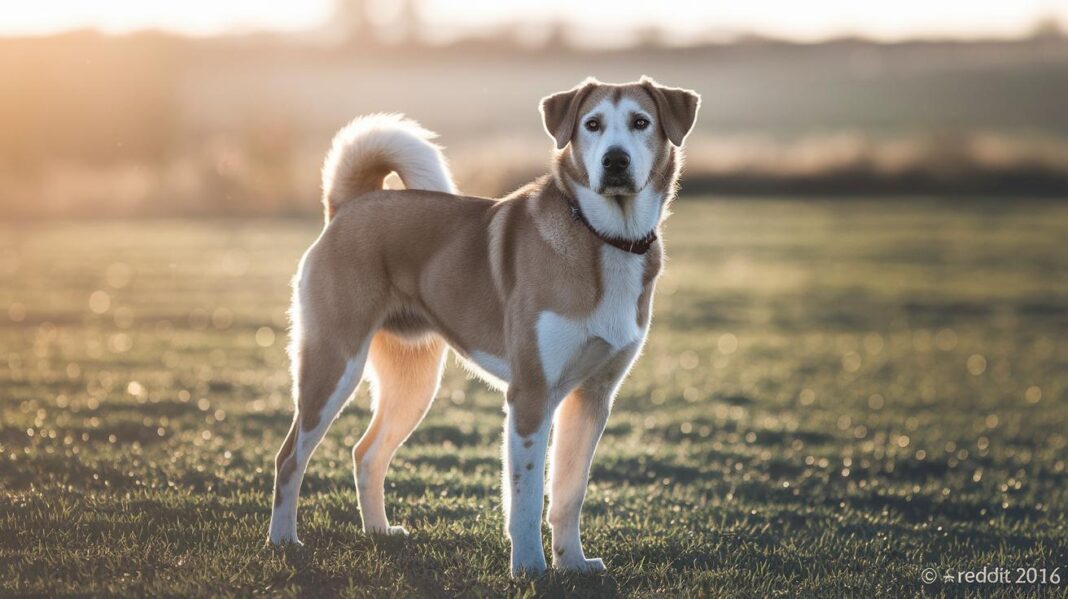

Ever wondered if a dog can carry centuries of history in its heart? Meet the Kangal. These large dogs have long guarded flocks and families in Turkey. They come from a rich heritage and bring both strength and warmth to your home. Today, we explore why the Kangal is not just a guardian but also a loyal friend.
Kangal Breed Dogs Overview: History, Traits, and Care Requirements
The Turkish Kangal Dog started in central Turkey as a protector for sheep and villagers. They were bred to keep predators like wolves, bears, and jackals away. Some believe their roots go back to Babylon, Assyria, or Mesopotamia. Researchers began studying this impressive breed in earnest around 2003. Today, Kangals are celebrated as Turkey's national dog and even appear on stamps and coins.
Kangal dogs are among the largest in the canine world. They weigh between 40 and 68 kg (88 to 150 lbs) and stand 63 to 81 cm (25 to 32 inches) tall. A fully grown Kangal can easily tower over a person. They have a sturdy body with a slightly longer torso than height. Their front legs measure just over half their height. They sport a short, dense coat in shades of brown, fawn, or cream with a distinct black mask and velvety black ears. This look shows off both their strong guarding skills and gentle side.
At home, Kangals are calm and friendly. They bond closely with their family but are quick to alert if danger is near. Their steady nature makes them great companions if you can give them regular training and social time.
These dogs need plenty of energy-burning exercise. Aim for at least 2 hours of active play daily in a safe, enclosed space. After all, they can run up to 30 mph (48 km/h)! Grooming is simple too, a weekly brush is enough to keep their coat healthy.
This mix of rich history, bold looks, and easy care has made the Kangal a true icon among Turkish guardian dogs.
Origins of Kangal Breed Dogs in Anatolia
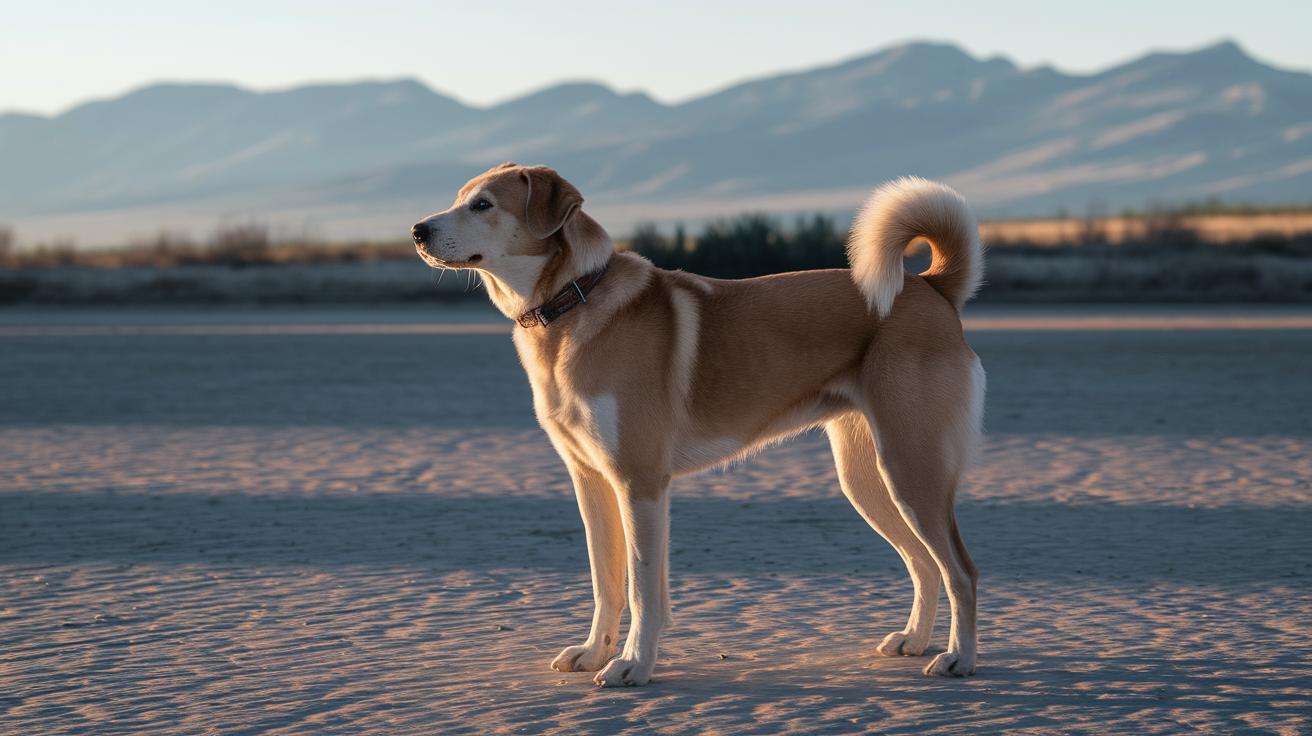
Kangals began their journey in Sivas Province in Turkey. They were raised to protect sheep and villagers from wild animals like wolves, bears, and jackals. Growing up in tough, rural areas helped shape their strong Anatolian character over many years. Nomads relied on these powerful dogs to guard their flocks, and over time, their heavy build and calm courage helped them thrive in the rugged Anatolian steppes.
Recent studies looking at genes and old artifacts show that Kangals are related to guardian dogs from Turkestan. These dogs did more than just protect animals; they also came to symbolize loyalty and strength. In the heart of the Anatolian steppes, the Kangal stood as a quiet guardian, its watchful eyes a promise of safety. Their history shows why they are admired as true protectors and icons in Turkish culture.
Physical Traits of Kangal Breed Dogs: Size, Coat, and Build
Kangal dogs are built for hard work. They have a long, sturdy body with front legs that are just a bit more than half the dog’s overall height. Their strong frame supports a short, tight coat that comes in colors like fawn, cream, or light dun. You will also notice their unique look with a dark face mask and soft, black ears.
They have a wide head, powerful jaws with big teeth, and a tail that curls into a neat ring. These features give the Kangal a look that is both protective and impressive.
| Trait | Details |
|---|---|
| Weight range | 40-68 kg (88-150 lbs) |
| Height range | 63-81 cm (25-32 inches) |
| Coat color variants | Fawn, cream, light dun |
| Facial mask & ears | Dark mask with soft, black ears |
| Body proportions | Longer body than height, strong structure |
Temperament and Behavior of Kangal Breed Dogs
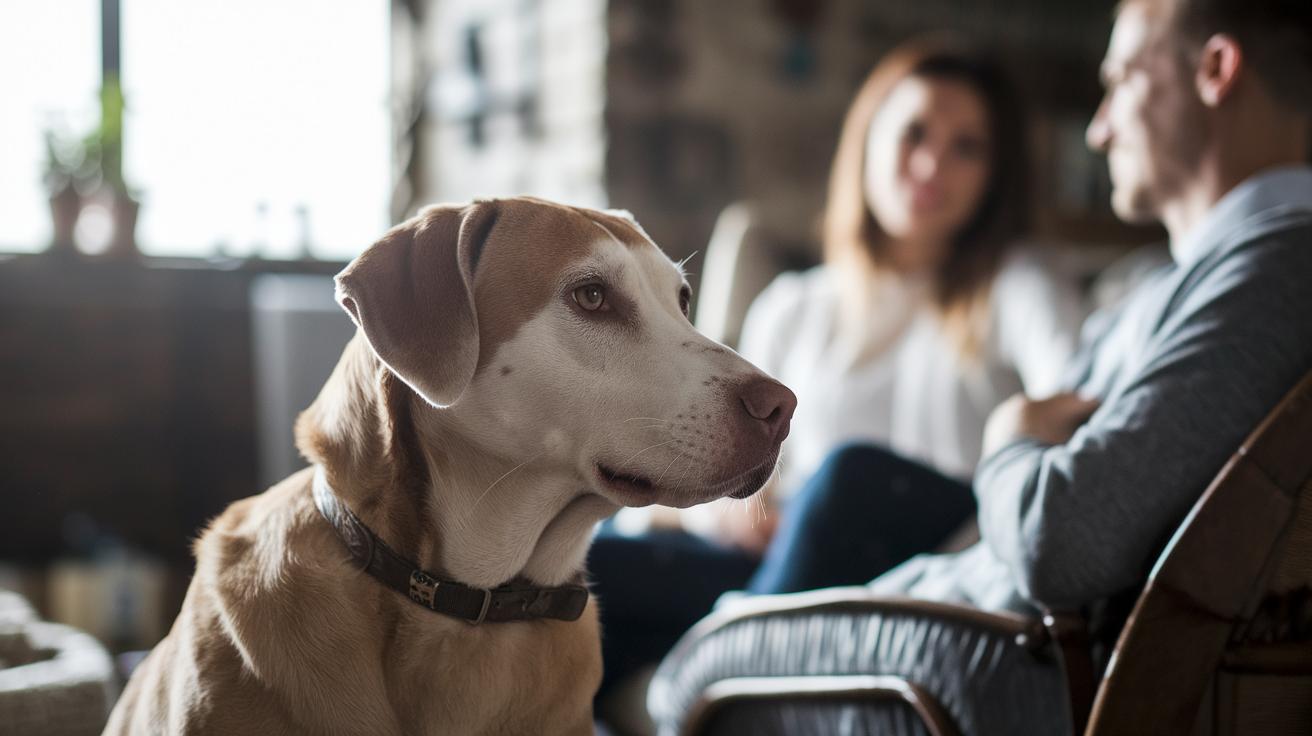
Kangal dogs have a calm and steady nature when they are with their families. They form deep bonds, making them both loyal and gentle at home. Their big, deep brown eyes show a mix of affection and readiness to protect when needed. When something seems off, they quickly switch to protection mode. This balance of being loving and guarding makes them great companions and reliable farm dogs.
Here are some key traits of the Kangal temperament:
| Trait | Description |
|---|---|
| Calm Nature | They stay cool and composed at home. |
| Strong Protector | They step up when danger is near. |
| Loyalty | Deep attachment to their family. |
| Reserved with Strangers | They take time warming up to new people. |
| Tolerant | Good with kids and other pets if socialized early. |
These dogs are patient with children and other pets, especially when socialized early. They tend to bark only when it really matters, keeping the home quiet and peaceful. Overall, their gentle nature at home combined with their protective instincts makes them a valuable part of any family. With clear training and consistent guidance, Kangals thrive and make wonderful companions.
Care Requirements for Kangal Breed Dogs: Exercise, Grooming, and Environment
Kangal dogs need at least 2 hours of active play each day. These strong dogs can even run as fast as 30 mph. A safe yard is a must. Make sure your yard has a fence that is 6 feet high and remove any things they might climb on, like rocks, logs, or lawn chairs. For example, set up a morning play session in a yard with a 6-foot fence and no obstacles, and let your dog run free for 2 hours.
Grooming your Kangal is easy but important. Brushing them once a week helps remove old hair and lets you spot any skin problems early. Brush your dog gently all over, and pay extra attention during shedding season. This weekly habit keeps their coat healthy and lets you catch any changes right away.
Health and Nutrition for Kangal Breed Dogs: Longevity and Well-being

Kangal dogs thrive when their food and care go hand in hand. Feeding them two meals a day of high-quality dog food gives them the steady energy and nutrients they need. You can offer low-calorie treats occasionally, but keep an eye on extra calories so they stay at a healthy weight. A balanced diet helps keep their joints strong and aids their mobility.
Owners should stay on top of health checks, like screening for hip dysplasia (a joint condition many large dogs face) and other issues common in the breed. Regular vet visits catch problems early, which means you can act fast if something comes up. Many pet parents even add joint supplements to help ward off arthritis, and genetic tests can alert you to any inherited problems.
Keeping a steady routine of good food, regular vet visits, and plenty of exercise can help your Kangal live for 12 to 15 years. For instance, making sure you visit the vet twice a year and monitor their diet closely can make a big difference. With careful management, your loyal, majestic companion will stay active and full of life for years to come.
Training and Socialization of Kangal Breed Dogs
Raising a Kangal needs a calm, steady approach. These dogs are smart but also quite independent. Start training your puppy early to build trust and teach simple commands. Because Kangals are strong, it helps to have an experienced handler set clear rules and guide them in socializing.
Begin by letting your young Kangal meet different people, other pets, and visit new places. This early exposure stops overprotectiveness and builds confidence. Use kind words and treats to reward good behavior. For example, when teaching your pup to sit, say "Sit," offer a treat when they follow, and then give lots of praise.
Here are some steps to follow:
- Have short training sessions every day to build focus.
- Use clear commands and stick to them every time.
- Slowly introduce your dog to different social settings.
- Reward calm behavior with praise or treats.
- Correct any mistakes with quiet, firm guidance.
With consistent practice, your Kangal will learn discipline and good social skills. In time, they can become well-behaved guardians, blending affectionate loyalty with watchful protection.
Kangal Breed Dogs in Real-Life Roles and Comparisons
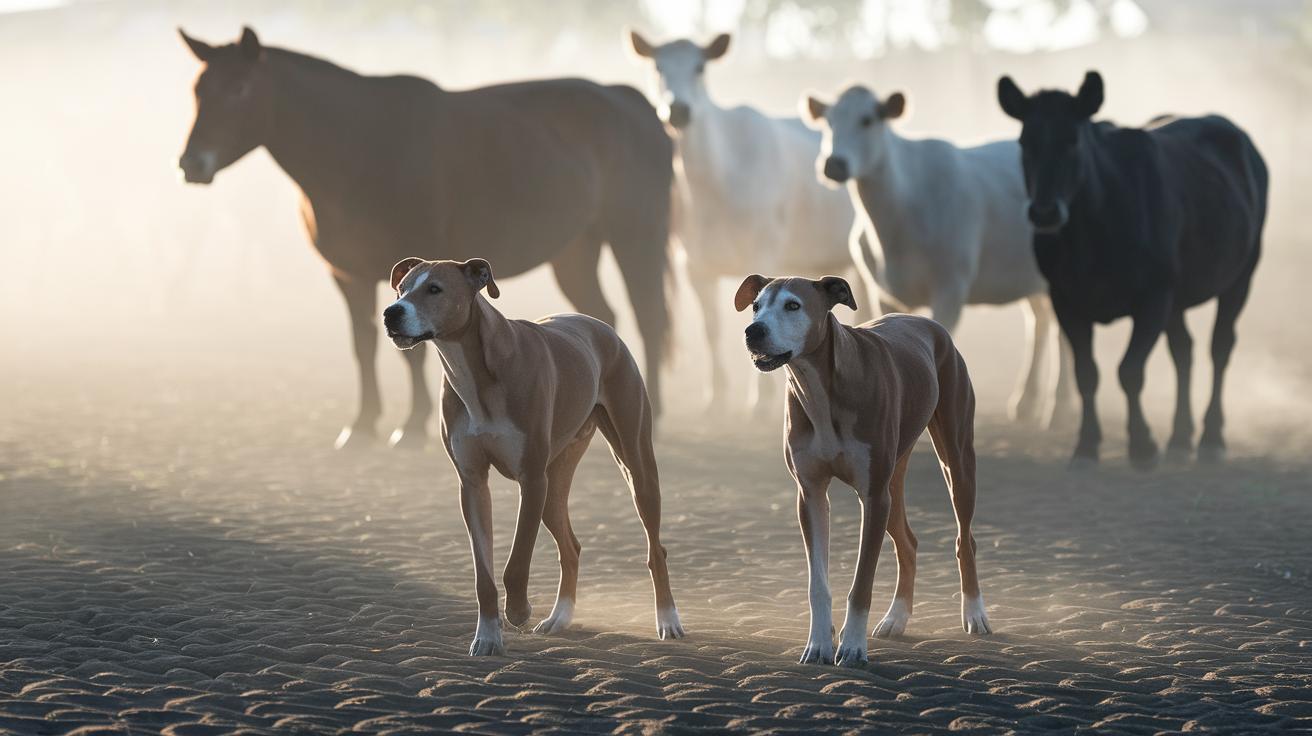
Kangal dogs work hard to protect farms and ranches. They guard flocks from wolves, bears, and other wild animals. They are great at both handling cattle and keeping a safe perimeter. Their body and speed are impressive, much like Great Danes. Kangals focus on defending livestock, which makes them very good for ranch security and herding cattle.
On many farms, these dogs use their strength and natural alertness. Their work as guardians shows in every task they complete. Unlike other breeds known only for size or strength, Kangals make smart, quick choices while staying watchful. Many farmers rely on them as real-time protectors for their animals.
One rancher described it well: "Having a Kangal is like having a loyal bodyguard, always ready to step in."
Key roles include:
- Guarding livestock from wild predators
- Excelling at herding cattle
- Patrolling large areas for safety
- Acting fast in emergencies
- Keeping a proud working tradition
These qualities make Kangals not only strong and reliable workers but also loving companions on busy farms and ranches.
Final Words
In the action, we explored history, traits, and care needs of kangal breed dogs. We covered their deep-rooted origins, impressive physical build, and gentle yet protective nature. We also reviewed proper exercise, grooming, and nutritional tips to help these remarkable canines thrive. Training and social interactions were highlighted to bring out the best in them. This guide leaves you with clear, workable steps to keep your pet safe, healthy, and happy.
FAQ
What are the costs and availability of Kangal dogs?
The price of Kangal dogs depends on lineage and breeder reputation, with costs varying widely. They are available for sale through specialized breeders, and buyers in the USA should verify local rules.
Are Kangal dogs legal to own in the US?
The legality of owning a Kangal dog in the US depends on local regulations. Always check with local authorities to confirm any breed restrictions before purchasing a Kangal.
Are Kangal dogs dangerous?
The idea that Kangal dogs are dangerous starts with their protective nature. They are generally calm at home but will become assertive protectors if they sense a genuine threat.
What are the size and physical traits of Kangal dogs?
The Kangal dog size is large, typically weighing 40–68 kg (88–150 pounds) and standing 63–81 cm tall. They feature a robust build with a distinctive black mask and velvety ears.
Is the Kangal a good family dog and a strong guardian?
The Kangal makes a reliable family dog when well-socialized. They are known for their loyal, calm temperament and strong guarding abilities, ensuring protection for both family and livestock.