

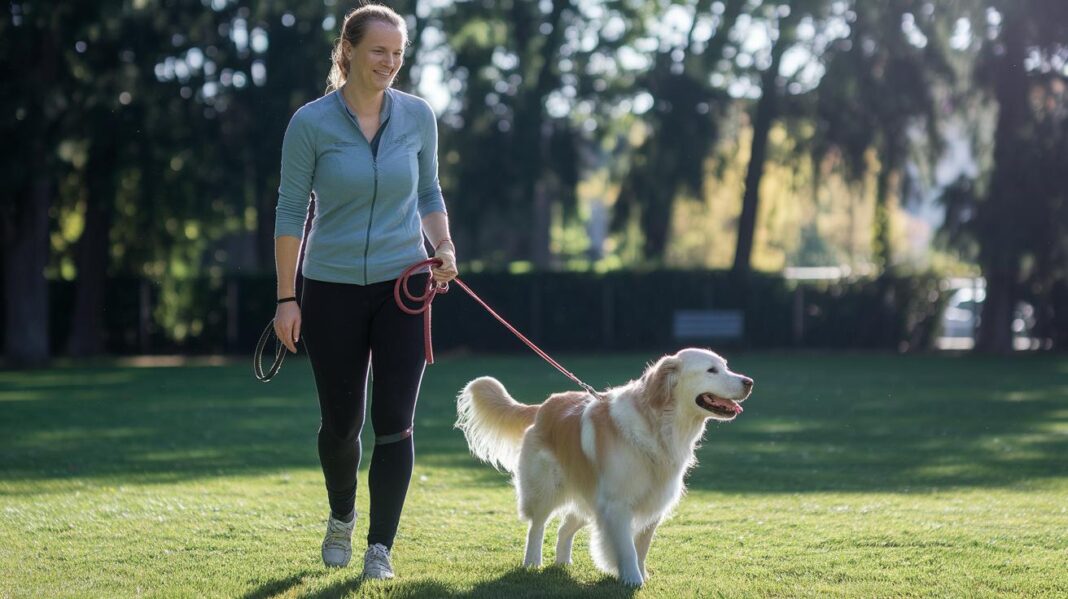

Have you ever wondered how some dogs seem to understand exactly what you want? Training your pup might be a lot easier than you think. Try short, fun sessions with clear commands and a few yummy treats. When your dog picks up new tricks quickly, you'll feel closer and enjoy a happier home. In this blog, we share simple tips and training routines to help you create a friendly and well-behaved companion.
Key Dog Training Tips to Improve Behavior and Obedience
Keeping training sessions short and fun helps your dog learn more quickly. Try 5 to 10 minute sessions so your dog stays interested and doesn't get frustrated. Use clear commands along with immediate rewards to build a strong learning routine. For example, when your dog follows a command, click and give a small treat your dog loves, like chopped cheese or dried salmon. This mix of clear cues and tasty treats makes training a happy cycle.
- Keep sessions short: Stick to 5–10 minute sessions to maintain your dog’s focus.
- Reward right away: Give treats and praise immediately after your dog does something right.
- Pick tasty treats: Choose small rewards like chopped cheese or dried salmon that your dog really enjoys.
- Mix in social time: Let training include meeting new people or dogs to help build confidence.
- Start easy and build up: Begin with simple tricks and slowly add more challenges as your dog improves.
Setting up a regular training schedule can prevent frustration and build good habits. Short, upbeat sessions not only teach basic commands but also pave the way for more advanced skills over time. With steady practice and lots of rewards, you'll enjoy watching your dog's skills grow and your bond get even stronger.
Housebreaking and Crate Training Tips for Stress-Free Elimination
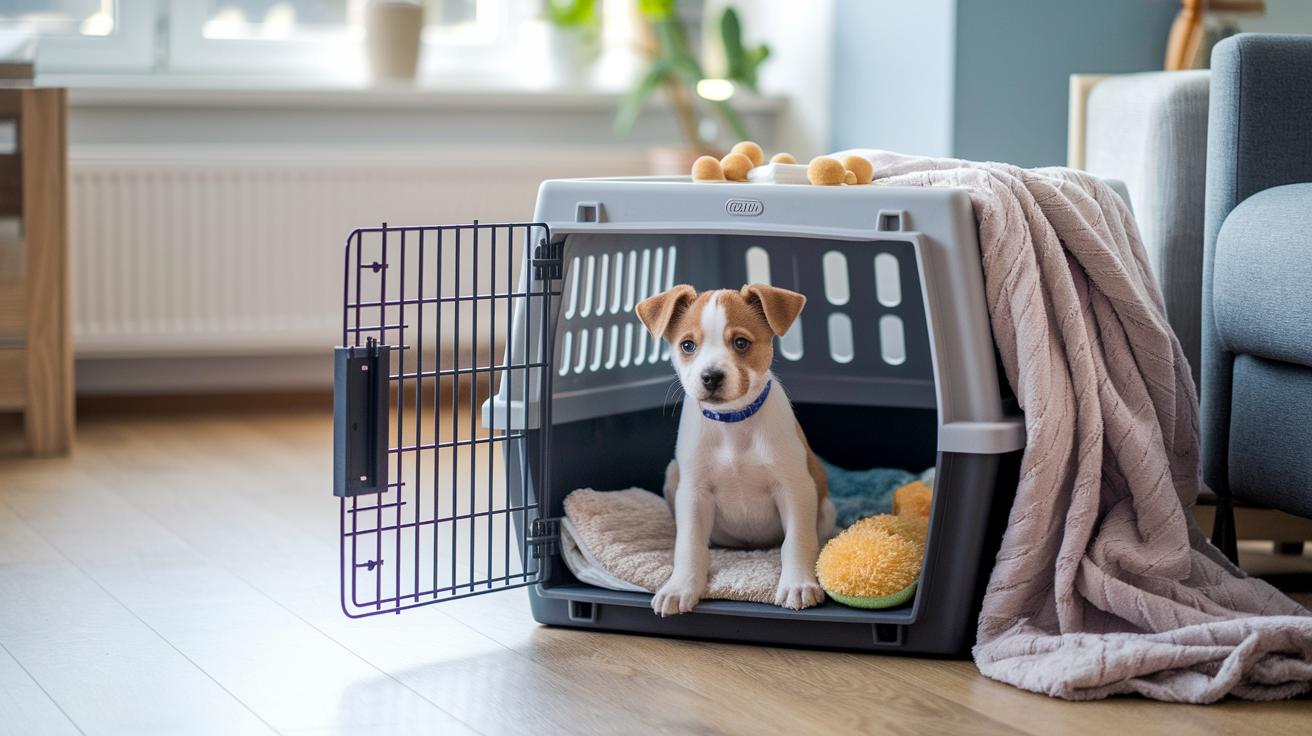
Your puppy's crate can be a safe, little den where he learns a routine and feels calm. Leave the door open and feed meals inside so your pup sees it as a cozy spot that helps with potty training.
Start with a simple schedule. Feed your puppy at the same times every day and take him outside every 2 hours and right after meals. When he goes outside, give him quick praise or a small treat. This clear routine helps your puppy know exactly when and where to go.
Slowly get your puppy used to his crate as a comfy retreat. Begin by placing his favorite toys and a few treats inside, and keep the door open during the day to ease his anxiety. Gradually let him spend more time in the crate by putting meals and occasional treats there. Over time, he will form a positive connection with his crate.
Combining a regular feeding and bathroom schedule with gentle crate training makes housebreaking stress-free. Clear routines, prompt rewards, and a safe space all work together to simplify the process for both you and your new companion.
Obedience Command Fundamentals and Dog Training Tips
Teaching your dog basic commands creates a strong bond and makes everyday life safer. When you train with clear words and hand signs, your dog quickly learns what you want. Short, fun sessions of 5-10 minutes keep your pet focused and happy. Use a click and treat method to reward the right behavior right away.
Sit Command
To teach the sit command, hold a treat near your dog's nose. Slowly move the treat upward so that your dog's bottom touches the floor. The moment they sit, click once to mark the good behavior and give them the treat. This simple method shows your dog that the click means "yes, good job!"
Come Command
Practice the come command in a quiet area, using a long leash if needed. Call your dog's name in a cheerful voice and invite them to come over. When they reach you, click to mark their success and treat them. This helps your dog learn to come back quickly, which is important for their safety.
Leave It Command
For the leave it command, hold a treat in your closed fist. Wait until your dog stops reaching for it. When they do, click to mark the behavior and then offer a different treat. This teaches your dog self-control and helps them avoid picking up things that might be unsafe.
| Command | Cue | Desired Response | Typical Training Time |
|---|---|---|---|
| Sit | Sit | Your dog sits calmly | 5-10 mins per session |
| Come | Come | Your dog returns promptly | 5-10 mins per session |
| Leave It | Leave It | Your dog stops engaging | 5-10 mins per session |
Advanced Dog Training Tips for Behavior Correction
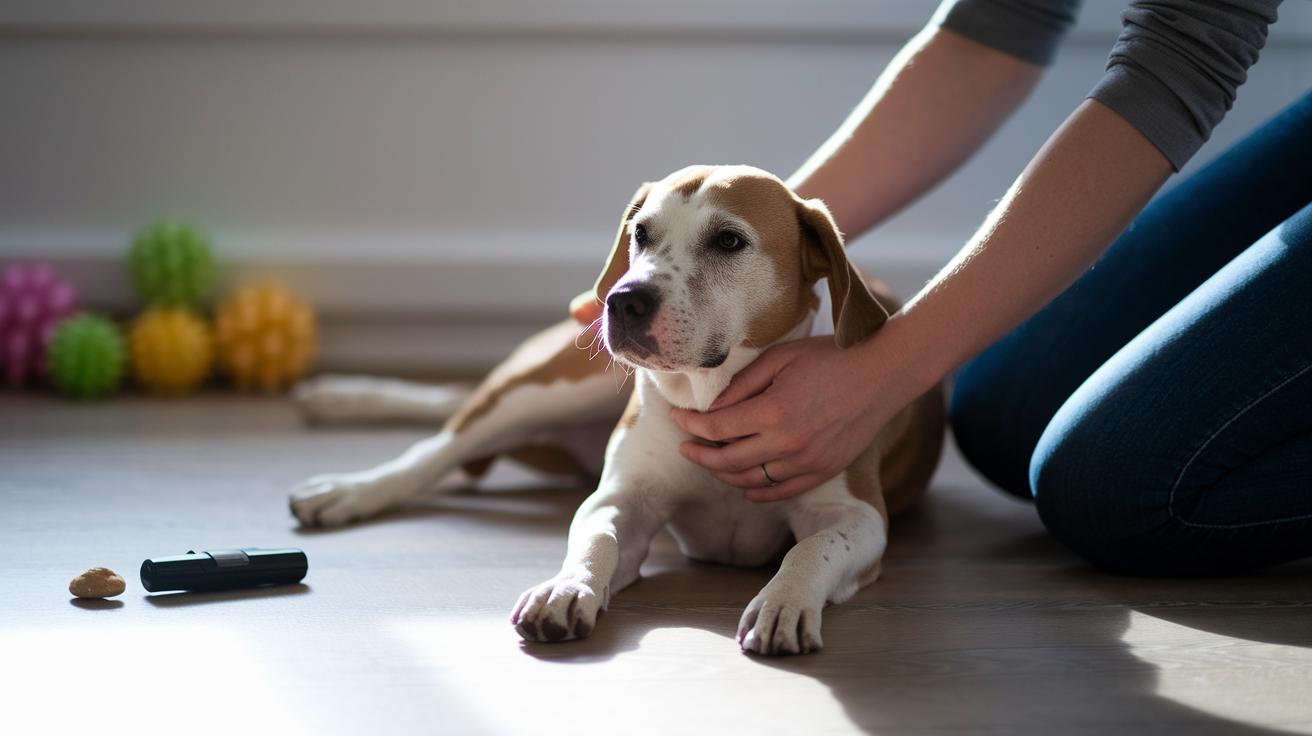
Start by practicing recall in a calm, controlled setting. Choose a quiet room or a calm spot outdoors where your dog can focus on coming when called. Slowly add small distractions such as a toy or another family member moving nearby. When your dog comes back, treat them right away with a small snack or kind words. This step-by-step plan builds a strong recall that holds up even with more distractions.
To help stop rapid barking, teach a simple "quiet" command. When your dog barks, wait for a short break in the noise, then calmly say "quiet." As soon as your dog stops barking, mark the silence with a click or soft sound and give a treat. This steady method shows your dog how to control their barking without using any punishment.
Instead of punishment for unwanted behaviors, focus on redirection and prevention. Remove things that trigger your dog whenever you can. If your dog starts a behavior you don’t want, distract them with a favorite toy or ask for a different command. These gentle redirection techniques help your dog focus on better choices without stress, gradually reducing unwanted actions.
Socialization and Senior Dog Training Tips for All Ages
Positive socialization is key in shaping a dog's behavior. When your dog meets different people, other animals, and visits new places early on, it grows more confident and less fearful. Try keeping sessions short and fun with small rewards for calm behavior to help both puppies and adult dogs feel safe in new surroundings.
Puppy and Adult Dog Socialization
For both puppies and adult dogs who are still learning, planned and positive encounters are very important. Arrange a few quick meet-ups in a quiet park or a friendly neighborhood. When your dog stays calm and friendly, offer a treat or play a short game. These brief, enjoyable sessions help your dog learn to enjoy meeting others without feeling overwhelmed and build a strong foundation for good manners in public.
Senior Dog Training Adjustments
Older dogs need a gentler touch. Keep training sessions short and slow to match their energy and physical needs. Choose easy, low-impact exercises that won’t hurt them, and pick treats that fit their diet. Using calm praise and softer treats shows them love and helps build their confidence even as they get older.
This caring approach meets every dog where they are. Whether your dog is young and full of energy or older and more relaxed, following these tips can make sure they feel secure, understood, and ready to learn.
At-Home Dog Training Tools and Resources

Using the right gear can make home training fun and simple. A treat pouch lets you hand out rewards quickly, so you can keep guiding your dog. A clicker sends a clear, sharp sound that tells your dog they did something right. Pair these with tasty treats like bite-sized cheese or dried salmon to keep your dog eager and focused during training. These basics help build a reward-based routine that really works.
Digital tools and mobile apps take the guesswork out of training. Many of these resources include easy-to-follow video lessons, progress charts, and custom plans that show you how to teach new tricks and commands. They make it easy to try out different drills and learn at your own pace right at home. These modern tools adjust to your dog’s unique needs and make training accessible and fun.
Online groups and forums offer great support from fellow pet owners. You can find practical, budget-friendly tips based on real-life experiences. These communities let you ask questions, exchange success stories, and get advice from those who have been there. Sharing ideas with others helps boost your confidence and turns training into a team effort.
Building Routine and Tracking Progress in Dog Training
Daily training times build your dog's focus and boost its confidence. When you set aside a regular time at home, both you and your pet know it's time to learn, making training fun and steady.
A set schedule also creates a calm space that helps your dog feel less stressed. Choose a specific time each day to train, which builds trust and helps your pet feel safe.
Keeping track of your dog's progress is a key part of training. Use a notebook or a mobile app to write down details like how long the session lasts and which commands are mastered. This simple record helps you decide when to make training a bit harder.
Review your notes weekly. Celebrate the wins and spot areas where a little extra practice could make a big difference. This helps keep your training routine clear and fun for both you and your dog.
Final Words
In the action, this guide has laid out practical dog training tips that show you how to improve behavior and obedience right away. It covered brief, effective training sessions, reward-driven techniques, crate conditioning for stress-free housebreaking, and clear command fundamentals.
You now have a step-by-step guide to work smarter with your pet, keeping training sessions short and fun. These dog training tips can help build lasting habits that keep your pet healthy, safe, and happy. Enjoy the training process and celebrate small wins along the way!
FAQ
Q: What are some popular dog training tips for beginners at home?
Dog training tips for beginners suggest short 5–10-minute sessions, rewarding small wins with high-value treats, and ending sessions on a positive note to keep your dog engaged and interested.
Q: What dog training tips suit older dogs?
Dog training tips for older dogs call for gentler, shorter sessions with appropriate treats. These techniques focus on consistency and positive reinforcement that fit their energy levels and health needs.
Q: What is the 3 3 3 rule for dog training?
The 3 3 3 rule for dog training means practicing three commands in three brief sessions over three consecutive days, which helps build a consistent routine and reinforce learning.
Q: What is the 7 7 7 rule for dogs?
The 7 7 7 rule for dogs involves training sessions of about seven minutes, focusing on key commands for seven days, and gradually increasing the challenge to enhance obedience.
Q: What are the five golden rules of dog training?
The five golden rules of dog training emphasize consistency, patience, positive rewards, keeping sessions short, and finishing on a high note to build your dog’s confidence and skills.
Q: What are the seven most important dog commands?
The seven most important dog commands usually include Sit, Come, Stay, Down, Leave It, Heel, and Off, forming a clear foundation for effective communication and safety.