



Have you ever wondered why Siberian Huskies steal so many hearts? These pups are not only pretty with their bright blue or mixed eyes and fluffy coats, but they also have a clever and hardworking history from snowy regions. Their thick fur kept them warm while they worked hard in cold, icy lands.
Huskies are playful and full of energy. They need plenty of exercise and love to run and explore. This makes them a great match for families who enjoy an active lifestyle and outdoor fun.
In this post, we take a closer look at what makes Huskies so unique. From their past as hardy working dogs to their gentle, loyal nature today, it’s easy to see why they make such exciting companions for pet families ready for adventure.
Comprehensive Overview of the Siberian Husky Breed
The Siberian Husky is the only husky recognized by the AKC, and it sets the standard for the breed. Their thick double coat sheds all year, and they lose a heavy layer underneath twice a year, so regular grooming is a must. This beautiful coat not only looks amazing but also shows their past as hard-working sled dogs in icy conditions. For example, Huskies were bred to work in harsh arctic climates, covering long distances in freezing weather.
These dogs often have unique face markings and bright blue eyes or even eyes of different colors (a condition called heterochromia). These features add to their wild and mysterious look. Huskies are smart, loving, and a bit independent. They thrive on mental challenges and daily exercise. Whether it’s a brisk walk, a fun puzzle, or a good run, keeping them active is key to their happiness and health.
Huskies are playful and self-reliant, which might sometimes come off as stubborn. They do best when given clear boundaries and consistent training. This makes them a great fit for active homes that can meet their energy needs while enjoying their affectionate side.
With their mix of beauty, brains, and endless energy, Siberian Huskies make a captivating pet for anyone who loves an active and engaging lifestyle.
Origins and Historical Role of the Husky Breed

Sled Dog Heritage
For more than 2,000 years, the Chukchi people of Siberia counted on huskies to survive. These smart dogs were bred for long journeys across icy lands. Imagine a husky being as necessary as a warm pair of boots on a snowy path. They pulled sleds packed with supplies and worked hard in the cold. Early huskies were trusted partners in long races across the frosty tundra.
Kennel Club Recognition
Today, the Siberian Husky is the only husky type officially recognized by the American Kennel Club among 22 similar breeds. This distinction comes from its unique family history and traits. While many huskies share common features, only the Siberian Husky meets strict registry standards. They even helped during World War II as part of the U.S. Army’s Arctic Search and Rescue Unit, proving just how versatile and tough they can be.
Husky Physical Traits and Breed Standards Explained
The Siberian Husky is a favorite for many active families because of its unique looks and clear breed traits. Bred for cold weather, these dogs have a thick double coat with a soft undercoat that keeps them warm in freezing conditions. They show up in many coat colors including black and white, gray and white, red and white, agouti (a mix of colors), and even all white. These traits are set by standards that guide breeders in keeping a consistent look and performance.
| Characteristic | Male Standard | Female Standard |
|---|---|---|
| Height | 20-23.5 inches | 20-22 inches |
| Weight | 45-60 lbs | 35-50 lbs |
| Primary Coat Colors | Black & white, gray & white, red & white, agouti, all-white | Black & white, gray & white, red & white, agouti, all-white |
Beyond size and fur, the husky’s eyes and ears add to its charm. Their eyes may be blue, brown, or even two different colors (called heterochromia), giving them a very captivating look. The pointed, upright ears help them pick up sounds clearly, while their bushy tail often curls over the back. For instance, a husky’s bright eyes and erect ears quickly show its alert and friendly nature.
These breed standards make sure each husky is strong and striking, built to handle tough conditions. Knowing these details helps pet parents understand what to expect with grooming and care. Whether you’re drawn to their lively eyes or the variety in coat colors, understanding these standards is key to taking great care of your husky.
Husky Temperament, Behavior & Energy Levels

Huskies are smart, loving, and independent dogs that fill any home with energy. They are playful and full of heart, making them great friends for busy pet owners who can keep up with them. Daily play and fun brain games help keep these clever dogs busy and stop them from misbehaving.
These dogs are known for finding ways to escape. A safe fence about six feet high that leans inward is best. If your husky jumps a short fence, you might laugh and say, "He found another way out, time to fix that fence!" They love lots of play, whether it’s a quick run or a game of tug-of-war.
Huskies like to howl instead of bark. Their howls show their feelings and let you know how they are doing. Imagine a soft, friendly howl at sunset, as if they were confiding in you. This sound tells you they need regular exercise and fun challenges every day.
Taking them on brisk walks and setting up simple obstacle courses can help prevent boredom. Giving your husky plenty of ways to burn off energy keeps them happy and well-behaved.
dogs breed husky: Loving, Lively Companion
Huskies are full of life and love to move. They need about one hour of steady exercise each day. Fun activities like sledding, skijoring (a sport where a dog helps pull someone on skis), agility drills, or long runs work great. Regular play keeps them sharp and strong and helps prevent escape attempts or chewing on things.
Because huskies are so active, they do best on a high-protein, moderate-fat diet. Feeding them premium kibble made for active dogs gives them the energy for long outdoor adventures. This food also helps maintain a shiny coat and overall health. It’s important to match their food portion with their daily activity to keep them at a healthy weight.
Brushing is a must for huskies. During heavy-shedding times, a daily brush helps remove loose hair and keeps your home cleaner. When they shed less, brushing two to three times a week is enough. Huskies do well in cooler weather. In winter, their thick fur keeps them cozy. But in summer, make sure they have shade, cool water, and exercise in the cooler parts of the day.
- Choose high-quality kibble suited for high energy needs
- Brush and deshed seasonally to manage loose hair
- Trim nails and check ears once a week
- Avoid exercise during the hot midday hours; consider using cooling vests or mats
- Increase coat care during heavy-shedding seasons
Common Health Concerns & Veterinary Care for Huskies

Huskies are strong dogs, but they can have health challenges that need attention. They might develop hip dysplasia (a joint issue), progressive retinal atrophy (a condition that leads to vision loss), or zinc-responsive dermatosis (a skin problem from low zinc). Starting regular vet visits when your husky is a puppy helps catch these issues early.
Routine check-ups are very important for your husky's health. For example, joint X-rays can spot hip problems before they get worse. Annual eye exams are essential to find early signs of vision loss. Blood tests (which check for nutrient or metabolism issues) can also help prevent skin troubles.
- Joint X-rays reveal hip issues.
- Eye exams catch vision changes.
- Blood tests screen for hidden problems.
If you see signs like limping, changes in vision, or unusual skin irritations, it’s a good idea to visit your vet. These simple steps can help your husky live a long, happy, and healthy life. Always work with your veterinarian to adjust care as your husky ages.
Lifestyle Compatibility: Is the Husky Right for Your Home?
Huskies are full of energy and work best in a home with plenty of room to run and play. They need a safe yard with a fence about 6 feet tall that leans inward to keep them secure. Without a proper enclosure, these smart escape artists can find ways to wander off and get into trouble. If you enjoy long walks, active play, and outdoor sports, a husky could be a great fit.
A husky needs regular exercise and interactive training to keep its mind sharp. They are also known for their love of digging, so if you have a fancy garden or delicate landscaping, you might see your flower beds disrupted. Early socialization is important, especially if your husky will be around both adults and kids. However, it’s best to avoid letting young children play with them unsupervised to ensure everyone stays safe.
Consider these points when deciding if a husky suits your lifestyle:
- Do you have a large yard with a secure, inward-leaning fence?
- Can you commit to daily exercise and training sessions?
- Are you ready for a pet whose energy might be too much for a fragile yard?
These questions can help you determine if a husky is the right match for your home.
Husky Adoption, Rescue & Ethical Breeder Selection
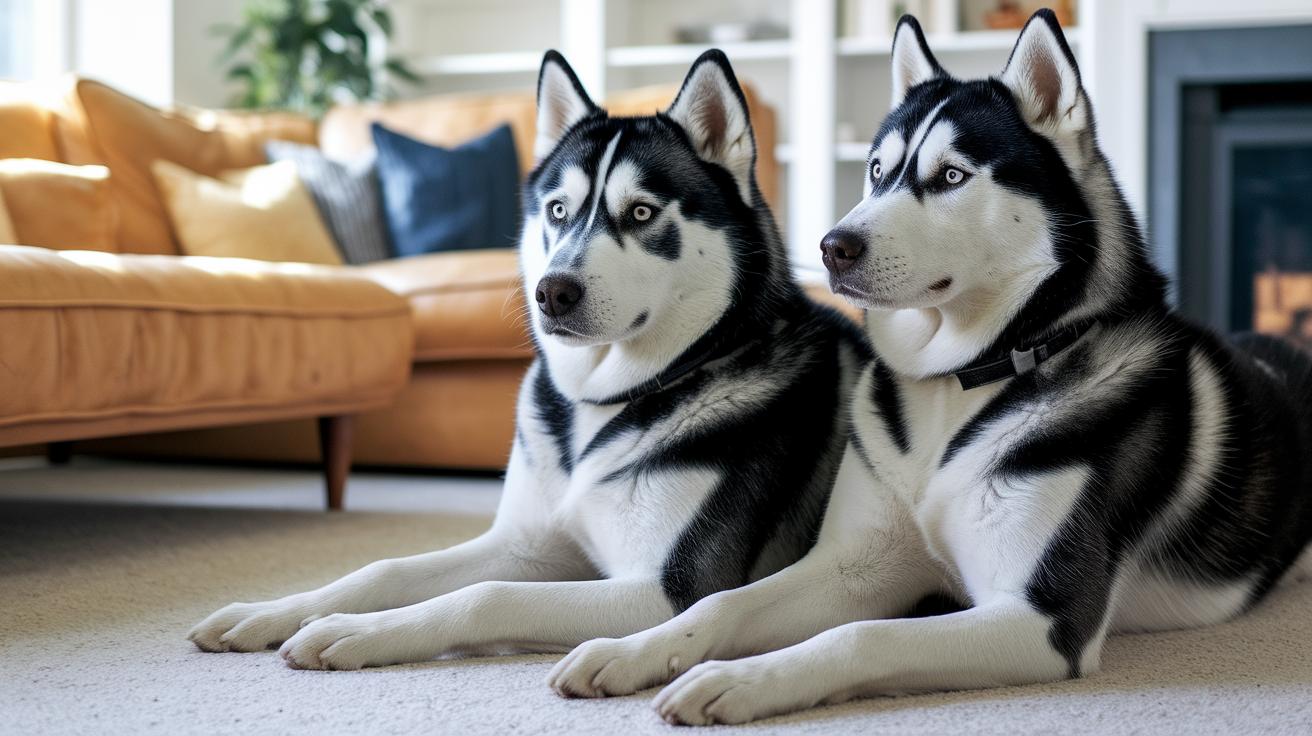
Adult huskies are a great choice if you want a pet with a clear and steady personality. When you adopt an adult husky, you already know what to expect, which is perfect for busy families. Many rescue groups and foster networks focus on Siberian Huskies. They connect you with adult dogs that come from a known background. To start, check your local shelter, visit websites like Petfinder or Pet Harbor, or search for husky-specific rescue groups. Good rescues also give complete health checks and look over a dog’s behavior so you feel confident about your new friend.
If you decide to get a husky from a breeder, pick one who follows strong, ethical practices. Look for breeders registered with the American Kennel Club (AKC) and who perform genetic tests to check for issues like eye or hip problems. A trusted breeder cares for their dogs and manages their litters responsibly. They will answer your questions about health checks and early care details. This careful process helps you find a husky that fits your lifestyle and will be a loving, playful companion.
Final Words
In the action, we explored the Siberian Husky’s unique character, tracing its rich history and outlining its solid breed standards, physical traits, and vibrant temperament. We broke down steps for exercise, nutrition, grooming, and vet care. You learned how these dogs breed husky traits meet the needs of active households and why ethical adoption or breeding matters. Enjoy creating a life full of energetic play, dedicated care, and lasting companionship that keeps your pet healthy, safe, and happy.
FAQ
What are the 4 types of Huskies?
The 4 types of huskies generally include the purebred Siberian Husky, the versatile Alaskan Husky, a look-alike Malamute often compared to huskies, and other arctic-type dogs found in various regional registries.
What is the husky dog price?
The husky dog price varies by breeder and location. A Siberian Husky puppy may cost a few hundred to over a thousand dollars, influenced by pedigree, care, and demand in your area.
What do terms like Alaskan Husky, Wooly Husky, and dogs similar to husky but smaller mean?
An Alaskan Husky is a mixed breed built for sledding, while a Wooly Husky refers to one with an extra-dense coat for cold climates. Smaller breeds, like the Alaskan Klee Kai, mimic husky looks in a tiny package.
What should I expect from a Husky puppy?
A husky puppy is playful, spirited, and quick to show independence. They require plenty of exercise and mental play, and their thick coat means regular grooming to manage heavy shedding.
Is a Husky a good family dog?
The husky can be a great family companion for active households. They are friendly and playful but need plenty of exercise and mental challenges, making them best suited for families committed to an active lifestyle.
What behavior issues do Huskies have, and are they aggressive?
Huskies can be stubborn and are known escape artists, but they are generally not aggressive if well socialized. Their high energy and independent streak call for consistent, positive training and secure environments.