



Ever wonder if just a few small changes can boost your pet's life? With healthy food, regular play, and vet check-ups, a strong body and clear mind are right around the corner. Pet wellness means more than just keeping illness away, it means making every day a little brighter for your furry pal. In this post, we explain how balanced meals, daily play, and preventive care can help your pet lead a stronger, happier life.
Animal Wellness: Bright Health for Every Creature
Animal wellness means keeping pets strong in body and clear in mind. A good plan starts with a balanced diet, regular exercise, and timely check-ups at the vet. Routine visits and shots (immunizations that help prevent common diseases) make it easier for pets to handle everyday adventures. Natural remedies and gentle therapies add extra support to keep both their body and mind happy.
A smart wellness plan combines healthy eating, daily play, and preventive care. Feeding your pet nutrient-rich food boosts energy and keeps their brain active, while regular exercise strengthens muscles and supports heart health. Routine vet screenings help spot health issues early. By mixing good food, fun activities, and regular checks, you can help your pet enjoy a vibrant, healthy life.
Nutrition Guidelines for Optimal Animal Wellness

Eating the right foods is the first step to keeping your pet healthy, happy, and full of energy. A well-balanced diet helps dogs maintain their lean muscles, and it gives cats the energy they need to play and purr. Feeding your pet nutrient-packed meals keeps them active and ready for fun. High-quality ingredients not only support strong muscles and a good immune system but also help your pet get the right balance in every bite. Smart pet owners know that great nutrition is the start of a long, vibrant life for their furry friends.
- High-quality animal-based protein sources
- Omega-3 and omega-6 fatty acids
- Dietary fiber (for good gut health)
- Antioxidants like vitamins C and E
- Essential vitamins and minerals such as zinc and vitamin D
- Probiotics (to help keep the gut bacteria balanced)
This feeding plan helps pets stay physically fit and mentally sharp. Adding organic meals into their diet makes sure every bite supports a shiny coat, smooth digestion, and endless energy. It’s important to adjust the servings based on your pet’s age and activity level. Whether you’re preparing a custom meal for your dog or planning a careful diet for your cat, the focus remains on using natural, wholesome ingredients. With balanced meals, your pet’s immune system gets a boost, and it helps them grow and recover during play. Every meal is a step toward a longer, happier life for your precious companion.
Designing an Effective Exercise Regimen for Animal Wellness
Dogs should get around 30 minutes of steady exercise every day. This helps keep their hearts strong and their muscles lean. For your cat, try 10 to 15 minutes of play two or three times a day. Activities like a safe yard stroll or a quick trip to a quiet park can boost both their body and mind. Some pets, especially older ones or those healing from an injury, might enjoy a gentle swim as a fun way to exercise.
Adding puzzle feeders and interactive toys gives your pet a playful brain workout. These fun challenges help them relax and feel emotionally balanced while learning problem-solving skills. Mixing movement with brain games keeps your pet active, focused, and happy all day long.
Preventive Care Schedule for Comprehensive Animal Wellness

Regular vet visits are a great way to keep your pet happy and active. Having a set schedule for checkups, vaccines, and parasite prevention (like for fleas, ticks, and heartworm) helps protect your pet from common illnesses. These routine visits let your vet spot any small issues before they turn into big problems, building a strong base for your pet's long-term health.
| Preventive Measure | Frequency | Starting Age |
|---|---|---|
| Core Vaccinations (distemper, parvovirus, adenovirus) | Boosters every 3–4 weeks until 16 weeks | 6–8 weeks |
| Rabies Vaccination | Annual booster | 12–16 weeks |
| Heartworm & Flea/Tick Prevention | Monthly | Year-round |
| Routine Wellness Exams & Screenings | Annual (biannual for seniors) | As advised by your vet |
Screenings during these visits are key. Regular checkups help find issues early, keeping your pet comfy and on the path to a long, active life. This schedule not only supports everyday wellness but also gives you peace of mind as you watch your companion thrive.
Holistic Therapies and Natural Supplements in Animal Wellness
Acupuncture and chiropractic adjustments can help ease pain and improve how easily your pet moves. Many pet owners see their dogs move more smoothly and with less stiffness after a session. These gentle treatments add a boost to your pet’s comfort, making everyday activities easier. Lots of vets appreciate this gentle approach.
Probiotic therapy helps keep your pet’s belly in balance by supporting good bacteria. Herbal supplements like milk thistle (which supports the liver) and turmeric (known for its anti-inflammatory benefits) work to keep your pet’s organs healthy. Adding the right amount of these natural aids may give your pet more energy and resilience. They work best when paired with a balanced diet.
Physical therapy, including exercises in water, is great for pets after surgery or injury. Water workouts take pressure off sore joints while building muscle strength. This gentle form of exercise is very helpful for active pets or those on the mend. Regular sessions boost blood flow, improve flexibility, and help your pet move more comfortably over time.
Behavioral Health and Stress Reduction for Animal Wellness

Using treats, praise, or extra playtime as rewards makes training fun and useful. When your pet sits on command and earns a small treat, they learn that good behavior brings rewards. This method helps build a strong bond between you and your pet while keeping things clear and enjoyable.
Interactive puzzles and games work wonders to ease stress. These activities give your pet a chance to use their brain and relax. Regular play sessions, along with quality time with family or other pets, create a calm and safe space that reduces anxiety. Mixing mental challenges with friendly social time helps your pet feel secure and balanced every day.
Grooming and Hygiene Practices to Support Animal Wellness
Brushing your pet’s fur every week stops tangles and spreads natural oils, which keeps their coat smooth and healthy. Cleaning their ears on a regular basis helps ward off infections, and checking their eyes every month allows you to catch early signs of trouble like redness or cloudy spots. While grooming, keep an eye out for any unusual patches, bumps, or dryness that might need a vet’s check.
It’s also important to care for their teeth. Brushing daily and scheduling an annual dental cleaning can help prevent plaque buildup and gum issues. Washing your pet with a gentle, hypoallergenic shampoo can soothe irritated skin and keep their coat soft. When you take time to pamper your pet, you not only contribute to their overall comfort and health but also strengthen the special bond you share.
Environmental Safety and Lifestyle Optimization for Animal Wellness
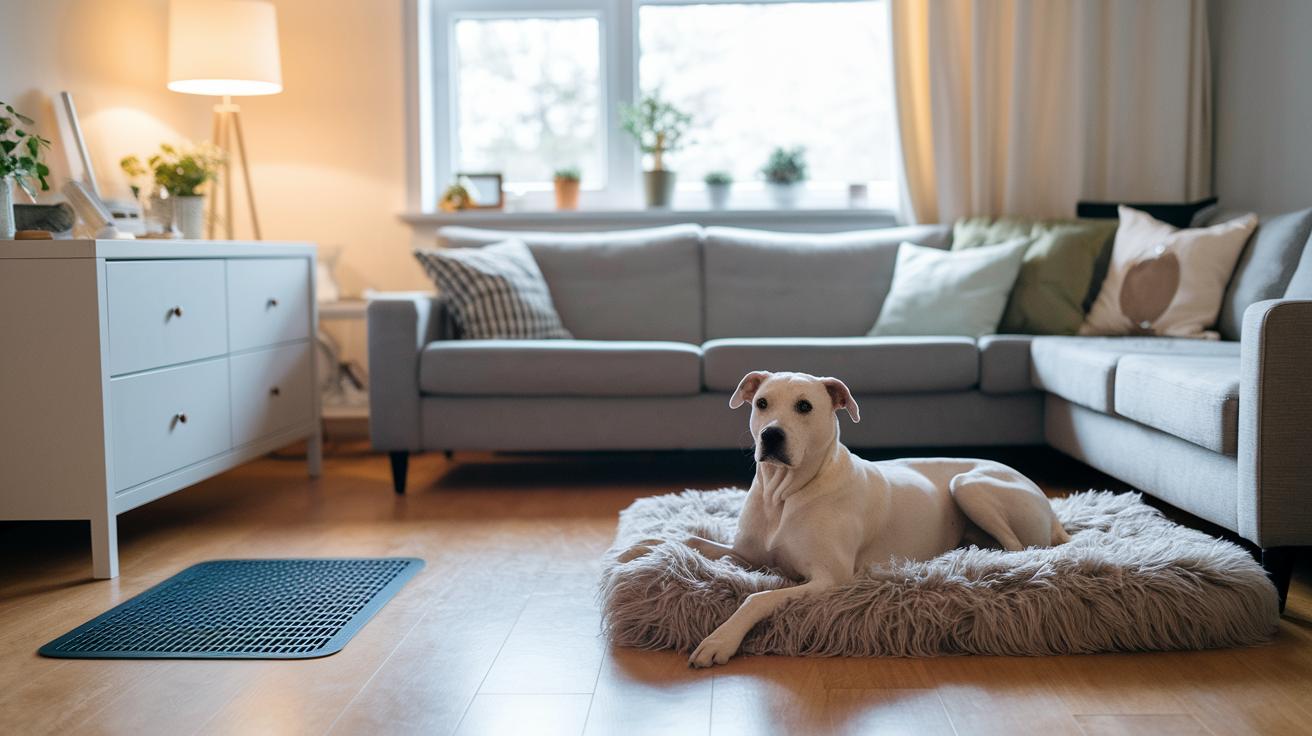
Start by removing household dangers like toxic plants and small items your pet could accidentally swallow or choke on. Keeping your home clean lowers the number of germs and keeps your pet safe. Using comfy bedding and keeping the room at a steady temperature helps your pet sleep better and feel more rested. Simple steps such as keeping floors clear and surfaces tidy also protect your pet from accidents and infections.
Make your home a cozy, safe place for your furry friend. Try adding cooling mats during hot days and heated beds in the colder months to keep your pet comfortable. These small changes not only help avoid injuries but also boost your pet’s overall well-being. By paying attention to the details of your pet’s living space, you make it easier for them to relax and stay healthy every single day.
Final Words
In the action, our article covered animal wellness in a clear, step-by-step way. It broke down core concepts like nutrition, exercise, and preventive care. We touched on holistic therapies, proper grooming, and environmental safety, showing how each element keeps your pet safe and nourished. Every tip builds a stronger foundation for your pet’s health and vitality. Stay positive and practical, and enjoy the peace that comes with a happy, healthy companion.
FAQ
What is animal wellness?
Animal wellness means a pet’s overall health, including its physical care, mental well-being, balanced nutrition, regular exercise, and routine veterinary support.
What are the key nutrition guidelines for optimal pet health?
Pet nutrition promotes muscle and immune strength by including high-quality protein, balanced omega fatty acids, fiber, antioxidants, essential vitamins, and sometimes probiotics for gut balance.
How can I design an effective exercise regimen for my pet?
An effective exercise plan offers daily physical activity, like walks or play, along with puzzle feeders that boost mental stimulation and help maintain a pet’s healthy weight.
What should be included in a preventive care schedule for my pet?
A preventive care schedule includes regular vaccinations, parasite control, and annual checkups. These measures help detect issues early and keep your pet protected year-round.
How do holistic therapies and natural supplements benefit pet health?
Holistic therapies, like acupuncture and gentle chiropractic care, along with natural supplements such as probiotics and herbal remedies, can ease discomfort and support better joint and organ function.
How can I improve my pet’s behavior and reduce stress?
Improving pet behavior involves positive reinforcement training and using interactive games or puzzles. Regular social time and gentle play help lower anxiety and keep your pet emotionally balanced.
What grooming practices support my pet’s overall wellness?
Regular grooming, such as brushing, ear care, and dental hygiene, keeps a pet’s coat healthy, prevents infections, and supports overall comfort and hygiene.
How do environmental safety and lifestyle changes boost pet wellness?
A safe environment free of hazards, clean living spaces, proper bedding, and climate adjustments help improve sleep quality and reduce the risk of injuries, enhancing a pet’s overall well-being.