

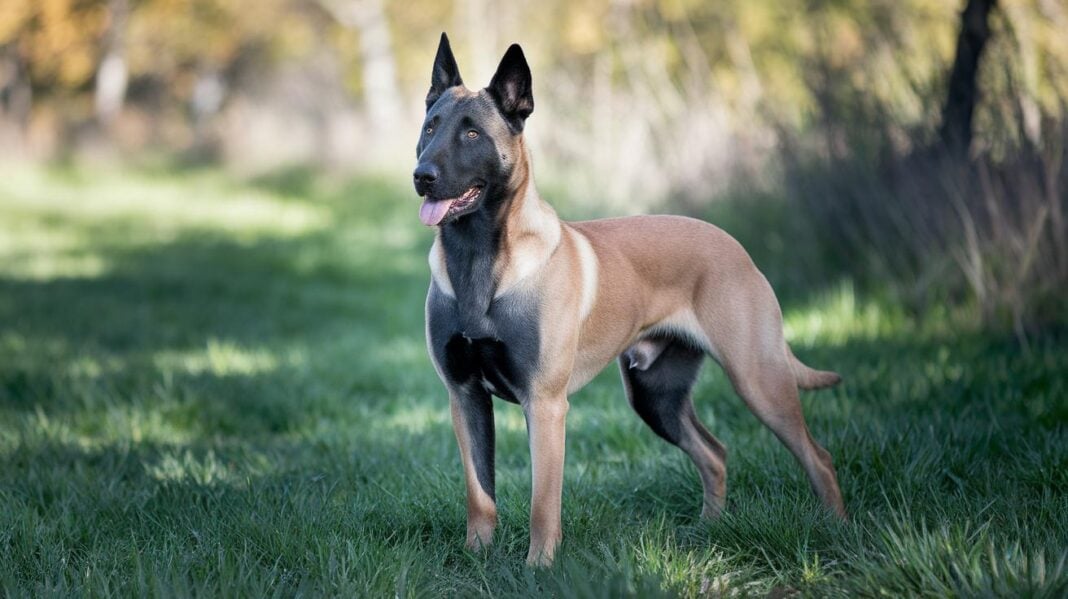

Have you ever wondered what makes the Belgian Malinois so special? These dogs have been carefully bred over the years, growing into brave, smart, and loyal companions. They originally helped out on farms by doing work alongside their owners. Today, many serve in police, military, and rescue teams.
Their quick thinking and high energy make them a top choice for pet parents with active lifestyles. In this article, we break down their rich history, key traits, and why families and professionals continue to choose them.
Belgian Malinois Breed Overview
The Belgian Malinois is one of four Belgian herding breeds. It was originally bred in Belgium to help with livestock herding on busy farms. Today, these loyal dogs work in police, military, and search and rescue operations, showing off their true working spirit.
They have a short, dense coat that comes in shades of fawn or mahogany and features a bold black mask. The coat protects them from the weather and sheds during certain seasons, so regular brushing is key to keeping it tidy. With an athletic build made for speed and endurance, a little grooming goes a long way in keeping them comfortable on the job.
This breed is known for its high energy, keen intelligence, and strong work drive. They need plenty of exercise and daily training to keep both their bodies and minds busy. While they are generally healthy and can live for 14 to 16 years, some may develop hip or elbow issues if not properly cared for. If you’re ready for an active lifestyle, the Belgian Malinois can be a dedicated and loving companion every day.
Belgian dog breed malinois: Brave, Bright, and Loyal
Early Herding Ancestry
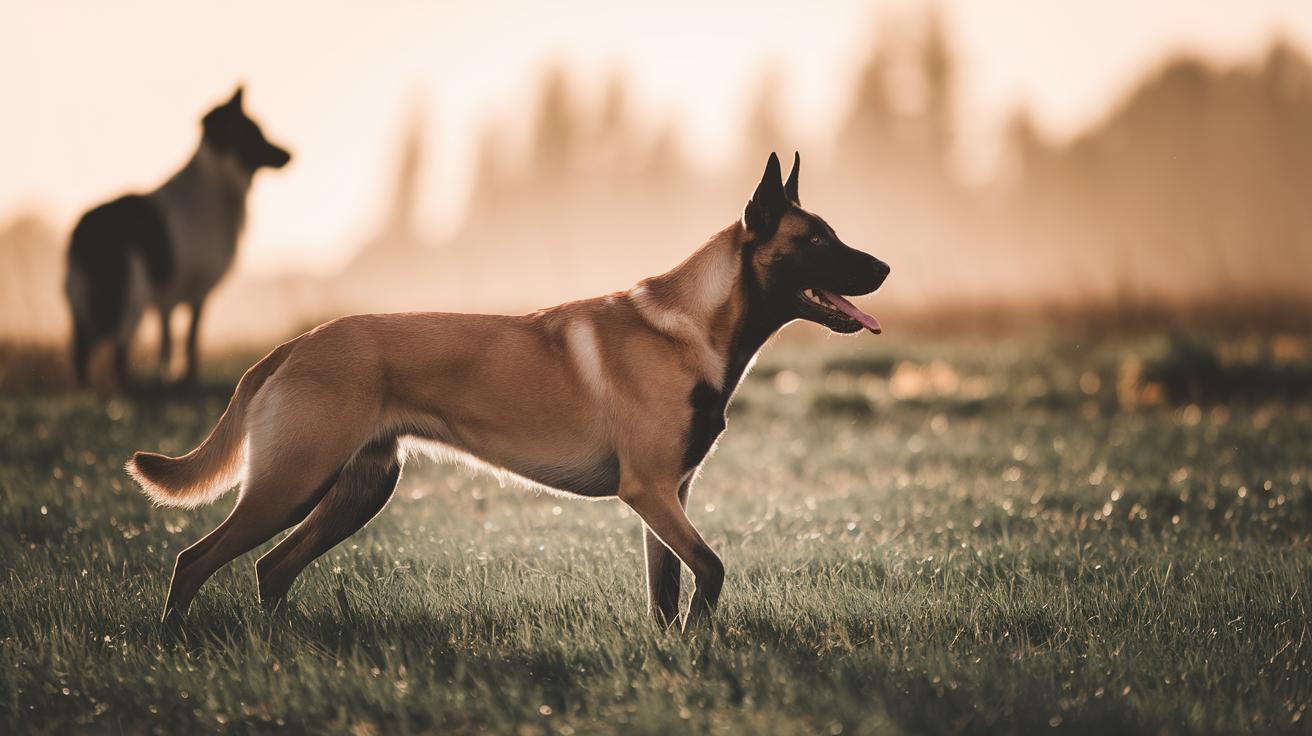
The Belgian Malinois is an ancient breed that started around 15,000 years ago during early farming times. Early people tamed wolves (wild dogs) to help care for their animals. These dogs worked with shepherds on open fields, and that early job made them very hardworking, a trait they still show today.
19th-Century Standardization
After Belgium became independent in 1830, farming grew fast and people needed strong dogs to guard and move livestock. This is when the Belgian Malinois began to stand out among other herding dogs. In 1891, Professor Adolphe Reul studied the breed, and breeders like Louis Huyghebaert and Jan-Baptist Moens carefully refined its traits. Their work helped create a dog that is quick, loyal, and strong, perfect for both herding and protecting animals.
The breed got its first official recognition when the Belgian Shepherd Dog Club formed in 1892. Soon after, the Société Royale Saint-Hubert celebrated its unique features. This era set the stage for a smart dog full of energy and a strong work drive, qualities that remain a big part of the breed today.
Military Service in World Wars
During both World Wars, the Belgian Malinois did important work as a messenger, scout, and guard dog. Their sharp senses and quick speed made them very useful in dangerous situations. They proved that their background as hardworking herders made them great helpers, even in the military.
Distinct Physical Traits of the Belgian Malinois
The Belgian Malinois has a slim and strong build made for hard work. Its body is designed for quick movement and long days on the job, making it a top choice for many working roles. With a solid frame and well-toned muscles, this dog is ready to handle tough tasks in various settings.
| Characteristic | Male | Female |
|---|---|---|
| Height | 24–26 inches | 22–24 inches |
| Weight | 40–80 pounds | 40–80 pounds |
| Coat Description | Short, dense double layer; fawn to mahogany with a black mask | Short, dense double layer; fawn to mahogany with a black mask |
The Malinois' coat is built to resist weather, but it does shed a fair bit during seasonal changes. Regular brushing helps get rid of loose hairs and keeps the coat looking its best. This practical fur also acts like a natural shield against harsh weather, making sure the Malinois stays quick and dependable in every job.
Temperament and Behavioral Profile of the Belgian Malinois
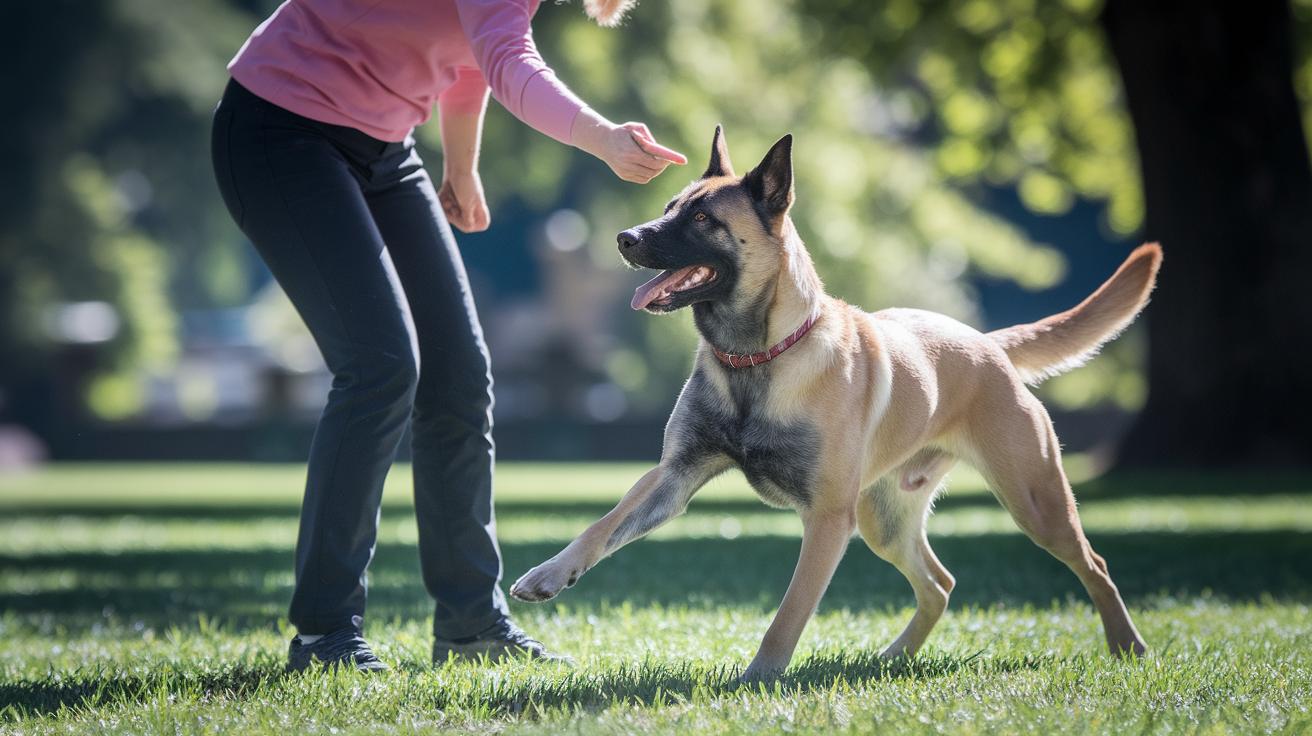
The Belgian Malinois is an active dog with a bright mind and a strong work ethic. They pick up new commands quickly, often impressing their owners with how fast they learn.
These dogs are naturally protective and form deep bonds with their handlers. Introducing them to different people early on helps blend their guarding instincts with a calm and friendly nature.
- High energy and stamina
- Fast learning and quick command response
- Strong protective and guarding instinct
- Deep loyalty to their handler
- Sensitivity to the tone used during training
- Ongoing need for mental challenges
Keeping a Belgian Malinois busy is important to prevent unwanted behaviors. Try mixing interactive play, puzzle toys, and short agility drills to help them use their energy wisely. Rewarding them with treats and praise when they respond quickly makes them more reliable and ready for everyday tasks.
Training and Exercise Requirements for Belgian Malinois
Obedience and Basic Commands
Your Belgian Malinois does best when you start with simple commands. Use words like "sit," "stay," and "come" along with lots of praise and treats. Early social time and clear cues help your dog learn boundaries and become a confident friend.
Advanced Tactical and Service Training
If you want your Malinois ready for special jobs, it’s important to add advanced training. This can include controlled bite work (safe bite exercises), scent detection (tracking a smell), and protection drills. Working with a professional trainer keeps these sessions safe and builds your dog’s focus for high-stress moments.
Agility and Sporting Activities
Fun activities like jump practice, tunnel runs, and small obstacle courses keep your dog both strong and alert. These exercises build speed, balance, and confidence while ensuring training is enjoyable. Regular play and practice help balance work and fun, reducing behavior problems.
Remember, working with a pet professional can go a long way. Gradually increasing challenge levels helps your Belgian Malinois grow and excel in different tasks. Expert advice ensures your training is safe, effective, and full of fun.
Working Roles and Service Capabilities of the Belgian Malinois
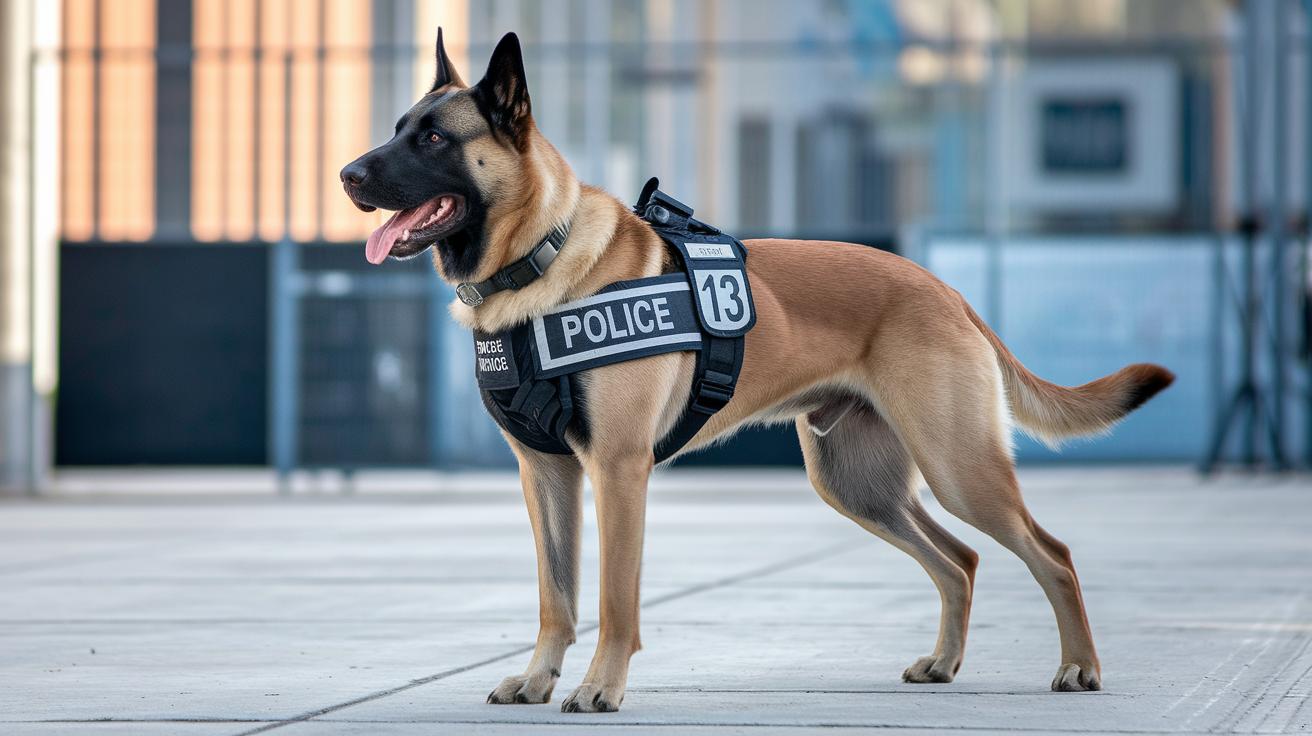
The Belgian Malinois is known as one of the best working dogs out there. Its speed, sharp senses, and strong drive make it a trusted helper in many challenging jobs.
Military and Police Functions
In military and police work, these dogs are truly essential. They patrol areas, sniff out hidden dangers, and help locate suspects. They work fast and stay focused on the task at hand. Some have even earned special recognition for their bravery. It is easy to see why top teams choose them for critical missions.
Search & Rescue and Detection
These dogs are also stars in search and rescue missions. With a powerful sense of smell (the ability to detect scents), they track missing people and spot dangerous items like explosives or narcotics. Their quick action and careful tracking are key in emergencies where every second counts.
Herding and Farm Duties
The Belgian Malinois has a long history with herding livestock. On farms, their quick moves and smart instincts help guide animals safely. They continue to work with the same reliable nature that made them popular in traditional herding roles.
The continued trust in these dogs for elite tasks shows their strong commitment and skill in serving alongside their human partners.
Health, Nutrition, and Daily Care for Belgian Malinois
Belgian Malinois usually live 14 to 16 years. Keep an eye out for common genetic problems like hip dysplasia (a joint condition that can cause pain and trouble moving) and elbow dysplasia. Spotting these issues early during regular vet checkups can help your dog stay active and feel good.
A healthy diet is very important for this busy breed. Lean meats provide high-quality protein that gives them energy. You can also add joint supplements like glucosamine (a helper for strong joints) to support their mobility. Feed your dog measured portions twice a day based on their size, age, and how active they are. Adjusting portions helps maintain a healthy weight and takes pressure off their joints.
Daily care routines keep your Malinois happy and healthy. Brush their coat every day to remove loose hair and check their ears for signs of infection. Each week, give them a good ear cleaning, dental check, and a bath to help with shedding. Don’t forget to set up yearly or twice-yearly vet visits for joint screenings and overall health checks. Regular parasite treatments and keeping up with vaccinations also play an important role in keeping your pet energetic and reliable.
Comparing the Belgian Malinois with Similar Working Breeds
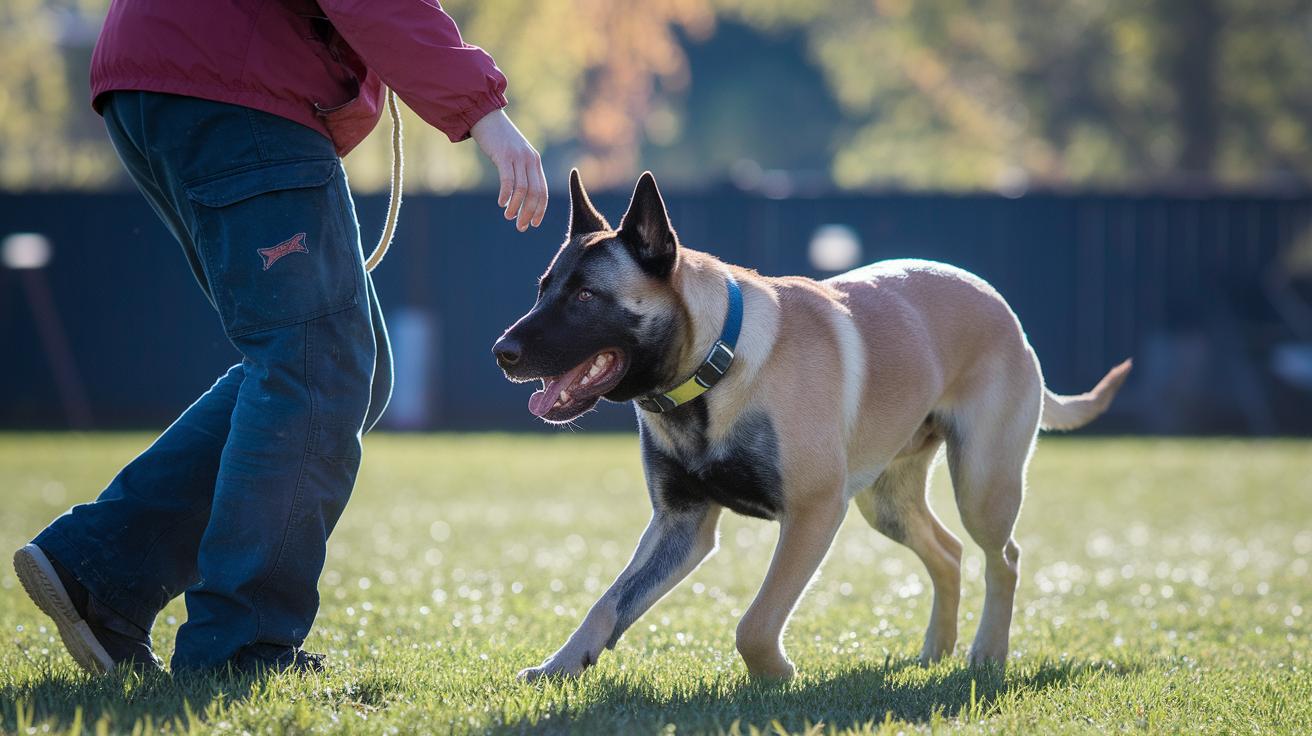
When looking for a working dog, it helps to compare traits like energy, coat care, drive, and learning speed. For example, the Belgian Malinois needs lots of exercise, which is great for an active pet owner.
Belgian Malinois are very energetic and work hard. Unlike German Shepherds, they often learn quickly and stay focused on demanding tasks. Their short, dense coat means you spend less time grooming compared to a German Shepherd's longer coat. Both breeds are smart and trainable, but the Malinois picks up new skills fast and loves both physical and mental challenges. They are a favorite for roles in police or military work. Think of it like choosing between two sports cars: both can go fast, but one feels quicker and more agile if you value speed and precision.
If you live an active lifestyle and can offer regular, high-energy activities, the Belgian Malinois might be the perfect match for you.
Responsible Ownership and Acquisition of Belgian Malinois
Choosing to bring a Belgian Malinois into your life means you have two clear options: buy from a trusted breeder or adopt from a rescue group. Trusted breeders provide proper records of the dog's family line and follow ethical practices. Adoption is also a loving choice, often coming with careful health and temperament checks. Knowing the dog's history helps you build a strong, rewarding bond over time.
Getting a Belgian Malinois means planning for more than just the purchase. The starting cost is usually between $1,500 and $3,000, but there are extra expenses too. You'll need to budget for training classes, vet visits, good food, grooming tools, and more. This active breed requires regular exercise and a set schedule, so make sure you’re ready for the extra time and expenses. A little planning now makes pet ownership a smooth and joyful adventure.
Final Words
In the action, we've walked through the breed’s heritage, physical features, and spirited nature. We highlighted its need for regular exercise, proper grooming, and quality food alongside the role that careful training plays.
We also discussed responsible ways to adopt or purchase, ensuring you’re ready for the high energy and intelligence this breed brings. Altogether, the belgian dog breed malinois stands out as a loyal, hardworking partner in any active home, embodying a blend of strength and sensitivity that can brighten your pet care journey.
FAQ
What does a Belgian Malinois puppy represent?
A Belgian Malinois puppy represents the young, energetic version of a Belgian herding breed known for athleticism and intelligence, requiring ample exercise and early training.
Where can I find Belgian Malinois for sale?
Belgian Malinois for sale typically come through reputable breeders or specialized rescue organizations with clear lineage and breeding certifications.
What is the typical price for a Belgian Malinois?
A Belgian Malinois generally costs between $1,500 and $3,000, with additional expenses for training, equipment, and ongoing care factored into the overall investment.
How would you describe the temperament of a Belgian Malinois?
The Belgian Malinois temperament is energetic, alert, and loyal. They thrive with consistent training, socialization, and plenty of mental and physical stimulation.
Is a Belgian Malinois a good family dog?
A Belgian Malinois can be a good family dog for active households. They offer loyalty and protection but require experienced owners willing to meet their high exercise and training needs.
Who should not own a Belgian Malinois?
Those who cannot commit to daily vigorous exercise and consistent, experienced training may find owning a Belgian Malinois challenging due to its high energy and drive.
Why is a Belgian Malinois considered expensive?
A Belgian Malinois is considered expensive because of specialized breeding, high training requirements, and the continuous investment needed for proper exercise, healthcare, and maintenance.
How does a military Belgian Malinois differ from a typical pet?
A military Belgian Malinois differs by being specially trained for police and military tasks such as detection, protection, and agility, showcasing advanced skills beyond typical pet roles.
How does the Belgian Malinois compare with similar breeds like the Belgian Tervuren or Dutch Shepherd?
The Belgian Malinois is typically more energetic and driven, demanding higher focus and exercise compared to similar breeds like the Belgian Tervuren or Dutch Shepherd, making it better suited for active, experienced owners.
How do Belgian Malinois compare with other popular breeds such as the Bernese Mountain Dog, Labrador Retriever, or Chihuahua?
Belgian Malinois are known for their high work drive and agility, whereas breeds like Bernese Mountain Dogs, Labrador Retrievers, or Chihuahuas generally exhibit calmer temperaments and differing care needs suited to various lifestyles.