

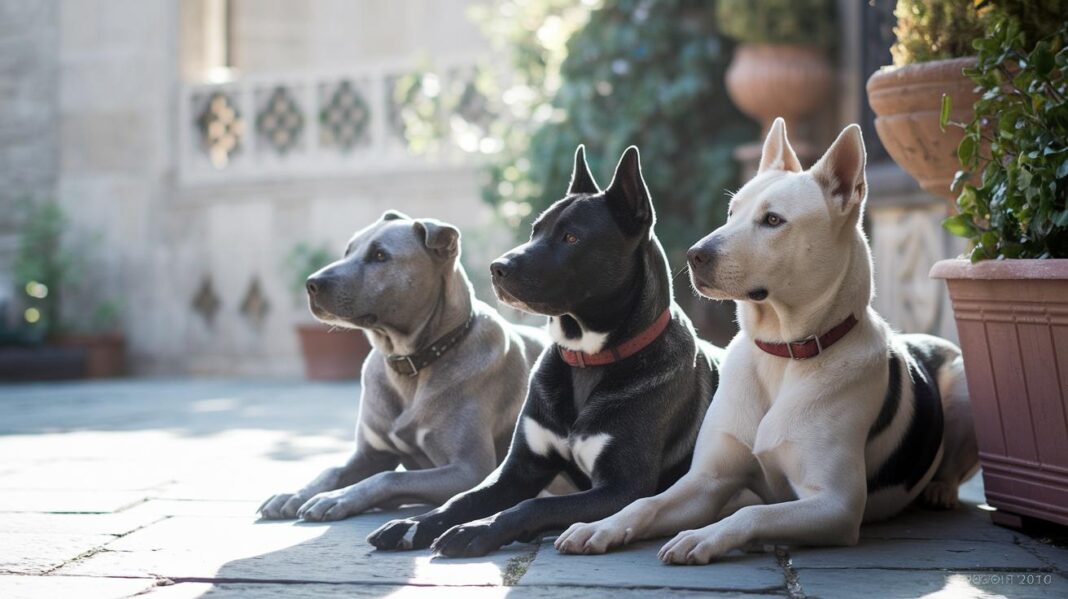

Have you ever wondered if your pet might actually hold a piece of history in its heart? Ancient dog breeds have been around since the days when wild wolves first wandered close to humans. Their classic charm connects us to a time that feels almost within reach. From the Basenji to the Chow Chow, these dogs remind us how early humans and wolves formed friendships that shaped the dogs we love today. Read on to see how the past and special traits come together in these amazing companions.
Ancient Dog Breeds: Historical Origins and Defining Traits

Dogs share a deep history with us. Long ago, between 15,000 and 30,000 years ago, dogs began as gray wolves in Asia. It might have been just a few wolves, possibly as few as three females, that started this journey. Early humans and wolves grew close over time, and these companions slowly evolved into the dogs we know today. Cave paintings of Basenjis from 6000 BC and artifacts from 3000 BC tell us that this bond is very old. Even images of the Saluki found on art over 5,000 years old show that people and dogs have been partners for ages.
Scientists now look at a dog's genetic makeup to tell old breeds apart from newer ones. Research shows that some ancient breeds, like the Chow Chow, still have many wolf genes. This sets them apart from dogs made from more recent crossbreeding. Special markers in their DNA (mitochondrial DNA markers) prove that these breeds have roots reaching back to those first tame wolves. Experts use these genetic clues to label a breed as ancient when its history links directly to the very first dogs.
Many of these ancient breeds still have unique looks and behaviors today. Basenjis, for example, are known for their independent hunting style. Alaskan Malamutes were built to haul loads over long distances, showing off their strong stamina. And the Chow Chow stands out with a blue-black tongue and a tough build, a cool trait passed down from its ancestors. These old features give us a living glimpse into the past and continue to charm pet owners everywhere.
Ancient Dog Domestication Timeline: From Wolves to Early Companions

Dogs started changing from wild wolves between 15,000 and 30,000 years ago. Early humans and these wolf ancestors grew close, and this bond slowly shaped them into the breeds we know today. Archaeological finds and relics mark key points in this long history.
- Around 4000 BCE, early Basenjis showed strong hunting skills.
- By 3000 BCE, signs of the Basenji breed were clear and stayed similar over many years.
- Saluki artifacts, over 5000 years old, tell us these dogs played an important role in early societies.
- Around 7000 BCE, Shiba Inu began as a breed chosen for hunting small game.
- During China’s Han Dynasty (206 BCE–220 CE), Chow Chows were noted for features like a blue-black tongue.
- Arctic sled dogs, ancestors of today's Malamute and Husky, were bred for tough, cold environments between 4000 and 9500 years ago.
- About 2000 years ago, the Tibetan Terrier was recognized as a loyal companion and working dog in high places.
Each step in this timeline shows us how deep the bond between people and dogs really is, a bond that gave rise to many of the breeds we see today.
Ancient dog breeds: Timeless Charm and History

Ancient dog breeds let us peek into a long-ago world. These dogs were bred to match a region's needs and are a living record of history. They were shaped by the work and play of people and the places they lived. Many of these breeds have a long past full of tales of brave hunts, loyal hearts, and striking looks that still charm pet lovers today.
| Breed | Region of Origin | Approximate Era | Primary Historical Role | Key Trait |
|---|---|---|---|---|
| Basenji | Africa | 6000 BC | Hunting partner | Independent hunting style |
| Saluki | Middle East | 5000+ years | Noble companion | Sleek build |
| Afghan Hound | Central Asia | Ancient era | Sighthound | Elegant speed |
| Tibetan Terrier | Tibet | 2000 years | Monastery watchdog | Loyal and adaptable |
| Lhasa Apso | Tibet | 1000 years | Sentinel/spiritual guardian | Vigilant nature |
| Chow Chow | China | Han era | Guard/hunter/hauler | Blue-black tongue |
| Pekingese | China | Han Dynasty | Palace pet | Regal compactness |
| Shar-Pei | China | 200 BC | Guard/hunter | Wrinkled coat |
| Shih Tzu | Tibet/China | 1000 years | Companion gift | Friendly demeanor |
| Akita Inu | Japan | 8000 BC–200 BC | Hunting/guard | Noble strength |
| Shiba Inu | Japan | 7000 BC | Small-game hunter | Agile spirit |
| Alaskan Malamute | Arctic | 4000 years | Sled-hauler | Enduring strength |
| Siberian Husky | Siberia | 4000 years | Working dog | Energetic pace |
| Samoyed | Siberia | 3000 years | Family helper | Fluffy white coat |
| Xoloitzcuintli | Mexico | 3000 years | Sacred guardian | Ancient, hairless look |
These snapshots show how dogs were bred to do different jobs and fit the cultures they lived in. From the independent Basenji to the grand Pekingese, each breed tells a story of hard work and companionship that still sparks our imagination today.
Genetic and Archaechaeological Evidence for Ancient Dog Breeds

New methods in whole-genome sequencing (a way to study all the DNA in an animal) and better fossil studies are helping us learn more about how dogs evolved. Recent genetic research has found changes in important genes that may have affected a dog’s coat, behavior, and energy use when they first started living with people. For example, one study noted that shifts in genes controlling energy use might have helped ancient wolves adjust to new kinds of food.
Genetic Markers in Proto-Canine Lineages
Modern DNA tests are now spotting tiny differences in the genes that dogs pass down from generation to generation. Experts believe that changes in the parts of DNA that don’t directly make proteins can explain some unique traits in breeds like Basenjis and Chow Chows. One study even showed that changes in genes linked to energy use happened much earlier than scientists once thought. This points to a long, step-by-step process of domestication.
Fossil and Artifact Records
Recent digs have uncovered dog bones with clear, detailed features that had been missed before. These bones, along with fresh looks at old rock carvings and cave art, support the idea that early dogs went through key changes to adapt to different places. One report mentioned that fossils showing changes in jaw shape may be a clue to shifts in diet during the early days of dog domestication.
Ancient Dog Breeds in Early Human Societies: Roles and Functions

Long ago, dogs played many practical roles. They helped people hunt, guard, haul loads, and pull sleds. Breeds like the Basenji, Saluki, and Afghan Hound used their sharp senses to track prey. Other dogs such as the Chow Chow and Shar-Pei stood watch as reliable guards. Working breeds like the Alaskan Malamute and Siberian Husky carried supplies and pulled sleds in cold, icy conditions.
But there’s more to the story. Early cultures often saw these dogs as more than just helpers. Many believed that some dogs were spiritual guardians and symbols of good fortune. Owning a small companion could invite ancestral blessings into a home, enriching ceremonies and strengthening community ties.
Preservation of Ancient Dog Breeds: Challenges and Efforts

Breed clubs for ancient dog breeds work hard to protect rare traits and keep these dogs healthy. They watch for health problems (like genetic issues) and teach careful breeding practices to keep special traits alive. Their work stops inbreeding and helps save these rare dog lines. Revival programs guide breeders to care for endangered types while letting these dogs keep their old, unique features as they live in today’s world.
Pet parents should get ready to meet the special needs of these old-world breeds. For instance, dogs like the Saluki need plenty of time off the leash to get exercise, while breeds such as the Chow Chow do best when they are socialized early and given clear, calm rules. It is also smart to plan for extra vet visits since some of these breeds may need regular checkups and special care. With attentive care and a love for preservation, you can help these remarkable dogs keep sharing their timeless charm and rich history in your home.
Final Words
In the action, this post traced the timeline from early wolf domestication to the rise of ancient dog breeds. It mapped key milestones, genetic markers, and profiles of breeds such as Basenji, Chow Chow, and Alaskan Malamute. The discussion clarified how these breeds served as hunters, guardians, and companions in past societies. Insights like these empower informed pet care and highlight valuable conservation efforts. Embrace the wisdom of ancient dog breeds to enrich your pet's life and celebrate their enduring legacy.
FAQ
Q: What ancient dog breeds exist and are still around?
A: Ancient dog breeds include names like Saluki, Basenji, Afghan Hound, and Chow Chow. These breeds have maintained early traits from thousands of years ago and continue to thrive today.
Q: What are the original dog breeds before modern breeding took over?
A: Original dog breeds refer to those early canines that trace back to initial wolf domestication. Breeds like Basenji and Saluki retain many genetic traits from their ancient ancestors.
Q: Are there extinct or rare ancient dog breeds?
A: Some ancient dog breeds have become extinct over time, while others remain rare. Conservation efforts aim to preserve these unique breeds and their historic characteristics.
Q: What is the most ancient or primitive dog breed?
A: The Basenji and Saluki are often seen as the most ancient breeds. They exhibit primitive traits and minimal genetic changes, reflecting their early domestication from wolves.
Q: Do dogs share 99.9% of their DNA with wolves?
A: Dogs share much of their DNA with wolves, though research shows the similarity is around 98.8%. This close genetic link underlies the transformation from wild wolf to modern dog.
Q: What makes a dog breed ancient?
A: A dog breed is deemed ancient when it shows minimal changes from early domestication. Key factors include preserved genetics, historical roles, and physical traits that mirror early canine ancestors.
Q: What are some examples of ancient breeds mentioned on PetsNewz?
A: Examples of ancient breeds include the Saluki, Basenji, Akita Inu, Chow Chow, Afghan Hound, and Pharaoh Hound. These breeds have documented origins and roles dating back thousands of years.