


Have you ever worried that a small health problem might grow into a major issue for your pet? Keeping an eye on early symptoms can help your pet stay full of life and energy. A quick visit to the vet along with simple daily care routines can prevent future health challenges. This approach keeps your pet healthy with regular shots, the right food, and plenty of exercise while also strengthening the bond you share. Read on for easy tips to support a lifetime of wellness for your furry friend.
Core Principles of Preventative Pet Health

Preventative pet health is all about caring for your pet early to keep them happy and healthy. It means spotting small issues before they grow into big problems. With regular vet visits and easy-to-follow advice, you can reduce stress for both you and your pet, all while deepening your connection.
This approach covers seven key areas: vet check-ups, vaccinations, parasite control, nutrition, dental care, exercise, and early tests. Regular vet visits help catch any signs of illness quickly. On-time vaccinations build a strong immune system. Controlling parasites like fleas and ticks keeps your pet safe. Good food supports energy and healthy weight, while proper dental care keeps their mouth in shape. Daily exercise and fun brain games help keep muscles strong and minds sharp. Early tests, like blood panels and scans, reveal hidden problems so you can address them before they get worse.
Integrating Routine Veterinary Exams in Preventative Pet Health
Regular vet visits are key to keeping your pet healthy and happy. These check-ups help spot problems early so your pet can get the care they need. When your pet has a yearly or seasonal exam, any changes in their coat, weight, or behavior are noticed and taken care of quickly. This routine helps create a wellness plan that fits your pet’s unique needs.
Exam Frequency Guidelines
Healthy adult pets should see the vet about once a year. Pets that are older or have chronic issues do better with check-ups every six months. These regular visits help catch even subtle changes in body condition or behavior. During each exam, the vet checks important signs like heart rate, temperature, and breathing. For pets with extra needs, twice-yearly visits allow for special monitoring and care.
Screening Procedures and Techniques
At each visit, the veterinarian does a thorough physical check. They look at your pet’s coat, skin, eyes, and ears. They may also run simple tests like blood work (a test to check organ health), heart checks (listening to the heartbeat), joint tests (to see how well your pet moves), and urine tests (to spot kidney issues or infections). Using these screening methods helps catch problems early while they are still easy to treat.
Vaccination Protocols for Preventative Pet Health

Vaccines protect our pets by teaching their immune systems to fight off dangerous germs. They are a key step to keep illnesses at bay and help your pet stay active and happy. When your pet gets its vaccines on time, it avoids serious diseases and reduces the chances of needing complicated treatments later.
| Vaccine | Disease | Initial Schedule | Booster Frequency |
|---|---|---|---|
| Rabies | Rabies virus | Depends on pet’s age and local rules | Usually every 1-3 years |
| Distemper/Parvo | Distemper and parvovirus (for dogs) | Starts at 6-8 weeks old | Every 1-3 years after the first series |
| Feline Leukemia | Feline leukemia virus | At 8-12 weeks for kittens | Annually or as advised |
| Bordetella | Bordetella bronchiseptica | At 8 weeks or when exposure is likely | Every 6-12 months |
It’s important to tailor the vaccine schedule to your pet because age, lifestyle, and where you live can change what they need. A good tip is to keep track of when vaccines were given with a digital record or a trustworthy paper log. Regular check-ins with your veterinarian will help adjust these schedules so that your pet gets boosters exactly when needed. By following these tips, you can build a strong, lasting shield against diseases for your furry friend.
Nutritional Strategies in Preventative Pet Health

Good food is the starting point for your pet’s health. Choosing a high-quality commercial diet made for your pet’s type, age, and breed gives them the energy they need and helps build a strong immune system. A balanced diet fuels daily adventures and helps your pet recover faster when they’re sick. For example, feeding food that matches your pet’s activity level ensures they get exactly what they need.
Keeping an eye on your pet’s weight and portion sizes is important to avoid problems like obesity, diabetes, and joint issues. Regular weigh-ins and using a measuring cup instead of leaving food out all day can help you keep your pet at a healthy weight. Watch for signs like a dull coat, low energy, or extra fat around the body. These could mean it’s time to change portions or check in with your vet.
Different pets need different diets at different life stages. Puppies and kittens do best with foods rich in protein and essential fatty acids that support growth. Older pets may need foods that are easy to digest and include joint-support ingredients. For adult dogs, a balanced diet helps maintain steady energy, and for cats, a proper mix of proteins and fats is key to long-term health. Adjusting the meal plan based on your pet’s age and activity level is a great way to help them thrive.
Dental Care Routines within Preventative Pet Health

Brushing your pet's teeth every day is a simple way to keep them healthy. Use a pet-friendly toothbrush and toothpaste to remove plaque and prevent tartar buildup that can cause gum disease (an infection in the tissues supporting the teeth). Dental chews help too; they scrape away food bits and gently massage the gums, leaving your pet with a fresher breath and a cleaner mouth.
It’s also important to visit your vet for professional dental cleanings. Your veterinarian will perform a deep cleaning, usually twice a year, to remove hardened plaque that brushing at home might miss. This helps lower the risk of infections that can harm important organs like the heart, liver, and kidneys. Older pets often need these check-ups more frequently to catch any issues early and avoid expensive treatments later on.
Parasite Prevention Strategies for Preventative Pet Health
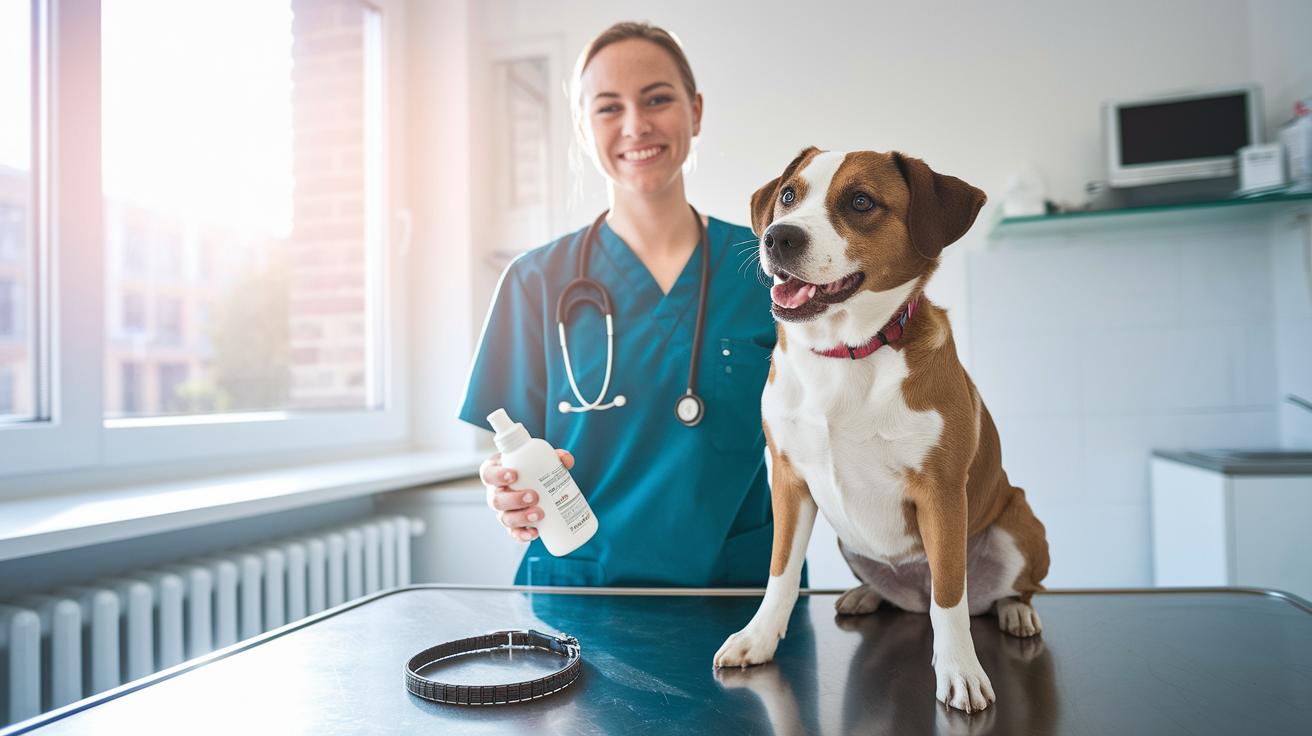
Keeping parasites away all year is key to your pet's comfort and safety. Simple steps can help prevent fleas, ticks, heartworms (worms spread by mosquitoes that harm your pet's heart and lungs), and intestinal parasites that may later require tougher treatments.
Here are some ideas to try:
- Topical treatments for fleas and ticks
- Monthly oral chews that fight heartworms and fleas
- Parasite-repellent collars
- Regular cleaning of bedding and carpets
- Fecal exams twice a year for gut parasites
As the weather changes, so might your pet’s needs. In warm months, pests like fleas and ticks are more active, so you might need to treat your pet more often and keep the home extra clean. Even in colder times, indoor parasites like heartworms can still be a problem. Chat with your veterinarian to set up a year-round plan that suits your pet's lifestyle and local conditions.
Early Disease Detection Methods in Preventative Pet Health
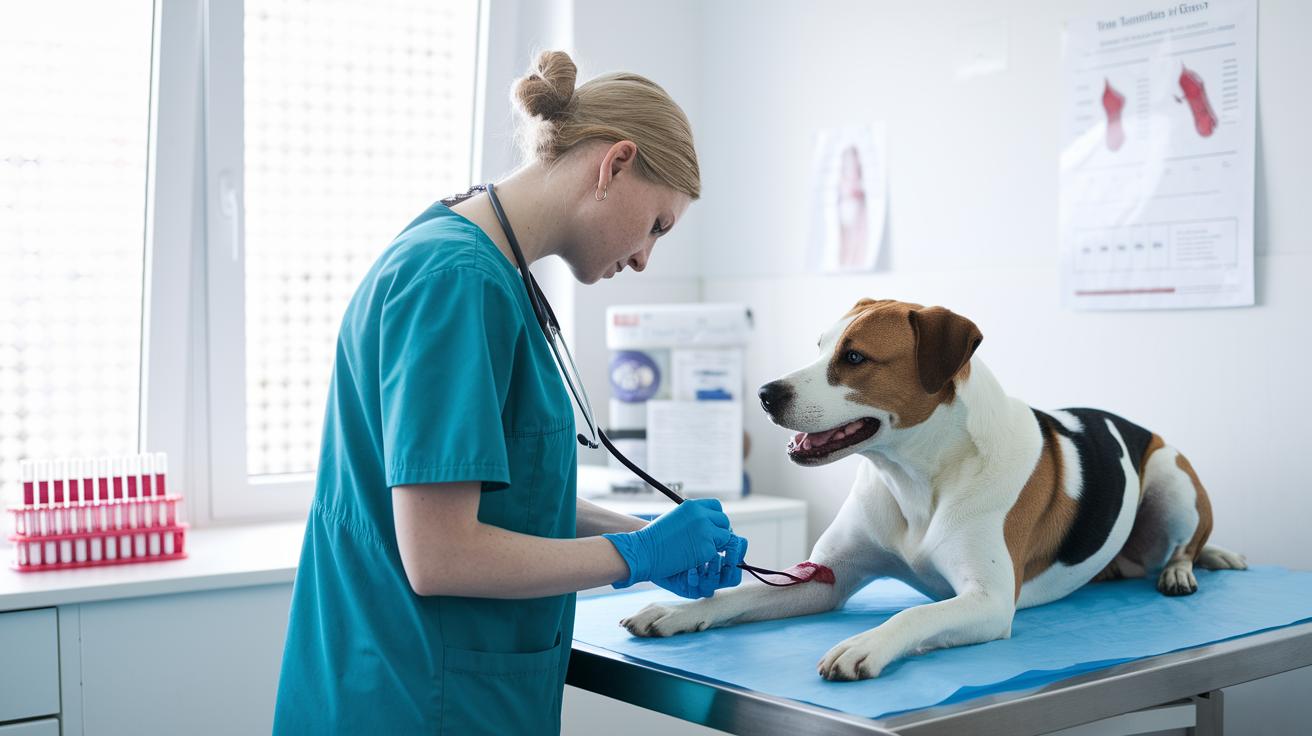
Catching health issues early is key to keeping your pet happy and active. Routine tests can spot problems before your pet even shows signs, giving you and your vet a chance to treat issues quickly.
Blood Panel Screening
Blood tests, like the complete blood count (CBC) and chemistry panel, check how well your pet’s organs are working. A CBC measures red and white blood cells, which can alert you to infections or anemia. The chemistry panel looks at various substances in the blood to keep an eye on liver and kidney health. Even small changes can be the first sign that something is off.
Urinalysis and Fecal Exams
Tests of your pet’s urine and stool help find hidden health issues early. A urinalysis can reveal early kidney problems or diabetes by checking protein levels and other markers in the urine. Fecal exams uncover intestinal parasites that might be causing weight loss or an upset stomach. These easy tests ensure that no sign of trouble goes unnoticed.
Imaging and Advanced Diagnostics
Tools like X-rays and ultrasound provide clear images of your pet’s insides. These methods help find tumors, joint issues, or other problems that might not be detected in a regular check-up. Using these imaging methods alongside blood and urine tests gives your vet a full picture of your pet’s health.
Adding these tests to your pet's routine care creates an extra safety net. Regular check-ups can catch issues early, making treatments less invasive and much more effective.
Exercise and Lifestyle Modifications for Preventative Pet Health

Daily exercise and fun brain time are essential for keeping your pet cheerful and full of energy. A brisk walk helps their heart and strengthens muscles. Fun play with balls or tug toys builds coordination and confidence. Puzzle toys and interactive games not only entertain but also boost problem-solving skills. For example, a treat-dispensing puzzle can turn play into a fun brain challenge, keeping your pet both active and alert.
A peaceful home also helps reduce stress and stops unwanted behaviors. Remove hazards like loose wires or sharp items and set up a cozy, safe spot where your pet can rest. Keeping a regular daily routine can ease anxiety. Simple games like hide-and-seek or using a puzzle feeder provide extra fun while enriching behavior. This natural approach builds a stronger bond between you and your pet, ensuring they stay happy and strong.
Financial Advantages of Preventative Pet Health

Many clinics now offer a first exam for only $1. This makes it very affordable for you to start your pet’s health routine. Early care helps catch problems before they become serious and expensive.
Regular check-ups cost much less than emergency visits. They also help build a long-lasting plan to keep your pet healthy. By investing a little now, you can save a lot later.
Many clinics offer bundle deals that include exams, vaccinations, and screenings. These deals may lower your costs even more. Plus, several services can be covered by pet insurance, which helps manage out-of-pocket expenses over your pet’s lifetime.
Taking steps in advance means fewer health emergencies. It keeps your pet happy and active and helps you stay on budget.
Final Words
In the action of preventative pet health, this article broke down how early care can boost your pet’s quality of life. We looked at vital vet exams, timely vaccines, balanced nutrition, dental routines, parasite control, early disease checks, and active lifestyles.
Taking these practical steps builds a stronger bond with your pet and helps avoid more serious health issues later. Small, consistent actions today pave the way for long, healthy, and happy days together.
FAQ
What is preventative care for pets?
Preventative care for pets means regular check-ups, vaccinations, dental care, nutrition, exercise, parasite protection, and early disease detection to stop health issues before they grow serious.
Is pet insurance worth it for preventative care?
Pet insurance helps cover routine exams and early treatments, but its value depends on your pet’s needs and your budget. Compare plans to see if they match your situation.
Is it worth getting a pet health plan?
A pet health plan offers structured care that includes scheduled exams, vaccinations, and treatments, which can potentially reduce emergency costs and help keep your pet healthier in the long run.
What preventative meds should my dog be on?
Preventative meds for dogs often include protections against heartworms, fleas, ticks, and intestinal parasites. Consult your veterinarian for a plan tailored to your dog’s unique health needs.
What feedback do reviews and complaints about preventative pet health services mention?
Reviews note that while costs or scheduling can be challenging, many pet owners appreciate the proactive approach that helps avoid costly advanced treatments by catching issues early.
What is Preventative Pet Health of Michiana?
Preventative Pet Health of Michiana is a local service focused on proactive pet care through regular exams and treatments. Local reviews highlight its commitment to keeping pets healthy.
Where can I find preventative pet health services near me?
Finding preventative pet health services is best done by searching online, asking nearby veterinary clinics, or tapping into your pet community for recommendations on local, proactive care options.
What is a dog preventive care plan?
A dog preventive care plan is a structured program that schedules regular wellness exams, vaccinations, dental care, nutrition advice, and parasite prevention to help maintain your dog’s overall health.
What does VIP pet care include?
VIP pet care includes premium services such as comprehensive wellness checks, advanced diagnostics, and personalized treatment plans designed to offer extra-focused support for your pet’s overall well-being.