

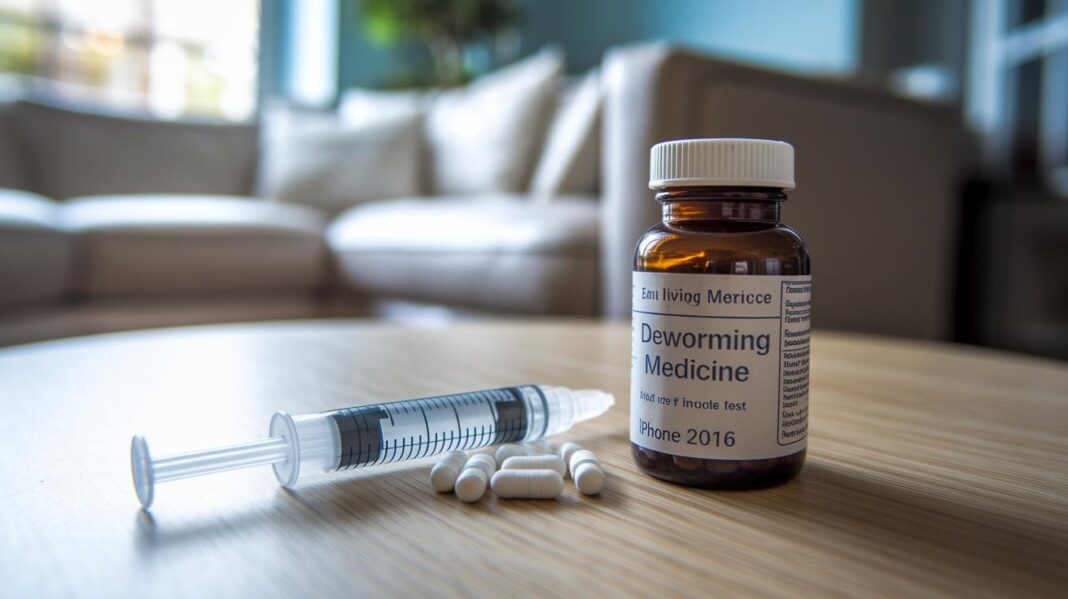

Ever wonder if your dog might hide tiny bugs even when they look healthy? Sometimes, these pests live inside without showing clear signs. Deworming medicine helps keep your pet safe by targeting these hidden parasites.
This medicine works by fighting off common bugs like roundworms (tiny parasites that live in the intestines) and hookworms (small worms that attach to the gut). In this post, we explain how dewormers work and share the types available.
Choosing the right dewormer is like giving your dog a little shield against harmful bugs, so they can enjoy a safer and healthier life.
Deworming Medicine for Dogs: Safe & Effective Choice
Deworming medicine is important for keeping your dog healthy. It fights common internal parasites like roundworms, hookworms, whipworms, tapeworms, and heartworms (parasites spread by mosquitoes that can harm a dog’s heart and lungs). Many dogs carry these bugs without showing any signs, so regular deworming is a smart idea.
There are two main types of dewormers. You can choose over-the-counter tablets, which usually cost about $9 to $20, or prescription medicine that may cost more depending on your dog’s needs. Some medicines work by breaking down the worms in the stomach, while others paralyze them so they leave the body in stool or vomit. Comparing these options can help you decide the best treatment for your dog. Fun fact: many dogs have parasites for months and still look fine!
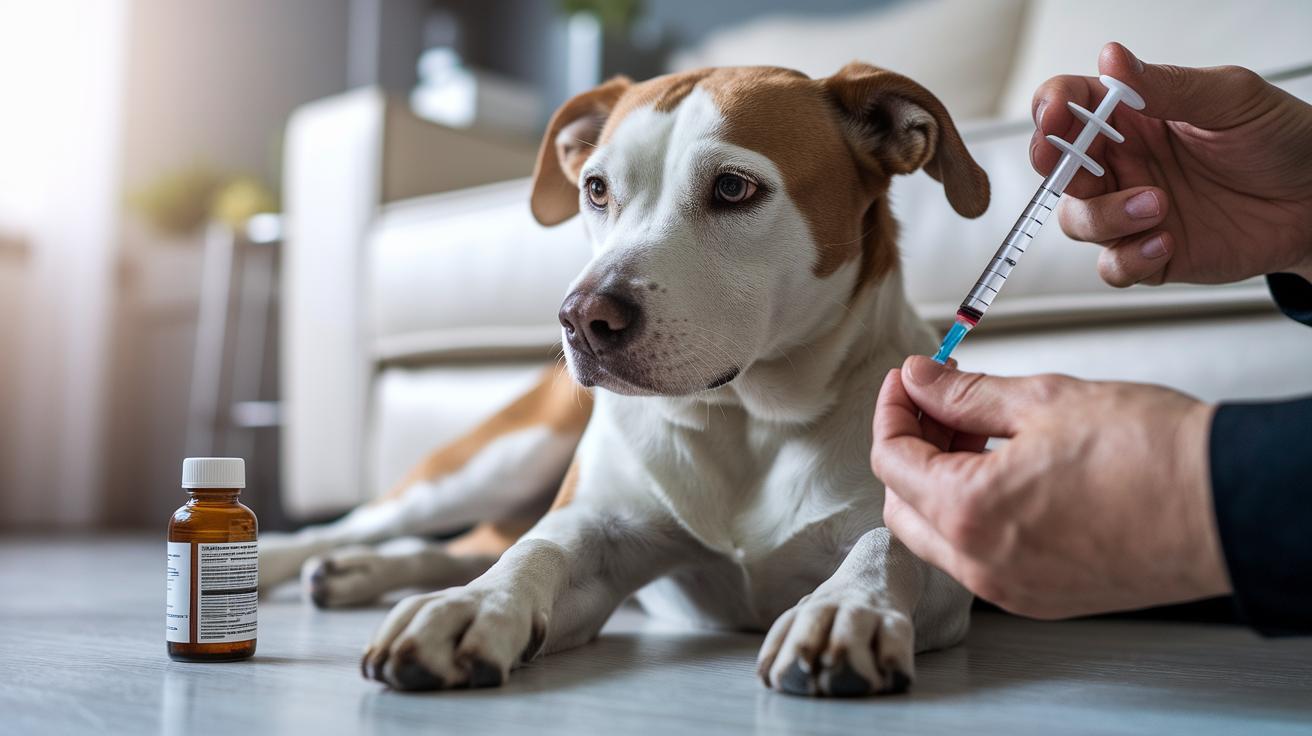
Dosing depends on your dog’s weight. Liquid forms allow you to measure the dose easily with a syringe, while tablets need a dose based on your pet’s weight. Sometimes, a dog may get a bit of diarrhea or vomit for a day or two after treatment. That’s why it’s best to check with your vet first.
Always follow your veterinarian’s advice to make sure your dog gets the right dose at the right time. This helps keep your pet safe while effectively getting rid of the parasites.
Active Ingredients in Deworming Medicine for Dogs
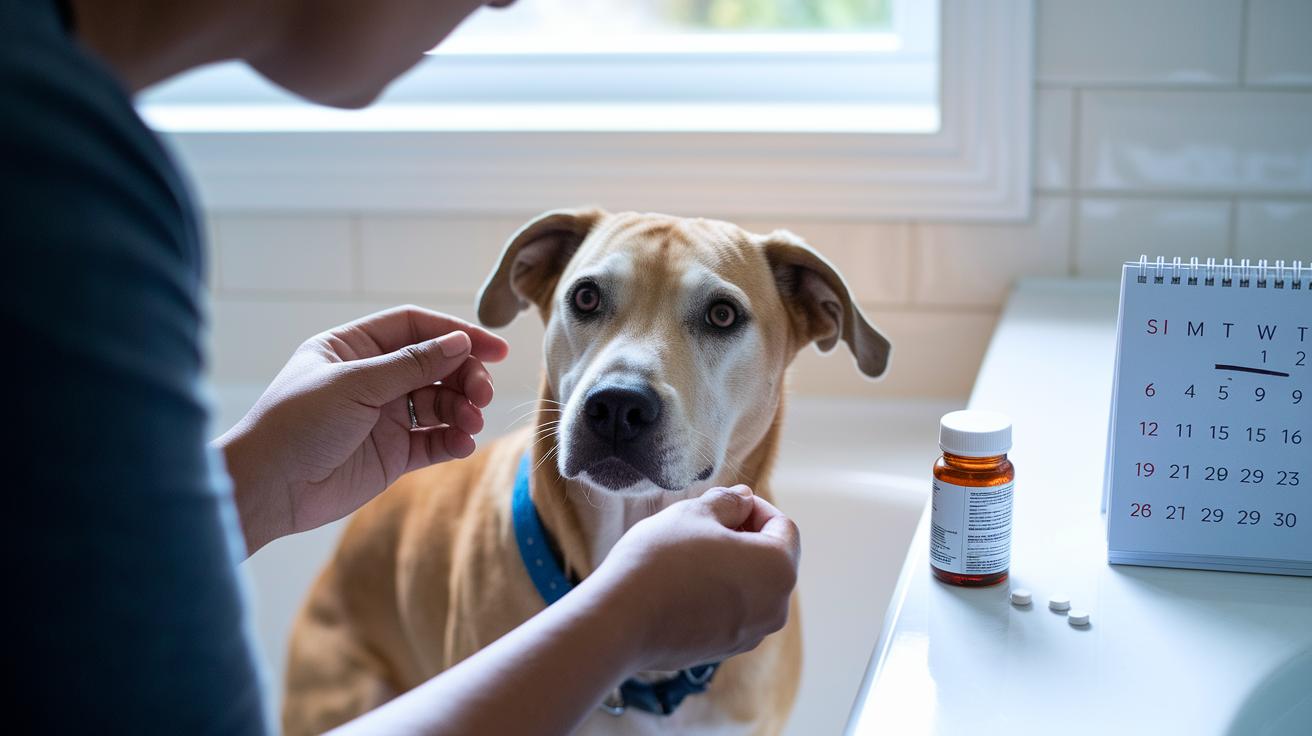
Knowing what ingredients are in your pet’s deworming medicine is key to fighting worms effectively. Each ingredient targets a specific parasite and has its own dosing plan.
Pyrantel Pamoate works against roundworms and hookworms. Your vet might suggest giving a second or third dose 2 to 4 weeks later to make sure all worms are gone.
Piperazine also attacks roundworms but needs to be given twice, 10 to 14 days apart. Some dogs may not enjoy its taste, so you might need to give a little extra encouragement when it's time to take it.
Fenbendazole is popular because it covers many types of parasites. Use it once a day for 3 days to fight roundworms, hookworms, whipworms, and even giardia (a parasite that can cause stomach upset).
Praziquantel targets only adult tapeworms. Since it does not kill tapeworm eggs, it is important to give a repeat dose every month to stop a reinfestation.
Ivermectin is usually given each month to fend off heartworms. It can also be used in higher doses to treat external parasites like mites and lice. However, if your dog is a breed like a collie or Sheltie, which may have an MDR1 gene issue, be sure to use this medicine carefully.
| Ingredient | Target Parasites | Dosing Schedule |
|---|---|---|
| Pyrantel Pamoate | Roundworms, Hookworms | 2–3 doses, 2–4 weeks apart |
| Piperazine | Roundworms | 2 doses, 10–14 days apart |
| Fenbendazole | Roundworms, Hookworms, Whipworms, Giardia | Daily for 3 days |
| Praziquantel | Adult Tapeworms | Single dose; repeat monthly |
| Ivermectin | Heartworm, Mites, Lice | Monthly preventative or higher dose |
Dosage Guidelines & Scheduling for Deworming Medicine in Dogs
Getting your dog's dosage right is very important for effective deworming. For puppies, extra care is needed with medicine amounts. You can start treatment as early as 2 to 3 weeks old. After the first dose, give the medicine again every 2 to 4 weeks until your puppy reaches 12 weeks. Then, continue monthly treatments until the puppy is 6 months old.
Adult dogs do well with regular treatments too. How often to treat depends on factors like their daily activities and where they live. It’s best to check with your veterinarian to set the right schedule.
Liquid medicines let you measure the dose exactly in milligrams per kilogram. A syringe is the best tool for this task. If you’re using weight-based tablets, read the label carefully so the dose matches your dog’s weight. Always weigh your dog first to avoid any mistakes. Also, store the medicine at room temperature and keep it away from moisture.
Key scheduling steps:
- Puppy schedule: Every 2–4 weeks until 12 weeks old, then monthly until 6 months.
- Adult schedule: Every 1–6 months based on your dog's lifestyle and environment.
- Use a syringe for liquid formulations and always weigh your dog before dosing.
Safety Precautions & Side Effect Awareness in Deworming Medicine for Dogs
After your dog takes deworming medicine, you might see some mild side effects. They can get a bit of diarrhea or vomit for 1 to 2 days. Your dog may also drool a little or scratch more than usual. These signs can mean a mild allergic reaction is starting. Keep a close eye on your pet. If the symptoms last more than 48 hours or seem worse, call your veterinarian right away.
Puppies can be extra sensitive. It is very important to measure the right dose based on your puppy’s weight. A small mistake in dosing can upset your puppy, causing a stomach ache or extra drooling. One pet owner once said, "I mixed up the dose, and my puppy had a rough day with an upset stomach and extra drooling."
Good hygiene helps stop the worms from coming back. After giving the medicine, do these steps:
- Wash your dog's bedding.
- Clean up any poop right away.
- Wash your hands after handling the medicine or cleaning up any waste.
If your dog gets a fever or shows other worrisome signs like severe scratching or being very tired, talk to your veterinarian as soon as you can. Keeping a regular check on your pet and keeping things clean helps make deworming a safe process for your dog.
Comparing Deworming Medicine Options: Prescription vs Over-the-Counter for Dogs
Both prescription and over-the-counter dewormers help control worms in your dog, but each has its own benefits and drawbacks. Over-the-counter tablets like generic fenbendazole are easy to buy and usually cost between $9 and $20. They work well if your dog only has mild symptoms and you need a quick solution.
Prescription treatments, such as Drontal Plus, require a vet’s guidance. They work on various worms including roundworms, hookworms, whipworms, and tapeworms. Many pet owners say these options bring faster relief, though they tend to be a bit more expensive.
Where you shop also makes a difference. For example, Walmart often carries pyrantel and fenbendazole at competitive prices. On the other hand, stores like PetSmart and Petco usually stock branded Praziquantel combinations. These might cost more, but they are trusted by many pet owners.
Keep these points in mind:
- Prescription products need a vet visit but target worms more thoroughly.
- Over-the-counter options are budget-friendly and easy to get, even if they don’t cover every type of worm.
- Checking online reviews and buyer guides can help you balance the need for fast action against your budget.
Thinking over all these factors will help you pick the best plan for keeping your dog’s parasite control safe and effective.
Natural Home Remedies vs Deworming Medicine for Dogs

When it comes to natural remedies like pumpkin seeds or pureed pumpkin, they only add fiber and do not reliably kill worms. Some pet owners mention apple cider vinegar and carrots, but research does not back up these claims. Garlic and onions are dangerous for dogs, so steer clear, they can be very harmful. Homemade pastes may result in inaccurate dosages, which can end up being toxic, so they are not a safe choice for eliminating parasites.
Veterinary-approved dewormers are the best and safest option. These medicines are carefully tested to work against common parasites such as roundworms, hookworms, whipworms, tapeworms, and even heartworms (a parasite spread by mosquitoes that harms a dog’s heart and lungs). They come with clear instructions based on your dog’s weight and are used under professional guidance.
Think of it like trying to fix a broken car engine with duct tape. It might work once in a pinch, but it is never a dependable solution. Always choose a veterinary product to give your dog safe and effective treatment and help protect your pet’s long-term health.
Veterinarian Recommended Parasite Control & Follow-Up for Deworming Medicine in Dogs
Vets agree that working together keeps your dog safe from parasites. They suggest checking your dog’s stool every 6 to 12 months to catch any hidden infections early. Use a clean container to collect the sample and have your vet examine it.
It's smart to combine deworming with heartworm prevention and flea and tick control. This plan treats the parasites you already have and helps stop new ones from coming in. Your vet might even mix treatments during a routine visit to offer extra protection.
Keep a simple treatment log by noting the date, the dewormer used, and its dose. This record helps you see what’s working and guides any changes you might need in your dog’s care plan.
Follow these key steps:
- Schedule a vet check-up 2 to 4 weeks after treatment to be sure the medicine worked.
- Clean your dog’s bedding and surroundings to lower the chance of reinfection.
- Use parasite prevention together with flea and tick control to cover all bases.
Regular record-keeping along with periodic vet visits builds a strong defense against parasites and keeps your pet healthy.
Final Words
In the action, we covered how deworming medicine for dogs protects pets from internal parasites. We broke down key ingredients, proper dosing, and safe scheduling in simple terms. You saw side effect tips and a clear glance at the price difference between over-the-counter and prescription options. Vet advice is vital when it comes to correct use. Keeping your pet healthy and happy starts with informed care. Stay confident in your decisions and let's keep our furry friends thriving!
FAQ
Which is the best dewormer for dogs?
The best dewormer for dogs depends on the type of worm, your dog’s age and weight, and veterinary advice. A vet can recommend the right product and dose for effective pest control.
What over the counter deworming options can I buy from retailers like Walmart or Tractor Supply?
Over the counter dewormers like generic fenbendazole and pyrantel are available at stores such as Walmart and Tractor Supply. They are budget-friendly but should be used following a vet’s guidance.
What are the side effects of deworming medicine for dogs?
The side effects of dewormers can include mild diarrhea, vomiting, or drooling for one to two days. Some dogs might experience minor itching or discomfort, so consult your vet if symptoms worsen.
How often should I deworm my dog?
Deworming frequency depends on your dog’s age and risk. Puppies are generally dewormed every 2–4 weeks until 12 weeks old, then monthly until six months. Adult dogs are usually treated every 1–6 months per vet advice.
Can I deworm my dog myself?
You can deworm your dog at home by carefully following product directions. Still, consulting your veterinarian helps ensure correct dosage, identification of parasites, and overall pet health monitoring.
What are the signs that a dog has worms?
Signs of worms in dogs include a swollen belly, visible worms in the stool, diarrhea, loss of appetite, or a dull coat. Some dogs show no symptoms, making routine deworming important.
How do I know my dog needs deworming?
You may need to deworm your dog if it shows digestive issues, weight loss, or if a stool test detects parasites. Regular veterinary check-ups help decide the right time for treatment.