

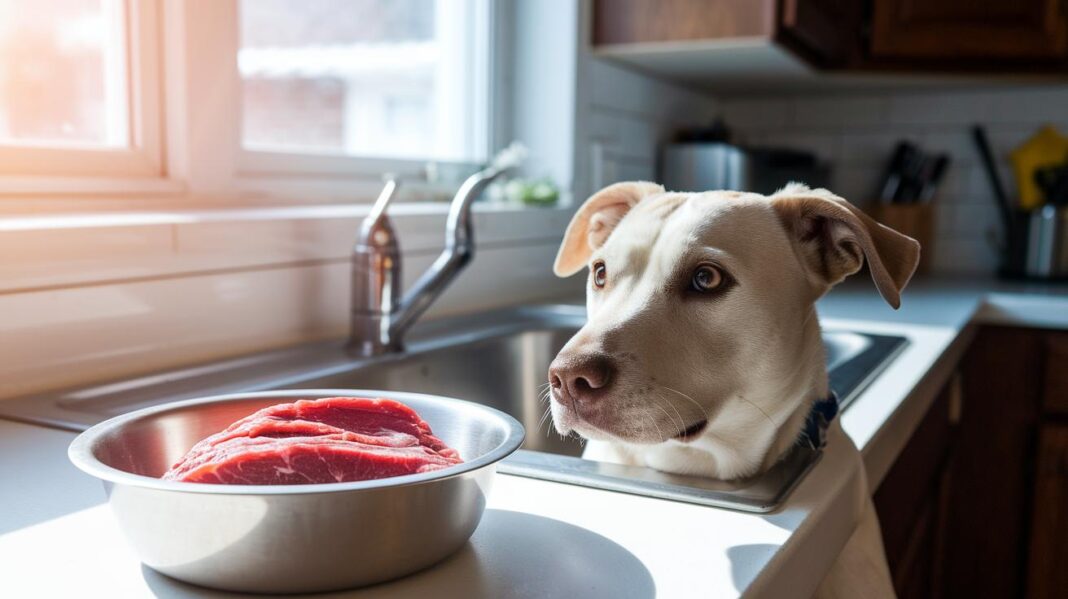

Have you ever wondered if feeding your dog raw food is safe? Recent studies show that raw pet food can carry germs like Salmonella (a bacteria that can make your pet sick) and E. coli (another bacteria linked to infections). These germs might lead to serious illness and can even weaken your dog’s bones by missing vital nutrients like calcium (a mineral needed for strong bones).
Even though raw diets seem natural, research suggests there can be hidden health risks. In this guide, we break down key findings from Cornell University alongside expert tips to help you choose the best, balanced diet for your furry friend.
Primary Dangers of Raw Diets for Dogs
Raw diets can pose some serious health risks for your dog that every pet owner should know about. One study from Cornell University found that raw pet foods had live bacteria. In contrast, cooked foods did not show any bacterial growth. This means your dog might be at a higher risk for infections from harmful germs when eating raw.
Another concern is that raw diets can lead to an unbalanced mix of nutrients. Research shows that only 11% of dogs diagnosed with cancer were fed raw or homecooked meals, compared to 90% on commercial diets. Experts think that these numbers might hint at risks from missing or imbalanced vitamins, minerals, and amino acids that are very important for your dog’s health.
Veterinarians and board-certified nutritionists warn that raw feeding can leave gaps in your dog's diet. Missing out on essential nutrients like calcium can weaken your dog’s bones over time. Also, using unpasteurized ingredients in raw diets opens the door for dangerous bacteria, which is why many experts advise you to consider a carefully planned diet for your pet.
Bacterial Contamination & Pathogen Threats in Raw Dog Food

Feeding your dog raw food comes with big risks. Studies have found harmful germs like Salmonella, E. coli, and Listeria in uncooked dog meals. Cornell research even found germs with antibiotic-resistant genes (genes that help bacteria survive treatment). Since raw meat is not heated, it becomes a perfect home for these bugs and can lead to serious stomach problems in dogs.
Raw poultry is especially risky. It has been linked with H5N1 cases in pets, showing that the germs can cause more than just tummy troubles. They can lead to serious infections that might affect both your pet and you. When germs spread from animals to people (called zoonotic transmission), it is a major concern for every pet owner.
Here are some key points to keep in mind:
- Salmonella can cause food poisoning in both dogs and people.
- E. coli from raw meals might lead to bad diarrhea.
- Listeria can be very dangerous for pets with a weak immune system.
Even when you handle raw food carefully, it can still have these harmful germs because it lacks the safety net that cooking provides. One surprising fact: cooked meals showed no live bacteria, while raw food often tested positive for dangerous germs. Pet owners should not ignore this risk if they want to keep their pets and families healthy.
Nutritional Imbalances in Raw Dog Diets
Raw feeding can cause problems because it might not give your dog all the nutrients it needs. Homemade raw meals are often low in calcium and important vitamins like vitamin D (which helps absorb calcium) and vitamin E (an antioxidant that supports your dog’s health). Without enough of these, your dog might suffer from low blood calcium and weak bones.
When a diet lacks vitamin D and calcium, active dogs can end up with brittle bones that do not support their energy and play.
Unregulated raw diets also carry the risk of heavy metal buildup. Sometimes, unmonitored supplements contain minerals like lead or arsenic, which can build up in your dog’s body over time and lower its energy.
Without guidance from a pet nutrition expert, these meals might be missing key amino acids and minerals needed for strong bones and muscles. One study showed that 71% of healthy dogs were fed balanced commercial diets.
For more on vitamin, mineral, and amino acid gaps, see Dog Food Nutrition Facts Explained.
Physical Hazards: Bones and Choking Risks in Raw Dog Feeding
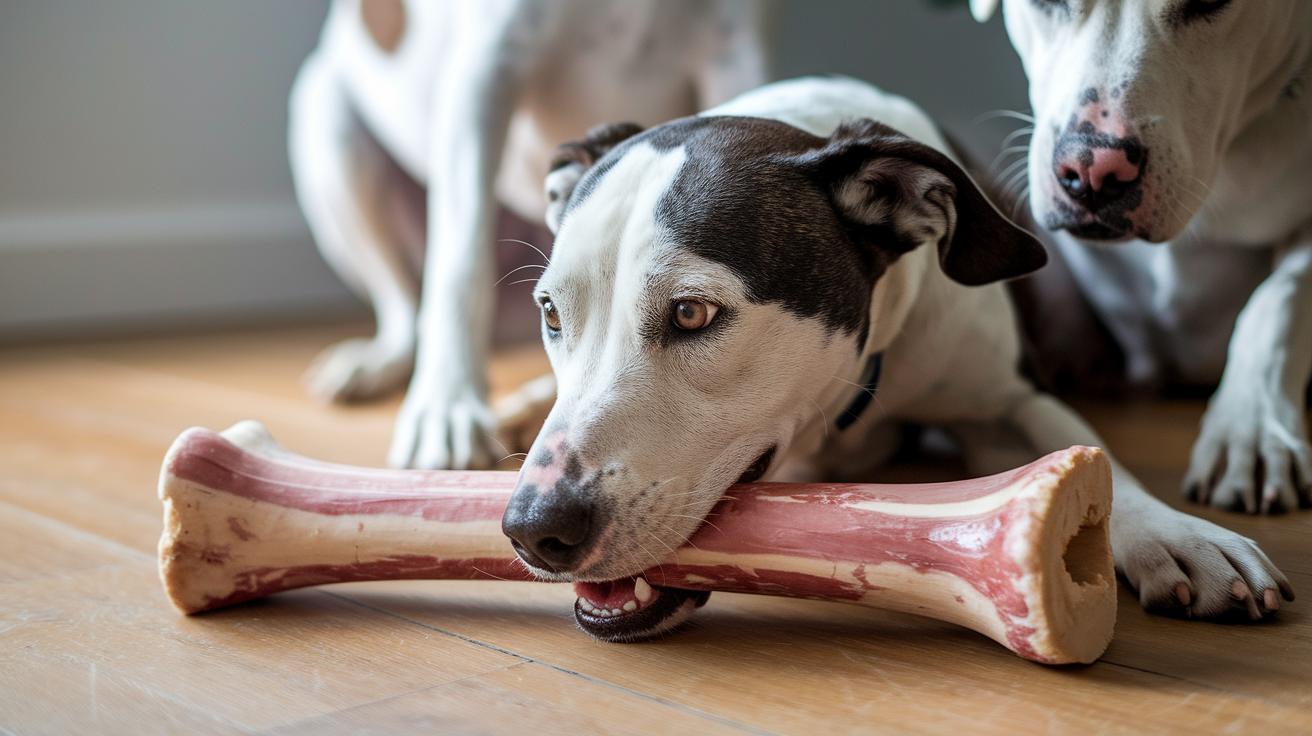
Raw bones, especially those that support your dog's weight, often break into sharp pieces when chewed. These splintered pieces can block the food pipe (esophagus) or even tear the intestines. It might surprise you that a raw bone can crack in your dog’s mouth and form dangerously sharp edges.
Veterinarians have reported broken teeth and even jaw injuries after dogs chewed on large marrow bones. This risk is even higher for puppies and smaller dogs, as even a tiny fragment can block their airway and force an emergency vet trip.
Important risks include:
Understanding these dangers can help you choose safer feeding options and protect your pet from harm during treat time.
Parasites & Special Health Considerations in Canine Raw Diets
Raw meat might carry germs that can make your dog sick. Studies show that raw food can have Toxoplasma gondii (a parasite), Salmonella (a bacteria), Campylobacter (a bacteria), and tapeworm cysts. These bugs can lead to tummy upsets, dehydration, and even infections throughout the body.
Puppies, older dogs, and dogs with weak immune systems are at extra risk. For example, a young pup eating raw food might suddenly start vomiting or have diarrhea because of a Salmonella infection. That’s why it’s important for pet parents to watch any changes in feeding habits closely. Dogs receiving treatments like chemotherapy or those with chronic stomach problems are more likely to face serious issues from these germs.
Veterinarians advise against feeding raw diets to pets with fragile health. Key points to note:
- Puppies can get sick quickly as their immune systems are still growing.
- Older dogs may not fight off infections as well.
- Dogs with existing digestive problems or on chemotherapy should avoid raw food.
These concerns show why it’s important to plan your pet’s diet carefully. Always talk with your vet before starting a raw or homemade diet for your dog.
Safe Handling & Preparation Guidelines for Raw Dog Food
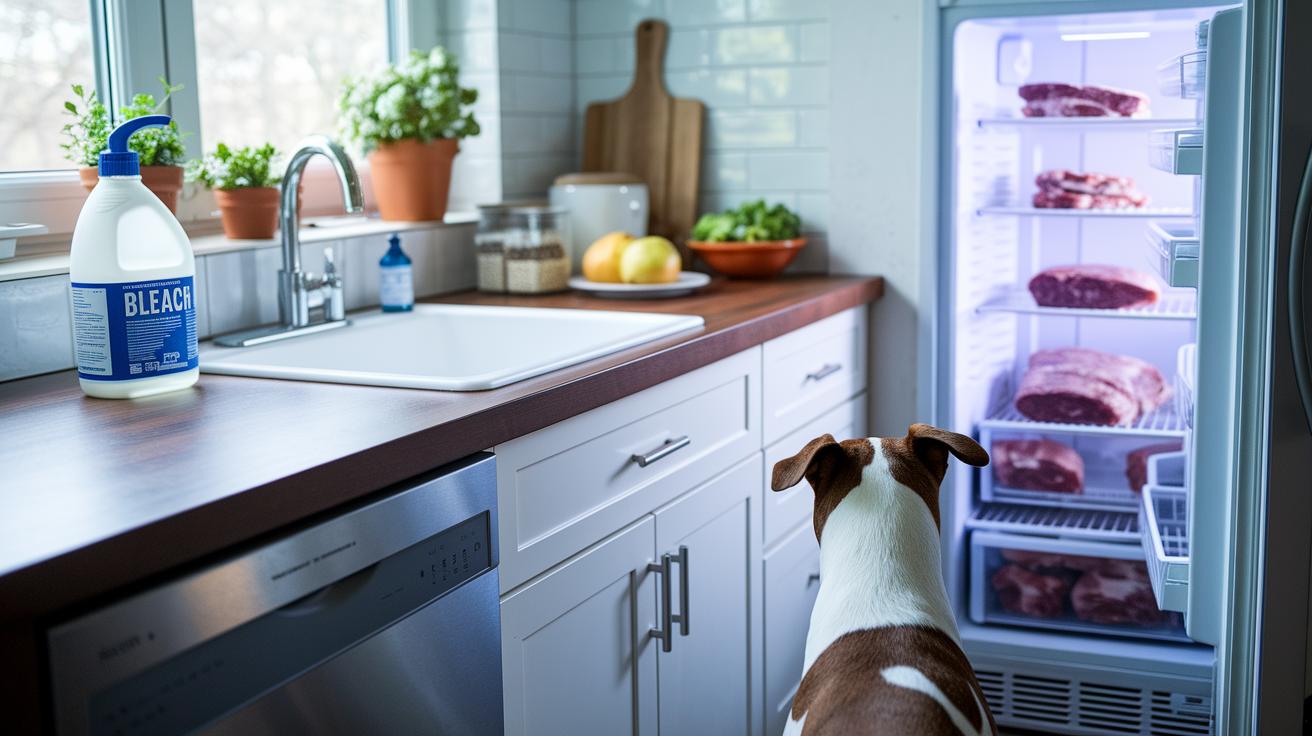
Follow these simple steps to keep your dog safe when you prepare raw meals. Always clean any surface that touches raw meat using a bleach solution made from one part bleach and ten parts water. This mix helps kill harmful bacteria. Wash your utensils and cutting boards with hot, soapy water and save them for raw food only.
Keep raw food in the fridge at 40 °F (4 °C) or colder to slow down bacteria. Once you thaw frozen meals, use them within 24 hours and never let them sit out at room temperature for more than four hours. Quick tip: treat raw food like it’s a delicate secret; if it sits too long, unwanted germs might take over.
Use these steps each time you handle raw food:
- Clean your preparation surfaces with a 1:10 bleach solution before and after use.
- Wash utensils and cutting boards in hot, soapy water and keep them separate from other kitchen items.
- Store raw food in the refrigerator at or below 40 °F (4 °C) and use thawed food within 24 hours.
- Throw away any food that has been left at room temperature for more than four hours.
- Limit raw food to less than 10% of your dog's total diet and check with a board-certified nutritionist to make sure your pet gets balanced nutrition. For more guidelines, see Raw Pet Food Nutrition Facts and Health Benefits.
Keeping your kitchen clean while preparing raw meals not only stops bacteria from growing but also keeps the food fresh and nutritious. These careful steps protect your dog and help prevent germs from spreading throughout your home.
Alternatives & Balanced Nutrition Strategies for Dogs
Commercial cooked diets use heat to kill germs and create a balanced mix of nutrients. This method gives pet parents a safe, effective way to feed their dogs while lowering the chance of harmful bacteria.
Freeze-dried or lightly cooked diets offer many of the same benefits as raw meals. They use minimal processing to keep most of the raw flavor but still lower bacteria risks. Many pet parents choose this option to enjoy raw-style ingredients without the high risk of infection.
If you prefer to cook at home, consult a veterinary nutrition expert. These professionals can create recipes that cover all of your dog’s needs while keeping raw ingredients to less than 10% of daily calories. This recipe plan helps avoid missing nutrients and reduces bacteria issues.
Here are some key points to remember:
- A commercial cooked diet gives you steady, balanced nutrition and reduces bacteria risks.
- Freeze-dried diets provide raw flavors with safe levels of processing.
- Veterinarian-designed home-cooked meals let you adjust nutrition while keeping raw content minimal.
Choosing any of these options means you can safely give your dog a nutritious diet that includes the benefits of raw-style ingredients without the extra dangers.
Final Words
In the action, we covered raw pet food risks for dogs, highlighting dangers from bacteria, nutritional imbalances, choking hazards, and parasites. We shared safe handling tips and suggested balanced alternatives to reduce these dangers. Step-by-step guidelines and clear professional advice were offered throughout. Taking simple precautions can make a real difference in keeping your pet safe, healthy, and happy. Making smart choices means you protect your furry friend from the potential dangers of raw diets. Keep moving forward with care and confidence.
FAQ
Q: What are the raw pet food risks for dogs to humans?
A: The raw pet food risks for dogs to humans involve exposure to harmful bacteria and pathogens. These germs can cause infections and digestive troubles in both pets and owners if proper hygiene is not practiced.
Q: Why did someone stop feeding raw dog food?
A: The choice to stop feeding raw dog food stems from worries over bacterial contamination, nutrient gaps, and physical hazards like choking on bones, which can lead to severe health issues.
Q: Did a raw diet kill a dog?
A: The claim that a raw diet killed a dog relates to cases linking raw feeding to severe infections or accidents. Reported outcomes differ based on each pet’s health and care taken by the owner.
Q: How does raw pet food cause diarrhea in dogs?
A: The raw pet food can trigger diarrhea in dogs when it carries harmful microbes or lacks balanced nutrition. These issues may arise from poor handling or incomplete cooking protocols.
Q: What does scientific research say about dog raw diets?
A: Scientific research shows dog raw diets pose risks like bacterial contamination, nutrient deficiencies, and pathogen exposure. Studies reveal the presence of live bacteria in raw meals and imbalanced nutritional profiles.
Q: Can I feed my dog raw meat from the supermarket?
A: Feeding your dog raw meat from the supermarket involves risks of bacterial infection and parasites. It is wise to follow strict hygiene protocols or consult a veterinarian before trying this diet.
Q: How do dogs change before and after a raw diet?
A: Reports about dogs before and after a raw diet mention variations in digestive health and energy levels. Observations differ, so it is best to get professional guidance for safe feeding practices.