

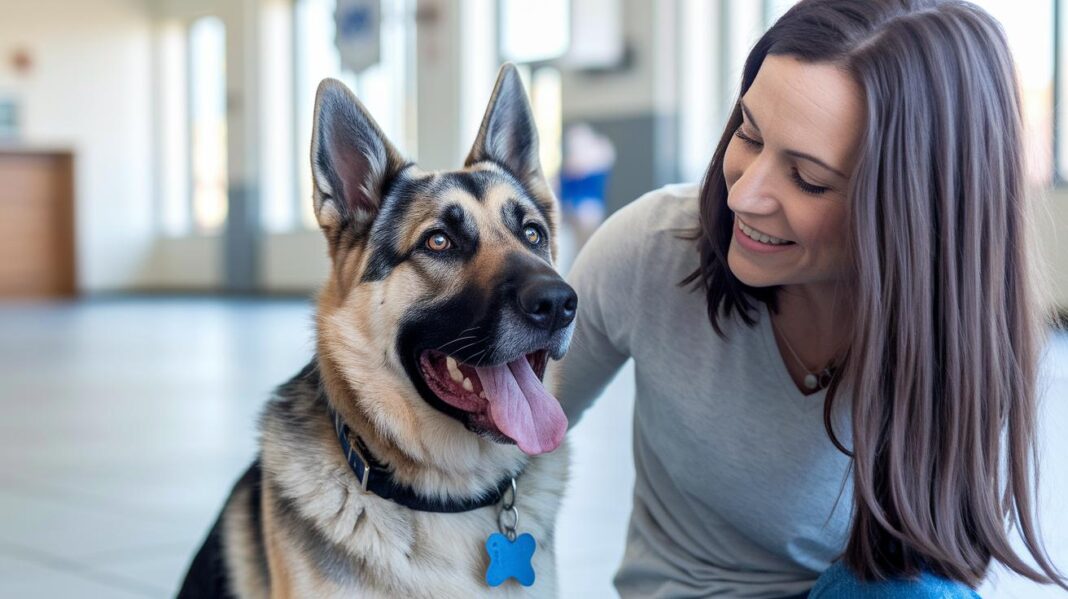

Have you thought about whether your home is ready for a smart, energetic German shepherd? This guide walks you through the whole process so you can be sure your space is safe and welcoming.
It’s a bit like getting your car checked before a long drive, you want everything set for a smooth journey. We show you how to find local clubs, fill out the paperwork, and get ready for home visits.
Follow these clear steps to bring home a loyal friend with confidence.
Key Steps in the German Shepherd Rescue and Adoption Guide
Begin by doing some research. Look into local shelters and rescues that specialize in German shepherds. These groups usually run thorough health checks and behavior tests. Think of it like giving your car a check-up before a long road trip, making sure everything is in order.
Next, you'll fill out an application. This form asks about your lifestyle, experience with pets, and how you plan to care for your new friend. German shepherds are known for their loyalty, smarts, and high energy. They were first bred in late 1800s Germany as herding and guard dogs. These traits make them a great fit for active families. The form helps match each dog with a home that suits its personality and needs.
After that, you will have an interview and a home visit. This step checks that your living space is safe and suitable for a high-energy dog. Sometimes owners have to give up their dogs because of life changes, gaps in training, or high medical bills. The visit ensures you can meet the dog's exercise and health care needs.
Finally, once you’re approved, you’ll meet the dog to see if you match well. A good match means both you and your new companion understand the extra care and energy a German shepherd requires.
Steps:
- Research local shelters and breed-specific rescues.
- Complete an application about your lifestyle and care plans.
- Attend an interview and home visit to ensure your environment is safe.
- Meet the dog and finalize the adoption if the match is right.
Finding Reputable Rescue Organizations for German Shepherds
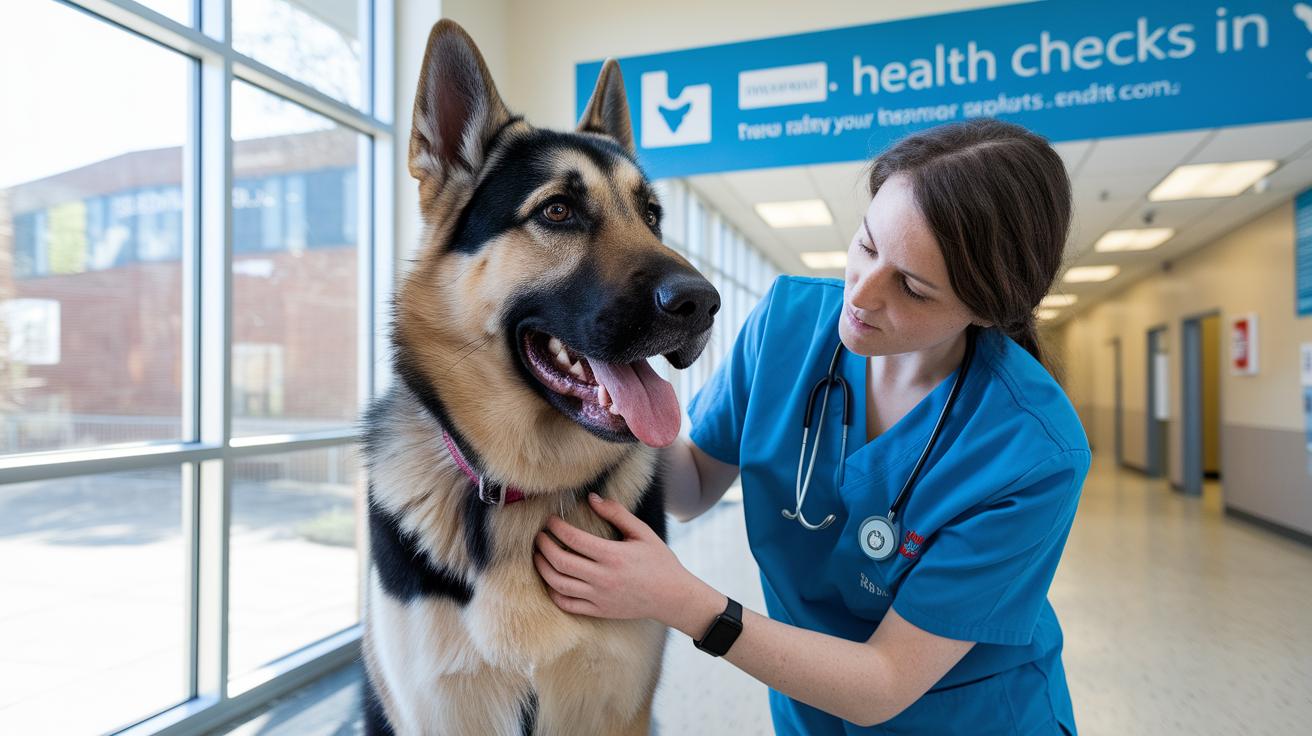
Many groups work hard to find loving homes for German Shepherds, whether they are purebred or mixed breeds. These rescues check each dog's health (like a vet exam) and behavior, making sure the pet is a good fit for its new family. Look for rescues that have clear records, proper accreditation, and active local outreach. These points show they really care about each dog.
Here are some key traits to look for:
| Trait | Description |
|---|---|
| Health Checks | They perform detailed health exams when the dog comes in. |
| Progress Updates | You get regular news about the dog’s progress and background. |
| Volunteer Opportunities | They welcome you to see the rescue work up close. |
| Local Outreach | They work with community events to connect dog lovers near you. |
When looking into local options, search for groups like "lost dog rescue" (https://petsnewz.com?p=1093). This is a good example of a breed-specific rescue with strong community ties. These rescues invite visitors and potential adopters to learn more about what they do. They often run volunteer programs and hold local events that build strong, caring relationships.
Always pay attention to the rescue’s reputation and the support they offer. Groups that work closely with their community are usually more dedicated to finding the right match for each dog.
Step-by-Step German Shepherd Adoption Process and Requirements
Begin by filling out the application form. It asks about your daily routine, your experience with dogs, and your lifestyle. For example, you might say, "I take my dog for walks twice a day, in the morning and evening, to keep them active and happy."
Next, you'll have an interview. This friendly conversation is all about showing your home setup and sharing your pet care history. They want to make sure your space is safe and has enough room for a high-energy breed. Think of it as a chat where you explain that your yard is securely fenced.
After the interview, a home visit is scheduled. A volunteer or staff member will check your living space to see if there’s plenty of room and proper safety measures in place. Imagine it like a brief tour to ensure your pet will have a safe place to play.
Finally, you'll need to provide documentation about spay/neuter, microchip, and vaccination plans. Some rescue groups ask for detailed records or extra vet notes, while others include these details in a contract outlining care and return policies.
Steps:
- Fill out the application form with details about your routine and dog care experience.
- Take part in a friendly interview about your home environment.
- Allow a home visit to verify that you have enough space and safety measures.
- Submit documents for spay/neuter, microchip, and vaccination plans; note that requirements may differ by rescue organization.
Preparing Your Home for a Rescued German Shepherd

Begin by gathering the basics for your new friend. Make sure you have a secure crate (a safe space for resting), non-toxic chew toys for fun, high-value training treats to encourage good behavior, and a sturdy leash for walks.
Next, pet-proof your home and yard. Walk around your space and remove any hazards such as loose wires, unsecured fences, or small objects that could be swallowed. Think of it as creating a safe and cozy playground that builds confidence.
A checklist can be very useful during shelter visits. Write down simple questions about the dog's behavior, energy levels, and any favorite routines they once had. Noticing how they act in familiar settings may help you prepare your home for a smooth transition.
If you're not ready for permanent adoption, consider a fostering program. A trial period can show you how the dog's temperament fits with your lifestyle. Fostering options, like the foster to adopt approach (https://petsnewz.com?p=1239), make it easier to adjust responsibilities while helping the dog get comfortable.
Steps:
- Gather essential supplies: crate, toys, treats, and leash.
- Pet-proof indoor and outdoor areas by getting rid of hazards.
- Use a checklist at the shelter to learn about the dog's behavior.
- Look into fostering programs for a trial period.
Assessing Temperament and Health in Rescued German Shepherds
Many rescued German Shepherds can show signs of anxiety. The good news is that proper care and gentle socializing can help them feel better fast. When you bring your new friend home, make sure to schedule a visit with a veterinarian who knows German Shepherds within 48 hours. This quick check-up can catch problems like hip dysplasia (a joint issue) and elbow dysplasia, and it may help prevent bloat (a sudden, severe swelling of the tummy).
Keep a close eye on your dog for any signs of anxiety or mistrust. These feelings might be from past experiences, and spotting them early can help you guide your pet gently. For example, if your dog seems unsure when you approach, softly call their name and offer a treat. Even small, calm steps can make a big difference.
Your vet might also check for signs of degenerative myelopathy (a worsening spinal problem). Regular exams are key to finding and managing these issues early. At the same time, start socializing your dog with a steady routine. This means calm introductions to new people and safe play sessions that let your dog explore without feeling overwhelmed.
Steps to keep in mind:
- Set up a veterinary visit within 48 hours of adoption.
- Watch your dog's behavior for signs of anxiety.
- Look out for physical problems like joint pain or tummy bloating.
- Establish a daily routine with calm introductions and controlled play.
By caring for both your dog’s body and heart, you can help them settle into their new home with confidence and comfort.
Post-Adoption Care, Training, and Integration for German Shepherds
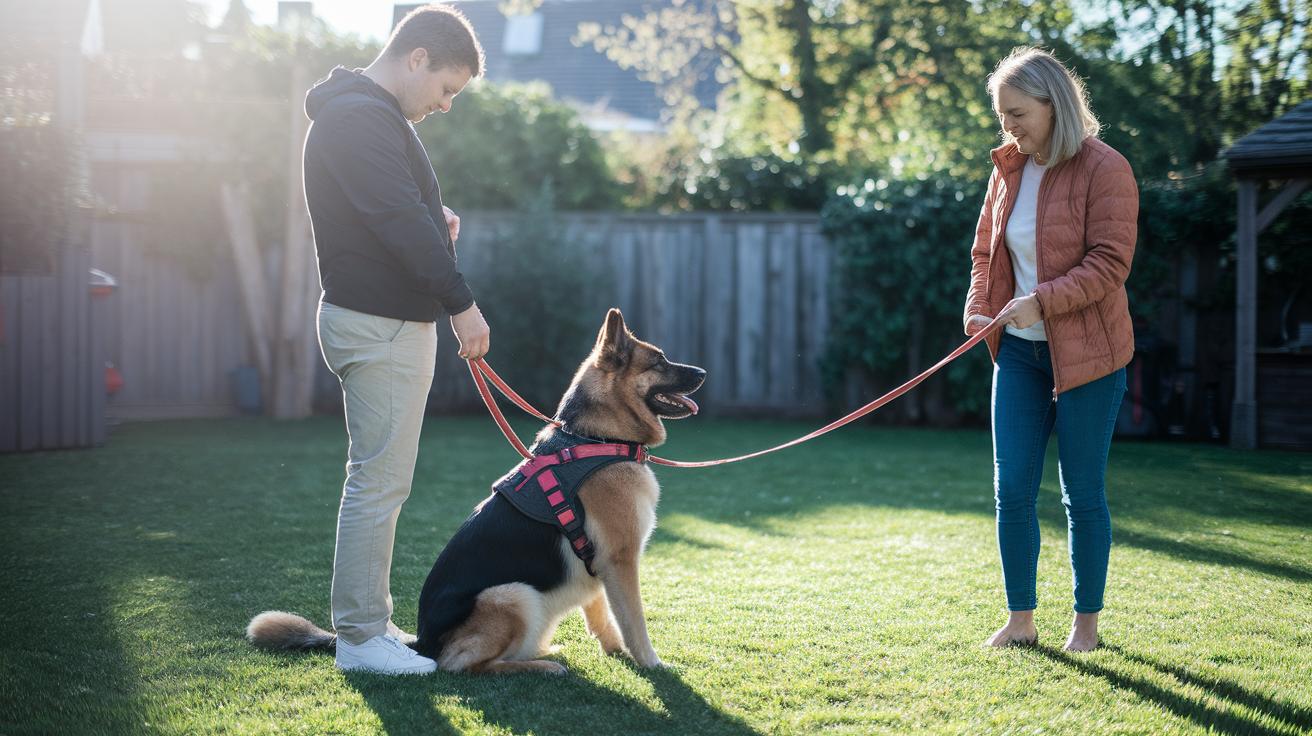
Start with a daily routine that matches your German Shepherd's lively energy. Schedule morning and evening brisk walks to help burn off energy and provide a sense of security.
Set aside time each day for training sessions. Use simple commands like "sit" and "stay" and mix in puzzle toys to keep your pet engaged. Treats and praise go a long way in building trust, making learning fun and effective.
Good nutrition is essential. Feed your dog two balanced, protein-rich meals every day. Adjust the portions based on your dog's age, size, and activity level to help maintain a healthy weight and keep energy levels up.
Grooming should be part of your routine too. Brush your German Shepherd's thick coat once a week to reduce shedding. Regularly trim nails and clean ears to keep them comfortable and help prevent infections.
If you see signs of anxiety or reactivity, consider consulting a certified trainer experienced with the breed. They can offer tips to help your dog adjust to new people or changes in the environment.
Steps to follow:
- Plan daily walks and play sessions.
- Hold regular training sessions with engaging puzzle toys.
- Provide two balanced, protein-rich meals daily.
- Groom every week and watch for any anxiety cues.
Inspiring German Shepherd Rescue and Adoption Success Stories
Willow was given up by her first home because she didn't get enough exercise. At her new rescue, she started enjoying playful runs and fun agility training. With regular exercise and loving care, she turned into an energetic and nimble buddy.
Hugo, a sweet older dog, found a new start through a foster-to-adopt program. In a calm and caring home, he now delights in quiet afternoons and gentle walks. His journey reminds us that older pups have their own strengths and can thrive when given patience and a warm space.
Dex was once very scared of strangers, a holdover from a rough past. With steady help and lots of gentle social time, he gradually learned to trust people again. His progress shows that with kind, thoughtful care, even a fearful dog can become confident.
These stories prove that with lots of love, proper support, and time, every rescue can turn challenges into successes and inspire hope in every pet lover.
Steps to inspire change:
- Make sure your pet gets regular exercise and simple training.
- Provide a safe, warm home for them.
- Celebrate each pet's unique story.
Final Words
In the action of rescuing a loyal German Shepherd, we walked through key steps. The guide broke down research, choosing reputable shelters, detailed application processes, and ways to prepare your home.
Using a step-by-step german shepherd rescue and adoption guide, you learned about assessing health, temperament, and post-adoption care. This clear, helpful guide gives you the confidence to find a loving companion and create a safe, happy home for your new friend. Enjoy building a bright future together!
FAQ
What does the German shepherd rescue and adoption guide in USA cover?
The guide gives an overview of finding nonprofits and shelters in the USA that specialize in rehoming German Shepherds. It explains the application, screening, and home visit process.
How does the German shepherd rescue and adoption guide in Texas work?
The Texas guide describes how to locate local breed rescues, fill out detailed application forms, and complete home visits, ensuring a smooth match between adopters and their future German Shepherd.
How can I find free German Shepherd puppies rescue in North Carolina?
The guide explains steps to locate rescue groups offering free German Shepherd puppies in North Carolina, including how to apply and verify the need for and suitability of a new pet.
What is Guide Us Home German Shepherd Rescue?
Guide Us Home German Shepherd Rescue is a dedicated nonprofit that rehomes German Shepherds. The guide outlines contacting the group, meeting their adoption requirements, and preparing your home.
How does German Shepherd Rescue of BC Chilliwack operate?
German Shepherd Rescue of BC Chilliwack focuses on rehoming shepherds in that area. The guide covers their application process, health screenings, home safety checks, and matching process.
What details are provided about German Shepherd Rescue & adoptions GSRA?
The guide explains that GSRA uses a thorough application process, including home visits and health checks, to help match reliable homes with German Shepherds in need.
What does Freedom German Shepherd Rescue offer to adopters?
Freedom German Shepherd Rescue provides detailed health, behavior, and background screening to secure the best match for both the dog and the adoptive family, as outlined in the guide.
How can I connect with Carolina German Shepherd Rescue?
The guide explains how Carolina German Shepherd Rescue uses community outreach, a careful application process, and home evaluations to rehome loyal German Shepherds successfully.