

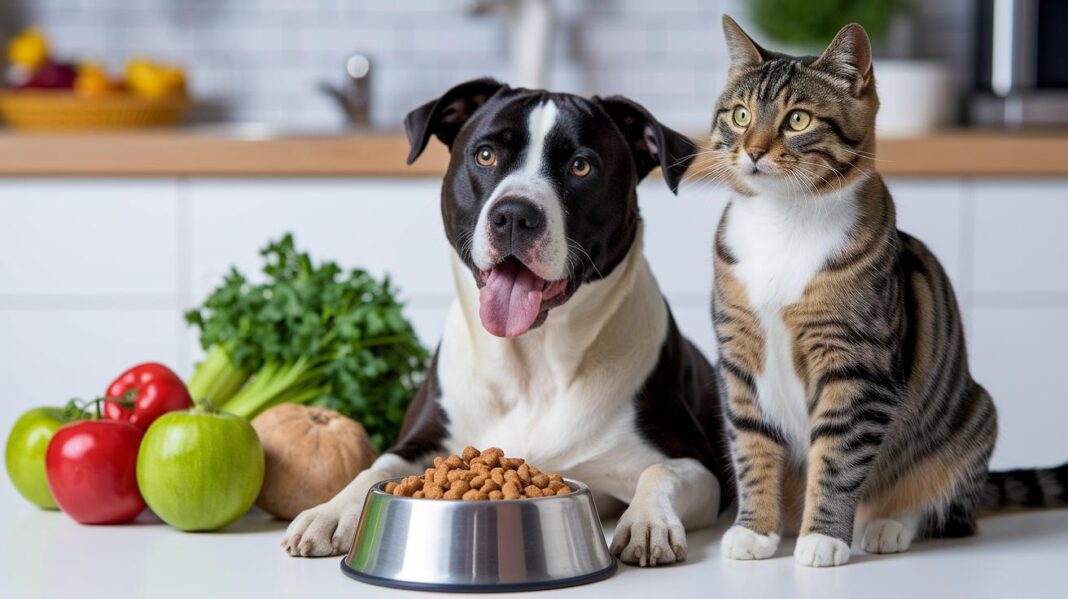

Are you feeling concerned about your pet’s weight, even though you’re doing your best? Many pet owners find it hard to help their furry buddy lose extra pounds. The best first step is to visit your vet (a doctor for your pet) to make sure there aren’t any hidden health issues and to set safe calorie goals. Measuring your pet’s meals carefully and adding a little daily exercise can spark a healthier routine. Even small changes in how and when you feed your pet can boost its comfort and happiness. Keep reading to learn how simple diet tweaks can help your companion stay active and joyful.
Effective Pet Weight Loss Diet Strategies
Start with a visit to your vet. A check-up lays the groundwork for a safe weight loss plan. Your vet can look at your pet’s overall health, check for joint pain or hormone issues (imbalances in body chemicals), and make sure no hidden problems may stop your pet from moving comfortably. For example, if your dog shows signs of arthritis, your vet might suggest a plan that eases pain while shedding pounds.
Next, work on figuring out the right daily calorie amount for your pet. Many pet owners find that online calorie calculators or a chat with their vet makes it easier. Use measuring cups or a kitchen scale to serve the correct portion each meal. Also, study the ingredient labels on pet food bags to see what you’re feeding and how many calories are in it. Slow changes in your pet’s feeding routine help everyone adjust while watching their reaction to the new diet.
Daily, gentle exercise is a key part of losing weight. Regular walks, mild playtime, or other light activities can boost your pet’s metabolism, strengthen muscles, and burn extra calories. By combining steady exercise with controlled feeding, your pet will lose weight, build stamina, and feel happier.
| Step | Action |
|---|---|
| 1 | Get a veterinary check-up |
| 2 | Set and adjust daily calorie goals |
| 3 | Measure portions accurately with cups or scales |
| 4 | Swap out high-calorie treats for healthier options |
| 5 | Keep meal times steady |
Portion Control Strategies for Pet Weight Management
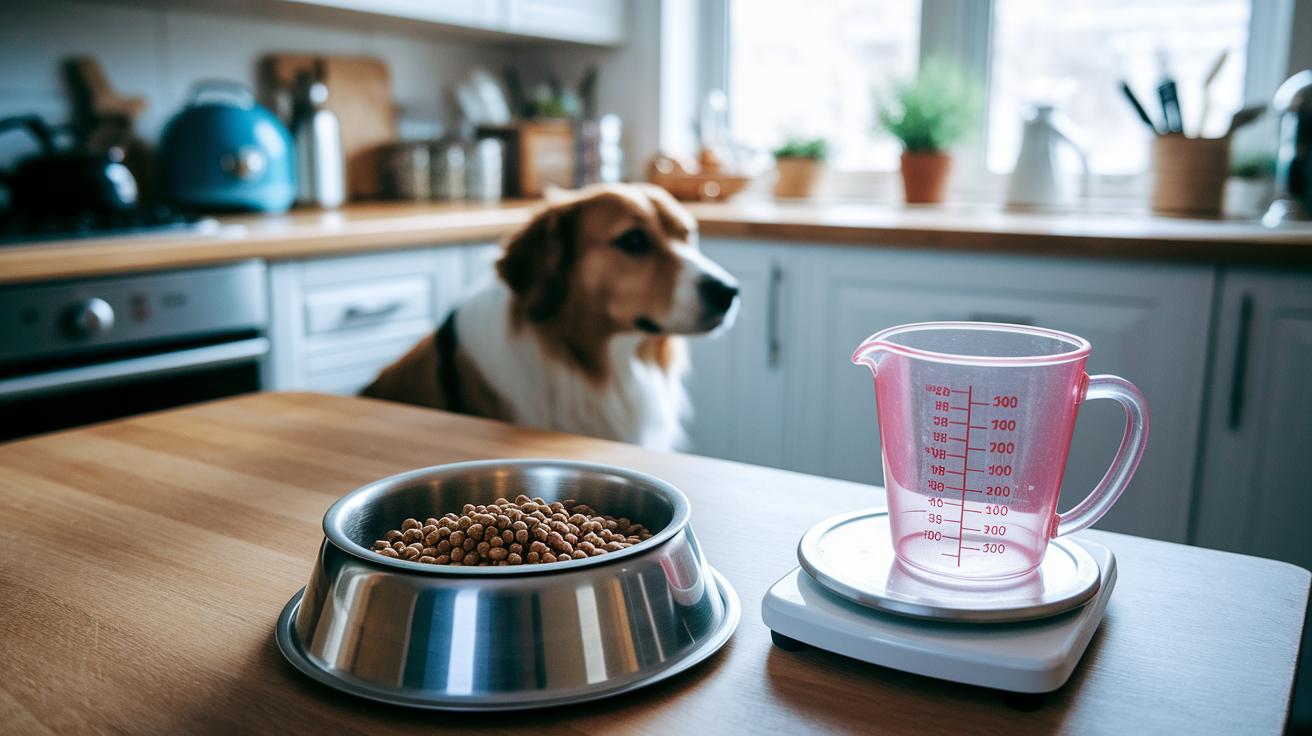
Getting the portions right is essential for keeping your pet on track with a safe weight loss plan. Guessing amounts can lead to overfeeding and unwanted extra calories. Instead, using a measuring cup or a kitchen scale helps ensure your pet gets exactly the right amount.
Many pet owners find online calorie calculators or advice from their vet helpful in setting daily calorie goals. Food calorie charts can also be a handy tool to see how many calories are in each cup of food. For more details, check out Dog Food Nutrition Facts Explained.
| Pet Size | Daily Calorie Allowance (kcal) | Portion Size (cups) |
|---|---|---|
| Small | 200-300 | 0.5-0.75 |
| Medium | 300-500 | 1-1.5 |
| Large | 500-800 | 1.5-2.5 |
Measuring portions carefully helps prevent accidental overfeeding while supporting a steady weight loss journey. By setting clear calorie goals and using reliable tools, you can easily adjust your pet’s meals as their needs change, keeping them active, comfortable, and healthy.
Low-Calorie Meal Options and Recipes for Pets
High-Protein Low-Fat Meal Ideas
Try a turkey and veggie dish. Use lean turkey, add finely chopped carrots and peas, and drizzle a small amount of olive oil. This meal gives about a 4 to 1 protein to fat ratio and provides roughly 120 kilocalories (kcal) per cup. It may help burn fat while keeping your pet's muscles strong.
Next, try a chicken and rice mix. Boil skinless chicken and stir it with brown rice and steamed zucchini. This dish has a protein to fat ratio of about 3 to 1 and offers around 110 kcal per cup. It is made with whole foods that give balanced nutrition.
Another tasty option is a fish and pumpkin medley. Mix lean white fish with pureed pumpkin and a few green beans. This meal has roughly a 5 to 1 ratio of protein to fat and provides close to 100 kcal per cup. If you are interested in raw diets, check out this link for more details: Raw Pet Food Nutrition Facts and Health Benefits.
Healthy Homemade Treats
For a low-calorie treat, try baked pumpkin bites. Mix pureed pumpkin with oat flour, roll the mixture into small balls, and bake them for 15 minutes at 350°F (about 177°C). Each bite is around 10 kcal and is a safe reward for your pet.
Another fun idea is frozen fruit cubes. Cut small pieces of apple or use a few blueberries and mix them in plain yogurt. Freeze the cubes and serve small portions that add up to about 5 kcal each. This refreshing snack fits nicely into a pet weight loss plan.
Expert Guidance on Nutrition and Safety Considerations

Before starting any weight loss plan for your pet, get a vet check-up. Your vet will examine your pet’s overall health, look for signs of joint pain or hormone problems, and set safe weight goals based on breed, age, and energy levels. A vet might say, "Let's review her health first so we can set the right calorie goal," making sure the plan fits your pet’s unique needs.
Trust your vet when choosing between store-bought and homemade diets. They can point you to balanced, vet-approved meals that mix the right amount of proteins, fats, and carbohydrates and cover any nutrient gaps. For example, a vet may advise, "Pick a diet that includes all the key vitamins and minerals to keep your pet's coat shiny and energy up," so you steer clear of recipes that might fall short.
Keep a close eye on your pet. A dull coat, low energy, or changes in behavior might mean nutrient deficiencies. If you notice these signs, call your vet to adjust the diet and help your pet lose weight safely.
Tracking Progress and Maintaining Long-Term Weight Control
Tracking Weight and Food Intake
Weigh your pet regularly using a simple scale and keep notes of their progress. A weekly check can show you if their weight is changing. Write down their weight along with the amount of food and water they consume each day. You can use an app or just a notebook. One pet parent shared, "I track every meal and weigh-in every week, and I saw a slow but steady drop in my dog's weight." This log helps you quickly spot any sudden changes.
Exercise Integration Tips
Daily exercise is key to keeping your pet healthy. Aim for 30 to 120 minutes each day, depending on your pet’s breed, age, and ability. Try an evening walk, a game of fetch, or gentle indoor play. For example, a 45-minute walk paired with a short play session in the yard can lift their mood and boost their metabolism. Regular exercise burns calories, keeps muscles strong, and helps joints stay healthy so your pet remains comfortable and active.
Preventing Obesity: Lifestyle Adjustments and Preventative Tips

Overweight pets face big health risks. Almost 60% of U.S. pets carry extra weight, which can lead to sore joints and early arthritis.
Additional Preventive Tips:
- Get every family member involved in your pet's routine. For example, one person might handle the daily walks while another measures out the meals. This way, your pet benefits from a steady routine.
- Swap food treats with active fun. Instead of giving a treat after a trick, offer extra playtime or a few gentle pets. This helps encourage good behavior without extra calories.
Final Words
In the action, this guide showed how a vet check-up sets the stage for safe weight management. We walked through measuring daily calories, precise portion control, and pairing diet changes with low-impact exercise. You learned how healthy meals and treats support a pet’s metabolism while tracking progress keeps things on track. These pet weight loss diet tips help create a balanced routine that supports long-term pet wellness. Keep moving forward with simple steps that guide a healthier and happier future.
FAQ
How much should I feed my dog to lose weight using a calculator?
The feeding amount for weight loss is calculated by measuring your dog’s current weight and activity. Use a calorie calculator and consult your vet to set a safe, tailored portion size.
What are pet weight loss diet tips for cats?
The cat weight loss diet tips focus on offering low-calorie meals, precise portion sizes, and healthier treat alternatives. Always have your vet review changes to ensure balanced nutrition.
How can I prepare homemade food for my dog’s weight loss?
The dog weight loss homemade food recipes use lean proteins, vegetables, and whole grains. This combination helps lower calories while keeping meals balanced. Ask your vet for safe, recipe ideas.
My dog is losing weight but eating normally—what does this mean?
The dog losing weight while eating normally might have an underlying health issue. A vet check-up is needed to rule out medical concerns and to adjust the diet or treatment if necessary.
What vet recommended or weight loss-specific dog food options are available?
The vet approved dog food for weight loss is formulated with controlled calories and balanced nutrients. These options help manage your dog’s weight safely, but always consult your vet before switching.
How can I create an effective weight loss plan for my dog with or without exercise?
The dog weight loss plan combines adjusted food portions with an exercise routine suited to your pet’s abilities. For dogs with limited exercise, focus on calorie control and vet-approved diet changes.
What is the 3-3-3 rule for pet weight loss?
The 3-3-3 rule for weight loss outlines three steps: vet assessment, a targeted reduction in daily calories, and consistent meal scheduling. This basic guideline helps manage your pet’s weight safely.
How can I help my dog lose weight quickly?
The dog weight loss process to speed up results includes a vet consultation, controlled portion sizes, and safe physical activity. Rapid weight loss carries risks, so gradual changes are best.
Can a dog lose 3 pounds in a week?
The possibility of losing 3 pounds in a week depends on your dog’s size, breed, and overall health. Gradual weight loss is safer, so set realistic goals and follow your vet’s guidance.
Which foods aid in your dog’s weight loss?
The dog weight loss foods incorporate lean proteins, vegetables, and low-fat grains. These ingredients help lower calories and maintain muscle, but any new diet should be vetted by your veterinarian.