



Ever wonder which dog breed might add extra years of love to your life? Many pet parents are surprised to see some dogs live longer and give more joy. In this post, we'll look at breeds known for their long lifespans. You’ll find out about small dogs that age slowly and larger dogs that live well with proper care. Ready to meet the breeds that bring extra warmth and happiness every day?
Leading Longest Living Dog Breeds and Their Average Lifespans
This table shows some well-loved dog breeds that tend to live longer. Small breeds usually last longer because they grow slowly and have less stress on their bodies. Medium and large dogs can also reach high ages if they get good care and plenty of exercise.
| Breed | Size Category | Average Lifespan | Special Example |
|---|---|---|---|
| Chihuahua | Small | 14–18 years (often 20+ years) | Megabyte almost reached 21 years |
| Jack Russell Terrier | Small | Robust lifespan | High energy with few hereditary issues |
| Dachshund | Small | 12–16 years | Chanel lived for 21 years |
| Toy & Miniature Poodle | Small | 14–18 years | Well-known for their hardiness |
| Australian Cattle Dog | Medium | Typically into the teens | Bluey reached 29 years 5 months |
| Border Collie | Medium | About 12–15 years | Bramble lived for 25 years |
| Beagle | Medium | About 12–15 years | Known for excellent health and longevity |
| Labrador & Golden Retriever | Large | 10–14 years | Good care can help them live longer |
The table shows that while small dogs often have a longer life thanks to lower body stress, medium and larger breeds can also enjoy many happy years with proper care.
Why Small Breeds Dominate the Longest Living Dog Breed Ranks

Small dogs grow slowly when they are young. This slower growth helps their cells and tissues stay in good shape for a longer time. Their lower metabolism (how fast they use energy) means they produce fewer harmful byproducts. That helps prevent too much wear on their bodies. For example, Chihuahuas can live 15 to 20 years because their small bodies reduce the risk of genetic problems. Jack Russell Terriers also tend to live long due to their active lifestyle and few inherited issues.
A smaller body makes life easier on a dog’s organs. They don’t have to work as hard to pump blood or keep warm. This means they face fewer chronic problems and a lower chance of early diseases than larger breeds.
- Slower growth helps keep cells healthy.
- Lower metabolism eases strain on body systems.
- Less organ stress means they stay strong longer.
- A smaller weight cuts down on wear and tear.
- Fewer inherited issues often lead to a longer life.
Overall, small dogs are naturally built to age slowly and enjoy more happy years with their families.
Longest Living Dog Breeds Among Medium and Large Dogs
The Australian Cattle Dog is a real workhorse. Bluey, a famous example, lived for 29 years and 5 months. This shows how a busy lifestyle and strong work habits can help dogs live longer. They spend their days active, which keeps their muscles, joints, and organs strong.
Border Collies and Beagles also break the rules on typical lifespans. Border Collies usually live 12 to 15 years, but some, like Bramble at 25 years, prove that staying mentally and physically active really counts. Beagles, known for their toughness and few breed-specific diseases, also do well when they play and stick to a routine.
Alaskan Malamutes, Labradors, and Golden Retrievers can also enjoy long lives with good care. Alaskan Malamutes typically live 12 to 15 years, and looking after their joints is key. Labradors and Golden Retrievers usually last 10 to 14 years; however, balanced nutrition, daily exercise, and regular vet checkups can help them stay healthy longer.
Key Health Factors Influencing Longest Living Dog Breed Lifespans
Nutrition and Diet
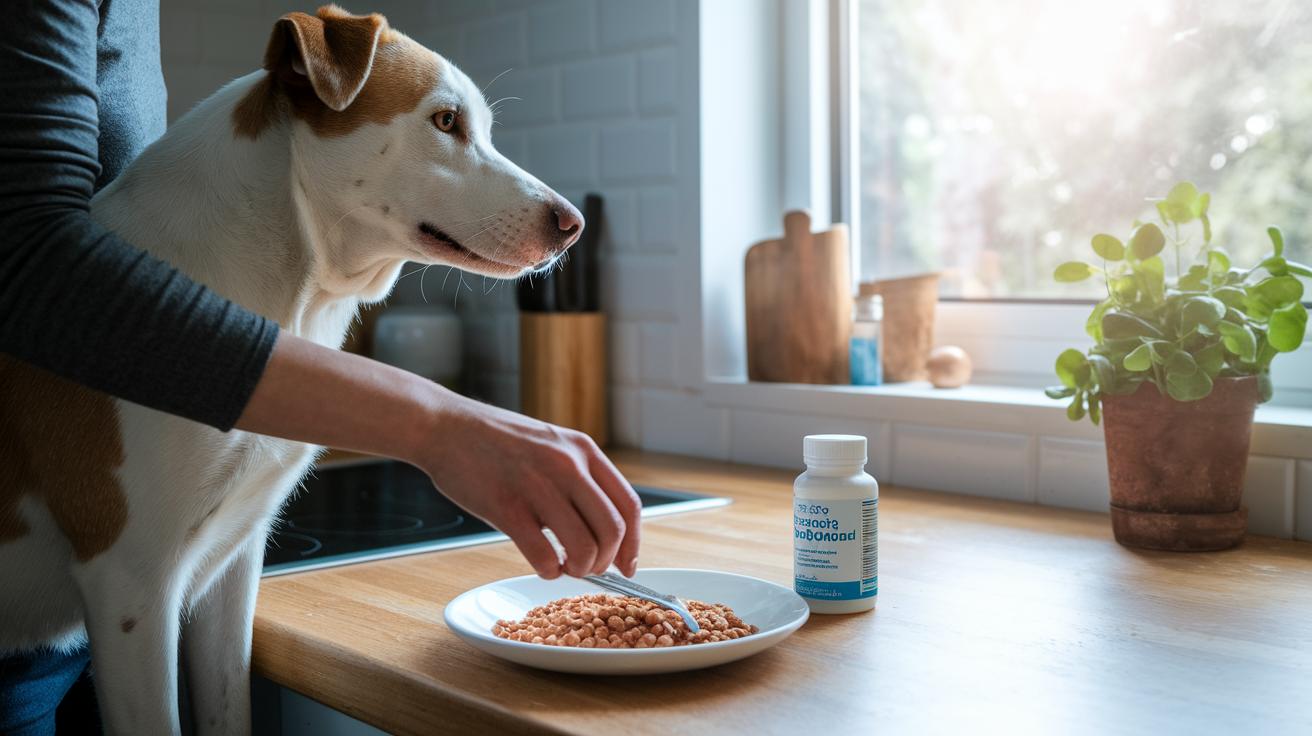
Feeding your dog the right food is key to keeping its cells healthy and its immune system strong. Stick to a balanced mix of proteins, fats, vitamins, and minerals. Try to plan meals with lean proteins and healthy fats at set times to keep energy steady all day. Some pet owners even add things like omega-3 (a type of healthy fat) and glucosamine (a supplement that supports joint health) to help with joint care and brain function.
Exercise and Mental Stimulation
Daily exercise and fun mental games keep your dog healthy and alert. Simple activities like walks, playing fetch, or a short training session help build muscle, improve coordination, and keep the brain busy. Think about a game of fetch that also teaches your dog to listen to your cues. These activities can also help keep your dog from gaining extra weight and ease age-related stiffness.
Preventive Veterinary Care
Regular vet checkups help catch health issues early. It’s best to have a visit every 6 to 12 months to check for common problems. Think of these visits as a tune-up for your dog’s body that can spot early signs of joint pain or dental issues. Keeping up with vet advice, vaccinations, and any needed supplements can help your pet live a longer life.
Stress Management
A calm and steady routine can lower your dog’s stress and boost its overall health. A quiet home, safe chew toys, and puzzle feeders give your dog a way to relax and stay entertained. Keeping things consistent and low key helps your pet feel safe and can add years to its life.
Genetic and Environmental Drivers Behind the Longest Living Dog Breed Phenomenon
Good genes help dogs live healthier and longer lives. When a dog has a mix of genes, like many mixed breeds do, it can lower the risk of inherited problems. Responsible breeders also steer clear of traits like a very short snout (severe brachycephaly) that may make a dog’s life shorter. In short, solid gene pools give our furry pals a better chance to grow strong and be resilient companions.
Where a dog lives also makes a big difference. Dogs kept in cozy, controlled indoor climates seem to age more gracefully than those braving harsh outdoor conditions. For example, local breeds such as the Indian Pariah Dog can live between 13 and 16 years. A stable temperature, regular shelter, and less exposure to the extremes help them stay healthy for longer.
A steady daily routine boosts a pet’s lifespan too. Regular exercise like walks, a balanced diet, and routine vet checkups help catch problems early. A calm, low-stress environment keeps their metabolism and hormones in balance. Whether a mixed breed or purebred, careful, breed-specific care can add extra years to your pet’s life. Combining good genes with a nurturing home gives your furry friend more happy, quality years with you.
Record Holders: Extraordinary Cases of the Longest Living Dog Breed
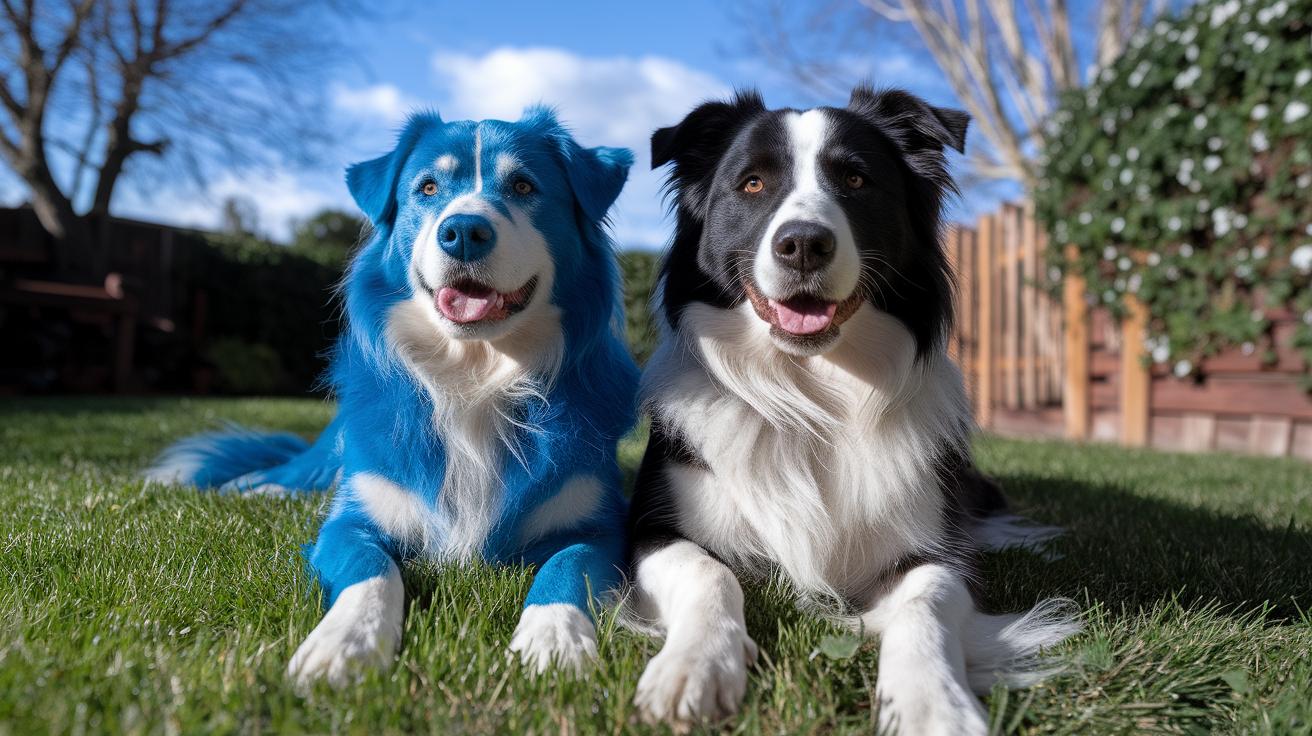
Bluey, an Australian Cattle Dog, holds the Guinness record by living for 29 years and 5 months. Bramble, a Border Collie known for staying active and enjoying a balanced diet, lived for 25 years. These amazing lives show that giving your dog the care it needs can really help them live longer.
Pebbles, a Toy Fox Terrier, lived for 22 years, far beyond what is expected for her breed. Chanel, a Dachshund, reached 21 years, another example of a dog living well past her breed’s typical years. Think about it: Pebbles beating the odds can inspire pet owners to look at their pet care routine differently.
Megabyte, a Chihuahua, almost hit the 21-year mark. This shows that smaller breeds may face fewer genetic risks when they get proper care. Even Indian Pariah Dogs, which often face tough living conditions, can live up to 16 years when cared for well.
Final Words
In the action, this article walked through key points on dog breed lifespans. We checked out small breeds with high longevity, compared care tips for medium and large dogs, and shared ways to support pet health through balanced nutrition, exercise, and safe care routines.
Every section helped explain how genetics and environment affect longevity. The guide ties science and daily care together, leaving you ready to help your pet shine as the longest living dog breed.
FAQ
What breed of dog lives the longest?
The breed of dog that lives the longest is often the Chihuahua, with many chihuahuas reaching 14–20+ years due to their small size and lower risk for inherited diseases.
Which dog breed has the least health issues?
The dog breed with fewer health issues tends to be small breeds, such as the Jack Russell Terrier, which usually experience minimal hereditary conditions and enjoy robust, active lives.
Do any dogs live 20 years?
Dogs like Chihuahuas and some Pomeranians often live 20 years, benefiting from their slower growth and reduced organ stress, with proper care and regular veterinary checkups.
What breed of dog has the lowest life expectancy?
Generally, larger breeds like Labrador and Golden Retrievers have the lowest life expectancy, averaging around 10–14 years due to size-related organ stress influencing their overall longevity.
What are some of the top longest living dog breeds?
The top longest living breeds include Chihuahuas, Jack Russell Terriers, Dachshunds, Toy Poodles, Yorkshire Terriers, and Shih Tzus, known for their extended lifespans when given proper nutrition and care.
Are there notable long-lived large dog breeds?
Notable long-lived large breeds include the Australian Cattle Dog and Border Collies; these dogs can defy typical size limits and, with proper care, sometimes reach lifespans that approach or exceed 20 years.
Who is Bluey and why is he remarkable?
Bluey, an Australian Cattle Dog, is remarkable for holding the Guinness record with a lifespan of 29 years and 5 months, which shows how active lifestyles and dedicated care can extend a dog’s life.
What about breeds like Lancashire Heeler, Chinese Crested, and Australian Shepherd?
Breeds such as the Lancashire Heeler, Chinese Crested, and Australian Shepherd vary in lifespan, with smaller breeds generally living longer; each benefits from proper care and can serve as loving, long-term companions.
Is there a list of dog breeds that live the longest?
Yes, numerous lists rank long-lived dog breeds by lifespan, featuring smaller breeds known for longevity, healthy medium breeds, and even select large breeds that exceed typical age expectations when cared for well.