



Have you ever seen a puppy burst into a room with energy, only to see that bright spirit dim after a few scary moments?
Teaching your puppy how to enjoy meeting new people and sounds can change everything. In those first few weeks, let your puppy experience calm strangers, gentle noises, and safe adventures. Each new sound and friendly face builds a bit more confidence.
By taking these small, steady steps, you help your pup grow into a brave and happy friend who is ready to greet everyone with a wag of the tail.
Socialization Training for Puppies: Bright Beginnings
Puppies have a special time between 3 and 14 weeks when they learn like little sponges. In this period, exposing them to new places, sounds, and friendly people helps them build social skills that last a lifetime. Experts recommend that by 12 weeks, puppies should check out at least 5 to 7 different spots. This helps them grow into confident pups and reduces fears later on.
Starting slowly with fun, low-stress encounters is very important. Begin with easy tasks and slowly increase the challenge. This helps your puppy feel safe and builds good habits. Each new experience should be fun and gentle so that these first meetings become happy memories.
- Find a safe spot – Begin in a quiet, secure area where there aren’t too many distractions.
- Meet new people – Arrange calm meetings with one person at a time. Keep the visits short and use a gentle, friendly voice.
- Puppy playdates – Let your puppy meet other vaccinated puppies in a controlled area. This helps create friendly behavior.
- Get used to sounds and objects – Slowly introduce household sounds (like a vacuum or doorbell) and everyday items so they feel normal.
- Reward good behavior – Give treats or praise right away when your puppy stays calm and curious.
Watch your puppy’s body language as you go through these steps. Signs like a wagging tail, relaxed body, or bright eyes mean your little friend is enjoying the new experience. If you see signs of fear, like hiding or cowering, take a break. Step back to a familiar place and try again later. Remember, every puppy is different. Keep reviewing progress and slowly add more new experiences to help your puppy build strong social skills and a happy, confident attitude.
Recommended Socialization Exercises for Puppies
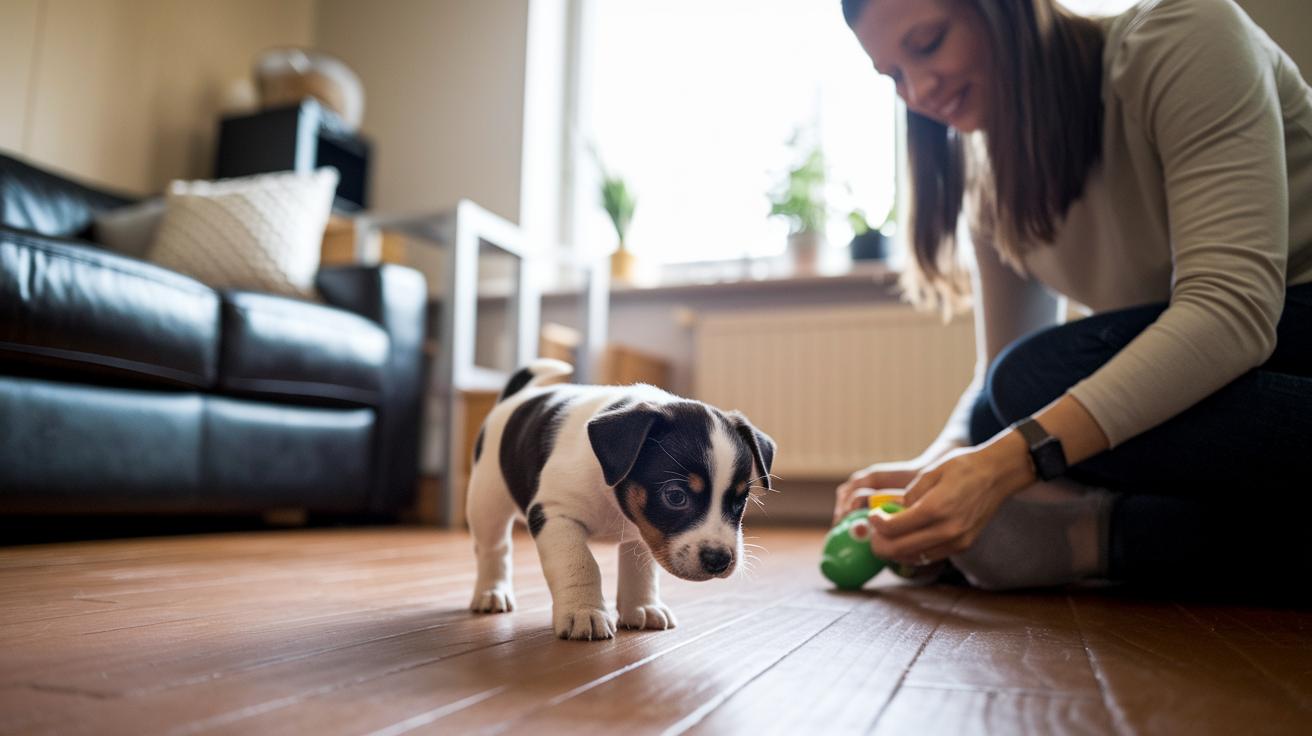
Helping your puppy grow confident means letting them enjoy a variety of sounds, sights, and gentle interactions. Mixing indoor fun with outdoor adventures gives your puppy a safe way to learn about the world while building their self-assurance. Start small and adjust each activity to match your puppy’s comfort level.
- Play with other vaccinated puppies for about 15 minutes per session, three times a week.
- Introduce common household sounds and objects like the vacuum, doorbell, or even slippery floors for 5 minutes daily, and slowly increase the time as they get used to it.
- Take short, supervised walks on quiet sidewalks for around 10 minutes at a time, ideally once or twice a day.
- Allow calm meetings with new people for 2 to 3 minutes, repeated 2-3 times a day.
- Have controlled outdoor sessions at pet-friendly stores for about 10 minutes per visit, twice a week.
- Do indoor play sessions with simple toys and obstacle setups for 10 minutes every other day.
Be sure to watch your puppy’s reactions. If they seem overwhelmed, slow down and give them time to recover. Gradually increase the time and complexity of each activity to help them grow without stress.
Managing Common Challenges in Puppy Socialization Training
Puppies can feel overwhelmed during social training. If your pup is panting hard, tucking its tail, whining, freezing, avoiding people, or crouching, it’s a sign of stress. When you notice these signals, take a break or move to a spot where your puppy feels safe. Slow down the introductions and offer gentle praise and treats for even little wins. This approach helps your pup build social confidence bit by bit without feeling overloaded.
| Challenge | What You Can Do |
|---|---|
| Over-stimulation (heavy panting, tucked tail, whining) | Step back and give calm praise |
| Fear of strangers (freezing, avoiding, crouching) | Move to a familiar, safe spot |
| Too much energy during play | Slow things down and keep visits short |
| Uncertainty with new sounds or sights | Introduce one thing at a time and reward calm behavior |
Keep a close look at your puppy’s body language. If you see signs of stress, pause the activity and let your pup relax. Once things settle, slowly bring back the new experience. This careful approach keeps training positive and helps your puppy grow more confident over time.
The Role of Positive Reinforcement in Puppy Socialization Training

Positive reinforcement is all about linking a reward to a calm or curious action. When your puppy meets someone new or explores a room full of toys, offering a treat, toy, or a kind word right away helps build a happy memory. For example, give a small treat when your puppy stays calm during a greeting. This simple step helps lay the groundwork for strong communication skills.
It's important to reward your puppy immediately when they do something right. By giving a treat or a quick word of praise at that moment, your pup learns which action you like best. This clear reward system boosts their social confidence through repeated positive interactions. Think of it like clapping right after a dog follows a command, it makes the behavior stick.
As your puppy grows more confident, try giving fewer treats over time. Mix in more verbal praise and playful interactions instead. This shift helps your puppy learn to feel good from within and builds lasting communication skills. Both you and your furry friend will enjoy a naturally positive phase of growth together.
Guidelines for Safe and Effective Socialization Environments
Start socializing your puppy once they have had their first vaccines. Wait about 7 days after the initial shots before placing your pup in new settings. This wait gives your furry friend a safe way to learn and explore.
Pick calm, controlled places for these early adventures. Avoid busy dog parks or crowded public spots until your puppy has full immunity. Instead, try organized puppy classes or small group training sessions. These settings help reduce stress while your puppy gets used to new people, sounds, and sights.
Change up where you take your pup to build their confidence. Visit quiet neighborhoods, pet-friendly shops, or even a friend’s yard. Each new locale offers different textures, noises, and smells to explore. Over time, your puppy learns that change can be fun and safe.
Also, think about working with a professional trainer who knows how to guide puppy socialization. Expert trainers can offer clear advice suited to your pup’s needs and pace. Their sessions mix fun with learning, giving you effective tips for a positive start.
Incorporating Video Demonstrations and Visual Guides into Puppy Socialization Training
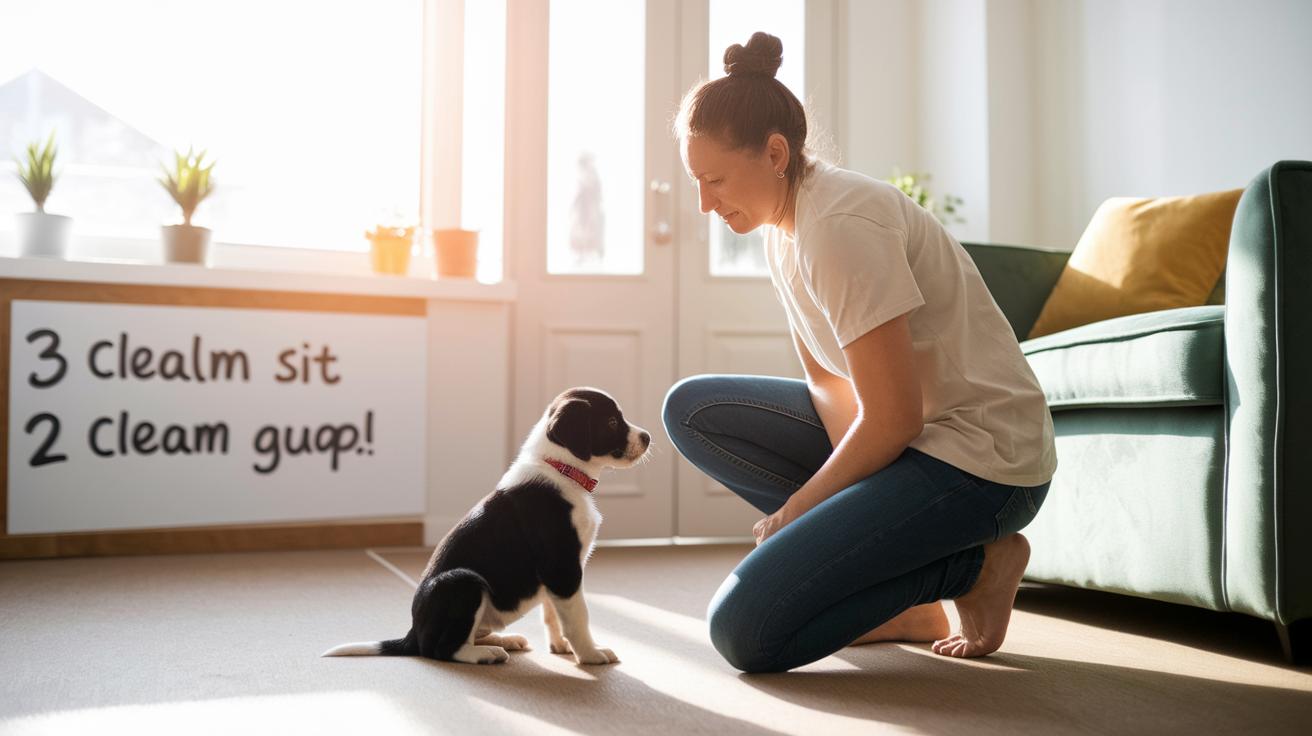
Expert videos can make training easier for both you and your puppy. Many programs have short clips that break down each step of socializing your pup. You can see exactly how to hold your puppy, introduce a new sound, or use proper body language. Watching a calm demonstration builds your confidence and helps your pup learn at home.
Here are a few visual tools that can boost your training:
- Online video modules that explain every step in a clear, simple way.
- Infographics that show key body language cues and outline what to do during each exercise.
- Live puppy classes with certified trainers where you can watch and ask questions in real time.
These tools give you a solid visual guide, so your puppy can slowly build positive feelings about new experiences.
Final Words
In the action, the blog post outlined a clear guide to socialization training for puppies. It covered the essential steps during the critical period of 3–14 weeks and set practical exposure goals. Short segments explained controlled encounters, reward-based techniques, and safe environments for your pup.
Each section offered hands-on tips, from video demos to stress management pointers. Keep working with your puppy through patient, steady practice, and enjoy watching their confidence grow.