

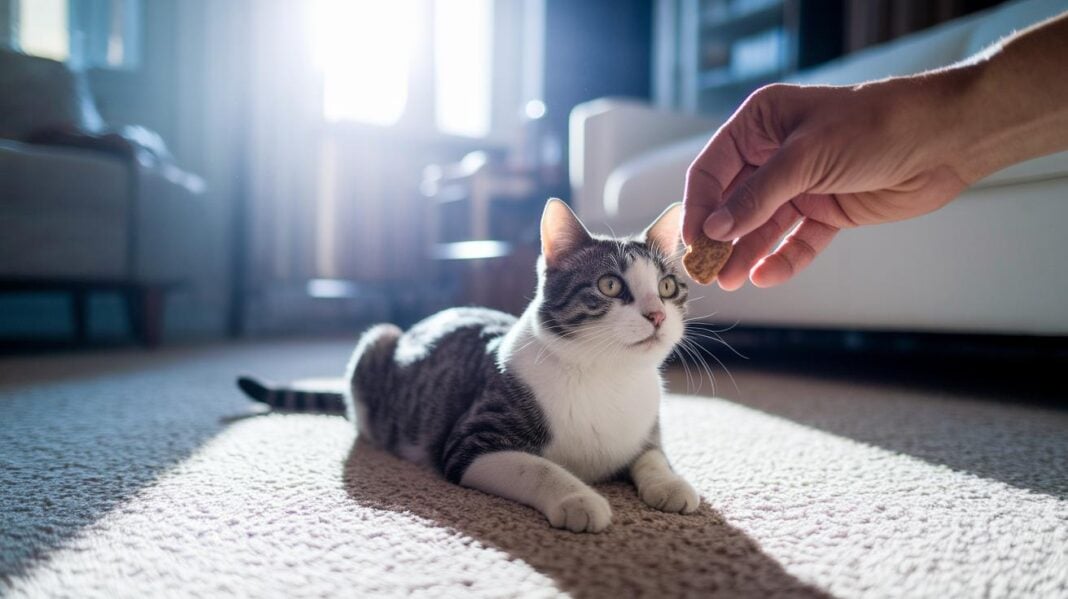

Can your indoor cat learn tricks? Yes, it can! With simple treats and clear signals, you can guide your kitty to learn new behaviors. Use quick treats along with a gentle clicker sound (a small tool that makes a sound when pressed) and your cat will soon connect the good behavior with a fun reward. This post shows how positive reinforcement makes training relaxed and enjoyable. Try these easy tips and watch your pet pick up great habits right at home, making life happier for both of you.
cat training techniques for indoor cats: Purr-Fect Results
When your cat does something you like, reward them immediately with a small treat or a bit of food. Give the reward within 1-2 seconds so your cat quickly connects the behavior to the treat. For example, if your cat sits down, say "Good job, kitty!" and hand over a treat right away.
Quiet clickers like the Clicino clicker ring can add extra help during training. Use the clicker sound along with a treat so your cat learns that the sound means a reward is coming. At first, you might need to click and treat every time until your cat understands the connection. Think of it as saying, "Click! (just like a gentle pop) and then treat time."
Other training tools, such as rechargeable laser pointers and feeder-robots, can make sessions even more fun and engaging. Using different cues keeps the training fresh and matches your cat’s unique pace. It is best to avoid punishments like water squirt bottles or yelling because these can make your cat scared and hinder their learning.
Good rewards include:
- Small kibble treats
- Portion-controlled meal rewards
- A clicker device
- A laser pointer
- An interactive toy
By rewarding good behavior every time, your cat learns quickly and happily. Positive reinforcement makes training a fun and rewarding experience for both you and your pet.
Litter Box and Scratching Post Conditioning Techniques
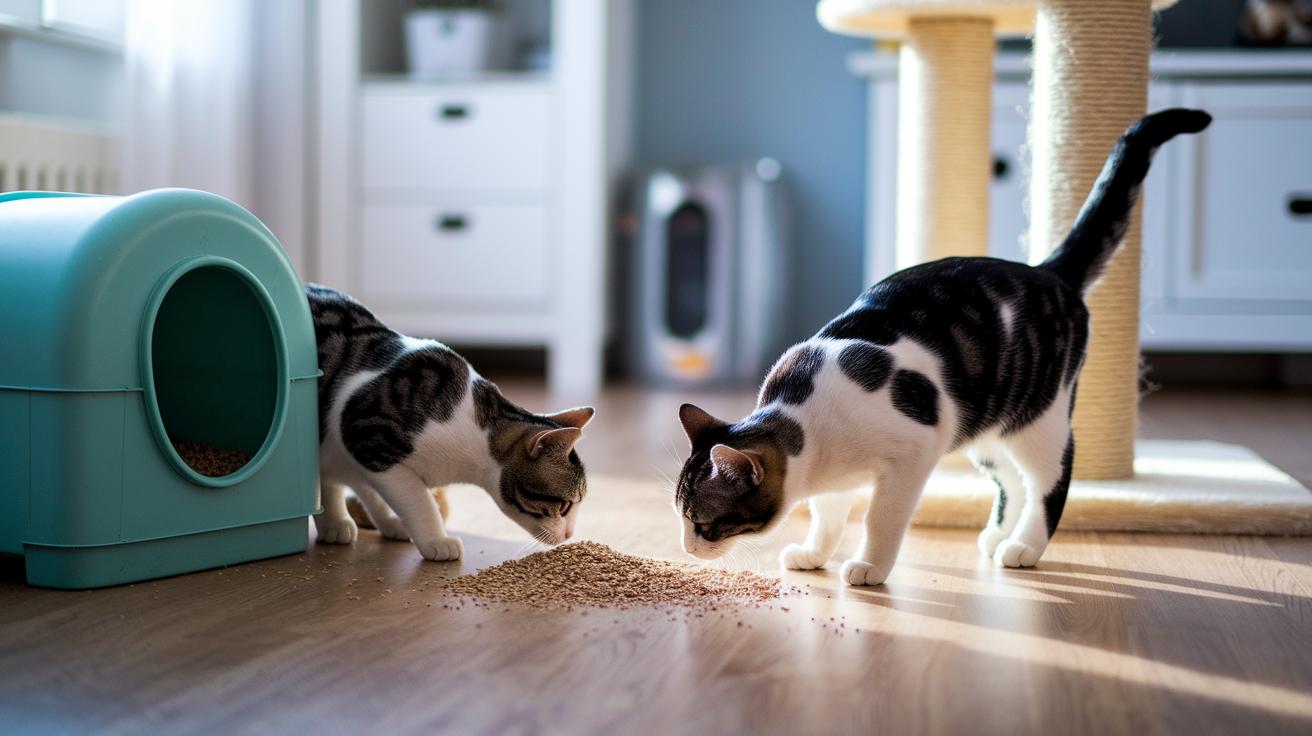
Begin with a few simple steps. Give each cat a litter box and add one extra. Scoop the boxes every day and keep them in calm, easy-to-find spots. This helps your cat feel safe and builds good bathroom habits quickly.
Cats love to dig, scratch, and cover their waste. A litter box lets them follow this natural instinct without forcing them to use a toilet. Changing this habit can make them stressed and confused.
Next, think about your cat’s scratching. They scratch to keep their claws sharp, stretch, and leave a scent. To protect your furniture, put a scratching post nearby. Look for posts with rough sisal covering or cardboard, especially close to the areas your cat likes to scratch.
Follow these steps to create a cozy, pet-friendly space:
- Give each cat a litter box plus one extra.
- Scoop the boxes every day and choose quiet spots.
- Place a proper scratching post near the furniture your cat targets.
- Use gentle redirection instead of punishment to guide your cat.
Clicker Training and Operant Conditioning for Home Cats
Start with a plan that uses a quiet clicker, like a Clicino ring, to mark your cat's actions. Each time you click, give a treat within 1 or 2 seconds. This helps your cat learn that the sound means a reward.
-
Capture
Watch your cat and wait for a natural behavior. When you see it, click and quickly give a treat. For example, if your cat looks at you, click, say "Nice look!" and then treat them. -
Lure
Once your cat gets the idea, use a treat to guide them into a specific action. Hold the treat in front of their nose and slowly move it where you want them to go. Click as they follow the treat. -
Shape
Build up the behavior step by step. When your cat almost does it perfectly, click and reward even a partial action. Over time, give treats less often as your cat learns the full behavior.
Below is a helpful supply list:
| Supply | Purpose |
|---|---|
| Quiet Clicker (Clicino ring) | Marks behavior with a clear sound |
| Treat Pouch | Holds treats for quick access |
| Video Recorder | Helps review training sessions |
| Clicker Training Guide | Gives step-by-step tips and techniques |
| Timer App | Keeps track of timing and intervals |
Interactive Play and Environmental Enrichment Strategies
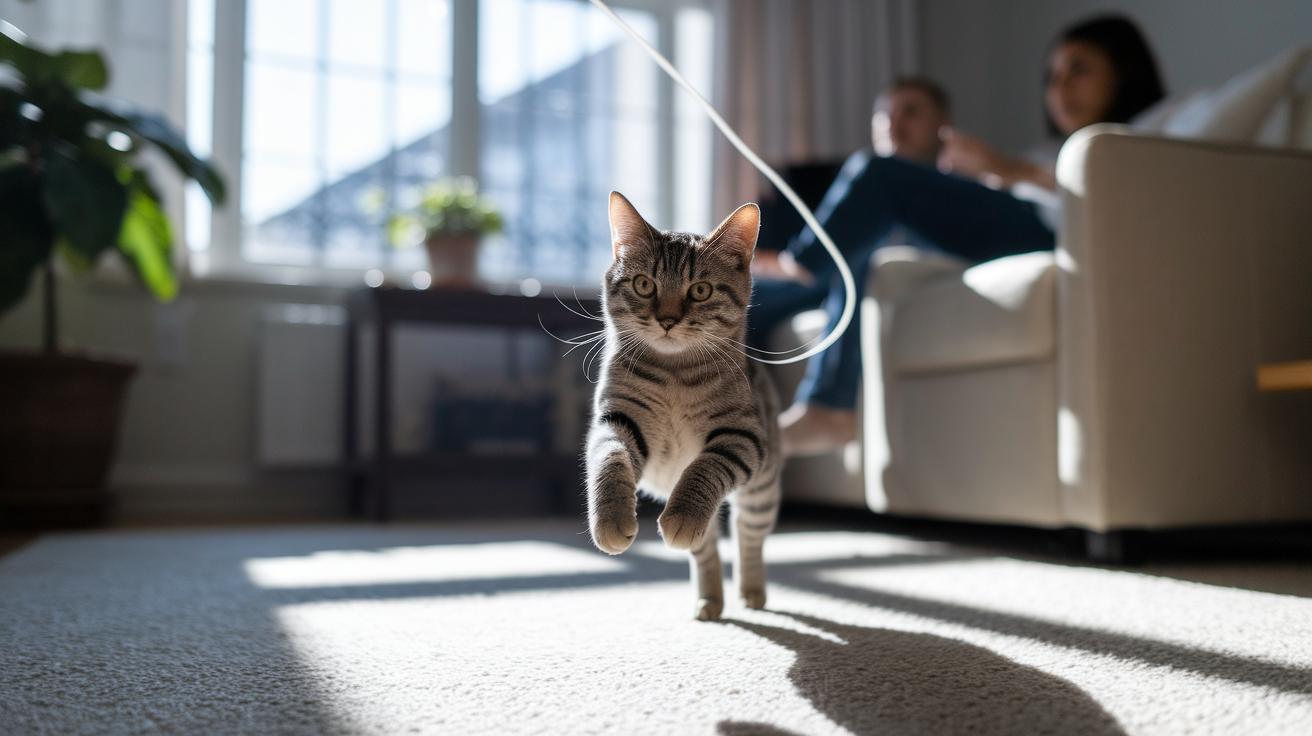
Indoor cats need active play to stay healthy and happy. Long periods of sitting around can lead to weight gain, muscle loss, and even sore joints. Try to set aside two short play sessions a day, about 10–15 minutes each, to let your cat act on its natural hunting instincts. Use fun toys like wand teasers or a laser pointer. Picture your cat leaping with joy as it chases the moving toy.
Adding variety to your home also boosts your cat's problem-solving skills. Puzzle feeders, feeder-robots, and clever gadgets like the Litter-Robot®4 can turn playtime into a fun challenge, a bit like hunting for treats. Changing up the toys and where they are kept every week keeps things fresh and exciting for your furry friend.
Besides burning off energy, these playful routines give your cat a mental workout that can ease stress and boredom. Try setting up different spots around your home with varied textures and obstacles. Think of it as a mini obstacle course that makes everyday spaces feel like exciting new playgrounds.
Here are some interactive enrichment tools you might try:
- Puzzle feeder bowl
- Wand teaser toy
- Rechargeable laser pointer
- Feeder-robot device
- Scented toy balls
- Track ball system
Mixing these tools into your cat’s routine encourages natural habits like stalking, chasing, and pouncing. This not only helps with physical fitness but also sharpens your cat's mind. A fun and regular play routine can prevent health issues and build a happier, more confident pet.
Routine Scheduling and Mealtime Structure Optimization
Start by feeding your cat at the same times every day. This helps your cat know what to expect and keeps overeating and begging in check. Instead of one big meal, split the food into smaller portions. For instance, if your cat eats 200 grams each day, serve 50 grams at four set times. This steady routine keeps your cat full of energy and works well when you use small meals as rewards during training.
Build a daily routine that includes time for waking, playing, eating, and resting. A clear schedule can ease your cat's anxiety and make training sessions more effective. Imagine your cat knowing exactly when it’s time to play with a favorite toy or curl up for a nap.
Try this easy routine:
- Pick fixed times for meals and stick to them.
- Enjoy a short play session right after meals to get your cat moving.
- Follow playtime with some quiet moments for rest and digestion.
- Adjust the length of each session slowly, depending on how interested your cat remains.
When you create a stable routine, your cat feels safe and understands what comes next. Watch how your cat responds and be ready to tweak the schedule. You might add a mid-afternoon snack or extend the evening playtime to match your cat’s energy.
Behavior Assessment and Customizing Training Plans
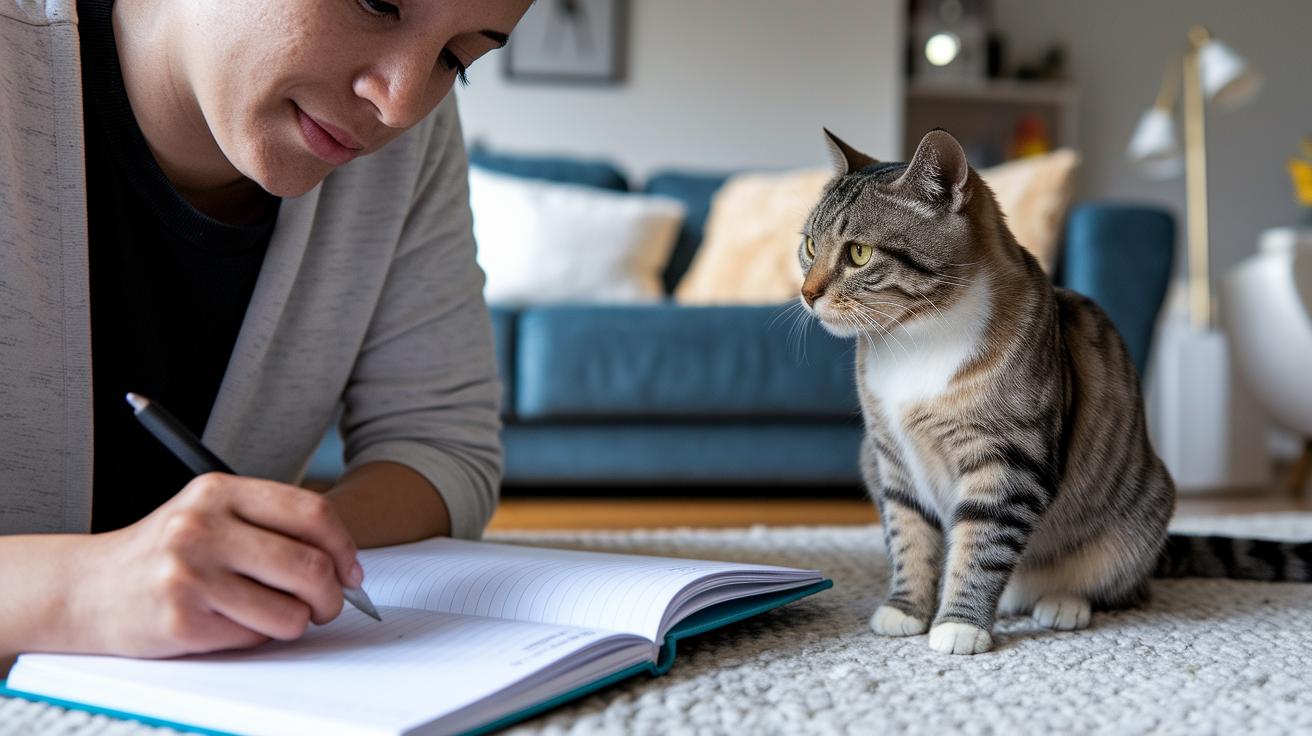
Keep a simple log or spreadsheet to record your cat's actions. Write down the time, what happened, and any events that might have set off the behavior. If your cat follows a command like sitting or chasing a target stick, note it down. Recording a video of your training sessions can capture small signals like ear twitches or tail swishes that show your cat is ready to learn.
Set small, clear goals that match your cat's pace. For example, aim for five sits on cue or three successful steps on a leash. These achievable targets help you track progress. Use your log to decide if you need to make tasks easier or a bit tougher. When your cat masters one behavior, slowly introduce the next step to keep the training fun.
Take time to review your notes and videos regularly. This lets you see trends and learn from each session. Focus more on areas that need improvement and celebrate the little wins. Adjusting your approach makes training both fun and effective, and every record you keep helps you better understand your cat's unique learning style.
Handling Common Indoor Cat Issues: Elimination and Aggression
First, make sure your cat isn’t having health problems that affect litter box use. If your cat avoids the box, schedule a vet checkup since medical issues can look like behavior problems.
If your cat has an accident, clean the spot with an enzymatic cleaner. This type of cleaner breaks down smells that might attract your cat back to the area. Once cleaned, gently guide your cat back to the litter box, and offer extra praise when it uses the box correctly.
Keep an eye out for signs that your cat needs a break. A flicking tail or ears held low can show that your cat is overstimulated. If you see these signs, pause your play and let your cat rest. You might switch to calm petting to help settle things down.
For scratching or biting, try redirecting your cat to interactive toys or safe chewing objects. This gentle method helps meet natural urges without harming your furniture. A consistent, stress-free routine and clear boundaries go a long way in improving behavior.
Working with your vet and using kind redirection can help your indoor cat overcome these issues. Stick to a steady routine that reassures your pet, making home life calmer and more enjoyable.
Advanced Skills: Agility, Vertical Space Navigation, and Trick Training
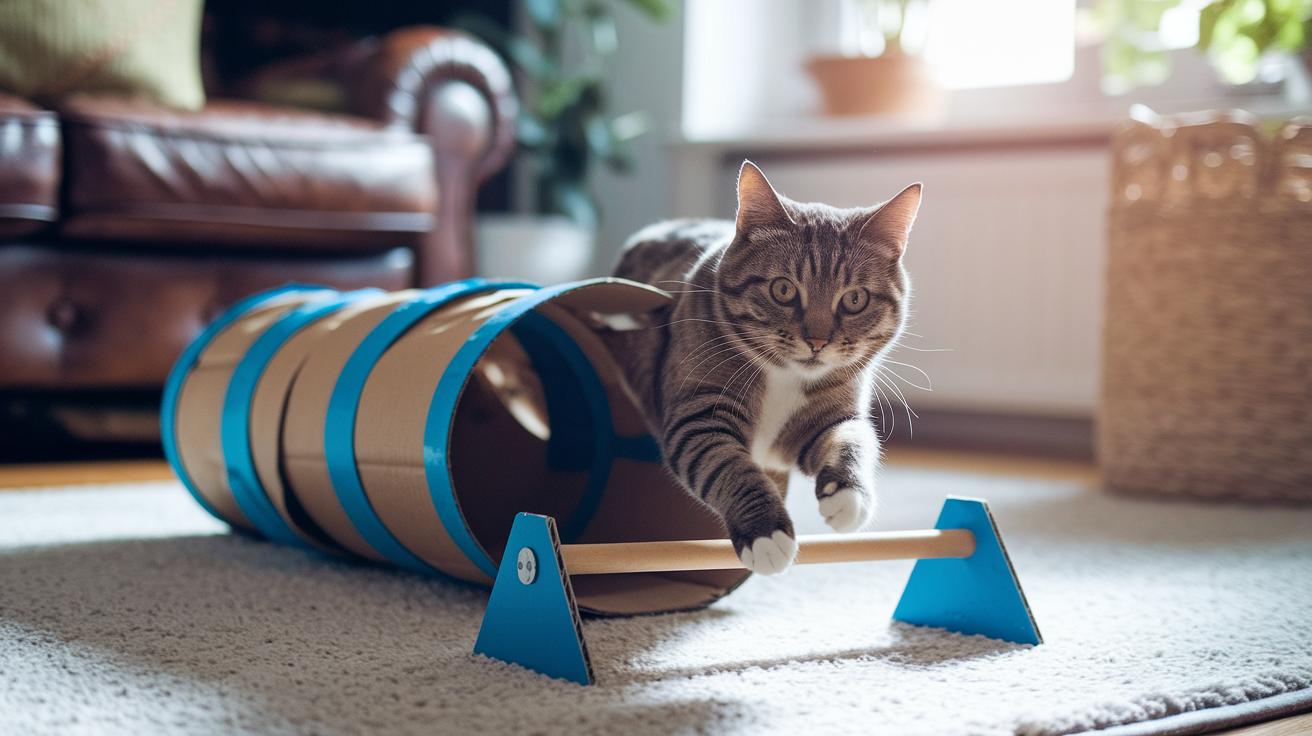
Set up a fun obstacle course right in your living room. Use items like cardboard tunnels, small hurdles, and boxes to create a mini agility drill that tests your cat's problem-solving skills. Start with one or two obstacles and add more as your cat builds confidence. For instance, guide your cat through a tunnel and over a tiny hurdle, then reward it with a quick treat.
Teach your cat to use vertical space with a cat tree or wall shelves. Let your cat explore the area first, then encourage a gentle climb. Celebrate when your cat perches on a certain spot. Try using a piece of floor tape as a marker to show where to stop. Work in small steps of 3 to 5 seconds so your cat can learn the complete routine gradually.
Practice simple tricks like sit, high-five, and target following. You can use a clicker sound as a cue, a gentle tap on the paw, or a target stick to guide your cat. For example, when teaching a high-five, tap your cat’s paw softly and reward it immediately. Mix these activities to create a multi-sensory game that keeps your cat engaged, active, and excited for the next challenge.
Collaborating With Vets and Enhancing Cat Wellbeing
Bring your cat to the vet on a regular basis. Regular checkups can uncover hidden pain or illness before they change how your cat behaves. When your cat feels good, it is more ready to learn and play.
Set up a quiet, safe space in your home. Try adding a small box or a cozy corner where your cat can relax. An elevated perch or a quiet room can become your cat’s special hideaway when things get busy.
Consider using tools to help calm your cat. Feline pheromone diffusers (devices that spread cat-friendly scents) and calming collars can ease transitions during changes at home. Offer scratching mats and toys with gentle scents so your cat can comfort itself.
The simple steps below can create a calm home environment:
- Keep up with regular vet appointments.
- Offer a few hiding spots and elevated perches.
- Use calming products like pheromone diffusers.
- Provide self-soothing items such as scratching mats.
These actions work together to keep your cat happy, relaxed, and ready for fun training sessions.
Final Words
In the action, this post broke down ways to use positive reinforcement for indoor cats. It covered treat incentives, gentle clicker training, and fun interactive play sessions. It also provided tips for litter box and scratching post setup, plus advice to adjust routines for better behavior management.
Using cat training techniques for indoor cats can make everyday moments enjoyable and stress-free. Keep experimenting with these methods and watch your pet flourish.
FAQ
Frequently Asked Questions
What are some free, DIY, or recommended indoor cat training techniques?
The free, DIY techniques for training indoor cats include positive reinforcement using small meal portions, clicker training, and rewarding quick behaviors with treats, which build strong habits and confidence.
What are some DIY enrichment ideas to keep my indoor cat entertained and engaged without relying on traditional toys?
The DIY enrichment ideas for indoor cats involve creating puzzle feeders, using a laser pointer, setting up simple obstacle courses, and rotating homemade toys to spark curiosity and mental stimulation.
What is the 3-3-3 rule for cats and does it really apply?
The 3-3-3 rule suggests short, frequent sessions for play, training, and rest but isn’t a scientifically proven guideline. It serves as a community idea to help structure a balanced day for your cat.
How can I discipline my indoor cat without causing stress or fear?
The approach to disciplining indoor cats centers on positive redirection by rewarding good behavior and gently guiding away unwanted actions, rather than using punishment methods that may harm trust.
What is often referred to as the silent killer of indoor cats?
The silent killer of indoor cats is commonly linked to obesity and inactivity, which gradually lead to serious health issues like heart problems and diabetes if not addressed through proper diet and regular exercise.