



Think allergies mean you have to give up having a pet? Many pet owners have discovered that certain dogs can help keep sneezes at bay. Hypoallergenic breeds shed less hair and hold dander (tiny flakes of skin that cause allergies) close to their coats. In this article we explore popular choices, from small poodles to friendly Bichons, that let you enjoy a dog without constant sniffles. Learn how these breeds can make pet ownership more enjoyable.
Key Hypoallergenic Dog Breeds for Allergy Sufferers

Hypoallergenic dog breeds may be a better choice for people with allergies. These dogs tend to shed less or have coats that hold onto dander (tiny skin flakes), which helps lower the chances of an allergic reaction. However, no dog is completely free of allergens since all dogs produce proteins in their dander, saliva, and urine that can cause reactions.
The proteins in a dog’s skin flakes, saliva, and urine can float in the air and stick to surfaces around your home. Even a little bit can sometimes trigger symptoms in allergy-prone individuals. That's why the word hypoallergenic means there is a lower risk of reaction, not that the dog is entirely safe for people with allergies. Always spend some time with a dog before you decide to bring them home to see how your body reacts.
Some popular breeds for allergy sufferers include the Bichon Frise (small and sheds very little), Maltese (small with low shedding), Miniature Schnauzer (medium size with minimal shedding), Shih Tzu (small, with moderate shedding), Toy Poodle (toy-sized with a curly coat), Standard Poodle (large with a curly coat), and Havanese (small with low shedding). Many people also consider different sizes of poodles, which offer more options. These breeds give you a range of sizes and grooming needs while keeping the potential for allergic reactions to a minimum.
Understanding Hypoallergenic Dog Traits and Allergy Triggers
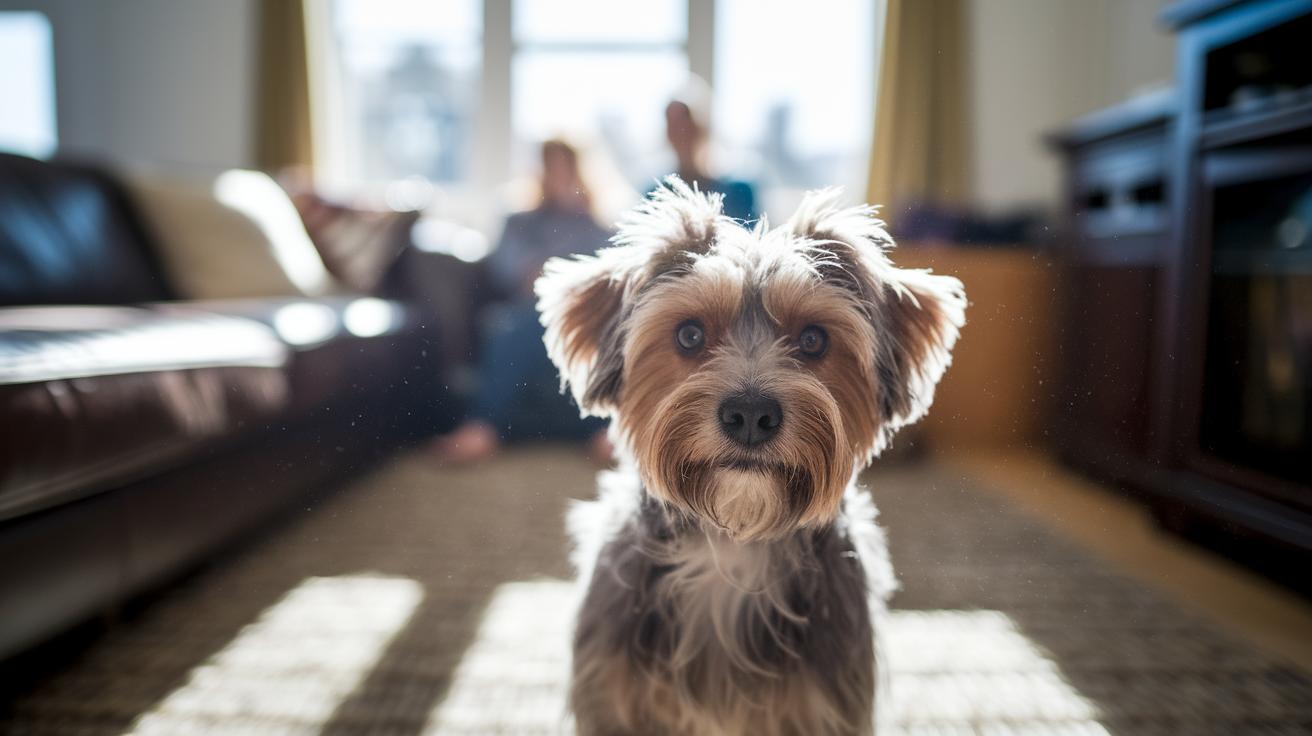
Dogs release proteins through their saliva, urine, and dander (tiny skin flakes). These proteins can trigger allergies in some people by sticking to furniture, floors, and even floating in the air. For example, drool left on a toy may hide allergens you might not notice.
A dog's coat plays a big role in how much allergen spreads. Breeds with wavy or curly hair tend to trap skin flakes close to their body, which means fewer allergens floating around your home. Think of it like a coffee filter that keeps grounds from spilling out. The right coat can help contain dander and reduce its spread.
Remember, no breed is completely free of allergens. It’s a good idea to meet a dog at a friend’s home or a similar setting before making a decision. Regular grooming, vacuuming, and air filters can also help keep allergen levels lower for a more comfortable home environment.
Size Categories and Non-Shedding Characteristics of Hypoallergenic Dog Breeds
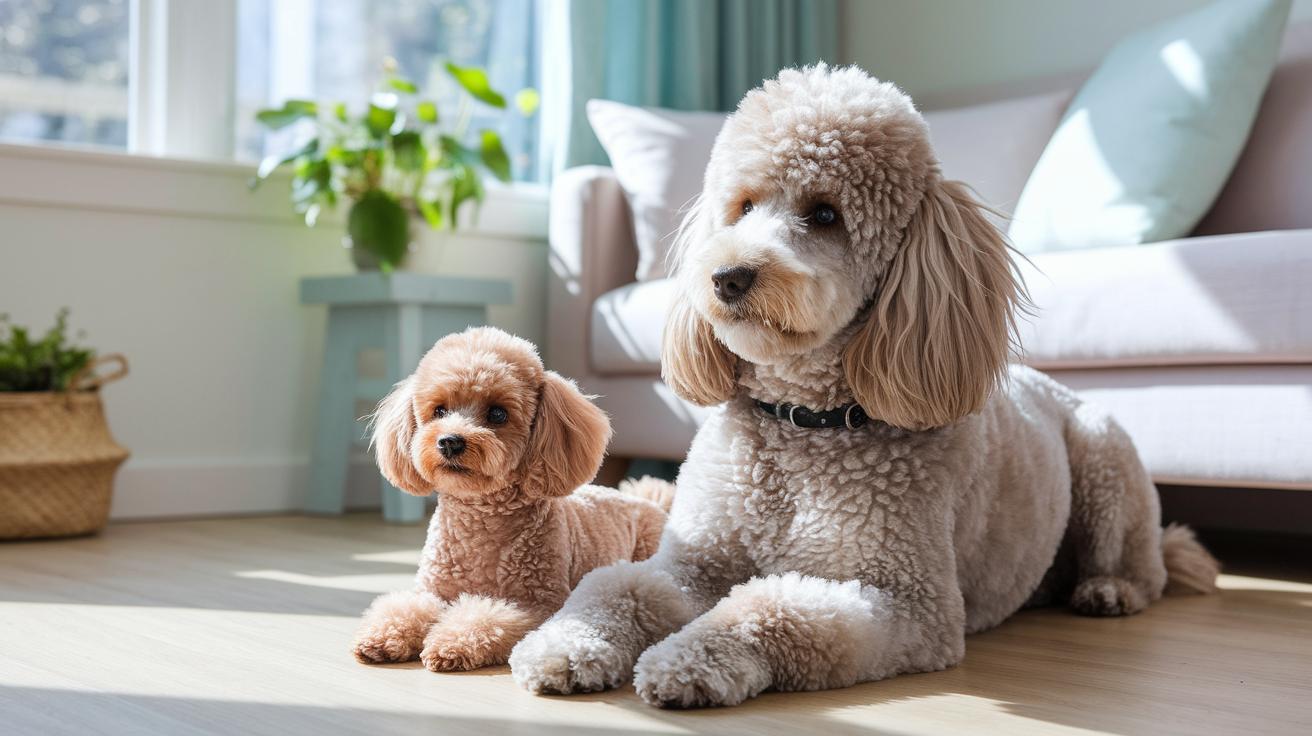
Hypoallergenic dogs come in different sizes so you can find one that fits your life. Whether you want a tiny friend like the Toy Poodle or a larger pal like the Standard Poodle or Airedale Terrier, each breed has its unique charm. They are popular because they shed very little, which can help keep allergens down for those with sensitivities.
| Breed | Size Category | Avg. Adult Weight (lbs) | Shedding Level |
|---|---|---|---|
| Toy Poodle | Toy | 6–9 | Minimal |
| Bichon Frise | Small | 12–18 | Low |
| Miniature Schnauzer | Medium | 11–20 | Minimal |
| Portuguese Water Dog | Medium | 35–60 | Low |
| Standard Poodle | Large | 40–70 | Minimal |
| Airedale Terrier | Large | 50–65 | Low |
This guide helps you match a dog’s size and shedding traits to your home and routine. Whether you need a small, low-shedding companion or a larger dog with fewer allergens, there’s a hypoallergenic friend out there to make life better for both you and your pet.
Grooming Practices for Hypoallergenic Dog Breeds

Regular grooming is important to help you and your dog enjoy a cleaner, healthier home. When you groom, you remove extra hair and dander (tiny skin flakes that carry allergens) that can cause reactions. This routine helps keep loose allergens off your furniture and in the air.
Try a simple weekly session with a slicker brush to gather stray hair and control allergens. Brush your dog at least once a week. Bathing every 3 to 6 weeks with a hypoallergenic shampoo cleans the coat thoroughly, and using low-dust grooming wipes between baths cuts down on allergens even more. Quick tip: wearing a mask and gloves while grooming protects you from the irritants.
Stick to a regular grooming routine and keep your home tidy. Regular brushing and bathing not only help manage allergens but also keep your dog’s skin and coat in great shape.
hypoallergenic dog breeds shine for happy pet lovers

Some commercial and vet-prescribed pet foods help lower allergens by reducing exposure to proteins that can cause reactions. Many of these diets use broken-down protein (hydrolyzed protein) or have limited ingredients to ease allergy symptoms. For example, formulas like Royal Canin Allergy and Hill’s Prescription Diet are designed to support a soft, healthy coat. One pet owner said, "Switching to a prescription diet made a noticeable difference in my dog's coat softness." These food options work to reduce skin irritants and help build a stronger skin barrier.
Essential fatty acids are also important for keeping a dog's skin and coat in good shape. Omega-3 fatty acids, often found in fish oil, support a firm skin barrier and add a natural shine to your pet's fur. Adding a supplement or choosing pet food enriched with these nutrients can further help manage allergens. If you prefer homemade meals, it’s important to work with your vet to make sure the diet is balanced and complete. Your vet can help you adjust the recipe so that it meets your dog’s unique needs while keeping allergens low.
Choosing and Adopting the Right Hypoallergenic Dog for Your Home

Meet the dog face-to-face before you decide. Spending time with a potential pet lets you see if you're bothered by its dander (tiny flakes of skin that can trigger allergies) and if its personality fits with your home. If this is your first time dealing with allergies, try meeting the dog in a place you know well, you’ll quickly see if it works for your life and your allergy needs.
When choosing between breeders and rescues, ask lots of questions. Good breeders often test their dogs to check for coat allergens. Rescues might even share a history that shows the dog is allergy-friendly. Visiting both can help you learn important details about the dog's background and behavior.
Keep these five points in mind when choosing your hypoallergenic friend:
- Check the dog’s energy level to match your daily routine.
- Find out how often you need to groom the dog, like brushing or bathing.
- Think about the size of the dog; smaller breeds like the Maltese or Bichon Frise might be easier for first-time pet owners.
- Consider how the dog will get along with your family.
- Always run an allergy test before making your final decision.
Next, set up meet-ups with the dog, talk with your vet about any allergy concerns, and plan a grooming routine that fits your lifestyle. These steps will help you welcome a furry friend who is not only gentle on your allergies but also brings lots of joy to your home.
Final Words
In the action, we explored what makes some dogs less likely to cause allergies, explaining how dander, saliva, and urine proteins work. We touched on popular selections like Poodle and Bichon Frise, shared grooming tips, and offered nutritional advice that supports healthy coats. The piece also outlined how to safely choose and adopt an allergy-friendly companion. With all this clear guidance, you can confidently explore hypoallergenic dog breeds and take positive steps toward a safe, happy environment for your pet.