



Terriers are full of energy and spunk. They were bred to protect farms and chase pests, which gives them a brave, independent spirit. Today, they are loving companions who still need plenty of fun and simple brain games to stay happy.
In this post, we share a bit about their colorful past and offer easy care tips to support their active lifestyle. Discover what makes these little hunters so unique and learn how to keep your terrier full of life and health.
Terrier Breed Overview: History, Traits & Care
These dogs were bred to protect farms and homes by hunting small pests. Smaller terriers went underground to chase rodents, while larger ones dug to find hidden prey. Their working past gives them a lively, independent spirit that many pet owners love today.
Every March 27, National Terrier Day is celebrated with extra play, outdoor adventures, and lots of cuddles. This day reminds us that caring for your terrier means more than just exercise. It also means feeding their natural curiosity and supporting their instinct to track. One terrier owner said, "I spend an extra half hour in the park on March 27 because my terrier loves that extra burst of play."
Terriers are known for their high energy and strong need for mental challenge. They benefit from daily routines that work both body and mind. Short walks, fun games, or puzzle toys can keep them busy and happy. A simple, reward-based training plan helps build their confidence and turns their natural hunting drive into fun activities.
Historically, terriers were agile and hardworking, not just lap dogs. Modern owners appreciate their loyalty and playful attitude. Their sharp minds and independent streak may sometimes seem stubborn, but they really just need more brain challenges to stay content.
To care for a terrier, make sure to provide a balanced diet, regular vet visits, and plenty of social time. If your terrier becomes restless or starts digging, try new games that mimic their old hunting tasks. With the right mix of mental and physical stimulation, terriers continue to be lively and loving companions.
Popular Terrier Breed Profiles

Below is a simple guide that helps you quickly compare some popular terrier breeds. This guide shows key traits and basic care tips for each type, making it easier for busy pet parents to choose the right companion.
| Breed | Key Traits | Basic Care Notes |
|---|---|---|
| Jack Russell Terrier | Small, very active, loves quick challenges | Daily play, fun games, and clear training |
| Boston Terrier | Medium, friendly, and a true family friend | Regular walks, routine vet visits, and plenty of hugs |
| Scottish Terrier | Bold, independent, and full of spirit | Steady guidelines and plenty of mental stimulation |
| Airedale Terrier | Large, athletic, with a dense wiry coat | Regular exercise, coat care, and a check for hip issues |
| Bull Terrier | Muscular body with a unique egg-shaped head | Lots of social time, play, and supervision |
| Yorkshire Terrier | Toy breed (around 7 lbs), lively and compact | Great for small homes with daily grooming and light exercise |
| Staffordshire Bull Terrier | Strong yet loving, with champion qualities | Early social time, regular walks, and playful sessions |
| West Highland White Terrier | About 10–11″ tall, originally a rodent hunter, a bit stubborn | Clear training, fun mental tasks, and regular outdoor play |
| Cairn Terrier | Adaptable with a weather-resistant shaggy coat | Routine coat care and a mix of indoor and outdoor play |
| Border Terrier | Lively, sturdy, and great in dog sports | Engaging physical activities and structured play sessions |
Jack Russell Terriers burst with agile energy and need fun, daily challenges to keep their clever minds busy. Boston Terriers are naturally friendly and make a perfect fit for families, thriving on daily walks and lots of affection. Scottish Terriers, with their feisty independence, do best when given clear and consistent commands that channel their spirited nature.
Large and athletic, Airedale Terriers need plenty of exercise and regular coat care, along with a watchful eye for joint issues like hip dysplasia. Bull Terriers thrive on social interaction and balance their strong, muscular build with ample play and supervision. Even though Yorkshire Terriers are small, they pack a lively attitude and enjoy daily play sessions and careful grooming.
Staffordshire Bull Terriers benefit from early socialization and interactive play, which helps build their gentle and loving nature. West Highland White Terriers, known for their stubborn streak, appreciate clear tasks paired with plenty of time outdoors. Finally, both Cairn and Border Terriers shine when given balanced exercise routines and interactive play that suits their energetic and adaptable personalities.
Physical Features & Size in Terrier Breeds
Terrier breeds come in many shapes and sizes. The Bull Terrier has a round, egg-shaped head that makes it stand out, while the Scottish Terrier shows off a square, steady muzzle. These different looks tell a story of their past and their role in hunting pests.
Terriers also have different types of coats. Some, like the Airedale and Cairn, have rough, wiry fur that needs hand-stripping to keep it neat. Others, like the West Highland White Terrier and Soft Coated Wheaten Terrier, sport shaggy coats that need regular brushing to avoid tangles. And then there are breeds like the Boston Terrier, whose smooth fur means less time spent on grooming, great for busy pet parents.
Size is another key detail. The West Highland White Terrier usually stands between 10 and 11 inches tall, while the Miniature Schnauzer can reach up to 14 inches. Yorkshire Terriers, with their small frames, typically weigh around 7 pounds, proving that being small doesn’t mean lacking personality.
This mix of head shapes, coats, and sizes helps terriers fit into many different lifestyles while proudly showing off their unique history and character.
Terrier Breed Temperament & Behavior
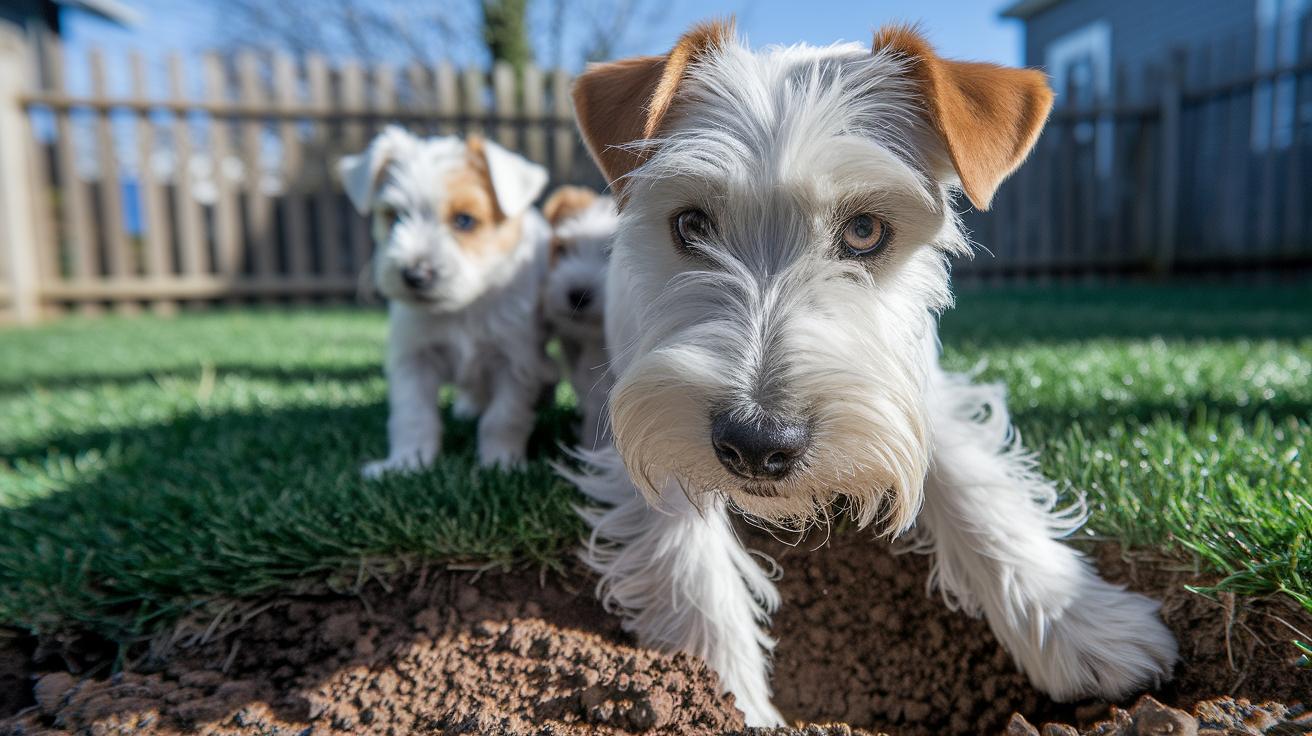
Terriers are energetic dogs with bold, lively personalities. They stay alert and often show a strong chase drive, which you might see as digging or chasing small critters. Although these actions can seem stubborn, they really show off your pet’s smart and independent spirit. With kind, treat-based training, you can help guide these natural behaviors.
It’s important to start socializing your terrier early. Letting your puppy meet different people, animals, and explore new places between 7 and 16 weeks can help ease fear and cut down on noisy barking. Try setting aside time for a short play session each day. This builds trust and teaches your terrier to feel comfortable in new situations.
Keeping your terrier’s mind busy is a game changer. Simple mental activities like puzzle toys, scent games, or quick agility drills take their high energy and turn it into productive play. For example, hide a treat under one cup and let your terrier sniff it out. This fun game not only curbs boredom but also sharpens their problem-solving skills.
Here are a few practical tips for channeling your terrier’s behavior:
- Reward small wins with treats and praise.
- Do brief daily training sessions that mix physical play with mental challenges.
- Keep a regular routine to help manage their strong-willed nature.
Some terriers, like Boston Terriers, may love cuddling up with people, while others such as Scottish Terriers might seem more independent. Still, every terrier benefits from a mix of fun mental challenges and plenty of social interaction.
Health & Lifespan of Terrier Breeds
Terriers usually live between 12 and 15 years. They are full of energy and spirit, but sometimes their busy nature can mask early health issues. That is why regular vet visits are so important, they help catch problems before they get serious.
Some terrier breeds have specific concerns. For example, Airedales might develop hip dysplasia (a condition where the hip joint doesn’t form properly). Cairn Terriers can experience patellar luxation (when the kneecap shifts out of place) or eye problems. Many of these breeds also deal with skin allergies that need careful attention.
Regular health checks can spot these concerns early. Your vet might suggest:
- Hip and elbow checks
- Kneecap stability tests
- Eye exams
Preventative care makes a big difference. Keep up with vaccinations, schedule dental cleanings, and watch for any changes in your terrier’s behavior or appearance. Keeping a detailed health record and following your vet’s advice can help manage any genetic issues and keep your furry friend feeling great.
Reviewed by Dr. Rebecca Miller, DVM, October 27, 2023.
Grooming & Exercise Requirements for Terrier Breeds
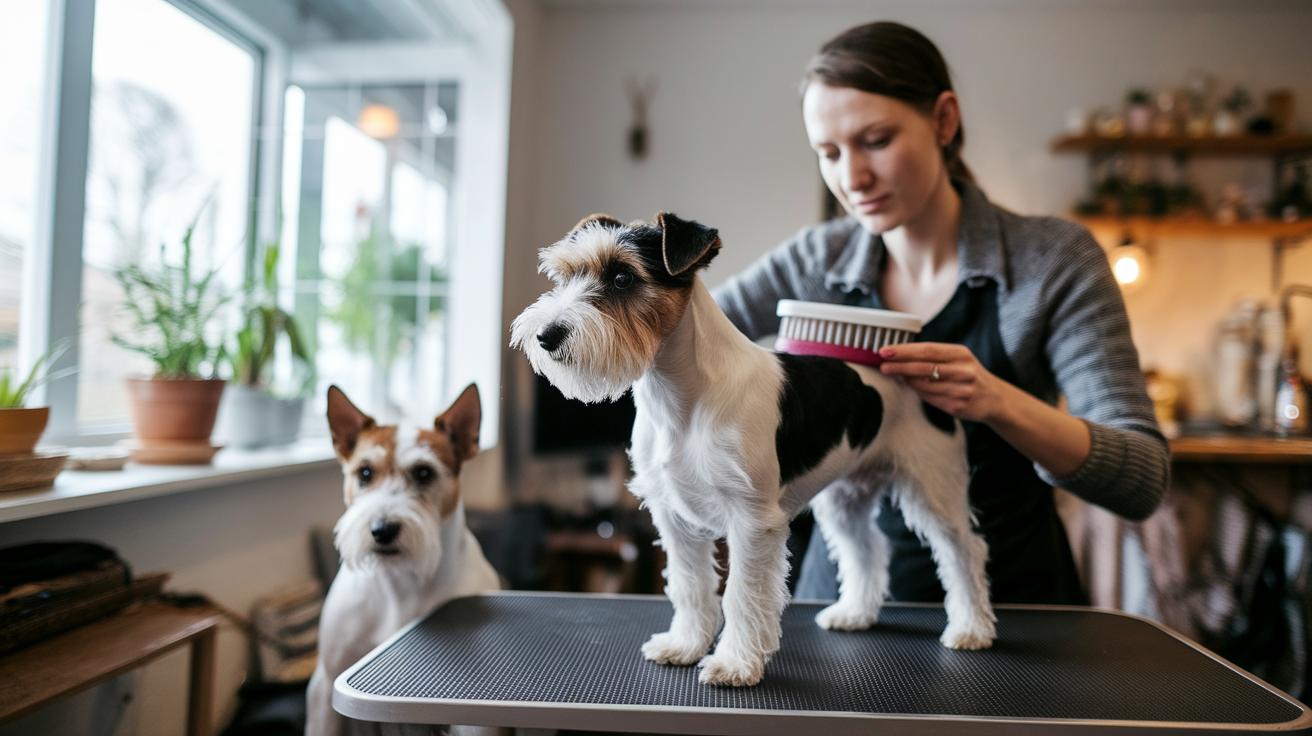
Terriers have different coats that need special care. For example, Airedales and Cairns need hand-stripping (a way to remove old hair by hand) to keep their fur wiry. Terriers with smooth or soft coats do best with a weekly brush to stop tangles. Wheaten terriers enjoy a gentle trim to keep their look fresh. Skipping grooming can lead to mats and skin irritations.
Here are some quick grooming tips:
- Hand-strip wiry coats.
- Brush smooth coats.
- Bathe only when needed.
- Trim nails.
- Clean ears.
Regular grooming keeps your terrier comfortable and gives you a great chance to bond with your pet.
Terriers are full of energy and need 30 to 60 minutes of active exercise every day. This daily play helps channel their energy and stops them from digging or getting into trouble. Short walks, fetch games, and even agility challenges keep them both fit and sharp.
Try these exercise ideas:
- Take brisk walks.
- Go jogging.
- Play fetch.
- Set up an agility course.
- Use interactive puzzle toys.
Sticking to a routine of regular grooming and exercise not only keeps your terrier looking great but also helps prevent health issues and calms their spirited energy.
Training Tips & Socialization for Terrier Breeds
Terriers have loads of energy. To keep your terrier happy and well-behaved, try these new tricks along with positive reinforcement and clear commands.
Create a special digging spot in your yard. Set up a small sandbox where your terrier can dig to its heart's content. This turns unwanted digging into a fun, safe game.
Play scent games to use your terrier’s natural skills. Hide a favorite treat in one spot and let your pet sniff it out. It’s a great way to give a tasty reward and a good brain workout.
Start socializing early. Between 7 and 16 weeks, slowly introduce your terrier to new people, dogs, sounds, and places. This helps your pet grow more confident while enjoying new experiences.
Quick tips:
- Use a designated digging area.
- Try scent-based games.
- Keep training sessions short and positive.
These exercises build on proven methods and make training a fun way to use your terrier’s natural energy.
Choosing the Right Terrier Breed for Your Lifestyle

First, think about your home. If you live in an apartment or a small house, small breeds like Yorkshire Terriers or West Highland White Terriers work well. They are small and don’t need a lot of exercise, so indoor life suits them. But if you have a big yard, larger terriers like Airedales or Bull Terriers might be a better match since they need plenty of room to run and play. Ask yourself, "Do I have enough space for my pet to enjoy playtime?"
Next, consider your budget. A terrier’s size and coat type can affect grooming costs. For example, a wiry coat may need regular hand-stripping, while a smooth coat is easier to groom. Also, keep in mind that some breeds may cost more for vet care because they are prone to issues such as hip dysplasia or skin allergies. Planning your expenses now can help you avoid surprises later.
Think about your neighborhood and lifestyle too. Some terriers handle busy city life well, like Cairn Terriers, while others, such as Jack Russell Terriers, do best when they have room to chase and play in a quieter, suburban or countryside setting. Look at your daily routine and neighborhood to see if you can meet your future pet’s need for exercise and exploration.
Finally, consider how a terrier will fit in with your family. Some terriers are very patient with kids and other pets. Others may have a strong prey drive, meaning they might need extra supervision during playtime with small animals. Ask yourself, "Can my household keep up with a terrier’s energy and natural instincts?" Taking the time to answer these questions helps you choose a terrier that will be happy and healthy in your home.
Terrier Breed Mixes: Hybrid Companions
Terrier mix breeds bring together the best traits of various lines to create a unique pet. Take a Chihuahua and terrier mix, for example. These little dogs have lots of energy and sometimes need extra help with housetraining because of their feisty Chihuahua side.
Some hybrids, like the Rat Terrier and Poodle mix (often called a "Roodle") or a Jack Russell and Poodle mix (sometimes known as a "Jack-a-poo"), pair the smart, playful nature of terriers with the low-shedding coats of poodles. This blend makes them a great pick for busy pet parents looking for a clever and easy-to-care-for friend.
Yorkshire Terrier mixes, which usually weigh around 7 pounds (about 3 kg), do well in small homes while still showing big personalities. Pitbull-terrier mixes, often combined with traits from American Staffordshire Terriers or American Bullies, mix strength and affection. These mixes sometimes include bloodlines from breeds like the Boston or Wheaten Terrier, balancing a muscular build with a gentler nature.
One touching rescue story tells of Mabel, a Jack Russell mix found as a stray in New Jersey. Her journey shows how adopting one of these hybrids can fill your home with unexpected joy and plenty of love.
In the end, these terrier mixes show that combining different traits can create a wonderful, lively pet that fits many different lifestyles.
Final Words
In the action, we explored terrier breed origins, key physical traits, and care essentials. We broke down temperament, grooming, and exercise, while sharing practical steps for training and socialization.
The guide also helped you match a breed terrier with lifestyles and budgets, highlighting mixes and adoption tips. Enjoy this helpful insight and keep your furry friend happy and safe.
FAQ
Frequently Asked Questions about Terrier Breeds
What are all the terrier breeds?
The terrier breeds include a variety of types, such as Border Terrier, Airedale Terrier, Jack Russell Terrier, Bull Terrier, Irish Terrier, and Cairn Terrier, each with distinct traits from guarding homes to hunting small vermin.
What are some popular small and medium terrier breeds?
The popular terrier breeds range from small types like Jack Russell and Cairn Terriers to medium breeds such as Airedale Terriers. Terrier mixes like the Hound Terrier also offer unique traits and energy levels.
What is the calmest breed of terrier?
The calmest breed of terrier is often seen in Border Terriers, known for their gentle and even temperament when provided with proper training and socialization from a young age.
Do terriers make good house pets?
Terriers make good house pets when they receive daily exercise, positive training, and early socialization. Their lively energy and independent spirit need proper channeling for a happy, balanced home life.
What is the most aggressive terrier breed?
The most aggressive terrier breed isn’t clearly defined as aggression usually stems from lack of training. With early socialization and consistent positive reinforcement, terriers typically become friendly, well-adjusted companions.
What should I know about terrier mix breeds?
Terrier mix breeds inherit traits from both parents, resulting in a blend of energy, size, and temperament. Their behavior and care needs depend on the combination of breeds involved and early, proper socialization.