



Ever wonder if a tiny dog can have a huge personality? Boston Terriers show that a small dog can be smart, loyal, and full of love.
These dogs started in Boston in the 1800s from a mix of bulldogs (strong, heavy dogs) and terriers (small, feisty dogs). They used to be fighters, but over time they became gentle and caring companions.
With their neat coats that look like fancy suits and a friendly nature, Boston Terriers win the hearts of many pet parents. Whether you live in a busy city or a quiet town, this charming breed brings both style and substance.
Boston Terrier Breed: Smart, Loyal and Loving
Boston Terriers began their story in 19th-century Boston at the historic Joseph Burnett House in Southborough, MA. They were originally bred from bulldogs and white English terriers. Over time, these dogs transformed from tough fighters into gentle, loving companions.
Often called the "American Gentleman" because of their smart, tuxedo-like coat in black and white (with a few brindle patterns here and there), Boston Terriers impress with both their neat looks and friendly nature. Families and city pet owners appreciate their lively personality and polished style.
- Size: Compact, weighing between 10 and 25 lbs with a shoulder height of about 16 inches
- Coat: Mainly black and white; some show brindle hues or other variations
- Lifespan: Typically 11 to 13 years, with some enjoying 15-plus years of quality life
- Temperament: Sweet, playful, and energetic
- Training: Highly intelligent and responsive to positive reinforcement
- Home Fit: Their adaptable personality suits both family life and city living
With their friendly attitude and manageable size, Boston Terriers need regular vet visits, balanced meals, and moderate exercise. These loving dogs make a great pet for anyone looking for a smart, loyal friend.
Physical Traits of the Boston Terrier Breed
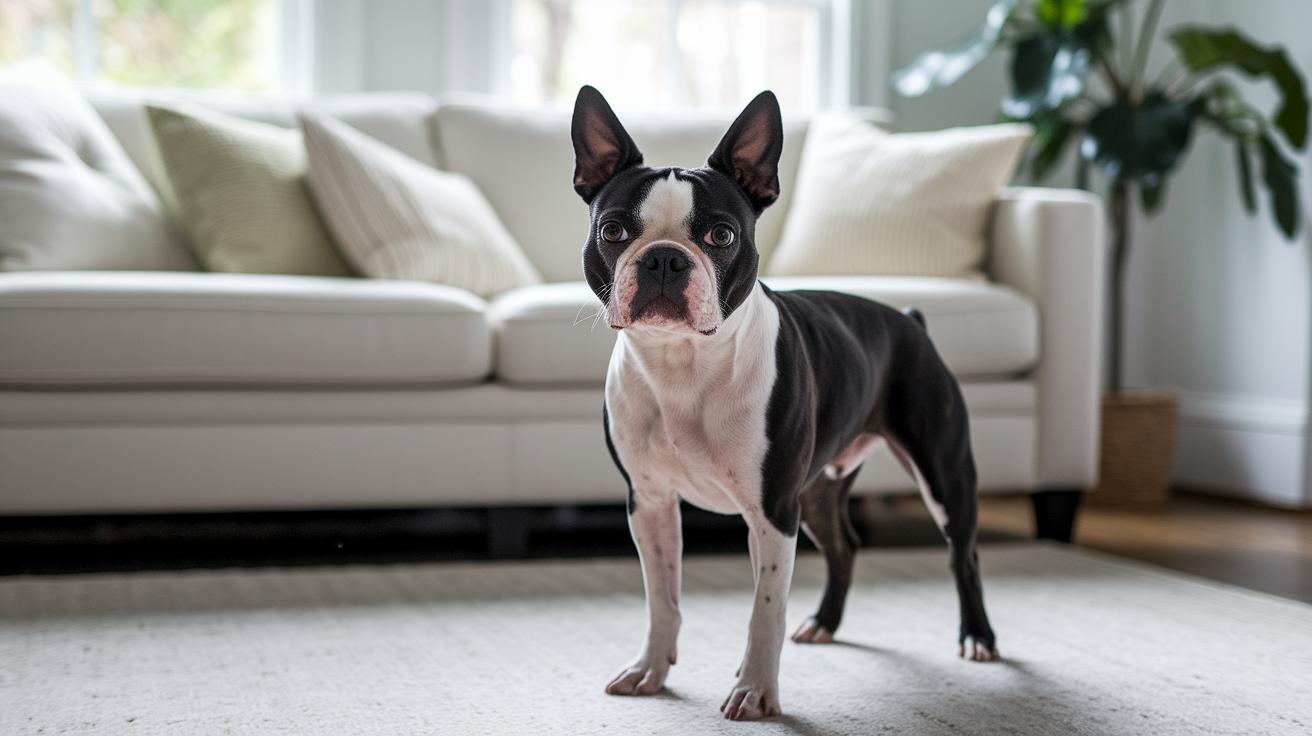
Boston Terriers are famous for their short, smooth coat that comes in many striking patterns. Many owners love the classic black and white tuxedo look, though you might also see colors like brindle, seal, or fawn. Their coat feels soft and is very easy to groom, which fits perfectly with their compact build. On average, these friendly dogs weigh between 10 and 25 lbs (about 4.5 to 11.3 kg) and measure around 15 to 17 inches tall.
| Color | Description |
|---|---|
| Black & White | Classic tuxedo look |
| Brindle | Brown streaks over a base coat |
| Seal | White fur with a reddish glow in some light |
| Fawn | Light tan or brown shades throughout |
| Rare Variants | Champagne or lilac hues, seen less often |
Boston Terriers keep a steady size and there is no officially recognized miniature or teacup version. This consistency means they are sturdy yet very manageable, making them a great fit for active families or apartment living.
Boston Terrier Breed Temperament and Personality
Boston Terriers are full of energy and joy. Every day with them feels playful and fun, like having a little clown bring light to your home. Picture the soft sound of tiny paws scurrying during a lively game of fetch. That cheerful energy is truly a hallmark of the breed.
These smart dogs pick up new tricks quickly when you use kind, positive reinforcement. They understand commands fast but sometimes like to do things in their own special way. For example, when you say "sit," a Boston Terrier might pause for a moment to look around before settling down. This mix of quick learning and a bit of independence keeps training sessions both engaging and fun.
Boston Terriers make excellent companions for families, kids, and even apartment living. They fit well in any home, brightening up days with their happy nature and providing loyal support for busy pet owners. They thrive in different living spaces as long as they get plenty of playtime and brain-stimulating activities.
Boston Terrier Breed Health Issues and Longevity

Boston Terriers have a short, flat face. They are brachycephalic, which means they have a flat nose, a long roof in their mouth, and a narrow airway. These traits can lead to a condition called brachycephalic syndrome. In this syndrome, the upper airway is partly blocked. This can make breathing noisy or heavy, especially when they are playing or when it is warm outside. For example, you might notice your Boston Terrier panting hard or snoring after a quick walk.
They can also suffer from joint issues like patellar luxation. This happens when the kneecap slips out of place, causing the dog to limp or show signs of discomfort during active play. Keep an eye out for any odd skipping or reluctance to jump, and talk to your vet if you see these signs. Gentle, regular exercise can help keep these joint problems under control.
Boston Terriers are also at risk for various eye conditions such as glaucoma (high pressure in the eyes), cataracts (cloudy lenses), dry eye, or even corneal ulcers (sores on the eye’s surface). Their big, expressive eyes should be watched for any redness, discharge, or cloudiness. Spotting problems early can help protect their vision and keep them comfortable.
On average, Boston Terriers live about 11 to 13 years, and with the right care, some can even reach 15 years or more. Regular veterinary checkups are key to keeping their joints, breathing, and eyes in good shape. Sticking to a regular vaccination schedule and routine health screenings can help catch any issues early, which means a longer and happier life for your furry friend.
Grooming, Diet, and Daily Care for Boston Terrier Breed
Boston Terriers sport a short, smooth coat that benefits from a weekly brushing. This simple routine helps keep the fur neat and cuts down on loose hair around your home. One pet parent mentioned that spending just 10 minutes a week on brushing keeps their Boston Terrier looking smart while reducing cleanup time. A few minutes every week can make a big difference for both your pet's appearance and skin health.
Keeping your Boston Terrier clean is more than just caring for the coat. Check your pet's eyes for any signs of redness or discharge because these can signal irritation or an infection. Gently clean the ears using a vet-approved ear cleaner to help fend off ear infections. A quick look at your pet's eyes and ears every few days can catch small problems before they grow into bigger ones, making sure your furry friend stays comfortable.
When it comes to meals, Boston Terriers do best on an AAFCO-approved dry food specially made for small dogs. Adult dogs usually need 2-3 meals a day, while puppies do better with smaller, more frequent meals to help avoid hypoglycemia (a sudden drop in blood sugar). Adjust the portions based on your dog's weight, age, and activity level, and consider using vet-recommended supplements if needed. This balanced feeding plan gives your pet the energy to play while keeping their weight and immune system in good shape.
Training Techniques and Exercise Needs for the Boston Terrier Breed
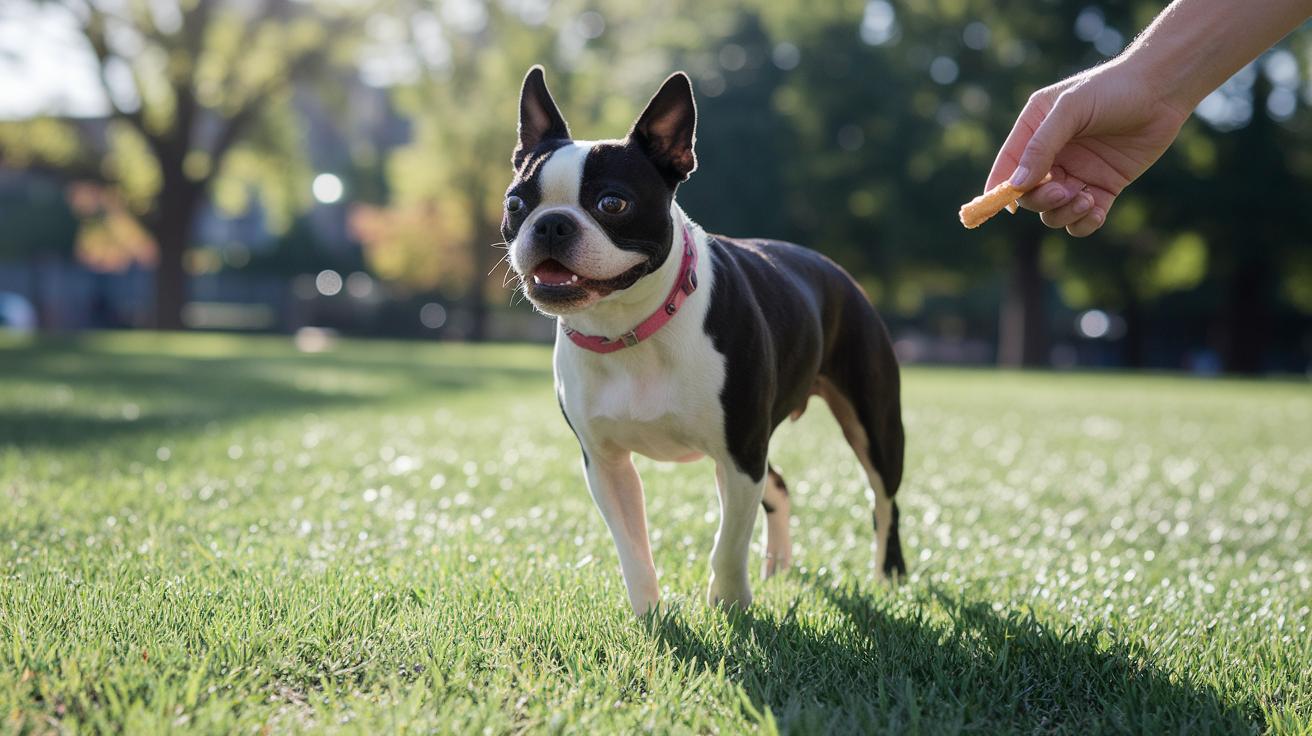
Boston Terriers enjoy quick bursts of exercise. They do best with short sessions, like a few rounds of fetch or playing with a Frisbee. Instead of a long, continuous workout, try running with your dog for about five minutes, then give them a break to catch their breath and stay cool.
When it comes to training, a positive approach works wonders. Reward your Boston Terrier with small treats and kind words when they follow your commands. For example, give a quick "Sit!" command, smile, and offer a treat. This fun and engaging style helps them stay interested, even with their independent streak.
Mental challenges are key for this smart breed. Puzzle toys that reward them with a treat can turn playtime into a brain workout. Arranging group outings or play sessions with other dogs also builds important social skills. Keeping their mind active helps prevent boredom and stops unwanted behaviors before they start.
Adoption, Breeder Selection, and Cost Considerations for Boston Terrier Breed
Adopting a Boston Terrier is a quick and affordable way to bring one into your life. Many local shelters and rescue groups have dogs ready to join a loving family. This option often costs less and gives a dog a fresh start. Plus, many shelters carefully match pets with families so you can feel confident your new friend will fit right in.
If you choose to buy from a breeder, be sure to pick someone you trust. Good breeders let you see health tests and official papers. They answer your questions about the dog's background and any medical tests done. This careful attention can help lower the risk of health issues later on.
Remember, whether you adopt or buy, there are expenses to consider. You’ll have an initial fee plus regular costs like vet visits, vaccines, and possibly pet insurance. Planning for both immediate and future expenses helps keep your Boston Terrier happy and healthy.
Boston Terrier Breed Standards, Clubs, and Cultural Impact

Boston Terriers were first recognized by the American Kennel Club in the early 1900s and soon became a favorite in the United States from 1905 to 1935. People who raise and love these dogs admire their unique size, black-and-white coat (like a tuxedo), and friendly face. The Boston Terrier Club of America sets clear rules for size, coat texture, and personality to make sure every dog meets high standards.
Boston Terriers also do great at dog shows and club meets. The club organizes fun events where these playful dogs get to show off their good manners and charming behavior. These gatherings not only highlight the dogs' special qualities but also bring together a community of passionate pet owners. The breed has even earned a role as the mascot for Boston University, symbolizing loyalty, courage, determination, speed, and energy. This special status shows just how much impact these dogs have on both competitive events and everyday life.
Final Words
In the action, this post delivered a complete look at the boston terrier breed, from its 19th-century beginnings to today's care and training tips.
We covered key health issues, grooming needs, and the best exercise routines to keep your pet fit and happy.
We also highlighted avenues for adoption, breeder selection, and community support.
Every section aims to give you clear, helpful guidance so your pet remains safe and cheerful. Enjoy each moment with your beloved companion!
FAQ
Boston terrier breed for sale
The Boston Terrier available for sale is offered through reputable breeders, shelters, and rescues. They are popular for their friendly nature, compact size, and charming personality.
What is the temperament of a Boston Terrier?
The Boston Terrier temperament is known for its friendly, lively, and clown-like nature. They are playful, smart, and adapt well to family life, making them a delightful companion.
What are the colors of a Boston Terrier?
The Boston Terrier coat colors include classic tuxedo patterns, seal, brown, and even blue variations. Each variation gives the dog a distinctive, attractive look that stands out in any setting.
What are the pros and cons of owning a Boston Terrier?
The Boston Terrier pros and cons reveal that their size, friendly demeanor, and adaptable nature are key advantages, while potential health issues and consistent exercise needs can be downsides for some owners.
What two breeds make a Boston Terrier?
The two breeds that create the Boston Terrier are the bulldog and the white English terrier. Their mix contributes to its compact build and signature tuxedo-like coat.
Is a Boston Terrier a good house dog and high maintenance?
The Boston Terrier is a good house dog due to its adaptable, gentle nature. They require moderate exercise and routine grooming, meaning they are generally low to moderate maintenance overall.
How does the Boston Terrier compare with breeds like French Bulldog, Bull Terrier, Bulldog, Jack Russell Terrier, and Beagle?
The Boston Terrier compares well with these breeds by offering a balanced mix of friendliness, compact size, and energy. This makes them a great choice for families and apartment living alike.