

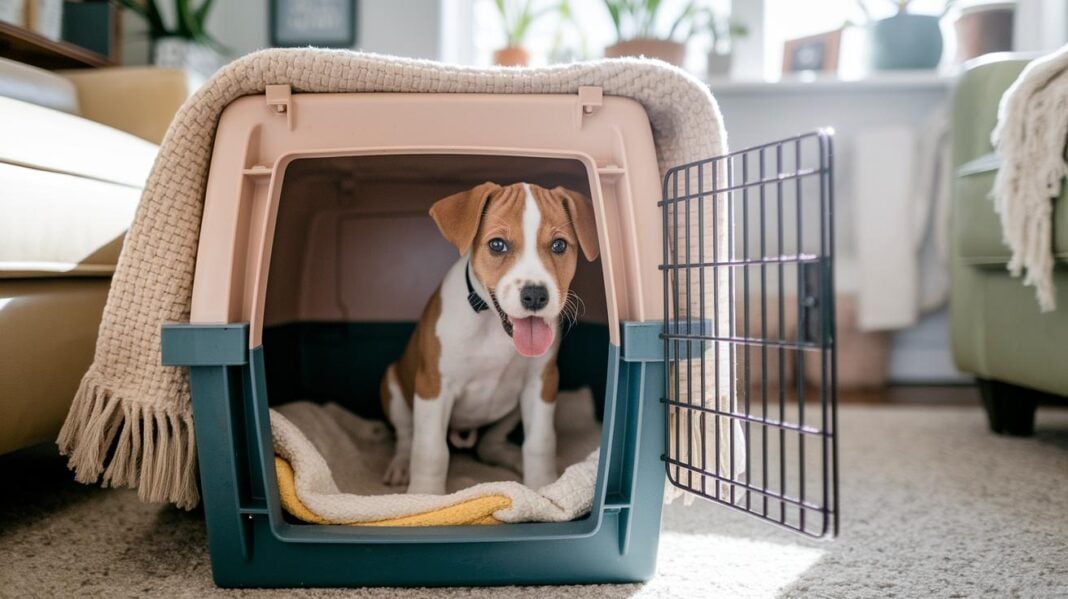

Ever thought that a crate could be a happy place for your puppy? When you start slowly with soft treats and short sessions, the crate can become a cozy spot instead of a stressful one. Many pet parents have seen their nervous pups turn into calm, content companions in a crate filled with love and treats. By taking small steps and letting your puppy explore at their own pace, you build trust and help ease separation. This gentle approach can make crate training a simple win for both you and your furry friend.
How to Begin Crate Training a Puppy: Step-by-Step Confinement Guide
Start by making the crate seem fun and safe. Toss treats nearby, then inside the crate a little at a time so your puppy learns it’s a rewarding place. For example, you might say, "Try tossing a treat into the crate and see how your puppy follows it eagerly!" This helps your pet see the crate as a happy spot.
Let your puppy explore on its own at first. Keep the door open so your pet doesn’t feel trapped. Once your puppy seems at ease, use mealtimes for the next step. When your puppy goes for its food, gently close the door for a short moment. This builds a clear, positive link between the crate and a good experience.
Practice crating your puppy 3 to 5 times a day. Begin with a short session, like 5 minutes, and then slowly increase the time to about 30 to 45 minutes over several days. It’s normal if your puppy cries or howls at first. Just wait until it calms down for a few minutes before opening the door again.
For nighttime sessions during the first 2 to 3 weeks, place the crate in your bedroom. Cover it with a small blanket or towel to create a cozy, den-like space that eases separation anxiety. This setup not only helps your puppy sleep better but also builds trust.
Other tips: schedule crate sessions around meals, play, and naps. Stay patient, keep a consistent routine, and always praise your pup when it stays calm in the crate.
- Introduce the crate with treats.
- Let your puppy enter on its own before closing the door.
- Slowly increase the time in the crate.
- Create a cozy, den-like space at night.
Selecting Ideal Crate Dimensions for Your Puppy
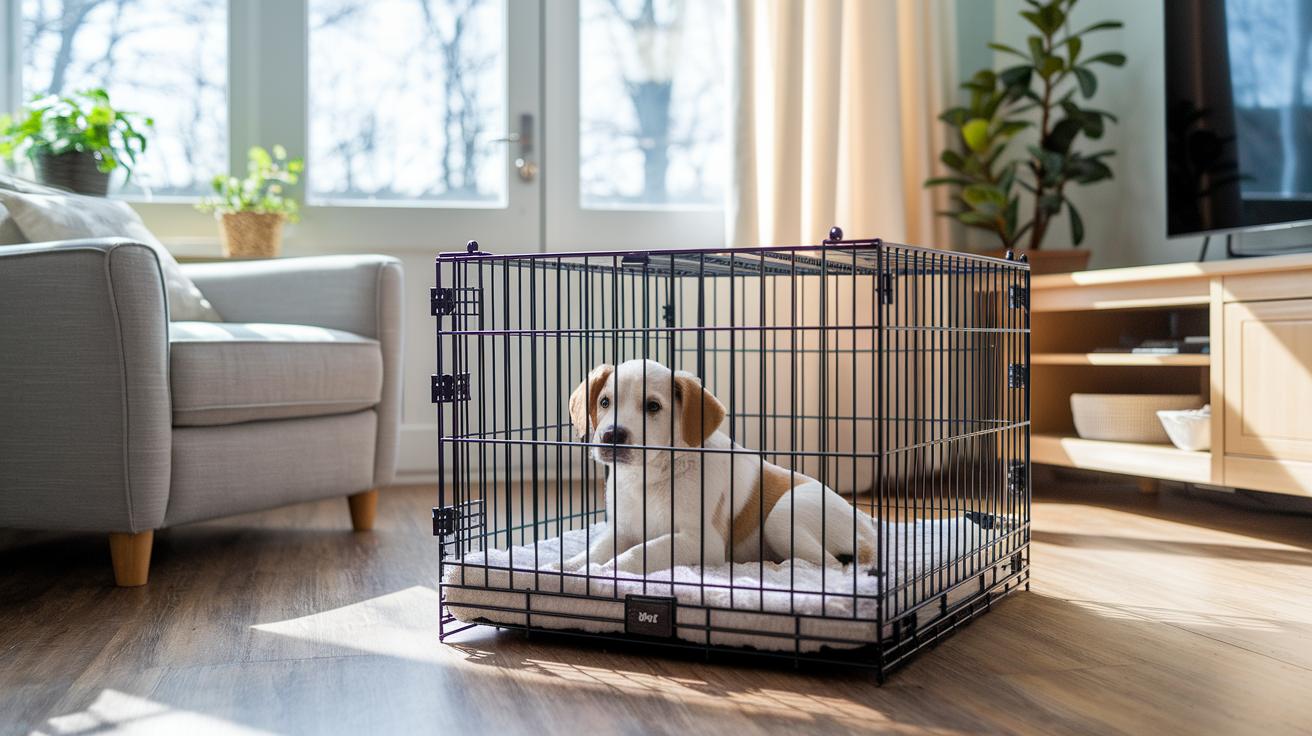
Choosing a crate is a big part of training your puppy. The crate should be just big enough for your puppy to stand, turn, and lie down comfortably, even when they grow up. This way, you won't have to buy a bigger crate later.
Pick a crate made from strong, chew-resistant materials. A wire crate with a removable plastic pan or a heavy-duty plastic travel crate both work well. If you travel with your pet, check that the crate meets airline size rules.
Using adjustable dividers is a smart trick. They let you keep a small, clean space for your puppy as they grow, which helps avoid messes. It creates a secure and comfy spot without feeling too tight.
Steps to follow:
- Measure your puppy’s expected adult size.
- Ensure the crate has enough room for moving around.
- Add adjustable dividers for a neat, cozy space.
These small choices can boost your puppy’s comfort and make crate training much easier.
Establishing a Daily Confinement Routine for Crate Training a Puppy
Begin each day with a set schedule that mixes crate time with meals, play, and potty breaks. If your puppy is about 8 weeks old, keep its crate in your bedroom at night. When your little buddy wakes up, take it straight to its usual potty spot. This quick step helps build steady potty habits.
Before you settle in for the night, give your pup a break from water about two hours earlier. This trick helps avoid midnight accidents and lets your puppy sleep peacefully.
During the day, have fun play sessions before crate time. A little game of fetch or a run around the room gives your puppy a burst of energy. After playtime, it’s time for some quiet moments in the crate, showing your pup that calm time follows fun.
Plan your daytime crate sessions like this:
- After meals
- After naps
- After play sessions
Start with brief periods in the crate, around 15 minutes, and slowly increase the time until your puppy gets used to spending up to 60 minutes inside. Keep things steady and consistent.
Make sure to schedule regular potty breaks:
- First thing in the morning
- After every meal
- After each crate session
- Right before bedtime
Keeping a simple log can help track when your puppy is crated and if any accidents happen. These steady, short intervals create a balanced routine that supports housebreaking while mixing in plenty of play and rest for a happy, well-adjusted puppy.
Creating a Comfortable Puppy Crate Environment
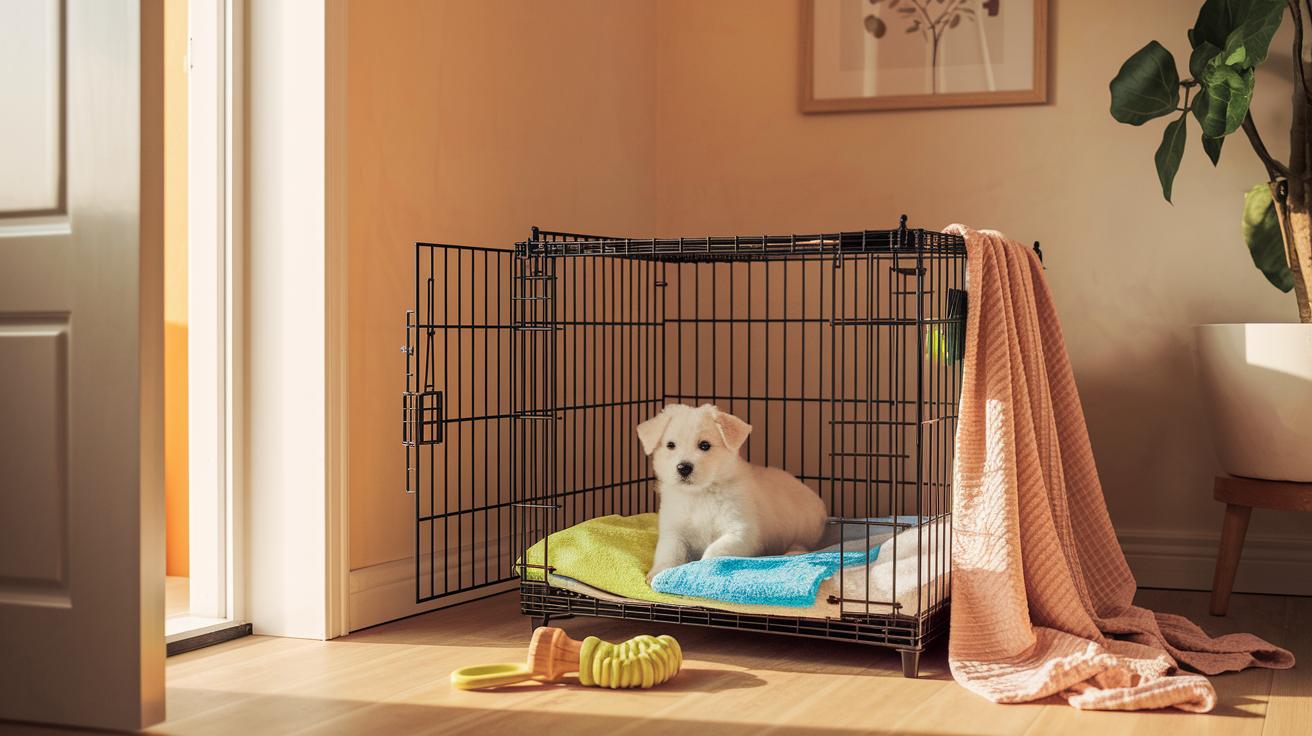
Start by placing soft, washable bedding or a neatly folded towel on the crate floor. This gives your puppy a cushioned surface for its paws and helps it feel safe in its little space. Using only one piece of bedding also reduces the risk of your pup eating loose fabric. You might pick a bright-colored towel so it’s easy to spot when it needs washing.
Next, add one safe chew toy or a plush item that your puppy can hold onto. Cover the top and sides of the crate with a lightweight blanket. This creates a cozy, den-like area that helps calm any anxiety your puppy might feel in a new space.
At first, keep the crate door open so your puppy can explore on its own. This makes it easier for your pet to develop a positive view of its crate. Change out the enrichment items every week to keep the space interesting yet uncluttered. A tidy and thoughtful setup will turn the crate into a safe haven your puppy can love.
Troubleshooting Common Crate Training a Puppy Challenges
Puppies might cry or howl when they first get used to their crate. If your pup starts whining, try not to let them out right away. Instead, wait about 2 to 3 minutes when things are quiet. This teaches your puppy that calm behavior brings good results.
Before putting your puppy in the crate, make sure their basic needs are met. Check that they aren’t hungry, thirsty, or in need of a potty break. This small step can prevent stress early on. If your puppy keeps barking, try moving the crate near your bed. A familiar presence may help ease their worry. You could also use a white noise machine to help soften nighttime sounds.
Expect a few rough nights as your puppy adjusts. Staying patient and consistent is key. A calm and firm approach shows your puppy that being quiet is rewarded.
Here’s a simple checklist:
| Step | Action |
|---|---|
| 1 | Check for hunger, thirst, and potty needs |
| 2 | Wait for 2–3 minutes of calm before opening the crate |
| 3 | Place the crate near your bed if the barking continues |
If your puppy’s distress lasts longer than a week, consider asking a veterinarian or certified trainer for advice. They can look for any other issues and help adjust your training steps. With a steady, caring approach, you’ll help your puppy turn crate time into a more peaceful and rewarding experience.
Ensuring Safety and Hygiene in Puppy Crate Usage
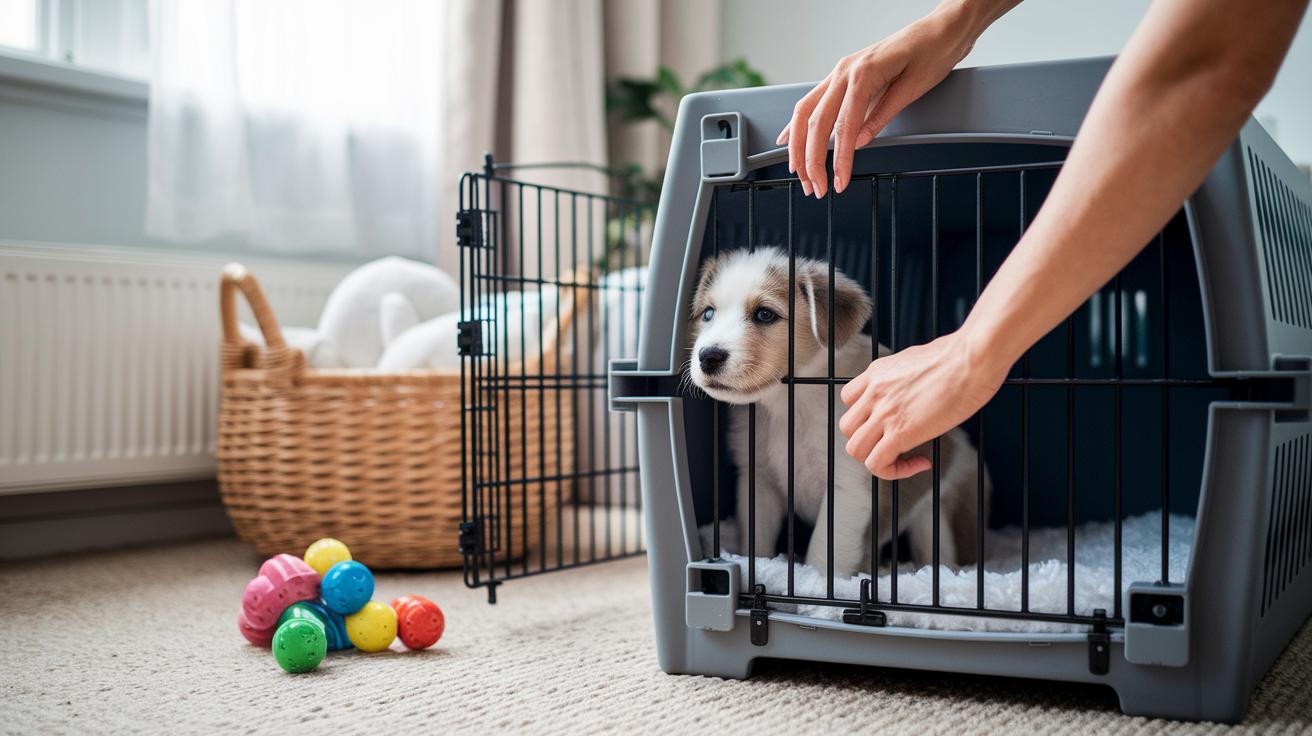
Every day, take a few minutes to check your puppy's crate. Look for loose bars, sharp edges, or broken latches. Remove any torn toys or worn bedding right away to avoid any chance of your puppy swallowing pieces or getting hurt.
Keeping the crate clean is also very important. Wash the bedding once a week and use a pet-safe cleaner to wipe down all crate surfaces once a month. This helps prevent bad smells and dirt that could irritate your puppy's skin.
Place the crate in a quiet area away from strong sunlight, heating vents, or drafts. This will keep the temperature comfortable and help your pup feel safe. Also, make sure the crate is set on a steady, non-slip surface so it won’t tip or slide.
Checklist:
- Check the crate daily for any sharp or loose parts.
- Remove damaged toys or bedding immediately.
- Wash the bedding weekly.
- Disinfect crate surfaces monthly using a pet-safe cleaner.
- Position the crate away from direct sunlight, vents, and drafts.
- Ensure the crate sits on a stable, non-slip surface.
Transitioning from Crate to Outdoor Activities and Beyond
When your puppy stays calm in the crate for 30 to 45 minutes, it's time to start letting them out. Open the crate door slowly and guide your puppy right outside for a potty break. Give them a small treat or plenty of praise right after so they know that outside is a happy place.
Keep a simple log of each session. Write down how long your puppy stays in the crate and note any accidents. This helps you see how well your puppy is doing. For example, record if your puppy remains calm for 30 minutes and then successfully goes potty as soon as they leave the crate.
When you see good progress, let your puppy have supervised free-roam time in one room. As they grow more confident, slowly open up more space for safe exploration. Stick with the same potty schedule during this phase so your puppy knows what to expect.
Steps to check progress:
- Record crate time and potty results.
- Praise and treat your puppy for outdoor potty breaks.
- Gradually widen the area for free roaming.
Taking these calm, steady steps will help your puppy enjoy more outdoor adventures while keeping up good potty habits.
Final Words
In the action of crate training a puppy, the article breaks down key steps for creating a safe and comfortable space. It covers setting up a positive environment, establishing a daily routine, and troubleshooting common issues like whining or barking. You also learned how to choose the right crate size and maintain hygiene. Each tip builds towards a structured plan for gradual success. All these steps help you build a strong foundation for crate training a puppy while keeping your pet healthy and happy.
FAQ
What is a puppy crate?
A puppy crate is a small, secure space that gives your puppy a safe spot to rest, sleep, and feel protected. It helps with housebreaking and builds a routine.
How do I crate train a puppy for the first time?
Crate training a puppy for the first time means slowly introducing the crate with treats and praise. Let your puppy explore with the door open before starting short, positive confinement sessions.
How do I crate train a puppy at night?
Crate training a puppy at night works best when the crate is kept in your room. Cover it with a light blanket to create a den-like feel, reducing anxiety and helping your pup settle.
What benefits does crate training a puppy offer?
Crate training a puppy offers a safe, structured space that improves housebreaking, reduces anxiety, and creates a secure den-like area for rest. It also helps set a consistent daily routine.
What is an effective crate training schedule for a puppy?
An effective crate training schedule includes several short sessions throughout the day, starting with 5–10 minutes and gradually increasing. Pair crate time with meals, play, and scheduled potty breaks to build routine.
When should I start crate training my puppy?
Crate training should start as soon as you bring your puppy home. Early introduction helps in forming good behavior patterns, makes housebreaking easier, and establishes a secure resting space.
What advice is shared on Reddit about crate training a puppy?
Advice on Reddit emphasizes a gradual approach, using treats and praise to build positive associations. Users recommend keeping initial sessions short while allowing your puppy freedom to explore the crate.
How does crate training help with potty training?
Crate training helps with potty training by limiting your puppy’s space, which reduces accidents. A consistent schedule of crate sessions and timely outdoor breaks reinforces proper elimination habits.
Is it okay to let a puppy cry in its crate at night?
Letting a puppy cry in its crate at night is generally not advised. It is best to wait until your puppy shows brief calm before letting it out, to avoid reinforcing prolonged crying.
What is the fastest way to crate train a puppy?
The fastest way to crate train a puppy is through gradual, positive introductions using treats and praise. Short, consistent sessions that slowly extend help your puppy learn to be comfortable in the crate quickly.
What is the 2-1 rule for crate training a puppy?
The 2-1 rule for crate training a puppy typically means waiting two minutes of quiet behavior before offering a release or treat, helping to reinforce and reward calmness inside the crate.
What does the 10-10-10 rule for puppies mean?
The 10-10-10 rule for puppies suggests a balanced routine of 10 minutes of play, 10 minutes of rest, and 10 minutes of crate time. This routine helps manage energy levels and build positive habits.