

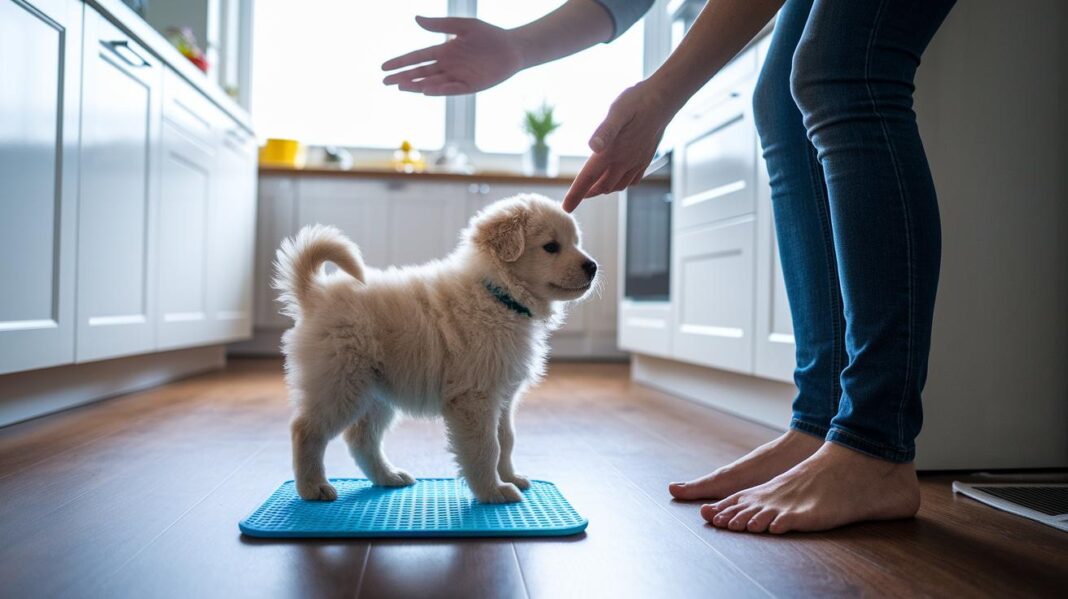

Have you ever wondered if your puppy's potty habits could change overnight? You're not alone. Many new pet parents worry about messy floors and missed cues. A steady routine and a simple phrase like "Go potty!" can help your pup learn where to go. Our easy guide gives you clear steps to build a routine that works. With plenty of praise and a few tasty treats, you'll soon see good habits forming and your home getting cleaner. Let's turn those messy moments into small wins.
Indoor Puppy Potty Training Quick-Start Guide
Puppies learn fast between 8 and 12 weeks old. This guide breaks down simple steps to help your pup learn where to go. The secret? A clear, steady routine.
Try this: Many pups do best when they follow a set schedule. They learn by doing the same thing over and over.
Remember, your puppy needs chances to go outside often. Use a friendly command like "Go potty!" and keep a routine where business comes first and play comes later. A quick cheat sheet and a Puppy Tracker (a simple log for food, breaks, and progress) make keeping track easier.
- Begin a set schedule as soon as your puppy wakes up.
- Use the same cue, "Go potty!" every time you step out.
- Bring your puppy outside after meals, naps, and before bedtime.
- Praise them and offer a small treat once they finish outside.
- Limit distractions so your puppy can focus on the task.
- Record each break and any accidents on a simple chart.
Stick to these steps and you'll see progress in just a few months. Your pup will soon understand that the best spot for business is outside. With patience and constant practice, good habits will last a lifetime.
Puppy Potty Training: Quick Steps, Great Results
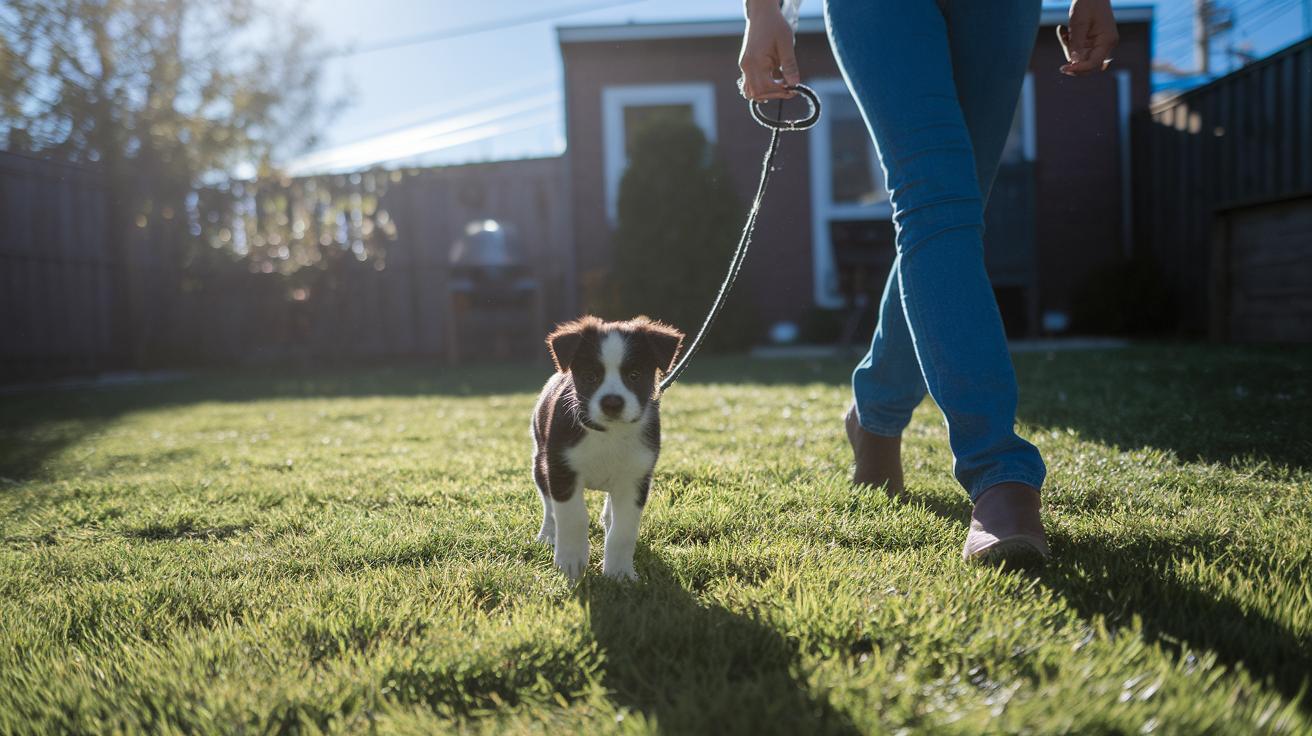
Create a simple daily routine to help your puppy learn where to go. Take your puppy out right when they wake up, every few hours during the day, about 15–30 minutes after meals, and immediately after naps. Even a quick trip outside at night can help when your pup’s bladder is full.
This steady schedule cuts down on indoor accidents and builds your puppy’s trust. Every time you head out, you use the easy 10-10-10 rule to keep the outing focused. A clear routine helps both you and your puppy understand what comes next and speeds up potty training.
Each walk outside is a chance to teach your little friend good habits while strengthening your bond.
| Time Slot | Age Range | Typical Break Interval |
|---|---|---|
| Upon waking | 8–12 weeks | Every 1–2 hours |
| After meals | 8–12 weeks | 15–30 minutes later |
| After naps | 8–12 weeks | Immediately |
| Before bedtime | 8–12 weeks | Once |
| At night | 8–12 weeks | As needed |
Crate Training and Pee Pad Strategies for Puppy Potty Training
Using a crate and pee pads together can help cut down on accidents and give your puppy clear routines. A good crate makes your pup feel safe by offering just enough space without too much room to wander. Meanwhile, pee pads work as a handy indoor option when the weather or other issues keep you inside.
Choosing the Right Crate
Pick a crate that fits your puppy snugly. It should be big enough for your dog to stand, turn, and sit but not so large that one corner becomes a bathroom. Begin with short sessions in the crate so your puppy learns to settle inside. As they get more comfortable, slowly increase the time spent in the crate. This steady approach builds confidence and helps with potty training.
Strategically Placing Pee Pads
Put your pee pads in a calm spot away from heavy foot traffic. This quiet area lets your pup focus on the task without distractions. Over time, gradually move the pad closer to the door. For example, shift it a few inches each week. This simple change helps your puppy understand that the goal is to eventually go outside for bathroom breaks.
Handling Accidents during Puppy Potty Training

Accidents are normal and can help your puppy learn. When your pup has an accident, quickly take them to the correct spot so they know where to go next. Avoid scolding or punishment to help your puppy feel safe and learn that mistakes happen.
Fast, calm action can stop bad habits. Clean up any mess right away to remove smells that might signal your pup to repeat the mistake.
- Immediately take your puppy to the designated potty area.
- Use a pet-safe enzymatic cleaner (a product that breaks down mess odors) to clean the spot.
- Offer gentle reassurance without raising your voice.
- Keep an eye on your puppy and make changes to your routine if needed.
Each accident is a chance to teach good habits. When you respond calmly and consistently, your puppy learns what is expected without fear. Using a pet-safe cleaner also helps remove odor cues that could lead to more accidents. Over time, this steady approach builds trust and creates a stress-free training experience. Stay patient and keep your cool for lasting success.
Recognizing Puppy Potty Signals and Cues in Training
When your puppy sniffs around or makes small circles by a spot, it may be a sign they need to go outside. Watch for these cues, such as a few turns on the carpet, and then take your pup outdoors.
If you notice your puppy whining softly or pacing near the door, this is another clear cue. It might be their way of asking for a potty break. For example, if you see them moving toward a familiar exit with a soft whine, it’s time to step in and guide them outside.
Sometimes, your puppy will head straight for the door, especially after a meal or a nap. When you see this direct move, help them get outside quickly. Learning these signals helps you act fast, keeping your home cleaner and building a steady routine for your pup.
Positive Reinforcement Techniques in Puppy Potty Training
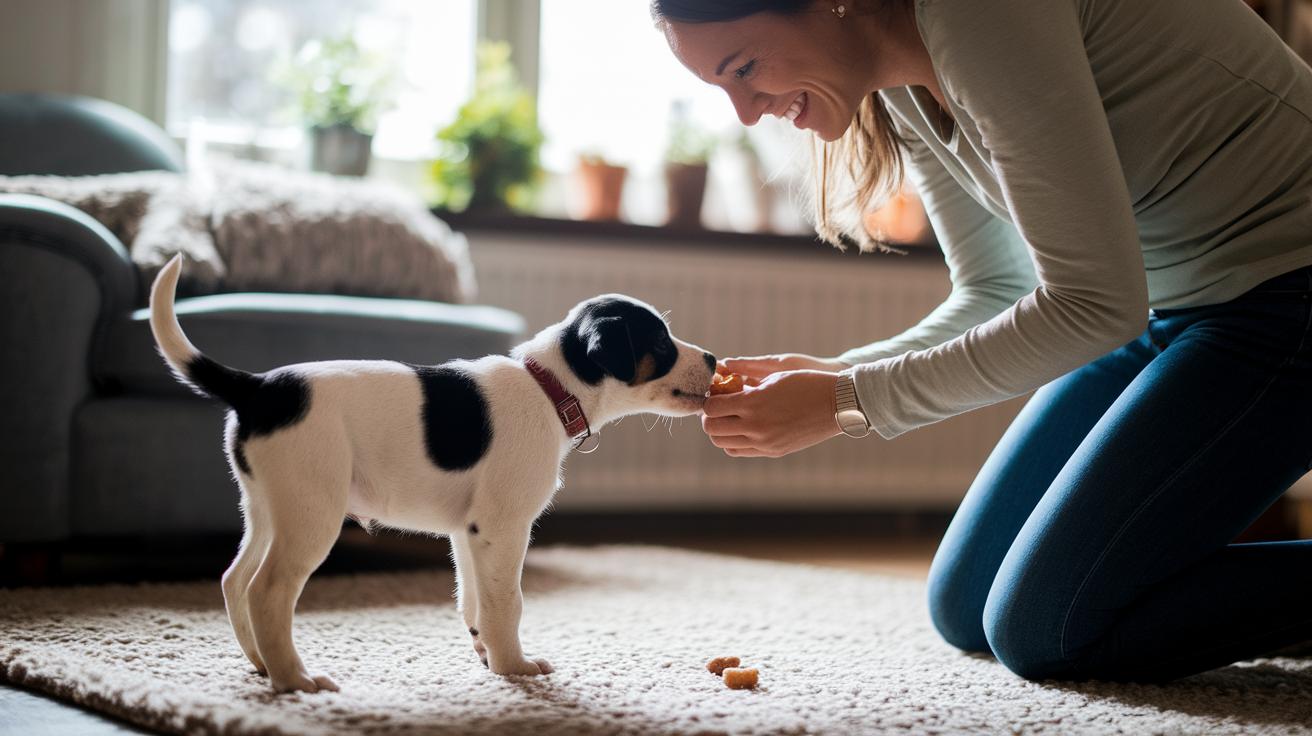
When your puppy finishes going, offer lots of praise right away and give a small treat. Use a simple cue like "Go potty!" to help your pup connect the behavior with a fun reward.
Quick rewards build your puppy’s confidence and make training enjoyable. One day, try a soft snack; the next, a crunchy treat to keep it interesting.
Remember, if you wait too long, even by a few seconds, your puppy might not link the treat to the good behavior. Keep the treat close by and watch for signs that your puppy has finished. Experiment with different treats, like small bites or pieces of kibble, to see which one gets your pup excited. If your puppy seems unsure, adjust your routine so every success is met with a prompt reward.
Adaptations for Apartment Living and Limited Space in Puppy Potty Training
If you live in an apartment with little outdoor room, you can still train your puppy to go potty. Try setting up a special indoor spot using pee pads or a grass-style tray. Adding a light, puppy-safe scent near the area can help your pup learn this is their bathroom zone.
Short trips outside are a great addition, too. A quick outdoor break shows your puppy that both indoor and outdoor spots work. Keeping these trips short and regular boosts your puppy’s confidence and keeps training simple even in a small space.
Indoor Spot Design
Choose a small, easy-to-clean area for your puppy’s bathroom breaks. Place a dedicated pee pad or grass tray on a hard surface. Using a mild puppy-safe scent there tells your pet that this is the spot for elimination. Doing this every day helps build a strong routine.
Efficient Outdoor Breaks
Plan short walks outside that fit into your busy schedule. Use a short leash to keep the trip quick and under control. These outings help your puppy connect outdoor trips with going potty. A consistent, brief outdoor break makes it clear for your pup when it’s time to go.
Tracking Progress and Adjusting Puppy Potty Routines

Using a one-page puppy tracker to log meals, potty breaks, accidents, and wins is a simple yet effective tool. It shows exactly when your pup goes potty and helps you see patterns over time. Maybe you'll notice fewer accidents in the morning as your puppy settles into a routine. Keeping a record gives you a clear picture of what’s happening.
Reviewing your notes lets you see your puppy’s progress up close. Over weeks, you might see that accidents are becoming rare and bathroom timing is improving. For example, if you notice your pup usually waits longer after meals, it might mean better bladder control is on the way. Tracking these milestones builds confidence and points out what you might need to adjust.
Use your records to tweak your schedule as needed. If the tracker shows accidents at a certain time every day, try adding an extra break at that time or shifting meal times slightly. Regularly checking your tracker helps you fine-tune your routine and celebrate each little win. These adjustments can speed up progress, create a steady routine, and boost your pup’s confidence.
Final Words
In the action, this guide offered clear methods to kick off indoor housebreaking. It detailed essential steps to build a routine, from scheduling breaks and crate training to recognizing signals and handling accidents.
We provided hands-on tips, positive reinforcement ideas, and strategies for apartment setups. This puppy potty training guide gives you straightforward techniques to keep your pet healthy, safe, and happy. Every small win builds a solid foundation for success.
FAQ
What is puppy potty training spray?
Puppy potty training spray is used to encourage your puppy to use a specific spot. It works by adding a scent that guides them to the right area when they need to eliminate.
What is the fastest way to potty train a puppy?
The fastest potty training method combines frequent outdoor trips, clear cues, positive rewards, and a strict schedule. Rapid success relies on consistency and immediate praise after each elimination.
What does a puppy potty training schedule include?
A solid potty training schedule involves outings upon wake-up, after meals and naps, before bedtime, and during nighttime. Consistency with these breaks is key to reducing accidents.
What can puppy potty training videos teach me?
Puppy potty training videos offer clear, step-by-step visual instructions. They show routines, cues, and practical methods that you can quickly implement to help your puppy learn outdoor elimination.
What is a puppy potty training app?
A puppy potty training app tracks break times, accidents, and progress. It sends reminders, helping you maintain a consistent routine and monitor your puppy’s training success with ease.
Where can I find local help or classes for puppy potty training?
You can find local help by checking with pet stores or community boards for puppy potty training classes. Local trainers and pet care centers often offer in-person sessions and useful tips to boost your training efforts.
How do I potty train an 8-week-old puppy?
For an 8-week-old puppy, start with frequent outdoor trips using consistent commands and immediate rewards. This early start encourages good habits and gradually builds a strong elimination routine.
What is the 10-10-10 rule for puppies?
The 10-10-10 rule means spending a designated 10 minutes outside, waiting for about 10 minutes if needed, and then giving the puppy a brief indoor break. It helps establish structured elimination intervals.
At what age should a puppy be fully potty trained?
Most puppies are fully potty trained between 4 and 6 months old. While each pup is different, a consistent schedule and regular positive reinforcement help them master the routine sooner.
How can I stop my puppy from peeing and pooping in the house?
To curb indoor accidents, immediately guide your puppy outside, use a firm cue, and reward them after going outdoors. Additionally, clean accidents with an enzymatic cleaner and continue supervising closely.
What are some effective training hacks and tools, like training trays, for potty training?
Effective training hacks include using a puppy potty training tray for indoor elimination and setting timed breaks. Combining these tools with clear signals and rewards makes the process smoother for both you and your puppy.
How do I potty train an adult dog?
Potty training an adult dog involves a regular schedule, consistent cues, crate training, and immediate positive reinforcement. With patience and structure, adult dogs can learn to adopt proper elimination behaviors quickly.