



Have you ever thought your home could change a pet's life? Pet foster care lets you transform your safe space into a small haven for animals in need. There are just a few simple steps to follow, and they can set you up for success. It doesn't matter if you have lots of pet care experience or if you're just starting out, your willingness to care makes all the difference. This guide will help you create a loving spot for pets coming from shelter care.
Core Eligibility Criteria for Pet Foster Care
The pet foster care program is for kind pet lovers ready to offer a temporary, caring home for animals in need. This opportunity is meant for people who can provide a safe, calm space for pets. Whether it’s young puppies or kittens or older dogs and cats healing from illness or injury, your home becomes a little haven for them. You will follow a simple application process and agree to shelter rules that help keep every pet safe and happy.
Every foster caregiver must be ready to meet different needs. Some dogs may need lots of room to run around. Some cats may do best in a quiet home with high spaces to climb. All animals benefit from secure enclosures, fun toys or activities, and a steady feeding routine. Whether you already have some pet care skills or are willing to learn, your effort will help these pets as they wait for a forever home.
Before you start fostering, there are a few important requirements to remember. These basic rules ensure the pet’s safety and make the adoption process smoother for everyone involved. The shelter looks for these qualities in potential foster parents:
- A home that is safe and secure
- The time and flexibility to care for a pet
- Some experience with pet care or a good willingness to learn
- An agreement to allow home visits and checkups
- A readiness to help with adoption tasks
- Following all shelter program rules
Meeting these key points helps build a strong foundation for the pet’s recovery and successful adoption. By following these guidelines, you create a nurturing space for the animal and give the shelter confidence in your ability to care for a pet, leading to a smoother transition to a permanent home.
Step-by-Step Application and Screening Process for Foster Caregivers

Starting your foster journey is easy. First, fill out an online or paper form that asks about your home, pet care experience, and why you want to help animals. Being honest on your application lays a strong foundation. For example, you might write, "I have a safe home and a big heart for these precious pets."
After you submit your application, the rescue team will do background and reference checks. They confirm your information by reaching out to people who know your pet care history. This step makes sure that only dedicated and safe caregivers join the foster program.
Then, you'll have a home visit and a short interview. During the visit, inspectors check that your home has safe spaces for pets, like secure enclosures and calm areas for rest. They also ask questions to see if you're ready to care for a foster animal. This helps ensure the best setup for you and the pet.
Once you pass the visit and interview, you'll be invited to an orientation session. At orientation, the shelter reviews daily care routines, emergency steps, and your role during adoption events. After the session, you receive the final approval, and you become a trusted foster caregiver.
Household Inspection and Environment Standards in Foster Care Requirements
Inspectors visit your home to ensure it is safe for foster pets. They check that your space keeps animals secure and free from harm.
They look for strong fencing, safe indoor areas, and basic safeguards like screens on windows and locked gates. They also want to see that there are separate places for your permanent pets and foster animals so each one can enjoy a quiet spot. In addition, inspectors check for things that could hurt your pets such as toxic plants, poor air flow, uneven temperatures, and hard-to-reach food or water. These details show you can offer a steady home where pets feel at ease.
They also check for any issues that might risk pet safety. For example, small spaces that don’t give pets enough room to play, or outdated systems that fail to prevent escapes. Inspectors may note if pet areas are in busy parts of your home or if emergency exits are not clearly marked. Even small things, like having intact window screens and gates that close securely, matter a lot.
Take some time to review your home before inspection day. A little extra care can help ensure you get a positive evaluation for your foster home.
Specialized Foster Program Categories and Care Requirements

Specialized foster programs help meet the different needs of animals. Whether you are caring for a tiny Bottle Baby that needs feeding every few hours or supporting a pet recovering from illness, there is a program just for you. Each program gives clear steps on feeding, daily care, and how long your help is needed. You also get easy-to-follow training and checklists so you can care for the animal safely. For example, a Bottle Baby needs careful, frequent feedings, while a Medical Foster may need a quiet space to rest in a cage.
Foster Category Overview
| Category | Age Range | Feeding Frequency | Typical Duration |
|---|---|---|---|
| Bottle Baby | 0–4 weeks | Every 2–5 hours | 6–8 weeks |
| Weaned | 5–8 weeks | Every 5–6 hours | 4–6 weeks |
| Mom and Babies | Mother & litter until 7–8 weeks | Every 5–6 hours | Until 7–8 weeks |
| Medical Fosters | Varying ages | Cage rest or controlled activity | 2–12 weeks |
When choosing a foster program, think about what you can handle
Time Commitment and Duration Guidelines for Pet Foster Care
How long you foster depends on the pet's needs. For instance, newborn bottle-fed pets usually require care for about 6 to 8 weeks. Young animals that have stopped nursing stay for around 4 to 6 weeks, while a mom and her babies will typically need a home for 7 to 8 weeks. Pets needing extra medical care might stay with you for 2 to 12 weeks as they recover and get stronger.
Adult dogs and cats have different foster times based on their behavior and when they can be adopted. Short-term placements during emergencies are also available to provide a safe spot when needed. Be sure to work closely with your shelter and follow any rules and tests they require.
| Foster Category | Duration |
|---|---|
| Bottle Babies | 6–8 weeks |
| Weaned Young | 4–6 weeks |
| Mom & Babies | 7–8 weeks |
| Medical Fosters | 2–12 weeks |
| Adult Animals / Emergency Fosters | Variable; short-term placements available |
pet foster care requirements: Your Bright Start
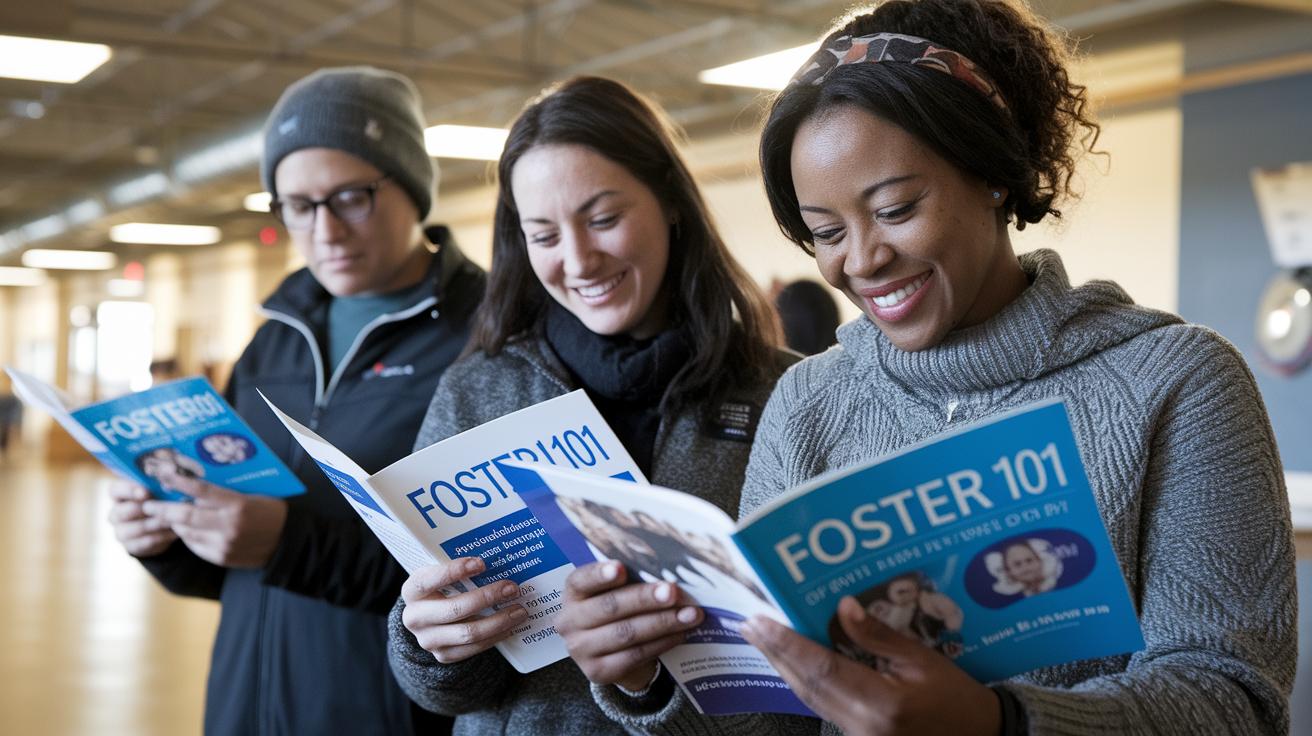
Shelters have training programs to help you start fostering. They offer orientation sessions, weekly Q&A meetings, and classes on keeping your pet healthy and happy. For example, Foster 101 breaks down everyday tasks into simple steps so you feel ready to handle surprises and meet your pet's needs.
You also benefit from a caring support network. Online resource libraries, peer groups, and crisis hotlines let you share tips and get advice from others in the foster community. Many caregivers say chatting with fellow volunteers gives both practical ideas and a boost of comfort during tough times.
If you need extra help, contact your local shelter. They can give you detailed guides on best care practices, legal advice contacts, and more training modules. These extra resources make sure you have the right tools and support to care for your foster pet.
Final Words
In the action, you see how meeting pet foster care requirements can open doors to a fulfilling caregiving experience. This article covered essential steps from core eligibility to detailed application procedures and home inspections. It broke down specialized foster tracks and committed time frames with clear guidelines to keep both pets and caregivers safe.
Every step reinforces a safe, nurturing space for animal friends. Moving forward, use these guidelines to build confidence and make caring decisions with ease.
FAQ
Q: Pet foster care requirements in Massachusetts
The pet foster care requirements in Massachusetts call for a secure home, a steady schedule, completed applications, and home inspections. These steps ensure that pets receive safe and caring temporary housing.
Q: How much do you get paid for fostering animals, and what are the costs?
Payment and costs for fostering vary by area and program. Some shelters provide modest stipends and cover expenses like food and vet costs, while others may offer limited financial support. Check with local shelters for specific details.
Q: Why did some people stop fostering dogs and what are the pros and cons?
Some caregivers stop fostering dogs because of demanding time commitments and unexpected expenses. While fostering offers the joy of saving lives and strong bonds, it can also present emotional and financial challenges.
Q: How is free temporary foster care for dogs offered?
Free temporary foster care for dogs is provided by certain rescues and shelters that cover food, supplies, and veterinary care costs. This support helps ease financial pressures on foster caregivers during the temporary placement.
Q: How do I find dog fostering near me?
Finding dog fostering near you starts by contacting local shelters, humane societies, or rescue organizations. They can supply nearby program details, application procedures, and training support for prospective foster caregivers.
Q: What is the 3 3 3 rule for fostering dogs?
The 3 3 3 rule for fostering dogs sets guidelines on trial periods, care duration, and evaluation steps. It serves as a framework to ensure the dog adjusts well during brief stays before permanent adoption, though specifics may vary by program.
Q: What are the rules for fostering a dog?
Fostering rules require a safe home, adherence to shelter policies, completed applications, and participation in training or orientation. These guidelines help ensure each foster dog receives proper care until permanent adoption.
Q: How do organizations like Pasadena Humane, Best Friends Pet Adoption Center, Angel City Pit Bulls, Wags & Walks Adoption Center, Fur Baby Rescue, and Los Angeles Regional Food Bank support foster care?
Organizations such as these offer foster care opportunities, resources, training, and support networks. They connect caregivers with pets in need, manage adoption processes, and provide vital backup during the fostering period.