

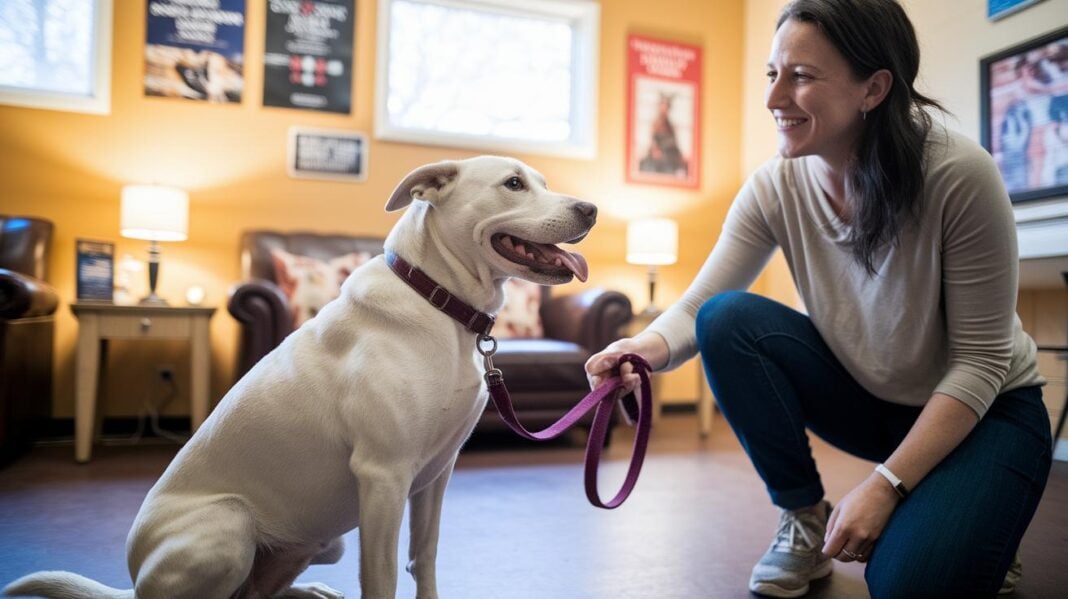

Have you ever wondered if rehoming your pet could be an act of kindness rather than a loss? If you are thinking about putting your dog up for adoption, you are not alone. This guide breaks down the process into simple steps. First, make sure your pet gets a good health check. Then, gather the paperwork you need. Finally, write down your dog’s special traits so future caregivers know all the little things that make them unique. Even though it might feel tough, planning ahead can make the change easier for both you and your pet. Read on for clear tips to help your dog find a caring new home.
Step-by-Step Guide to Put Your Dog Up for Adoption
- Have your vet check your dog's health. Get a full check-up to make sure your dog is healthy, current on vaccinations, and free from contagious diseases.
- Update your dog's medical records. Write down details like vaccinations, microchip info, and any treatments so future adopters know your pet’s care history.
- Explore local shelters and online adoption sites. Look for trusted shelters and pet rehoming websites to learn about fees and policies.
- Check fees and gather paperwork. Make a checklist of forms such as adoption applications, ownership transfer forms, and medical records. Confirm any fees to avoid surprises.
- Write a clear summary of your dog's personality. Note your dog's age, behavior, and any special needs. A honest description helps find the perfect new home.
- Plan a safe transition. Set aside a calm space (like a crate with familiar bedding) and arrange a gradual handover to help your dog adjust smoothly.
- Look into legal rules. Check your state or local guidelines to ensure the pet transfer is done responsibly and clearly.
Preparing Your Dog and Paperwork for Adoption
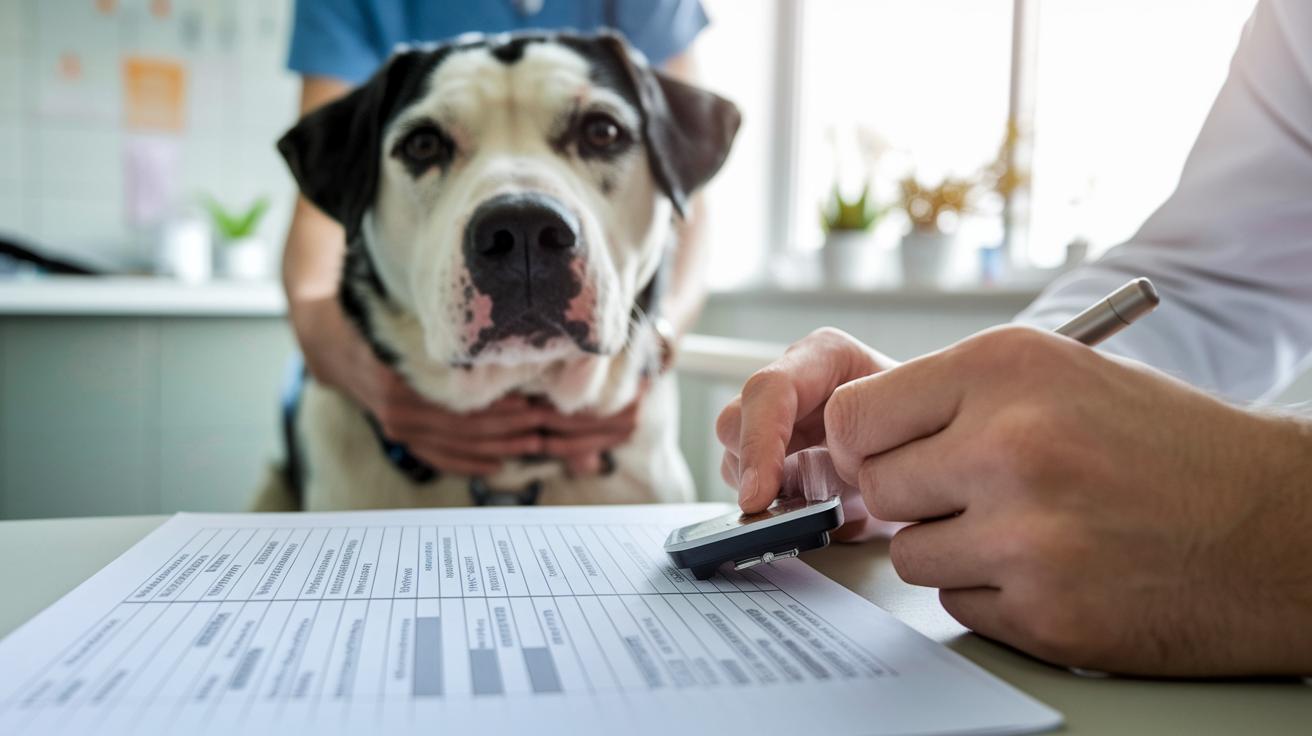
Before moving forward with your dog's adoption, make sure all the details are correct. Check your dog's microchip registration by verifying the chip number, current contact information (address and phone number), and the photo saved on file. If you've recently moved or changed your number, ask your vet for an updated microchip certificate.
Use this checklist to organize your paperwork:
| Document | Action |
|---|---|
| Health Records | Include the latest vaccination dates and vet check results |
| Microchip Certificate | Verify the chip number and update your contact details |
| Behavioral Assessment Report | Record traits like shyness or resource guarding with clear examples |
| Ownership Transfer Forms | Ensure all legal documents are current and correctly completed |
Also, check local state or county rules for any extra documents or specific steps needed before you finalize the rehoming process.
Creating an Effective Adoption Profile for Your Dog
Start your profile with a clear, honest overview that tells potential adopters your dog's breed, age, and health status. For instance, you might say, "My playful beagle mix is 3 years old, enjoys short walks, and needs gentle care because of a sensitive past."
Here are some details to include:
- Breed and size (for example, medium-sized and active)
- Age and vaccination status (note the last vet visit and the current health condition)
- Behavior traits, such as friendliness or shyness around strangers
- Training milestones, like knowing basic cues or good leash manners
- Special care needs, for example, certain dietary restrictions or extra exercise
You might also add insights like past rehoming successes or tips from a pet expert. For example, "During a recent training session, my dog followed the 'Sit' command even with distractions, showing a calm temperament."
Don’t forget to include high-quality photos. Clear headshots and action shots (like playing fetch in a park) help show your dog’s personality. A short video clip that captures a happy moment can make a big impression on potential adopters.
Make sure your profile is simple, honest, and visually appealing to attract the right new guardian for your dog.
Listing Your Dog for Adoption Online and Offline
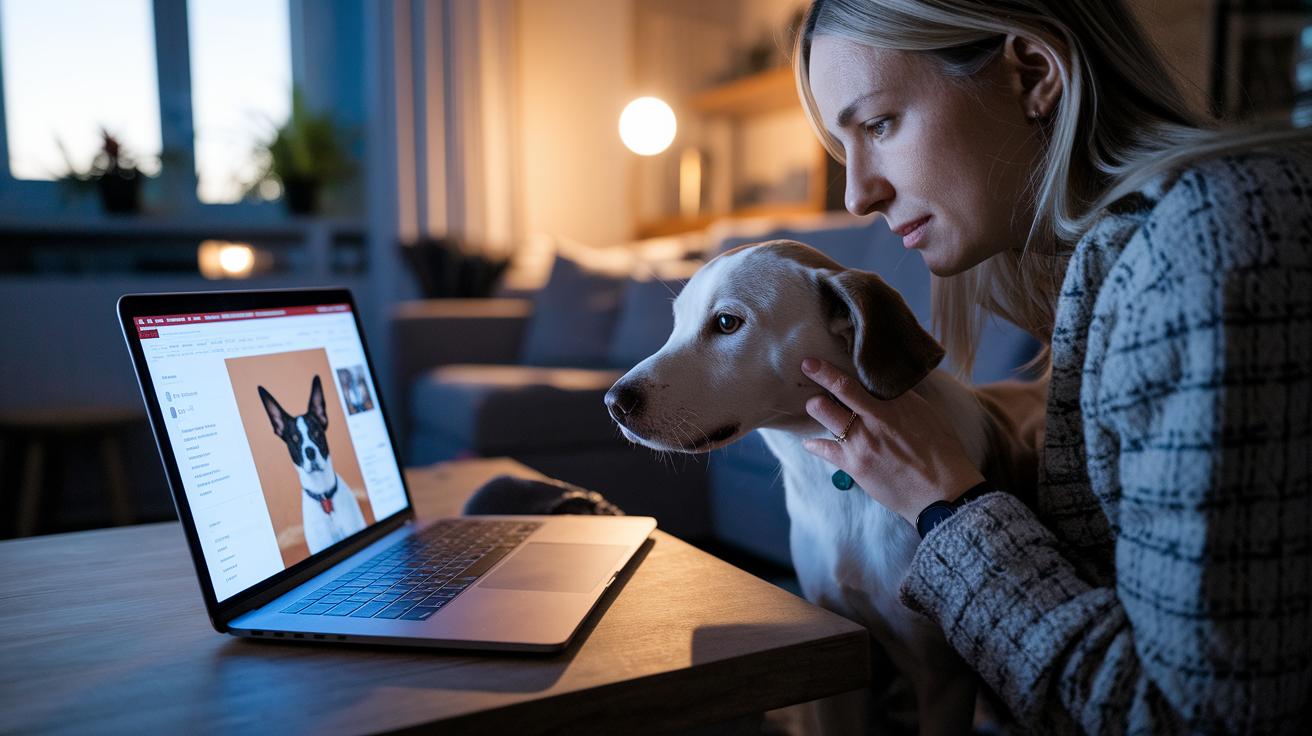
When you list your dog for adoption online, use trusted sites like Petfinder or well-known shelter websites. Add clear photos and a simple, detailed description that covers your dog's breed, age, health, and personality. Posting in the evenings or on weekends can help you reach more caring potential adopters.
Also, take advantage of social media. Use hashtags like #AdoptDontShop and #DogAdoption to increase visibility. Join local Facebook groups and pet forums where people share rehoming posts. For example, you might share, "I posted my dog's profile in our local group after dinner, and soon enough, inquiries started coming in!"
Don't skip working offline. Hang flyers on community boards, in vet offices, pet stores, and neighborhood newsletters. This old-school method can reach folks who aren’t online often and works great alongside your digital efforts.
Always check each platform's policies and any fees before posting. You might even try listing with Foster-Based Rescues since it's a free option that could give your dog extra exposure. Experiment with different posting times and approaches so your dog's profile reaches as many interested viewers as possible.
Screening Prospective Guardians and Finalizing the Adoption
When looking at people who want to adopt, start with a simple form that asks the basics. Ask about their past with dogs, their home setup, other pets they own, and their work hours. Some good questions are:
- What training plans do you have in mind?
- How do you handle vet emergencies (unexpected pet health crises)?
- Are you ready to sign an agreement outlining your ongoing responsibilities?
These questions help you see if the adopter is ready to care for a pet. Next, set up a face-to-face or online chat to double-check the details from the form. Ask extra questions like:
- How will you work in regular training sessions?
- How do you plan to manage your dog’s behavior at home?
Once you feel confident in their answers, create a final adoption agreement. This paper should clearly list what both parties agree to. It includes the training plans, how emergencies will be handled, and any follow-up after the adoption. Go over the paperwork together to make sure everything is clear before you legally hand over pet ownership.
Transition Support and Ensuring a Smooth Handoff
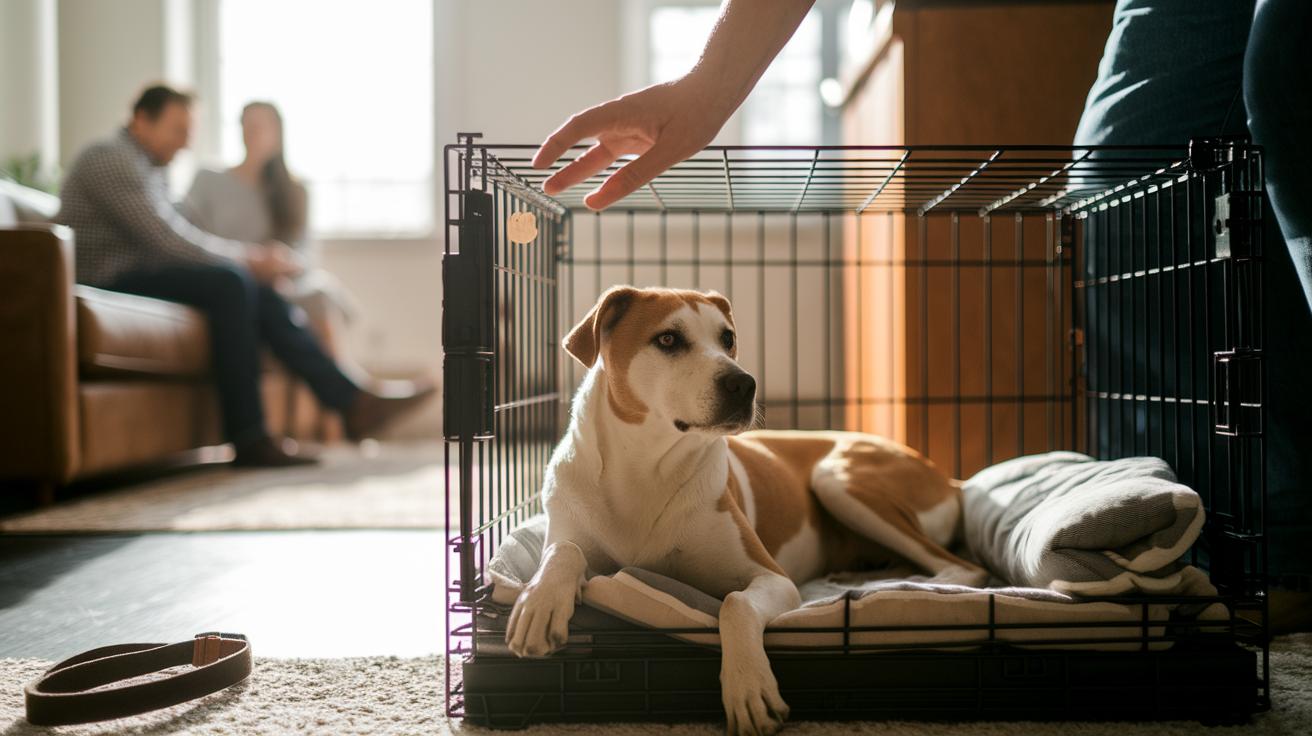
Help your dog settle into its new home with a calm, steady approach. The first few weeks (about 2 to 12 weeks) are a chance for your pet to learn its new routine. Create a safe space by setting up a crate with familiar bedding where your dog can relax if it feels overwhelmed. Stick to a regular schedule for meals and rest, set fixed times for feeding and play to help your pet adjust.
In the early days, use an indoor leash for short walks or room introductions. This method helps prevent resource guarding and unexpected behavior. Gradually let your dog meet new people and explore different areas, taking small steps to avoid stress.
If your dog is very reactive to sounds, consider using a sound desensitization app. You might also explore local training classes to boost social skills. With consistent, gentle steps over several weeks, both you and your new guardian can create a supportive setting for your dog’s future well-being.
Alternative Rehoming Options and Community Resources
If you need to find a new home for your dog, consider more than just a direct adoption. Many city shelters have clear steps, like 24-hour hotlines and set surrender rules. They might charge more and have longer wait times. Private rescues often cost less and give more personal care, but they can take extra time to find the right match.
Local rescue groups are very important too. They run programs that keep your dog safe until the right person is found. These no-kill programs mean your dog is cared for while waiting for its forever home. Be sure to check local phone numbers and any specific rules your county may have when moving your pet through a shelter.
Foster programs are another helpful option. In a foster-based rescue, your dog stays in a temporary home during the transfer. Programs like Foster to Adopt work closely with caring pet guardians and friendly volunteers. They handle everyday care and set up all the rehoming paperwork to make the change smooth.
| Contact Type | Details |
|---|---|
| Local Rescue Hotline | Call for guidance from nearby rescue groups |
| Shelter Surrender Steps | Follow the shelter’s clear process |
| No-Kill Programs | Find safe transfer options for your dog |
Take some time to review and compare these options. This will help you choose the best path for your dog's future.
Final Words
In the action, this guide covered a clear step-by-step process on how to put a dog up for adoption safely. We walked through preparing your dog’s paperwork, crafting an engaging adoption profile, and listing your pet both online and offline. We also reviewed techniques for screening adopters and ensuring a smooth transition, along with other rehoming options and community support. Every step reinforces a thoughtful, responsible approach to transferring a family animal. Keep moving forward with confidence and care for a happier, healthier future for your pet.
FAQ
How to put a dog up for adoption near me, in Texas, or where can I put my dog up for adoption?
Putting a dog up for adoption starts with contacting local shelters, rescue groups, or community rehoming networks. In Texas, check with regional animal control and trusted online platforms for help.
How to put a dog up for adoption on Reddit?
Listing a dog on Reddit means posting in pet rehoming communities. Provide clear health records, details on behavior, and contact information while following each subreddit’s guidelines.
I need to rehome my dog urgently. What is the fastest way to rehome a dog?
When time is short, reach out to local shelters, rescue groups, or foster-to-adopt programs immediately. Prepare your dog’s health and temperament records to help speed up the process securely.
How to give a dog up to a shelter?
Surrendering a dog to a shelter involves calling the facility first, gathering updated health and paperwork, and following their instructions to ensure the dog’s safe transition.
What are some free pet rehoming sites?
Free pet rehoming sites include online community boards, local rescue forums, and foster-to-adopt networks. These fee-free platforms allow you to post your dog’s adoption profile to reach caring homes.
Is it cruel to rehome a dog?
Rehoming a dog is not cruel when done with care. Ensuring the dog goes to a loving, safe environment with proper documentation and vet checks makes the process ethical.
What should I do when I can’t keep my dog or don’t want it anymore?
If you can’t keep your dog, research local shelters or rescue groups for safe rehoming options. Prepare all medical and behavioral documents to help connect your dog with a caring owner.
How much does it cost to give your dog up?
The cost to rehome a dog varies by location and service. You may face expenses for paperwork, veterinary records, or shelter fees, which differ based on local policies and procedures.