



Ever imagined your dog's crate could be his favorite spot? Many pet parents worry that crate training is hard, but it can quickly become a fun, safe haven. Picture your dog exploring a little room filled with tasty treats, kind praise, and plenty of comfort. In this post, we share crate training tips that turn the crate from a place of fear into a cozy retreat your dog will enjoy. Get ready to make training time a sweet moment of care and closeness for both of you.
Dog Crate Training Tips: Making Crates Fun

Make the crate a safe, personal haven for your dog. Think of it like a cozy guest room where your pet can relax when you are busy. Placing the crate in a spot where your dog feels part of the family helps keep them safe and out of trouble.
Start by introducing the crate with the door open. Sprinkle a few yummy treats near the entrance so your dog feels encouraged to explore on their own. When your dog steps inside, offer gentle praise and a quick treat. This is especially useful for rescue dogs who might be a bit nervous because of past experiences.
Next, build a positive connection by making mealtime part of the routine. Begin by feeding your dog in the crate, and over a few days, slowly move the food bowl to the back of the crate. Pair the meal with a clear command like "go to crate" and reward your pet immediately. This helps them learn that the crate is a secure and pleasant spot.
Finally, gradually increase the time your dog spends inside. Start with just a few minutes and slowly extend their stay until they can comfortably relax in the crate for an hour or more. With consistent practice, treats, and kind words, your dog will learn to love their special space.
Choosing the Right Crate: Top Dog Crate Training Tips
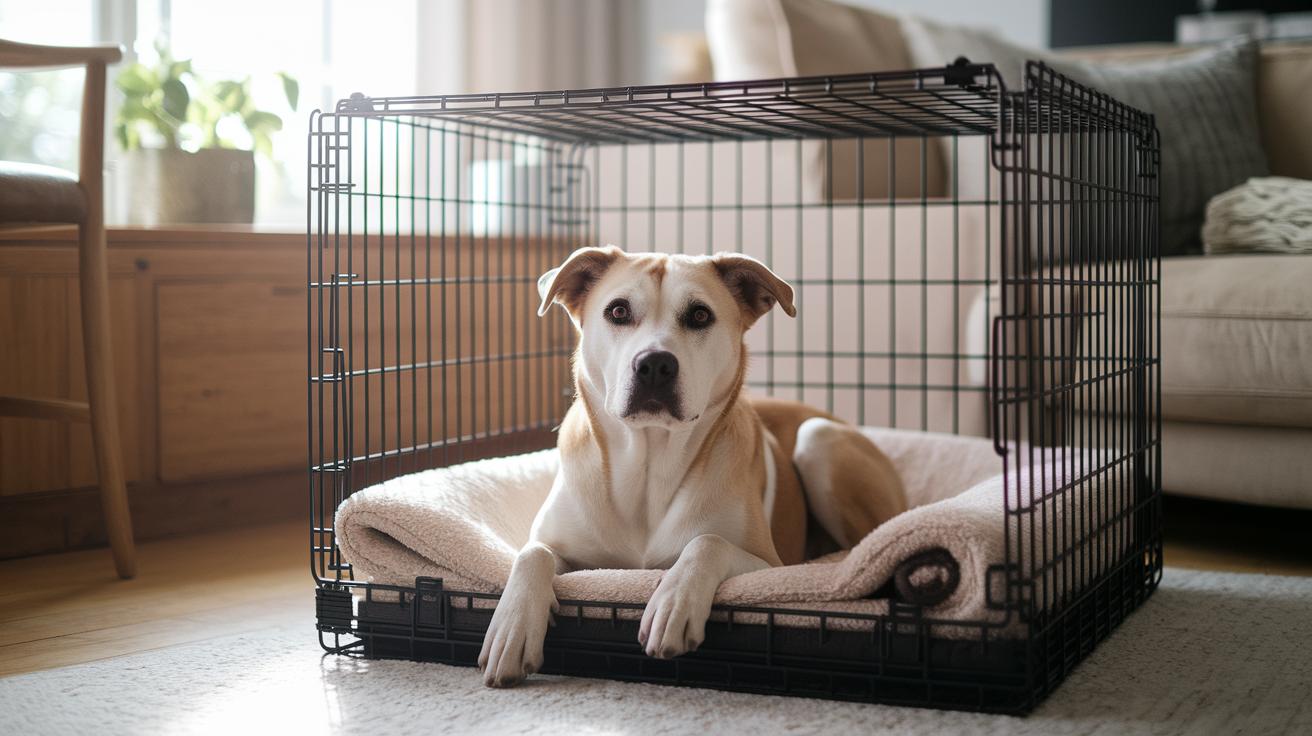
Check that your dog's crate is the proper size so your pet can stand up, turn around, and lie down with ease. The crate should feel like a personal hideaway, not a small jail cell. When your dog has room to move but still feels safe, they will see it as their own peaceful spot. Think of it like giving your pet a quiet guest room where they can relax without being overwhelmed by too much space.
Add a soft, washable blanket or bed to make the crate extra cozy. Place the crate in a quiet part of your home that is still close to family activity. This way, your dog does not feel left out. With these simple changes, the crate becomes a welcoming place instead of a time-out area. This method works well for both puppies and adult dogs who are getting used to a new space.
| Crate Type | Benefits | Considerations |
|---|---|---|
| Wire | Good air flow and clear view | May feel too open for some dogs |
| Plastic | Feels like a den and soothes anxiety | Less fresh air and can be harder to clean |
| Soft-sided | Light and easy to move | Not as strong or secure |
When you adjust your crate with the right size, comfortable bedding, and a good spot in your home, your dog will feel much safer. These tips help turn the crate into a calm, inviting haven where your pet can relax and be at ease.
Gentle Crate Acclimation: Dog Crate Training Tips for Newcomers

Start by keeping the crate door open and tossing a few treats inside. This simple trick invites your dog to explore whenever they feel ready. Watch for signs like pacing, lip licking, or a tucked tail. If you see any of these, take a break and slow your progress. Sometimes a scattered treat turns a crate into a fun, welcoming spot rather than a closed-off space. Sit near the crate so your dog feels safe, and always reward any self-initiated visit with a small treat and a quick word of praise.
Make the crate a part of mealtime. Begin by placing your dog’s regular meal just inside the door and, over a few days, slowly move the food bowl further inside the crate. Follow simple steps: if your dog hesitates after three meals at a new bowl position, move it back to the previous spot for one more meal before moving it again. This gradual change helps make the crate a safe and inviting spot, especially for dogs who feel anxious.
Pick a word like "crate" or "kennel" and use it each time you guide your dog inside. If your dog shows worry when you use this cue, pause the session and try again later. If your dog still seems reluctant, shorten the sessions and offer extra treats for comfort. Keeping training sessions short and consistent builds a strong connection between the cue and a calm, relaxed behavior.
Structured Rest Routines in Dog Crate Training Tips

Start with short crate sessions. Begin by letting your dog spend just 5 to 10 minutes in the crate. If your dog settles down with a soft sigh or a relaxed stance, add another 5 to 10 minutes the next time.
Plan crate time during natural breaks. Try scheduling sessions between play or after a meal when your dog naturally seems ready to rest. Use a timer on your phone to monitor the time and see if your pet stays calm or starts to fidget.
Use a clear verbal cue along with a visual signal. Say "go to crate" while pointing to the crate’s spot. When your dog walks in calmly, offer a treat right away. This simple routine helps build a positive habit.
Keep a consistent schedule every day. Stick to set times in the morning, afternoon, and evening. Watch for cues like a relaxed muzzle or calm body posture to know your dog is comfortable. If your dog appears anxious or bored, adjust the timing a bit while keeping the overall routine steady.
Troubleshooting Dog Crate Training Tips for Common Issues

Crate training can sometimes be tricky, and your dog might whine or bark when the door closes. Wait until your pet settles down before offering a treat. This way, they learn that staying calm leads to rewards, turning a tense moment into a positive one.
If your dog hesitates to enter the crate or shows signs of anxiety when alone, go back to the early, positive steps. Try scattering high-value treats (yummy snacks your dog loves) around the crate and let your pet explore at their own pace. For dogs who get uneasy being by themselves, start with very short periods of separation and gradually increase the time. Patience and using treats to reward calm behavior go a long way.
Sometimes even with steady progress, there can be setbacks. If that happens, cut back the crate time by half and rebuild the positive feelings slowly. Using simple, calm signals and treats can help ease your dog's anxiety and make the crate feel like a safe space.
| Issue | Tip |
|---|---|
| Whining/Barking at Door Closure | Wait until your dog is quiet before offering a reward. |
| Refusal to Enter | Return to basic steps and scatter enticing treats around the crate. |
| Separation Anxiety | Start with very short separations and include safe, interactive toys. |
| Setbacks | Reduce crate time by 50% and gradually build positive associations again. |
| Excessive Stress | Offer a calming toy or extra praise to help your dog relax. |
Night Routines with Dog Crate Training Tips

Keep your dog's crate in your bedroom each night so your pet feels close and safe. This simple placement helps your furry friend relax and lowers anxiety while building trust in a familiar environment.
Begin your nighttime routine with one final potty break and some gentle play. Avoid games that might get your dog too excited. As bedtime nears, dim the lights to send a clear signal that it's time to settle down. A quiet cuddle or soft petting can help ease your pup into sleep.
Make the crate extra cozy by adding soft bedding your dog loves. You might even add a white-noise machine (which produces soothing sounds) or a favorite plush toy to help block out any distracting noises. These little touches transform the crate into a warm nest rather than just a place of confinement.
If you plan to move the crate from your bedroom, do so slowly over several weeks. Only shift its location once your dog reliably sleeps through the night in its current spot. Gradual changes help your pet adjust without breaking the calming nighttime routine.
Enhancing Dog Crate Training Tips with Positive Reinforcement

Give your dog both quick treats and longer-lasting goodies to make crate time a happy place. For example, when your dog calmly steps inside the crate, offer a small bite right away. Later, you can give a simple marrow bone that lasts a while. This mix of rewards shows your dog that good behavior brings both an immediate treat and something more lasting.
Keep your dog busy in the crate with safe toys or puzzle feeders that work on their own. A good tip is to add clicker training. When your dog stays calm, click to mark the behavior, then offer a treat along with kind words like "Good job!" This helps your dog learn that quiet time in the crate is a win.
As your dog becomes more comfortable, slowly reduce the treats. Instead, use friendly praise or a short play session to reward good behavior. Over time, your dog will learn that staying calm in the crate is rewarding by itself. This gradual change builds trust and makes the crate a cozy, safe spot.
Evaluating Crate-Free Options vs Dog Crate Training Tips

Crate training gives your dog a safe and cozy spot, much like its own den, where it can relax. Other choices, such as pet gates, playpens, or puppy pens, let your dog roam in a larger area. These options provide more freedom but can also expose your pet to things it might chew or get hurt by. Many pet parents like the idea of a gate because it lets their dog see more of its surroundings, even though it might not keep the pet as secure as a crate.
When choosing the right option for your dog, consider its age and habits. A young dog or one that loves to chew might be safer in a crate since it prevents access to dangerous items. On the other hand, an older or well-behaved dog might enjoy the extra space of a playpen or gate. Also think about your home’s layout and any risks around the house.
A mix of both methods can work well too. Use a crate for quiet times or when your dog needs to rest alone. Then, when you’re around, let the dog explore a larger area with a pet gate. This approach keeps your pet safe while also giving it room to move and play.
Final Words
In the action, this post broke down dog crate training tips into simple, step-by-step methods that emphasize positive routines and create a cozy space. It covered introducing the crate with treats and praise. It offered advice on timing, comfort items, and safe placement to reduce stress. Troubleshooting tips provided quick fixes for common issues. Enjoy the process and have fun watching your pet grow more confident with their new, secure space.
FAQ
Dog crate training tips reddit
Dog crate training tips from Reddit offer ideas shared by pet owners. They often recommend gradual introductions, positive rewards, and using a crate as a safe retreat to help reduce anxiety.
Dog crate training tips at night
Dog crate training tips at night focus on creating a calm bedtime routine. These include placing the crate in your bedroom, using soft bedding, and a brief pre-bed exercise or potty break for a smooth night.
Dog crate training tips pdf
Dog crate training tips in PDF format usually compile step-by-step guides, key routines, and visual aids. They offer structured advice that owners can print and refer to while training their pet.
Puppy crate training at night
Puppy crate training at night emphasizes a soothing routine. This advice suggests keeping the crate near you, using gentle reassurance, and ensuring a comfortable space with a familiar blanket for the puppy.
How to crate train an adult dog
Crate training an adult dog involves gradual steps just like with puppies. Start by letting the dog explore the crate with the door open, reward calm entries, and slowly increase the time inside with positive reinforcement.
Dog crate training tips first time
First time dog crate training tips suggest beginning with short, relaxed sessions. Allow your dog to explore the crate freely, use treats and praise, and avoid forcing your pet inside to foster positive associations.
How to crate train a puppy for potty training
Crate training a puppy for potty training means using the crate as a safe space and scheduling regular breaks. Feed meals inside, then take your puppy out promptly after, rewarding them for doing their business outside.
Why crate training is bad
The view that crate training is bad usually stems from misuse. Proper crate training is not a punishment; it creates a safe, den-like space. Negative outcomes typically come from keeping a dog crated too long or using the crate harshly.
What is the 7 7 7 rule for dogs?
The 7 7 7 rule for dogs is an informal guideline suggesting that you start with 7-minute sessions, continue consistently for about 7 days, and then gradually extend the crate time, always adjusting based on your dog’s comfort.
What is the 2 1 rule for crate training?
The 2 1 rule for crate training is a guideline that encourages balancing crate time with out-of-crate time. It means your dog should spend more time playing or relaxing outside the crate to avoid stress and ensure plenty of freedom.
What should you not do when crate training?
When crate training, you should not use the crate as a form of punishment or force your dog in. Avoid keeping your pet crated for too long or isolating them in uncomfortable settings, as these actions can create fear.
What is the 10 10 10 rule for dogs?
The 10 10 10 rule for dogs is an informal tip sometimes mentioned in training circles. It generally refers to starting with 10-minute sessions, maintaining consistency over about 10 days, and gradually extending crate time while monitoring your dog’s comfort.