

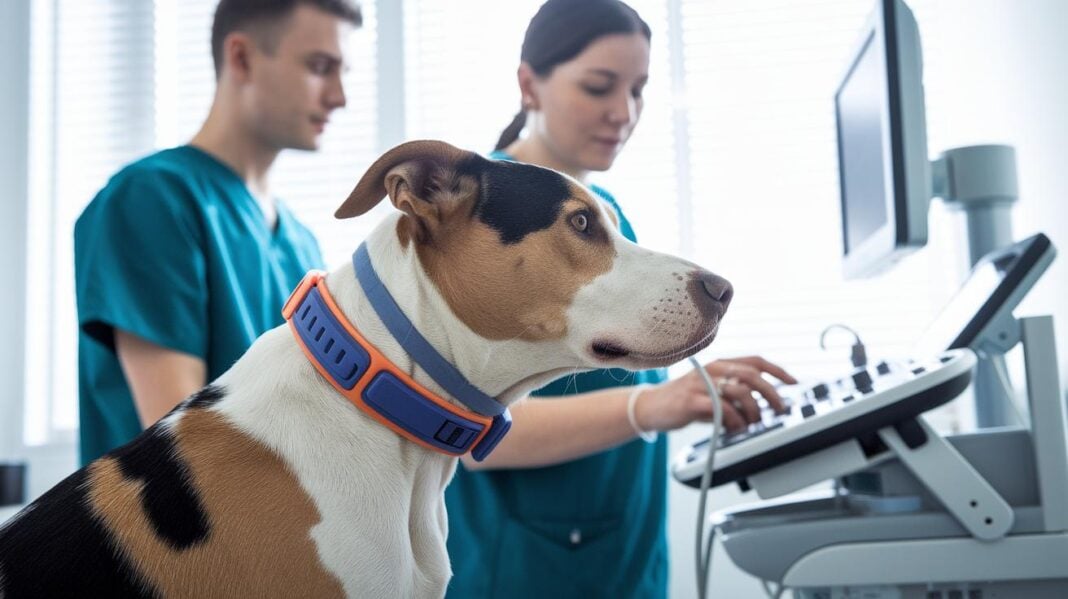

Is your dog's constant goose honk cough keeping you awake? It might be more than just an annoying sound. Many small breeds have trouble because a weak windpipe (the tube that helps them breathe) makes every breath hard. But there is hope. Treatments like the right medicine or small procedures can help your dog breathe easier and feel more like normal. In this post, we share simple tips to improve your pet's life and give you peace of mind.
Comprehensive Overview of Collapsed Trachea in Dogs Treatment
Collapsed trachea mostly affects small and toy breeds like Yorkshire Terriers, Pomeranians, Chihuahuas, and Toy Poodles. It usually shows up in middle-aged to older dogs when the supportive rings in their windpipe weaken. This causes the airway to get narrow, making it hard for them to breathe. A common sign is a "goose honk" cough that gets worse when your dog is excited, active, or even drinking water.
One way to help is with medications. Your vet might prescribe bronchodilators (medicines that open up the airway), cough suppressants to ease the harsh coughs, and corticosteroids to lower swelling. Sometimes sedatives are also used if bursts of excitement trigger heavy coughing.
If medicines don’t work well enough, surgery could be the next step. In these cases, your vet might use plastic rings or a small tube called a stent to keep the windpipe open. This option is usually for dogs with ongoing, serious trouble breathing.
Another helpful approach is to adjust your dog’s daily routine at home. Switching from a collar to a harness reduces pressure on the trachea. Keeping your pet in a calm environment and watching their weight can also ease the breathing problems. These simple changes can really improve your dog’s comfort and overall quality of life.
Collapsed trachea in dogs treatment Brings Hope
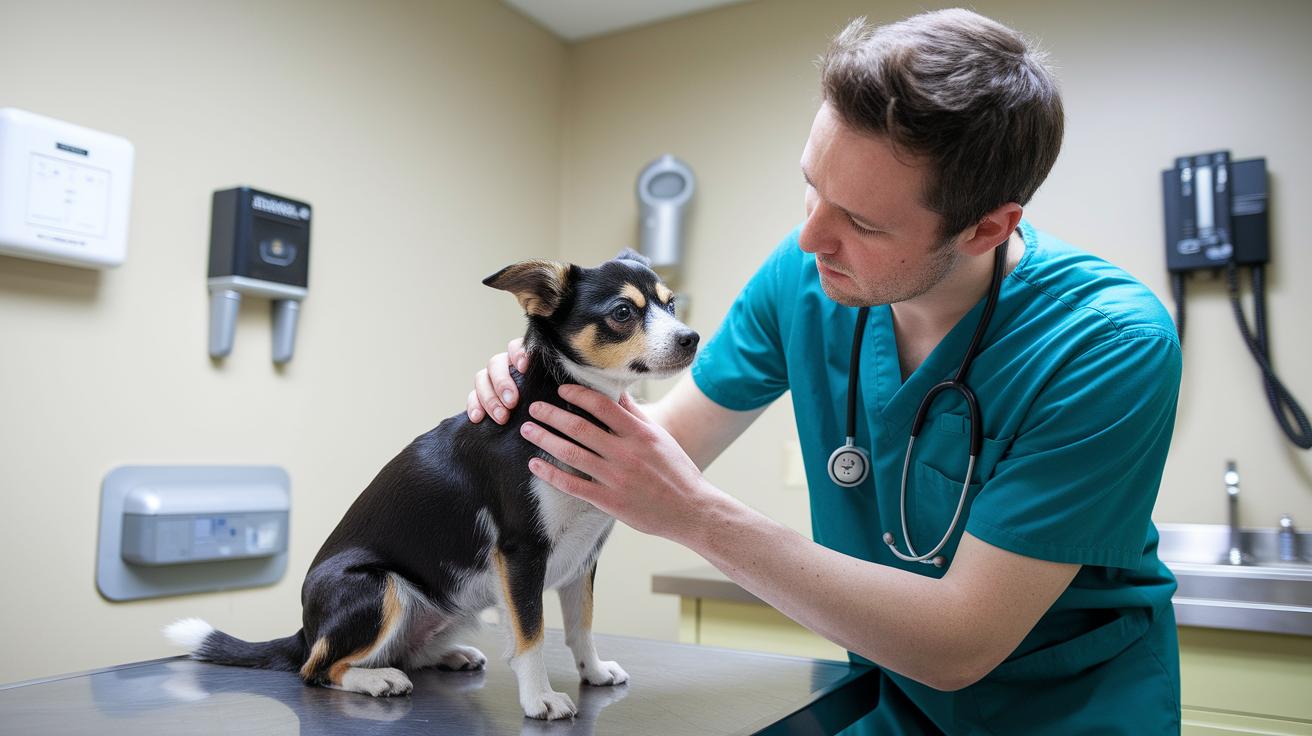
If your dog has a honking cough that just won't go away, your vet will get started with a hands-on exam. They might gently press along your dog's windpipe (trachea) to see if it triggers a cough. This simple test can point to a collapsed windpipe.
Next, the vet takes chest X-rays. These pictures help rule out heart or lung problems and show if the rings in your dog's windpipe are flattened. Imagine the X-ray like a snapshot that reveals soft spots in the windpipe, sort of like a crumpled paper tube.
After that, the vet might use fluoroscopy or a procedure called tracheoscopy. These tests create real-time images of your dog's breathing to show how the windpipe changes with every breath. Picture it like watching a slow-motion video of your dog's windpipe opening and closing.
Detecting the condition early with these tests helps your vet start treatment quickly without needing surgery and plan the best care to keep your dog comfortable.
Pharmaceutical Approaches to Treat Collapsed Trachea in Dogs
Medications can help make breathing easier for dogs with a collapsed trachea. Bronchodilators such as theophylline, terbutaline, and albuterol work by widening the airways so your dog can breathe better. They can be given as a pill or by using an inhaler with a spacer device. Think of it like opening a window when the room feels stuffy.
Cough suppressants like liquid butorphanol or hydrocodone help calm a harsh, honking cough. This treatment reduces the strain on your dog's windpipe and brings comfort during coughing episodes. Imagine a gentle breeze on a warm day bringing a feeling of calm.
Anti-inflammatory corticosteroids are also used. Prednisone is usually given through the whole body, while fluticasone is used as an inhaler because it works with lower doses and causes fewer side effects. These medicines help lower the swelling that can make breathing even harder.
For some dogs, sedatives like acepromazine or extra doses of butorphanol may be used to ease stress or excitement that triggers symptoms. This approach helps provide relief while keeping an eye on possible side effects. Always talk with your vet to make sure you choose the best treatment plan for your furry friend.
Collapsed trachea in dogs treatment Brings Hope
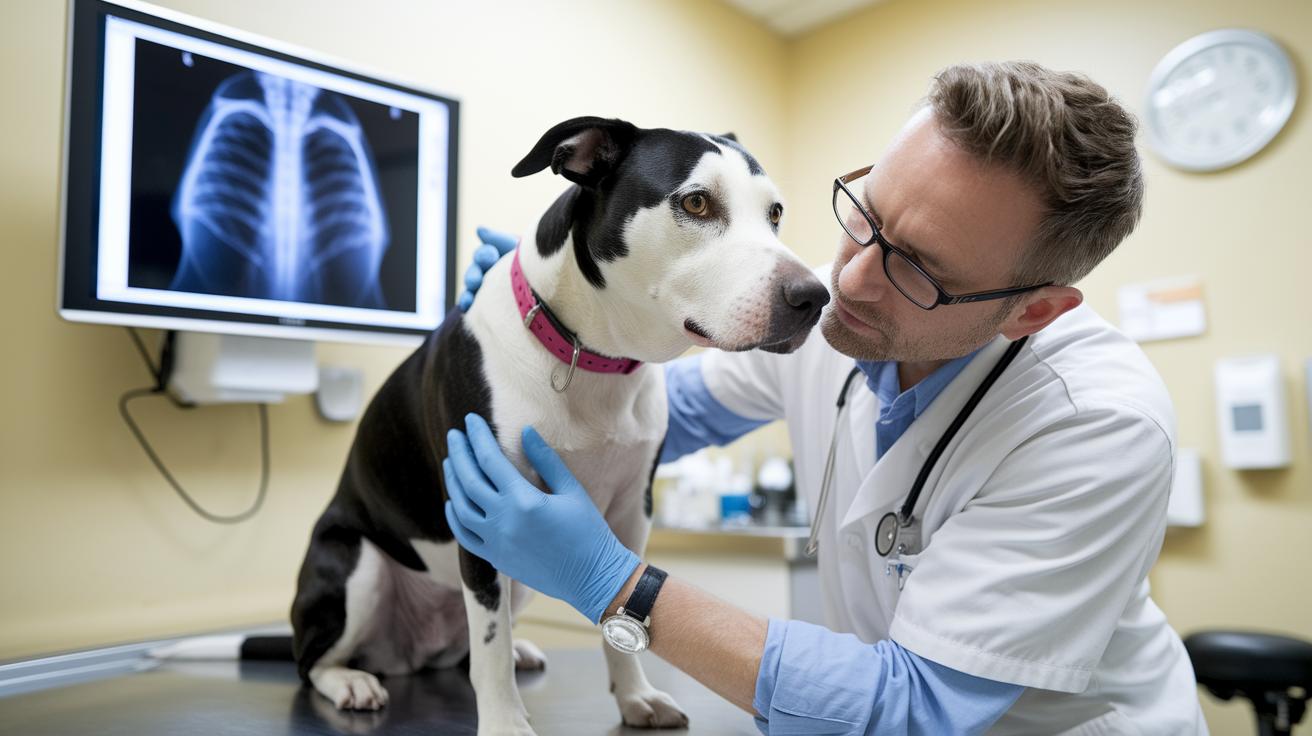
When a dog’s breathing stays difficult despite medicine, surgery may be the next best step. Your vet might suggest a special operation when a dog’s windpipe (trachea) continues to collapse even after trying drugs.
There are two main surgical options available. The first method uses plastic rings sewn around the airway’s cartilage to keep the windpipe open. This is usually used when the collapse is not too advanced. The second option uses a mesh stent placed inside the trachea to support it from within. This method helps in more severe cases.
- About 70-80% of dogs show better breathing after these procedures.
- Some risks include the stent shifting or an infection after the surgery.
- You may need to see a veterinary specialist experienced in airway procedures.
- After surgery, careful check-ups are important to catch any problems early and ensure a smooth recovery.
This surgery can give hope and improve quality of life for dogs with long-term tracheal collapse. Always talk with your veterinarian to choose the best treatment plan for your pet.
Home and Supportive Care for Dogs with Collapsed Trachea
Adjust your dog's daily routine to help ease breathing difficulties. Instead of using a collar, try a no-pull harness. It puts less pressure on the windpipe, almost like swapping a tight bandage for one that fits just right. Make sure your indoor area stays calm and cool. Remove smoke, strong scents, and cleaning product fumes that might trigger coughing.
Keeping your dog at a healthy weight can also relieve stress on the airway. Even a small weight loss, around 10%, can make a difference. Raising food and water bowls helps your dog eat and drink in a more upright position. A raised pet bed or moving resting spots can also improve airflow.
Here’s a handy checklist:
- Switch to a no-pull harness.
- Eliminate irritants like smoke and strong scents.
- Maintain a calm and cool indoor environment.
- Monitor your dog’s weight; even a little loss helps.
- Raise food and water bowls for a semi-upright feeding position.
- Use a raised pet bed or adjust resting spots to boost airflow.
These changes can work alongside any medical or surgical treatments advised by your vet to make everyday life more comfortable for your pet.
Alternative and Complementary Therapies for Canine Airway Collapse
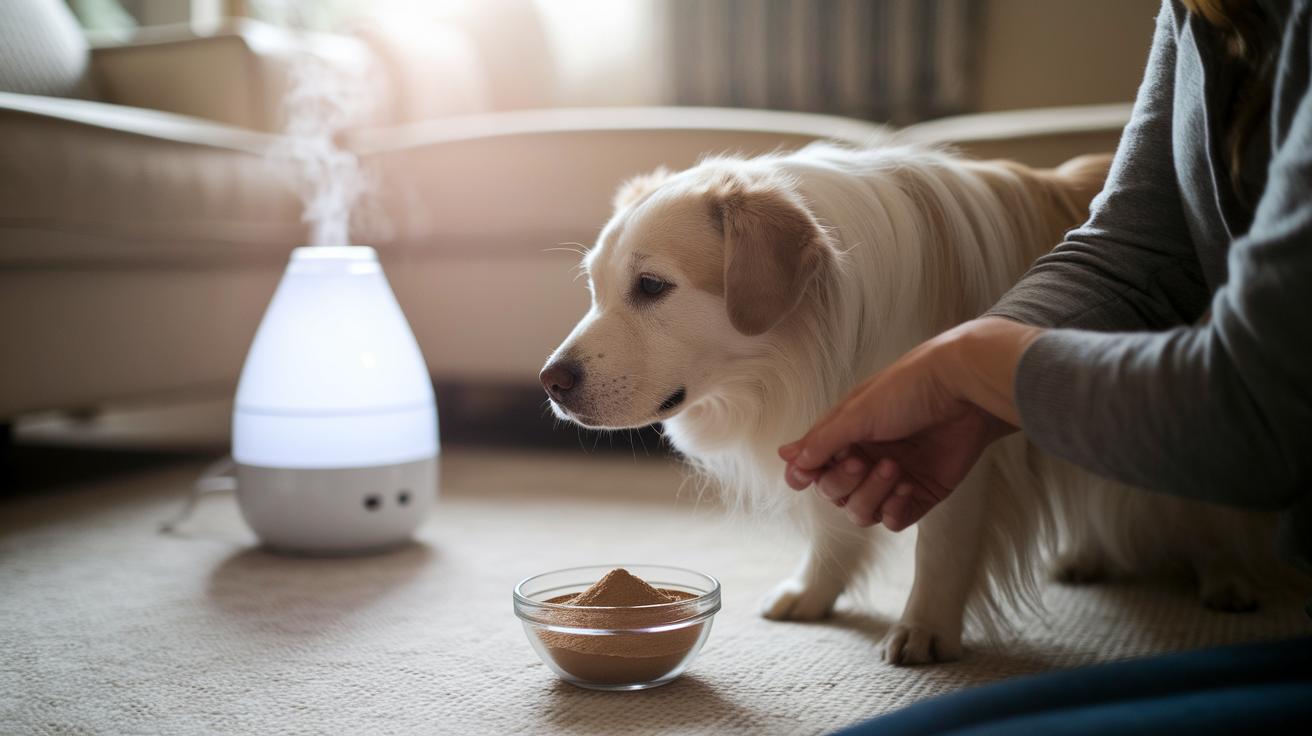
Sometimes caring for your dog's trachea issues means using natural remedies. Many pet parents choose herbal supports like slippery elm bark (a natural plant extract that soothes the throat) to calm irritation during breathing episodes. Although there isn't a lot of scientific proof yet, some owners say these gentle herbs help ease discomfort. Think of it as adding a little pinch of a calming spice to a recipe, a small amount might help reduce symptoms. Always chat with your veterinarian before trying any new supplement.
Another helpful option is using humidified air or steam therapy. This method keeps the airway moist, which can lessen coughing. Some pet owners even use a lavender diffuser for aromatherapy to help calm their dog's trigger for coughing. Combining these natural approaches with standard treatments is known as integrative medicine. Always use alternative therapies as part of a veterinarian-approved plan so there are no harmful interactions. These extra steps might offer added relief for your dog's breathing while they continue core treatment for tracheal collapse.
Emergency Management for Acute Tracheal Collapse in Dogs
Keep a close eye on your dog for sudden, serious signs. If you notice hard breathing that seems to involve his belly muscles, a pushed-out neck, blue-tinged gums or tongue, or even if he faints, act right away.
- Stay calm. When you keep your cool, it helps your dog feel a little more at ease.
- Gently hold your dog using a soft harness. Skip the collar since it might put extra pressure on his throat.
- Help your dog get into a semi-upright position. This small tilt can make breathing a bit easier.
- If he starts coughing hard, hold off on food and water. Once the coughing slows down, offer tiny sips to avoid triggering another bout.
- Call your veterinarian or rush to the nearest emergency clinic immediately. Clearly explain what you've seen, like labored breathing, an extended neck, blue gums, or fainting.
While you head to the vet, keep your dog in that semi-upright position and try to keep the surroundings calm. Acting quickly can help keep him stable until professional help takes over.
Long-Term Monitoring and Prognosis of Canine Tracheal Collapse
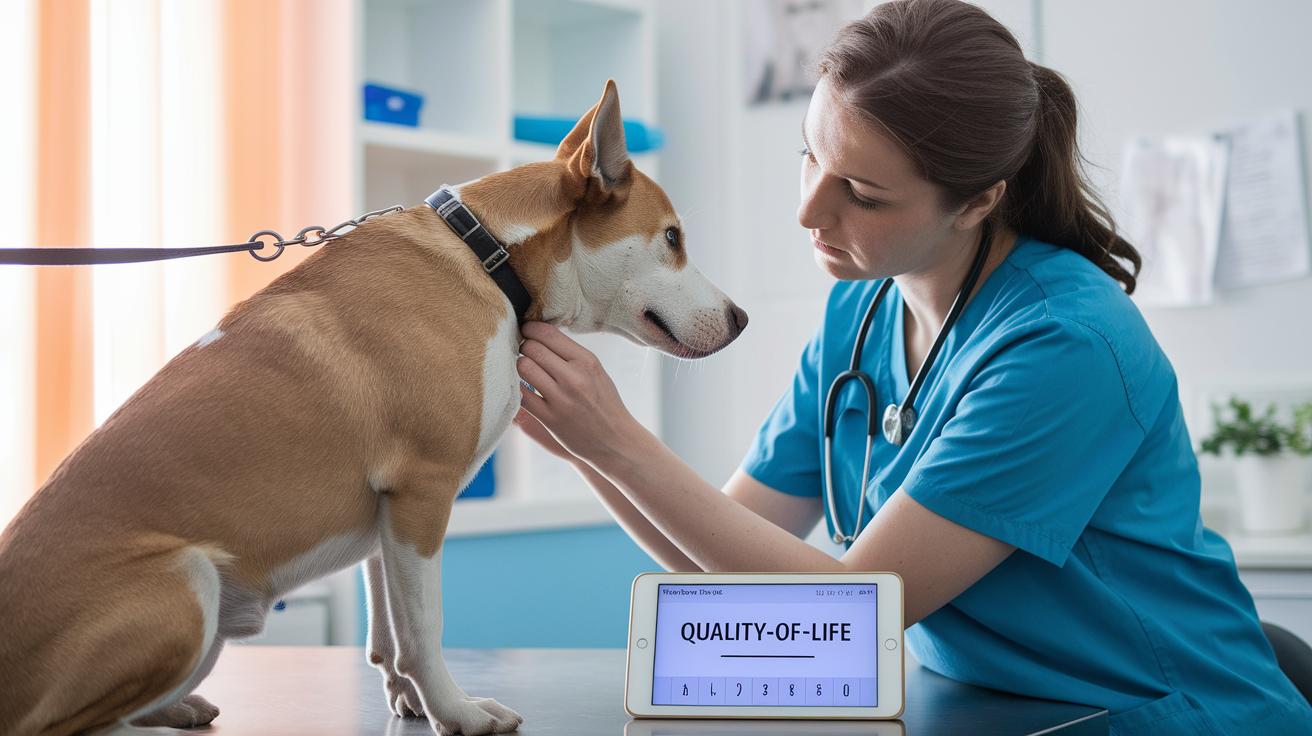
Keeping an eye on your dog's condition is key when they have tracheal collapse. It’s best to see your vet every 3 to 6 months so they can adjust medications, spot side effects early, and update the treatment plan as needed. Vets often use a quality-of-life scale to check how comfortable and active your pet is each day.
How long your dog lives depends on how serious their collapse is. Dogs with mild signs might enjoy nearly normal lives, but those with advanced collapse may only live about 1 to 2 years after diagnosis. Knowing this helps you plan their long-term care and set realistic expectations. Keeping a close record of your dog’s symptoms means you can talk with your vet about options that focus on comfort.
For dogs at later stages, treatments like oxygen therapy and light sedation can help ease discomfort when standard treatments no longer provide much relief. Regular check-ups ensure that care is updated to match your dog’s changing needs, and these visits can give you peace of mind as you watch over your furry friend.
Final Words
In the action, you now understand that managing collapsed trachea in dogs treatment means tackling the problem on several fronts. We reviewed key symptoms, early detection methods, and treatments from medications to surgical options and at-home care. Each step, from easing stress during an episode to adjusting daily routines, builds a clearer picture for keeping your pet safe. Small daily actions can make a big difference in your dog’s comfort and overall health. Keep moving forward with confidence and care.
FAQ
How can I treat my dog’s collapsed trachea at home?
Home treatment includes switching to a no-pull harness, keeping your dog at a healthy weight, reducing exposure to smoke and strong scents, and maintaining a calm indoor environment. Always check with your vet.
What are the stages of tracheal collapse in dogs, and what are the four stages?
The condition is typically described in four stages: mild, moderate, severe, and very severe. Each stage reflects increasing cough frequency and breathing difficulty, guiding treatment choices.
How much does treating a collapsed trachea in dogs cost?
Costs range widely. Simple home care and medications may total a few hundred dollars, while surgery can cost several thousand dollars depending on the treatment plan.
Is tracheal collapse in dogs fatal, especially after losing a pet?
Tracheal collapse can be life-threatening, particularly in advanced stages. Many dogs manage well with treatment, but severe cases may be fatal if complications arise.
Where can I find treatment for a collapsed trachea in dogs near me?
Look for a board-certified veterinary hospital or ask your regular vet for a referral to a specialist in canine respiratory issues for proper diagnosis and treatment.
What is the best sleeping position for a dog with a collapsed trachea?
A semi-upright position that keeps the head elevated can help ease breathing. This position may reduce coughing and discomfort during sleep.
How should I carry a dog with tracheal collapse safely?
Support your dog’s chest and hindquarters while avoiding pressure on the neck. Carefully lift with both hands to prevent additional strain on the airway.
Can a dog with a collapsed trachea be in pain?
Yes, a dog with a collapsed trachea may show signs of discomfort such as persistent coughing and restlessness. Consult your vet to discuss pain management options.
How long can a dog survive with a collapsed trachea?
Life expectancy varies. Dogs with mild collapse can live many years with proper care, while severe cases may shorten survival. Regular vet visits help manage the condition.