

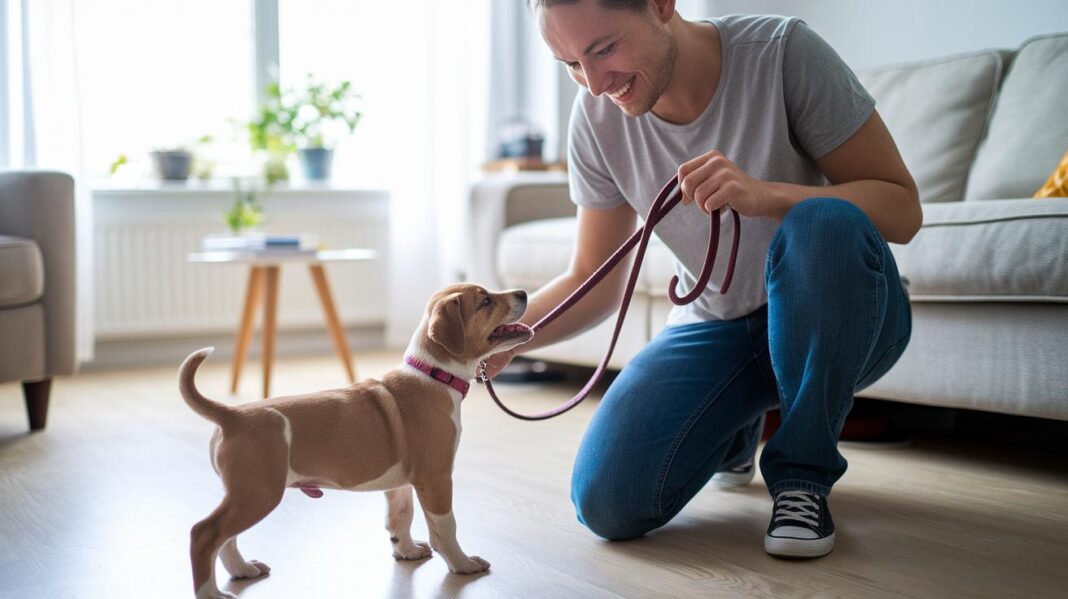

Ever think your puppy is too wild to train? Think again. Clear rules and a steady routine work wonders. Try quick daily sessions using simple commands. Digital lessons will show you how to avoid common mistakes while building a strong bond with your pup. With short training sessions and a bit of online help, you can turn everyday moments into fun lessons. This approach sets your puppy up for a lifetime of good habits.
Foundations of Effective Puppy Training
Sticking to clear rules and consistent cues is key when training your puppy. Daily 5-10 minute sessions help your pup learn at a steady pace. Use simple, repeated commands so your puppy knows exactly what to do.
Digital resources can make home training easier. With free lessons and over 170 exclusive videos showing basic commands like DOWN before SIT, you can learn the best methods and avoid common mistakes. Live chat support and the ability to take personal notes let you get quick answers and keep track of progress.
- Use clear, consistent words for every command.
- Keep training sessions to 5–10 minutes to hold your pup’s focus.
- Reward with treats or praise right after a correct response.
- Practice several times a day in your home.
- Slowly add small distractions once your pup masters each step.
These simple steps build a strong foundation for training. By combining daily repetition with useful digital tools, you correct unwanted behaviors and prepare your pup for more advanced commands. This approach helps you both enjoy a clear, fun training routine that strengthens your bond.
Housebreaking Techniques for Puppy Training

Sticking to a regular schedule is very important when housebreaking your puppy. Easy routines, like indoor potty training and outdoor trips, help make the process smoother for you and your pet. Many new pet owners even start with a free consult to create a daily plan that fits their puppy's age and breed.
A simple 30-day puppy course gives you clear steps, including crate training tips, so you know exactly when to expect a potty break. With regular check-ins and extra support, you can change the plan if accidents happen or if your puppy needs a bit more time.
| Time Slot | Activity | Location |
|---|---|---|
| Morning | First wake-up potty break | Backyard |
| Midday | Midday outing | Backyard or neighborhood |
| Afternoon | Play session followed by potty | Backyard |
| Evening | Dinner and potty break | Backyard |
| Overnight | Last potty break before bed in crate | Crate |
Remember, each puppy learns at its own pace. Feel free to adjust the time slots and frequency as needed.
Crate and Kennel Acclimation in Puppy Training
Crate training is a great way to help your new puppy feel safe and learn good habits at home. A crate works like a little den where your pup can relax. When they know this is a secure spot, they tend to chew less on furniture and other items. Plus, a crate helps with housebreaking and sets clear limits during training sessions. The training videos show you step-by-step how to set up the crate so it feels welcoming instead of scary. Trainers remind pet parents that using the crate for short, controlled periods builds trust and can even reduce separation anxiety. Many owners find that a well-used crate makes leaving the puppy alone a bit easier and fits well into everyday life.
Step-by-Step Kennel Acclimation:
- Start with short sessions. Leave the crate door open during mealtime so your puppy starts to see the area as a fun part of the day.
- Move to brief periods with the door closed. Add soft bedding to make the space even more comforting.
- Gradually extend the time your puppy spends in the crate. Consider placing the crate in the main living area so your pet feels included in family activities.
Live chat support in the training videos lets you ask questions and sort out any issues as your puppy learns that the crate is their safe, friendly space.
Essential Puppy Training Commands and Obedience Drills
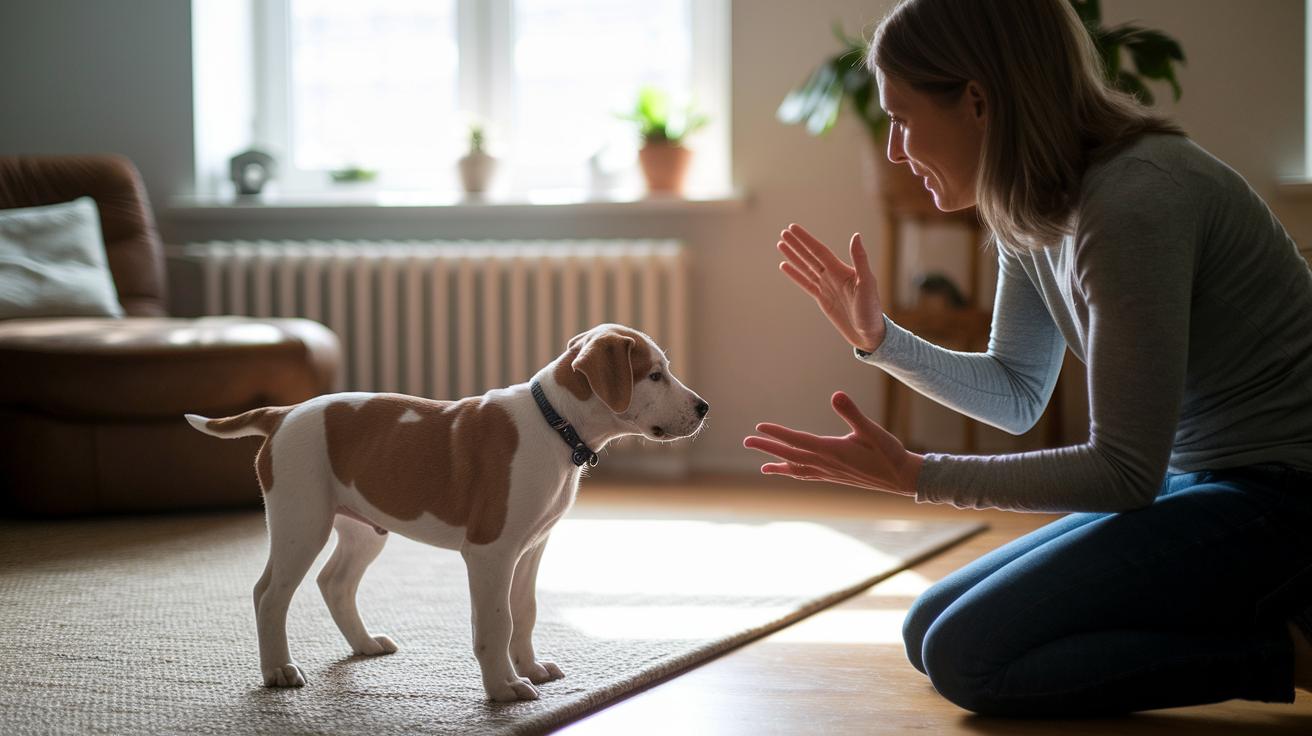
Teaching your puppy in small, clear steps makes learning fun and builds a strong bond. By starting with simple commands and moving to more advanced ones, your pup can better understand what you ask. For instance, training your puppy to lie down before sitting helps avoid bad habits. Remember how Ozzy had trouble with the COME command? That shows how important clear recall training is.
- COME – Use tasty treats and call your puppy from a close distance. As your pup gains confidence, slowly increase the distance. Think of it as a fun game where every return brings a tasty reward.
- STAY – Pair a simple word with a clear hand signal. Start in a quiet place and add little distractions as your puppy learns to wait. This builds focus and trust.
- DOWN – Lure your puppy into a lying-down position using a treat or favorite toy. Once your pup is comfortable, add the verbal command. This way, your puppy understands the posture first.
- SIT – After your puppy masters lying down, move on to sitting. Reward quickly so they connect the cue with the action.
- LEAVE IT – Begin with an item your pup isn’t too interested in. When your puppy looks away, offer praise and a treat. Gradually use more tempting distractions as your pup learns to ignore them.
Short practice sessions throughout the day help your puppy stay engaged and build reliable obedience. Frequent, quick drills not only make training fun but also strengthen your bond with your furry friend.
Reward-Based and Positive Reinforcement Puppy Training Methods
Pick rewards that match your puppy's one-of-a-kind personality. For example, a playful pup might love a quick game of fetch when they stay calm during grooming, not just a treat. If your puppy shows extra confidence with new people, try rewarding him with a short play session outside.
Check out video tutorials that explain reward steps clearly. There are more than 170 guides that show how to change rewards for different actions. One video, for instance, moves a puppy from getting treats to earning extra playtime during longer focus sessions.
Use interactive apps and community tools to fine-tune your reward system. You can make personal notes to track your puppy’s progress and spot little behavior changes that might need a reward tweak. Live chat with experts gives you quick advice when challenges pop up. Plus, community boards share real owner stories that can spark fresh ideas for your puppy’s training.
Socialization and Development in Puppy Training
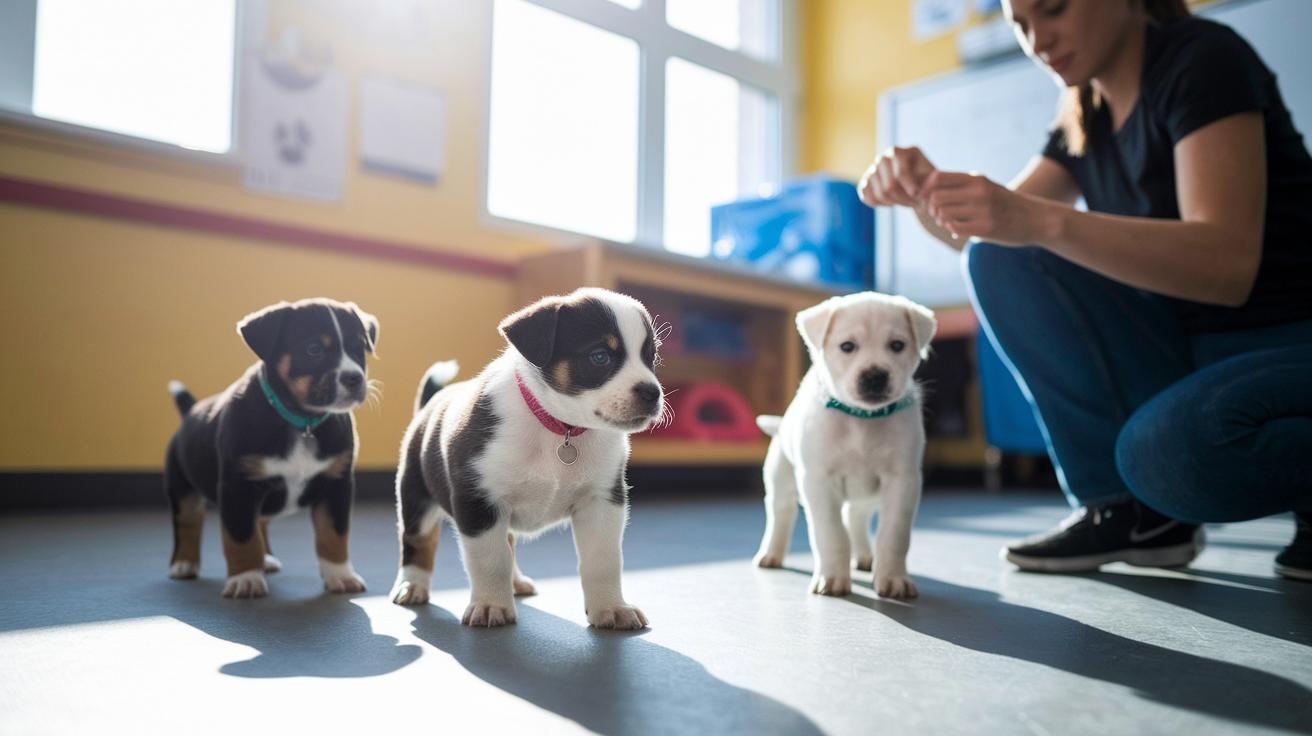
Getting your puppy into early socialization classes is very important. Starting classes at 8 to 12 weeks gives your pup a chance to see new sights, hear new sounds, and enjoy gentle handling. For example, programs like Flash Dog Training focus on early learning and behavior to help your puppy build positive habits early on.
Group play under a trainer’s watchful eye is key for teaching good dog manners. In these safe and controlled sessions, puppies learn how to interact with other dogs. Trainers lead fun play that teaches proper behavior while making sure every pup stays happy and engaged.
At home, you can ease your puppy into vet visits with friendly exposure. Let your pup get used to the exam table, weighing scales (to check weight), and even the sound of a stethoscope so it feels less nervous. Repeating these experiences helps make vet trips more comfortable.
Mental games are a great way to build your puppy’s confidence and focus. Try using puzzle toys, short training sessions, and different kinds of play that challenge your pup. These fun activities, along with treats and praise, help your dog become smart, alert, and well-rounded.
Troubleshooting Common Puppy Training Challenges
Training a puppy can be fun but sometimes a bit tricky. New pet parents often see behaviors like not following commands, jumping on visitors, or having accidents at home. You might also notice your puppy pulling on the leash or chewing on things too much. These are normal parts of your pet’s learning process, and with patience and the right tips, you can manage them one step at a time.
If your puppy starts biting or nipping during play, try offering a chew toy instead of your hand. This simple switch helps redirect their attention. Experts suggest using kind verbal reminders and gentle cues rather than strict punishments. For example, when your pup stops jumping up, give them a treat to show that good behavior gets rewarded.
Stick to a daily routine and consider joining trainer chats or online pet forums for extra support. Consistent practice and small, regular lessons build lasting good habits. Each challenge becomes a chance for you and your puppy to learn and grow together.
Final Words
In the action, this post covered clear cues, short daily sessions, and interactive video guides that help set the foundation of effective puppy training. It tackled housebreaking steps, crate acclimation, and essential obedience drills with simple tips you can use right away.
By following reward-based techniques and encouraging socialization, you build a strong bond with your best friend. Every step brings your pup closer to a well-behaved and happy companion. Enjoy the journey ahead!
FAQ
Where can I find puppy training near me?
The term “puppy training near me” points to local classes, vet sessions, and hands-on trainer services. Local pet directories and recommendations can help you find nearby options.
How is a puppy training schedule set by age?
A puppy training schedule by age gradually introduces basic commands in early weeks and increases challenge as your pup grows, building skills step by step.
What does puppy training at home involve?
Puppy training at home involves clear cues, short sessions, and using interactive tools like video tutorials to build good habits in a familiar setting.
What can I find on Puppy Training Reddit?
Puppy Training Reddit offers community tips, personal experiences, and practical advice from other pet parents. It’s a good place to learn from real-life training stories.
What do puppy training videos for beginners offer?
Puppy training videos for beginners give visual, step-by-step instructions on basic commands and techniques. They provide clear demonstrations and expert tips to kickstart your training.
How are essential puppy training commands taught?
Puppy training commands like sit, stay, come, down, and leave it are taught using consistent verbal cues and rewards that build a strong obedience foundation.
What digital resources support puppy training?
Digital resources such as PDF guides and puppy training apps offer structured plans, interactive tips, and progress tracking to supplement your hands-on training.
What is the first thing you should train a puppy on?
The first thing to train a puppy on is basic obedience—like name recognition and a simple sit command—to lay the groundwork for more advanced learning.
What are the 3-3-3, 7-7-7, and 10-10-10 rules for puppies?
The rules describe fixed durations and frequencies for training sessions. The 3-3-3 suggests short three-minute segments, while the 7-7-7 and 10-10-10 rules adjust session length as your puppy grows.
What do puppy training boarding and camp programs offer?
Puppy training boarding and camp programs provide immersive, supervised training environments that combine care with professional instruction for intensive learning.
How does puppy training online work?
Puppy training online delivers digital courses and live expert sessions, giving you flexible access to lessons and interactive guidance that fits into your daily routine.
What are some puppy training tips for 8- and 10-week-old puppies?
Puppy training tips for 8- and 10-week-old pups emphasize short, consistent sessions with gradual introduction of basic commands as your puppy’s attention span and skills improve.