

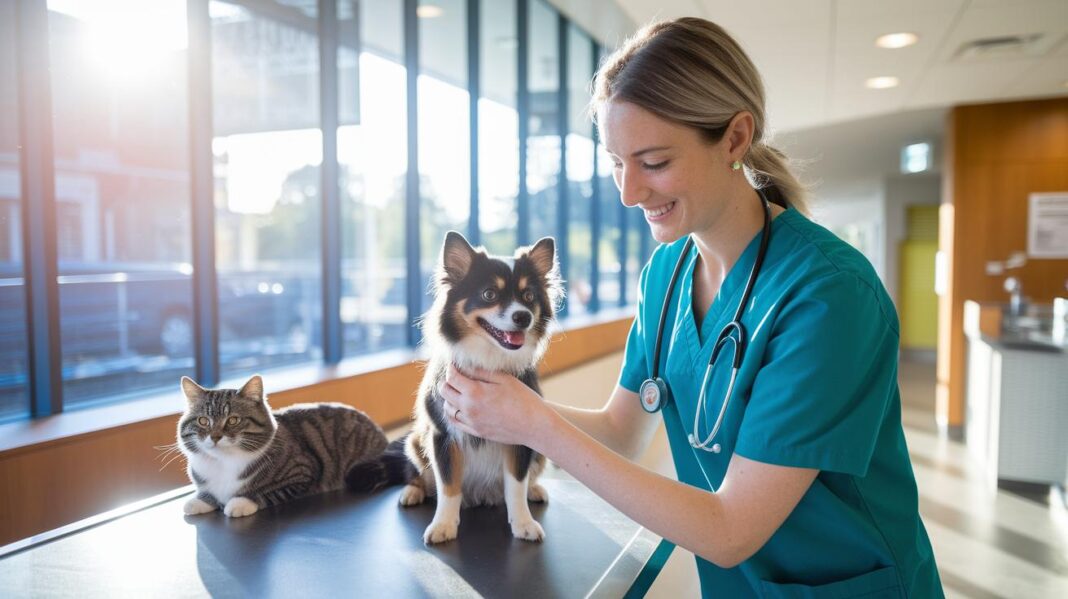

Ever wonder if your pet is really in shape? A wellness exam at the vet isn’t just a routine visit. It’s a chance to spot hidden problems before they become serious. Your pet gets a careful check from head to toe, eyes, ears, heart, belly, and all around. This simple check can catch early signs of issues like heart or kidney troubles. In short, a wellness exam can help pave the way for a happier, healthier life for your furry friend.
Quick Pet Check-Up Summary: What to Expect and Why It Matters
A pet wellness exam is like your pet's yearly health check-up. The vet carefully looks over your pet from head to toe. They check the eyes, ears, heart, lungs, and tummy to catch any problems early. During the visit, the vet might also talk about what your pet eats and how active they are.
These yearly exams often help spot issues like heart or kidney problems and diabetes before they become serious. By finding problems early, your vet can start treatment right away. The exam also helps decide on key care steps such as vaccines, parasite control (like flea and tick prevention), and the best food choices for your pet.
- Complete physical check from nose to tail (including eyes, ears, heart, lungs, and abdomen)
- Basic lab tests such as blood work, urine tests, and stool screenings
- Updates on vaccines, parasite prevention, and diet advice
Inside a Pet Wellness Exam: Process and Components Checklist

Your pet’s wellness exam starts with a friendly chat about their daily habits and a look back at their past health records. The vet will ask about your pet’s behavior, diet, and any changes you might have noticed at home. This conversation helps set up a careful, complete check-up meant to catch issues before they become serious.
Next, your pet is gently examined from head to tail. The vet looks at the eyes, ears, nose, and mouth, then checks the skin, coat, and nails. They also listen to the heart, check the lungs, and feel the tummy. While your pet moves, the vet watches the joints and may gently feel areas with their hands to look for pain or unusual bumps.
If needed, the vet performs tests such as blood work, a urine check, or a fecal (stool) screening to find problems that aren’t obvious during the exam. Depending on your pet’s age or any risks, the vet might suggest an x-ray (a picture of the inside) to see more clearly.
Throughout the exam, the vet makes time to answer your questions and explain each finding. Every step, from reviewing your pet’s history to running screening tests, helps build a full picture of your pet's health. This careful process can spot early signs of issues like dental problems, arthritis, or other organ concerns. It also guides the vet in planning preventive care to keep your pet healthy, happy, and active.
- Health history and lifestyle review
- Comprehensive nose-to-tail physical exam
- Blood panels, urinalysis, and fecal screening
- Vaccine updates and parasite control
- Nutritional and body condition assessment
- Dental examination and cleaning recommendations
- Senior-specific screenings (thyroid, joint, organ function)
Importance of Preventive Care in Pet Wellness Exams
Taking your pet for regular check-ups helps find small problems before they turn into big, expensive issues. During an exam, even minor changes in weight or behavior can signal a problem that needs quick attention. Treating issues early, like dental problems, can save you from costly treatments down the road. A typical visit covers vaccine updates, checks for parasites (like fleas, ticks, and heartworm, a parasite spread by mosquitoes that harms a pet’s heart and lungs), and reviews nutrition. Keeping all these steps in one visit makes pet care simpler and can help cut costs over time.
Frequency and Scheduling Tips for Pet Wellness Exams
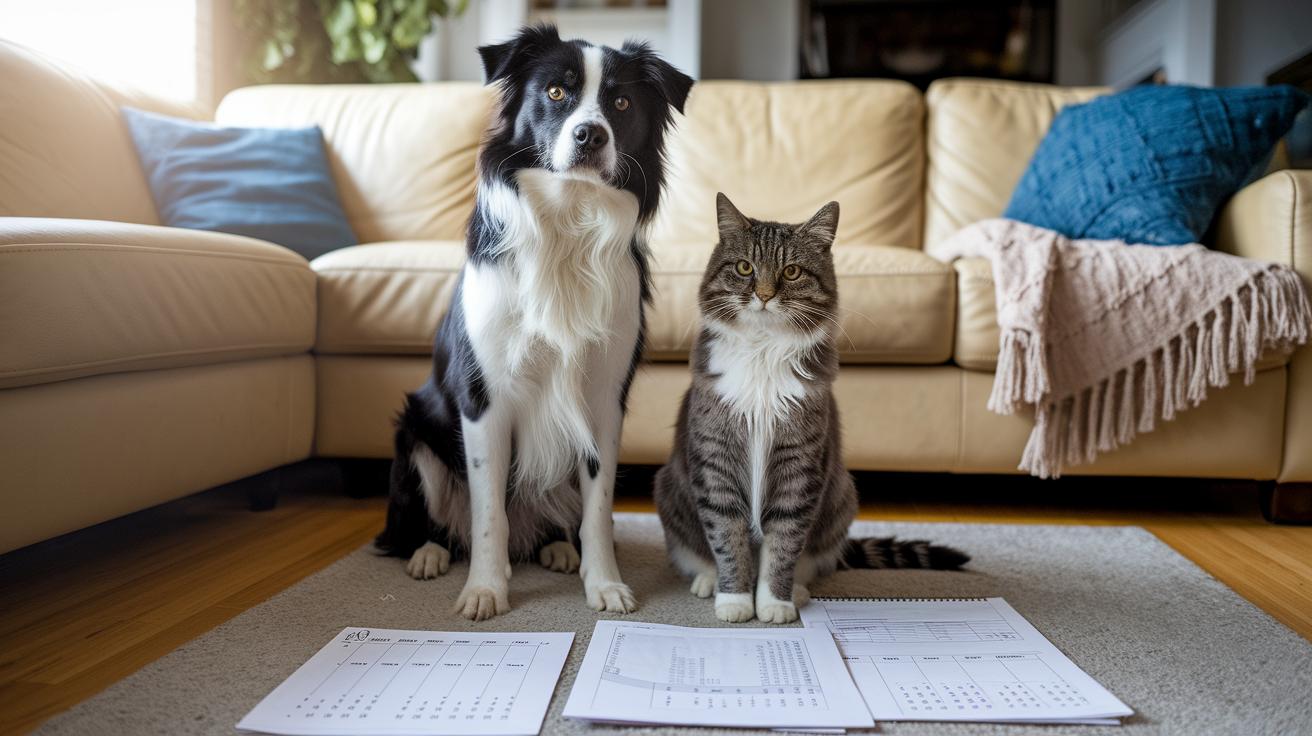
Adult dogs and cats usually need a vet exam once a year, while puppies, kittens, and older pets do best with check-ups every six months. These visits help catch small changes in weight, behavior, or overall health before they turn into bigger problems. When you plan a visit, think about your pet's breed, age, and health history to figure out the right frequency. Keeping a regular schedule not only makes routine care easier but also helps your vet spot minor issues early.
Using a digital calendar or a written log can really simplify your scheduling. Write down details from each visit, from treatments to any changes in behavior, to keep a clear health history. Booking appointments by phone or online ensures you won't miss a check-up. Regular reminders and a well-kept record help keep things on track, leading to a healthier and happier life for your pet.
Cost Considerations for Pet Wellness Exams
When you plan a pet wellness exam, it helps to know what you might pay. A basic exam usually runs between $50 and $100. This fee covers a quick physical check-up and a short talk with your vet. You might see extra costs if additional tests, like blood work (which checks your pet’s organs and cells) or stool tests (which screen for parasites), are needed. Also, your appointment might include vaccines, parasite checks, or even dental cleaning if required. Knowing these costs upfront lets you budget well and keep your pet in good health.
Think of a wellness exam as an investment in your pet's long-term health. A careful check-up not only reviews your pet’s current state but also helps find early signs of problems like heart or kidney issues. Catching an issue early often means treatment can start sooner, which might even reduce costs later by avoiding emergency care. Whether it's updating vaccines or making sure your pet is free from parasites, each step helps keep your friend active and happy.
| Service | Typical Cost | Notes |
|---|---|---|
| Basic Exam | $50–$100 | Check-up and consult |
| Blood Tests | $80–$200 | Checks organs and cells |
| Fecal Check | $25–$50 | Looks for parasites |
| Vaccinations | $20–$50 each | Rabies, distemper, etc. |
| Parasite Check | $30–$60 | Screen for heartworm, ticks, fleas |
| Dental Cleaning | $300–$700 | Teeth cleaning and extractions |
Special Pet Wellness Exam Considerations for Puppies, Kittens, and Senior Pets
Puppies and Kittens
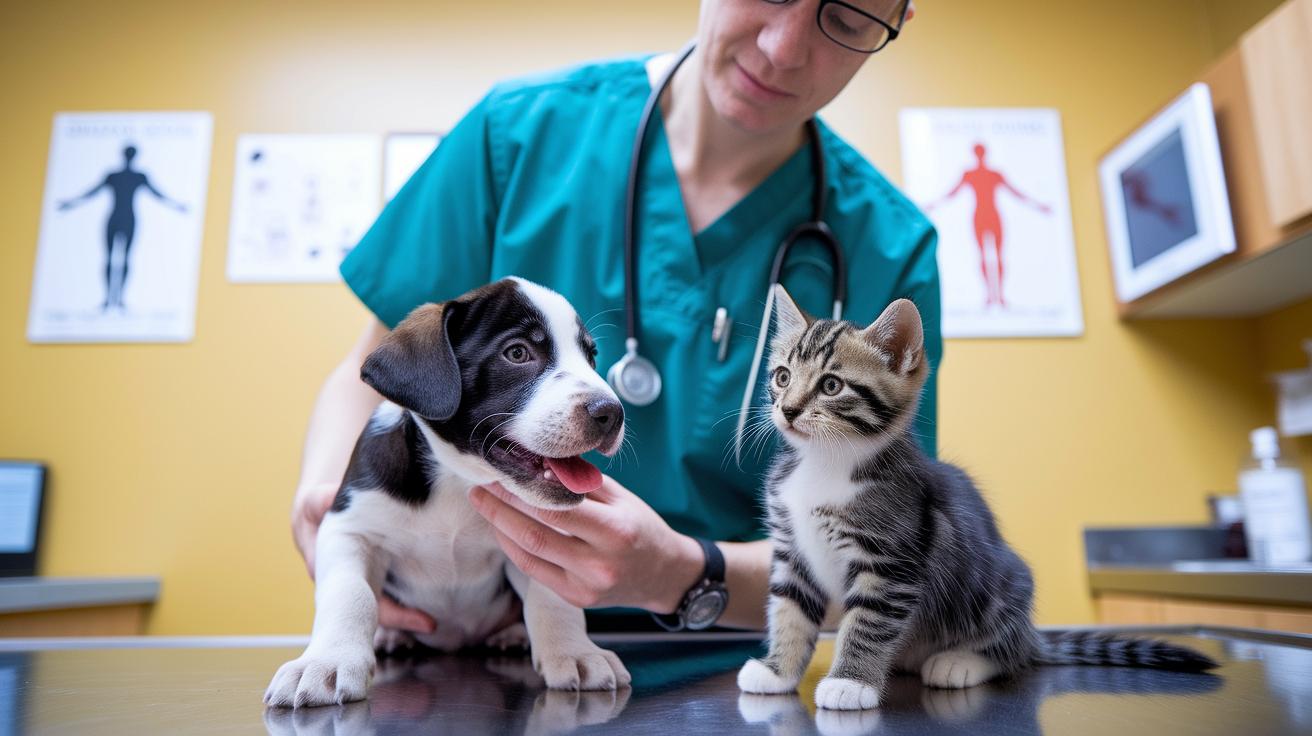
Puppies and kittens grow fast and their needs change quickly. They should see a vet every 3-4 weeks until they turn 6 months old. During each visit, the vet checks their growth, monitors key development steps, and gives important vaccines (shots that protect against common diseases). The vet also deworms them to keep their bodies free from parasites. Regular check-ups help catch health issues early and make sure the vaccine schedule is on track. These visits lay a strong foundation for a happy, healthy life.
Senior Pets
Older pets, usually 7 years or above, do well with twice-yearly exams. As they age, pets can develop problems like arthritis (joint pain) or thyroid issues (hormonal imbalances). The vet will screen for thyroid function, assess joint health, and run tests to check how their organs are working. They also offer advice on the best diet to help maintain a healthy weight and slow the effects of aging. These tailored check-ups keep chronic conditions in check and support a long, comfortable life for your pet.
Final Words
In the action, a pet wellness exam covers a complete check-up from a nose-to-tail physical assessment to essential tests and vaccine updates. The process begins with a review of your pet’s history and continues with necessary diagnostic screenings, nutritional checks, and preventive care steps.
This routine exam helps spot health issues early, ensuring pets stay safe, healthy, and happy. Regular appointments build a solid care routine that benefits every stage of your pet’s life.
FAQ
Q: What are common pet wellness exam questions?
A: Common pet wellness exam questions cover what tests are included, how often the exam should be done, and what preventive measures are taken to keep your pet healthy.
Q: How can I find a low cost dog wellness exam near me?
A: Low-cost dog wellness exams are available at local veterinary clinics or community events. These exams offer essential check-ups without high fees, ensuring your pet gets early diagnosis and care.
Q: What is the cost range for an annual dog check-up?
A: An annual dog check-up typically costs between $50 and $100 for the basic exam. Additional tests, like blood work or parasite screening, might add to the overall cost.
Q: What does a dog physical exam checklist include?
A: A dog physical exam checklist includes a head-to-tail assessment, checking eyes, ears, heart, lungs, and overall body condition, along with reviewing the pet’s health history for any concerns.
Q: How much is a wellness exam for a dog at Petco?
A: A wellness exam at Petco generally falls within similar basic exam costs of $50 to $100, with any extra services or diagnostic tests affecting the final price.
Q: How much does a pet wellness exam cost without insurance?
A: Without insurance, a pet wellness exam usually costs around $50 to $100 for the standard check-up. Extra diagnostic testing or extra services will increase this cost.
Q: How often should dogs have a wellness exam?
A: Dogs should have a wellness exam at least once a year. Puppies, senior dogs, or pets with health issues might need exams every six months to monitor and maintain their well-being.