



Have you ever wondered if one rescue dog can really change everything? Rescue dogs get a fresh start and bring hope to families who need love. In places like Arizona and Portland, caring groups work hard to connect every dog with a loving home. Every rescue is a small miracle, a scared pup finds a safe place and fills hearts with joy. This article shows how these devoted teams build strong bonds and brighten lives, one dog at a time.
Dog Rescue Brings Smiles and Loving Homes
Across the nation, rescue teams are giving dogs a fresh start. Groups like Arizona Small Dog Rescue and the Greater Portland No-Kill Shelter work hard every day to match dogs with caring families. They help pups find a safe, loving home where they can thrive.
Rescue organizations follow a clear process to ensure each dog finds the right family. They check each dog's age and health, visit potential adopters' homes to see if they are pet-safe, and review applications so every pup gets the care it needs.
| Organization Name | Location | Specialization | Adoption Hours |
|---|---|---|---|
| Arizona Small Dog Rescue | Phoenix, AZ | Small dog rescue | 11 am – 6 pm |
| Greater Portland No-Kill Shelter | Portland, OR | Inclusive rehoming | 11 am – 6 pm |
| American Kennel Club Rescue Network | National | General adoption | Varies |
| New York Pooch Haven | New York, NY | Urban dog rescue | 10 am – 5 pm |
| Chicago Canine Coalition | Chicago, IL | Urban rehoming | 12 pm – 6 pm |
| Los Angeles Dog Haven | Los Angeles, CA | Stray rescue & foster care | Weekends |
| Boston Mutt Recovery | Boston, MA | Transitional care | 11 am – 7 pm |
| Miami Pup Allocation | Miami, FL | Local pup allocation | 10 am – 4 pm Daily |
| Seattle Canine Salvation | Seattle, WA | Community-focused rescue | 11 am – 6 pm |
| Denver Global Pooch Recovery | Denver, CO | Nationwide partnerships | 1 pm – 7 pm |
If you are thinking about adopting a dog, here are the simple steps to follow:
- Fill out an application.
- Have a rescue team member visit your home.
- Meet the age and eligibility rules to keep your new friend safe.
- Wait for a review of your application to confirm you can provide the right care.
This caring and careful approach helps every dog find the forever home it deserves.
Dog Rescue Hound Rehoming Process: A Step-by-Step Guide

Adopting a rescue dog can change from one organization to the next. Some groups mix online browsing with face-to-face meetings to help you find the right match. Rescues that work with pregnant or nursing dogs often need to take extra steps to make sure the dog gets proper care. If you’re adopting for the first time, it helps to ask a lot of questions and understand each step of their process.
- Look at online listings on Petfinder. The site now uses smart updates that also support in-person meetings.
- Fill out an online application that shares details about your lifestyle, home setup, and your experience with dogs.
- Schedule an in-person appointment. Some rescues even offer special support for dogs that need extra care, like those that are pregnant or nursing. For example, before booking, ask if there are extra steps for dogs with special care needs.
- Meet your new friend in a relaxed setting to see if you click and talk about any unique needs.
- Complete the paperwork, which will cover things like health records, spay/neuter status, and notes about any special care.
- Arrange safe transport to bring your new companion home.
Before finishing the adoption, make sure you have a valid photo ID, proof of where you live, and any other documents the rescue might need. Adoption fees usually help cover vaccinations, microchipping, spaying or neutering, and other care details. If you’re new to this, double-check your paperwork and ask for help if the process seems incomplete or if there are extra steps for dogs with special conditions.
Volunteer and Foster Opportunities in Dog Rescue
Volunteer programs are a simple yet powerful way to help rescue dogs. You can support the shelter, join group events, or even take dogs for a walk. Every small effort matters, and spending just a few hours can help more dogs find loving homes.
Fostering is also a heartwarming way to make a difference. By opening your home, you can care for a pup that needs extra help. This might mean supporting a dog that is pregnant or nursing, feeding puppies with a bottle, or taking them to the vet when needed. Short-term fostering gives these little ones a safe space until they find their forever family. One volunteer said, "Fostering gave me a chance to mentor a young pup until he joined a loving family."
To get started, visit your local shelter's volunteer portal. Fill out the short application and follow the steps provided. Your help makes a real difference for our canine friends.
Supporting Dog Rescue: Donation and Charitable Initiatives
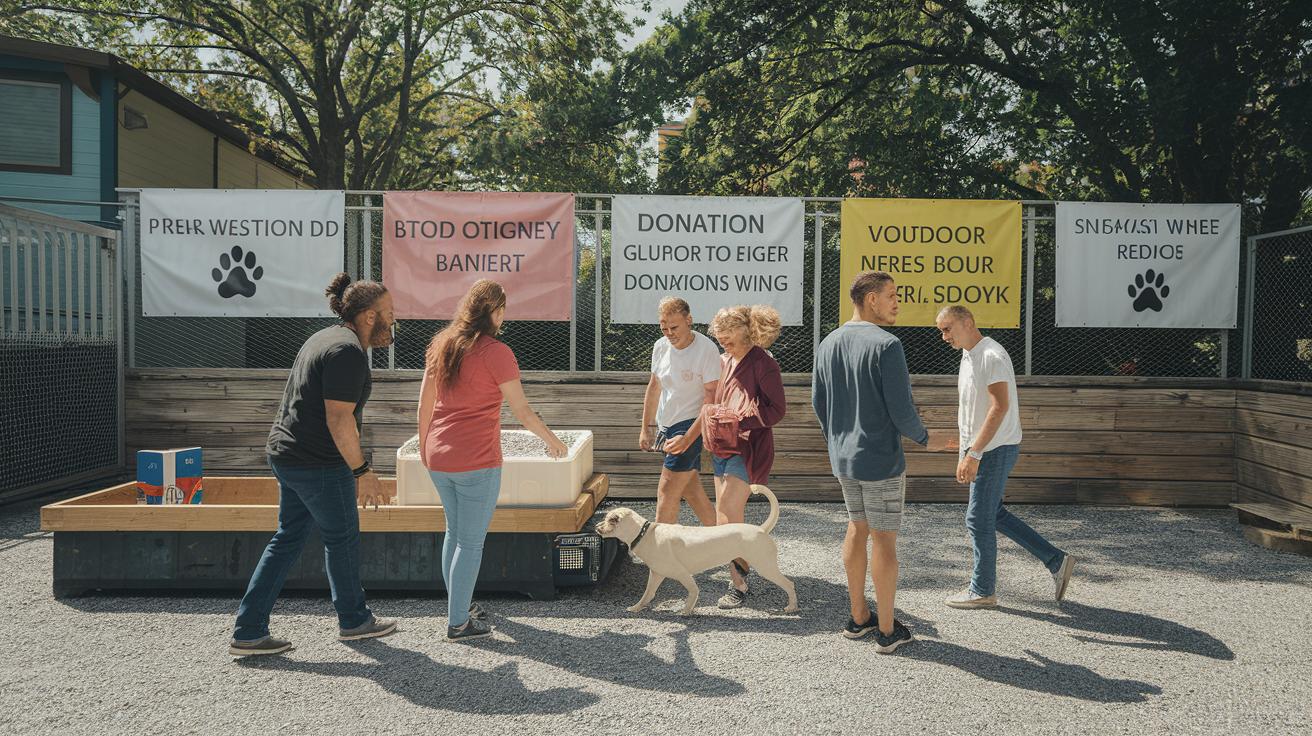
Dog rescue groups need our help to reach big goals, like raising $1,000,000 each year. Money is essential to run programs such as the Charitable Mutt Initiative (a project focused on helping mixed-breed dogs). Every donation, big or small, helps these rescues care for dogs without cutting corners. Plus, donations to groups like Arizona Small Dog Rescue are tax-deductible, giving you a bonus while more funds go to saving dogs.
It’s easy to help. You can make a monthly gift or one-time donation to support these efforts. Some rescues also raise funds by selling T-shirts, hosting raffles, or offering special calendars. These extra methods ease the cost of adoption fees for new pet parents and help cover the costs of care.
Please act now to support our mission and reach more dogs in need. Every donation makes a real difference by keeping life-saving services active and affordable. Your support helps each dog find a safe and loving home while keeping these rescue programs strong.
Dog Rescue Success Narratives: Inspiring Adopted Pooch Journeys
Holly went from a shelter to a loving home. When she was rescued, she was very shy. Now she delights in a safe, happy space. One adopter said, "Her calm presence fills our home with warmth."
Dante started his life in rescue as a young puppy. He has grown into a fun-loving friend who enjoys lively walks. One owner shared, "Dante fills our days with endless joy and energy."
Arc, a senior dog, found his forever home despite his age. His gentle and steady manner inspires everyone he meets. An adopter mentioned, "Arc shows us that love only grows with age." His kind eyes and soft demeanor win over every heart.
Ripple’s journey from foster care to adoption is a story of hope. Raised by a caring foster family, he quickly charmed everyone with his warm personality. One supporter said, "His change reminds us that every dog deserves love."
Dog Rescue Aftercare and Veterinary Support
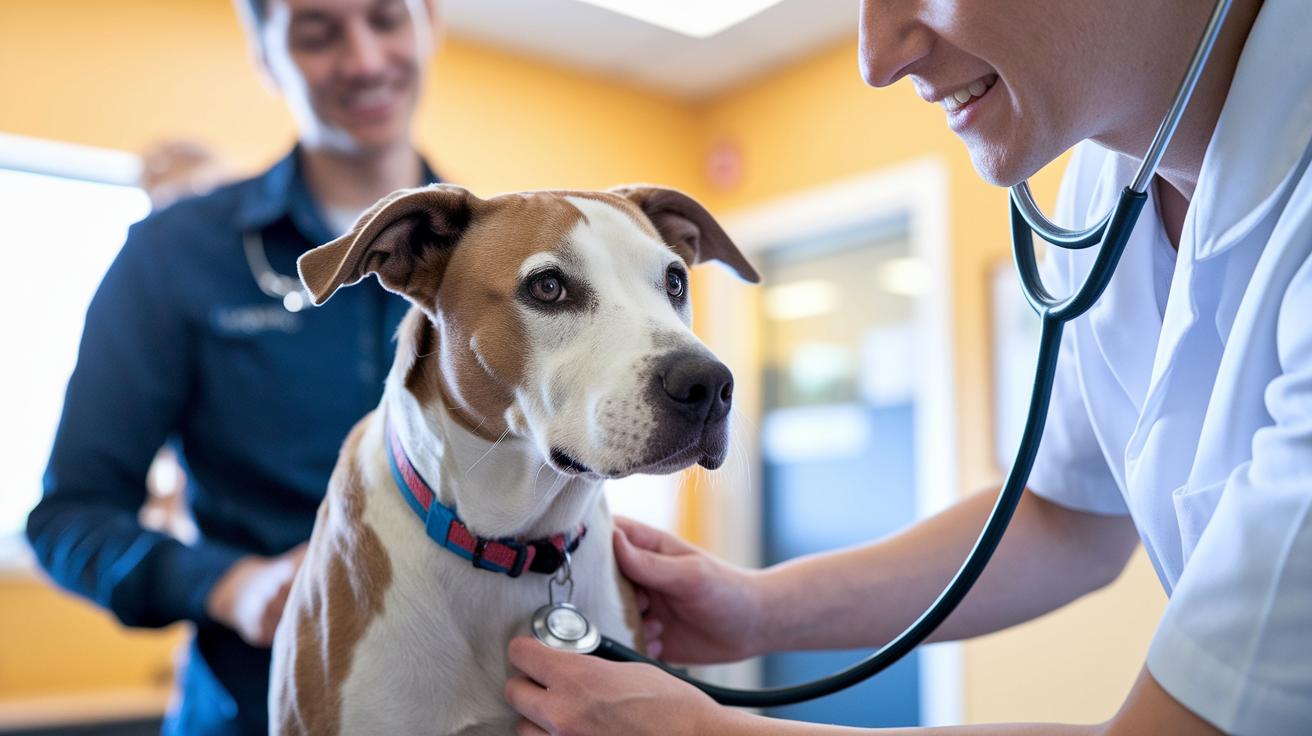
Rescued dogs get the best start in life with extra care from the vet right after adoption. Your local vet might even use DNA tests (which show a dog's breed mix) to help plan care that fits your pet's needs. Low-cost spay-neuter clinics also work hard to keep every dog safe and healthy. Regular checkups catch small problems early so your new friend can settle into their home on a strong note.
Good food and careful rehab help a rescued dog fully recover. Your vet might recommend a special eating plan to balance energy levels, while gentle exercises and short physical therapy sessions help build strength and confidence. These steps help each pet adjust easily and enjoy its new life.
It’s simple to schedule follow-up care. Just call your local veterinarian to book routine checkups and keep an eye on your pet's progress. Remember to save all medical records and note any changes you see. Routine vaccinations and exams make sure your new friend continues to thrive in their loving forever home.
Community Engagement and Shelter Strategy in Dog Rescue
Local shelters and rescue groups bring neighbors together by hosting hands-on events. They hold adoption drives and volunteer days every month where you can help care for dogs or even try event-based foster care. They also share news about events and heartwarming adoption stories through social media and email newsletters. For example, one shelter shared a story about a shy pup finding a loving home during a late-night adoption drive, which got many locals excited to help.
Many shelters team up with animal aid organizations and use digital pet rehoming websites. These partnerships help them reach more people across the region and even nationwide. Local outreach projects, like neighborhood visits and regular check-ins, help fill gaps in pet care and keep everyone informed. Shelters also study community responses and adjust volunteer roles so they can better serve each rescue.
They even look at annual reports from 2021 to 2024 to guide future plans. By checking adoption numbers, community participation, and volunteer feedback, shelters plan smart steps to help even more rescued dogs.
Final Words
In the action, the post walked through key facets of dog rescue organizations, outlining adoption steps, fostering opportunities, financial support options, inspiring success stories, aftercare, and community strategies. Each part showed clear directions and practical steps to help pet parents navigate rescue systems. This guide makes it easier to understand adoption rules, volunteer roles, and support methods while highlighting positive experiences. Embrace the journey, feel empowered by real-life outcomes, and remember that every step supports a better future in dog rescue.
FAQ
How can I find local dog rescue organizations near places like California, Texas, Oregon, and others?
Searching for local dog rescues means checking online directories, community listings, and shelter websites. Use location-specific keywords to discover organizations offering puppies for adoption and other rescue services in your area.
What is Rocket Dog Rescue?
Rocket Dog Rescue is a group dedicated to saving and rehoming dogs through organized events and community support. They work with volunteers and donors to help dogs find their forever homes.
What is the 3-3-3 rule for rescue dogs?
The 3-3-3 rule for rescue dogs suggests focusing on three main areas: socialization, exercise, and training. This routine helps build trust and stability in a new home environment.
What breed of dog is most surrendered?
The breed most frequently surrendered tends to be mixed breeds or common types like pit bulls. Local trends can vary, so checking regional shelter reports often provides the most accurate picture.
What do I do with unwanted dogs?
If you have an unwanted dog, contacting local rescue organizations or shelters is the best course of action. They can help rehome the dog safely and offer guidance on the transition.
What’s the difference between a rescue dog and a shelter dog?
A rescue dog is usually cared for in foster homes and rescued through specific groups, while a shelter dog remains in a facility. Both are available for adoption but come from different care settings.