

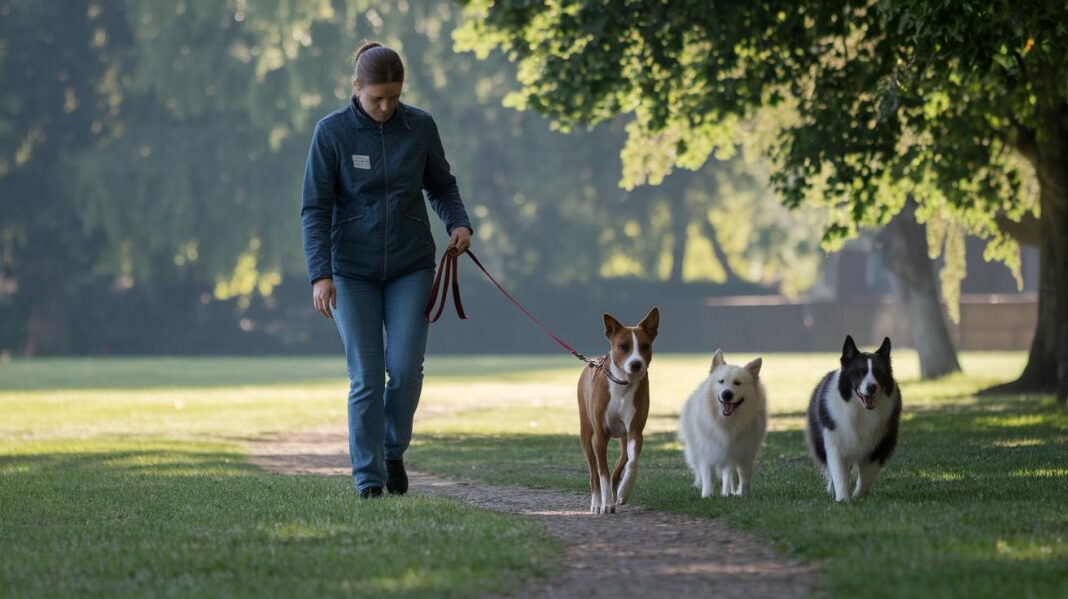

Ever noticed your dog barking on the leash and wondered if it’s really anger or just fear? Chances are, your furry friend might be stressed instead of being hostile. Studies show that almost half of dogs that seem aggressive are simply frustrated. This article breaks down why dogs bark or pull on the leash and helps you spot when it’s true aggression versus regular reactivity. Keep reading to learn easy ways to understand your dog’s body language and make your walks both safe and fun.
Distinguishing Leash Reactivity vs Aggression: Definitions and Key Differences
Leash reactivity happens when a dog shows stress while on a leash. This behavior may include jumping, barking, or pulling hard. The dog is not trying to be hostile but is reacting out of fear or frustration from being restrained. Many dogs show these signs during walks because the leash makes them feel limited. Research finds that over 40% of dogs that seem aggressive on a leash are just stressed. Spotting these signals early can help stop the behavior from getting worse.
Aggression means a dog shows real hostile behavior. An aggressive dog might lunge, snap, and stare with a stiff, rigid body. These actions show a higher level of arousal and can lead to biting. While aggressive dogs also display stress signs, not every stressed or reactive dog becomes aggressive. It’s important to tell the difference so you can handle the situation safely and correctly.
| Behavior Cue | Reactivity Example | Aggression Example |
|---|---|---|
| Barking | Quick, loud barks when startled | Deep, intense growls with bared teeth |
| Leash Pulling | Strong tugs driven by stress | Sudden lunges toward another dog or person |
| Posture | Tense stance that remains flexible | Rigid body with stiff alignment |
| Eye Contact | Avoids direct staring or looks away quickly | Fixed, direct stare that feels threatening |
Noticing these cues early helps pet owners and trainers step in on time. This makes walks safer and reduces the chance that a stressed reaction will turn into dangerous aggression.
Interpreting Canine Body Language in Leash Reactivity vs Aggression
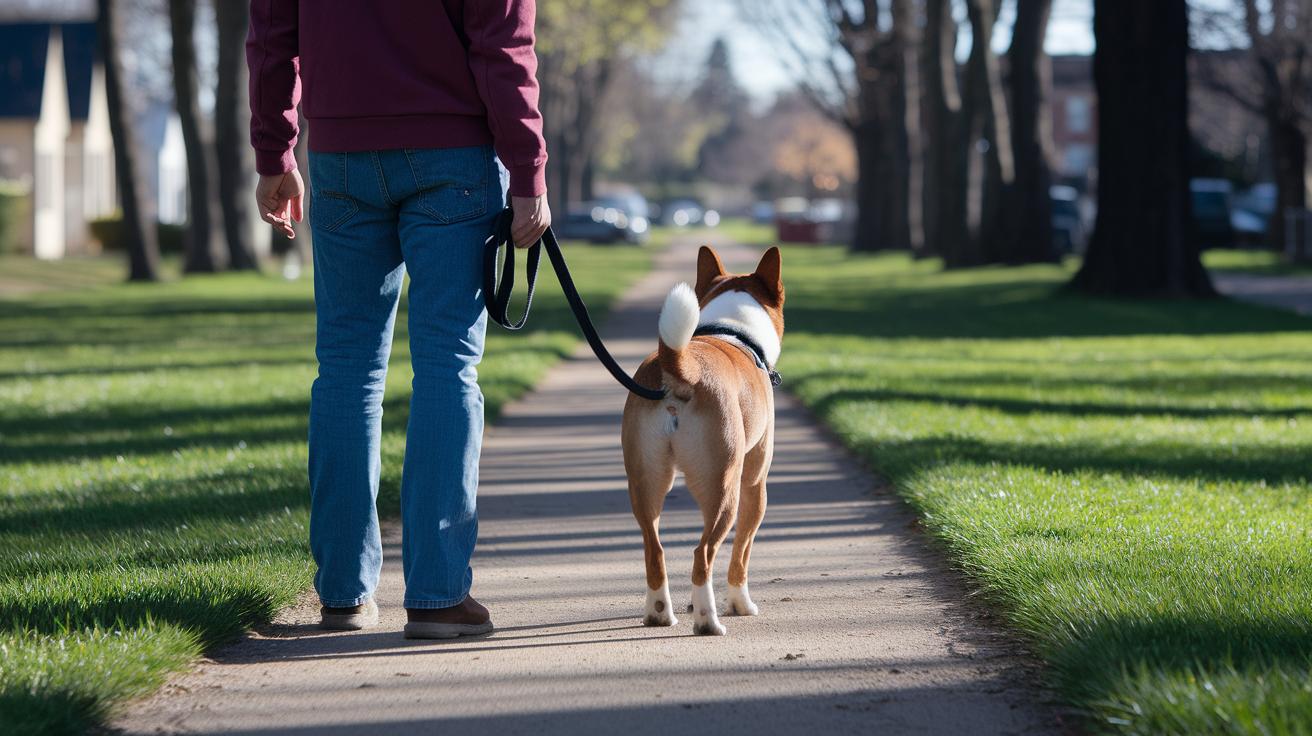
When you’re out with your dog, watching its body language can tell you a lot about how it feels. Sometimes a leash makes dogs nervous, and you might see clear signs that show if they’re just stressed or starting to get aggressive. Noticing these clues early can help you step in before things get worse.
Keep an eye on these signs:
| Sign | Description |
|---|---|
| Raised hackles | The hair along the back stands up |
| Tucked tail | The tail is held low or between the legs |
| Stiff posture | The body looks very tense and rigid |
| Intense stare | The dog maintains a focused, strong eye contact |
| Forceful leash pulling | The dog pulls hard and quickly on the leash |
| High-pitched barking | The bark is loud and squeaky |
| Sudden lunging | The dog makes quick, sharp movements forward |
| Rigid facial expressions | The face shows signs like a snarl and tight muscles |
It also helps to think about how your dog behaves at home versus on walks. Many dogs are calm in their familiar space but get more reactive when they’re leashed in busy areas. This clear change in behavior shows you when it’s just a stress reaction or if there might be a more serious trigger.
Understanding these body signals means you can better keep your pet safe and happy during walks.
Common Triggers for Leash Reactivity vs Aggression in Dogs
Dogs sometimes react strongly when reminders of scary past events meet stressful new settings. When their fear and anxiety mix with loud sounds or unfamiliar places, many dogs can become overly reactive on the leash. Even a pet owner’s own nervous energy can add to the mix, making the situation worse.
Here are some common triggers to watch for:
- Past negative encounters: Bad experiences can make a dog extra wary.
- Limited socialization: Without many friendly meetings with other dogs or people, a pet may feel unsure in new settings.
- Sudden, loud noises: Sounds like car horns, fireworks, or construction can startle a dog.
- Territorial feelings: Some dogs become defensive if they feel their space is being invaded.
- Owner anxiety: When you feel nervous, your dog can pick up on that tension.
- Busy, crowded places: Overstimulating environments can quickly overwhelm a dog.
Understanding these triggers is the first step toward helping your dog feel safer. Once you know what causes your pet to react, you can work on simple strategies to calm them down and prevent a small scare from turning into full aggression.
Training and Management Techniques for Leash Reactivity vs Aggression
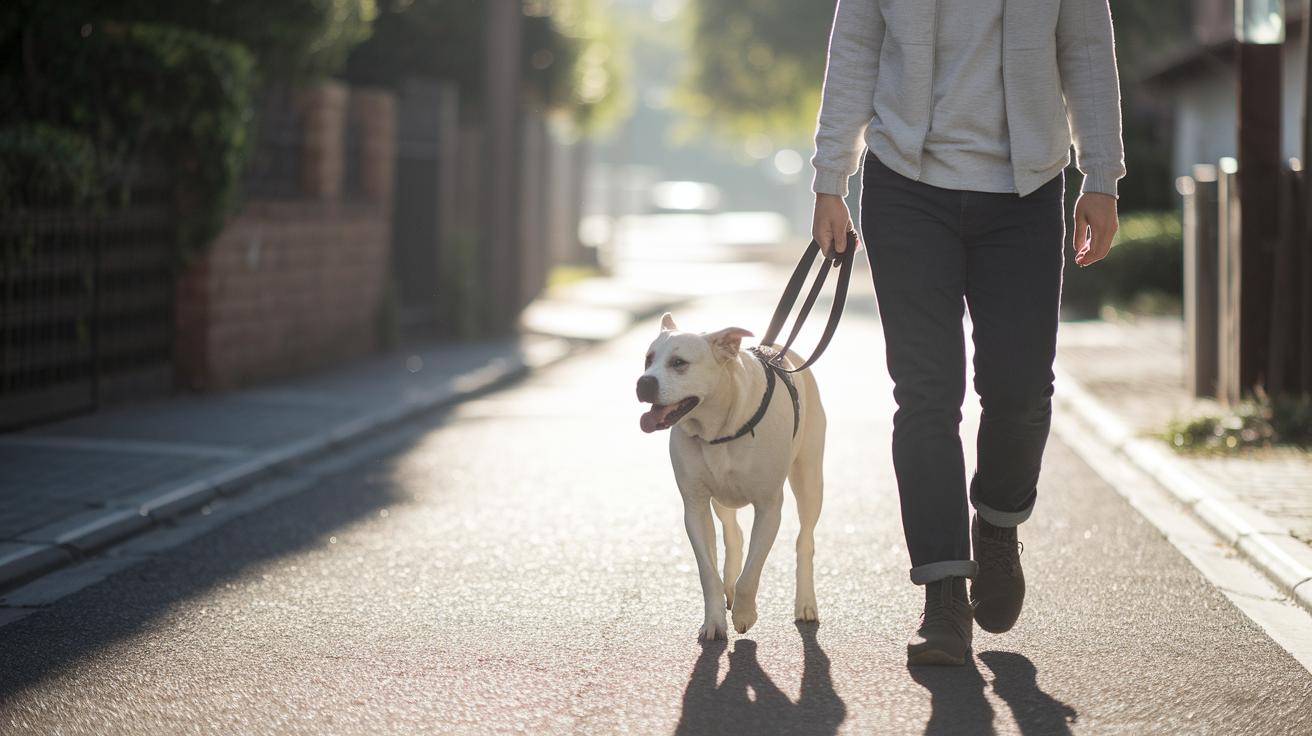
Using a clear training plan can make your walks calm and safe for both you and your dog. When you slowly expose your pet to things that usually stress them out and reward good behavior with treats or praise, your dog learns to enjoy the leash. A regular routine helps you stop small reactive moments before they turn into aggression. Remember, a calm pet parent helps a dog stay calm.
Here is a 5-step plan to manage your dog's behavior on walks:
- Warm-up indoors – Spend a few minutes doing simple commands or quiet time at home to help your dog settle before you head out.
- Gradually face triggers – Start with low-stress situations that usually upset your dog and slowly make them a bit more challenging.
- Reward calm behavior – Use a treat or a clicker (a small tool that makes a sound) to mark when your dog stays relaxed.
- Take breaks at the first sign of stress – If you notice your dog showing stress, find a quiet spot and pause until your dog calms down.
- Set clear boundaries with other pet owners – Politely let others know your dog might need extra space, so everyone stays safe.
Sticking to your plan is as important as the steps themselves. When you repeat these actions with patience, your dog will learn that walks are a time for calm and fun. Keep a close eye on your pet and adjust the routine as your dog grows and changes. Regular sessions, rewards, and your steady calm will help every walk become a safe and enjoyable time for you and your dog.
Gear and Handling Tips to Curb Leash Reactivity vs Aggression
Using the right gear makes a walk a lot easier. A strong, well-fitted leash helps you keep control without making your dog feel more stressed. Gear like front-clip harnesses gently guide your dog away from pulling, and basket muzzles can keep everyone safe during unexpected reactive moments. Even small changes like picking quieter paths can boost your dog’s confidence and lower stress.
| Equipment | Purpose | Pros & Cons |
|---|---|---|
| Sturdy Leash | Keeps your dog secure | Eases frustration; must fit well |
| Front-Clip Harness | Helps redirect pulling | Calms movement; may feel tight if not adjusted right |
| Basket Muzzle | Protects during reactive moments | Prevents bites; should be used correctly to avoid discomfort |
| Route Planning | Chooses low-stress paths | Builds confidence; relies on careful planning |
Always check that your leash and harness fit properly, and take a moment to plan your walk. This helps lower your dog’s anxiety and creates a positive, safe experience for both of you.
Professional Intervention for Severe Leash Reactivity vs Aggression
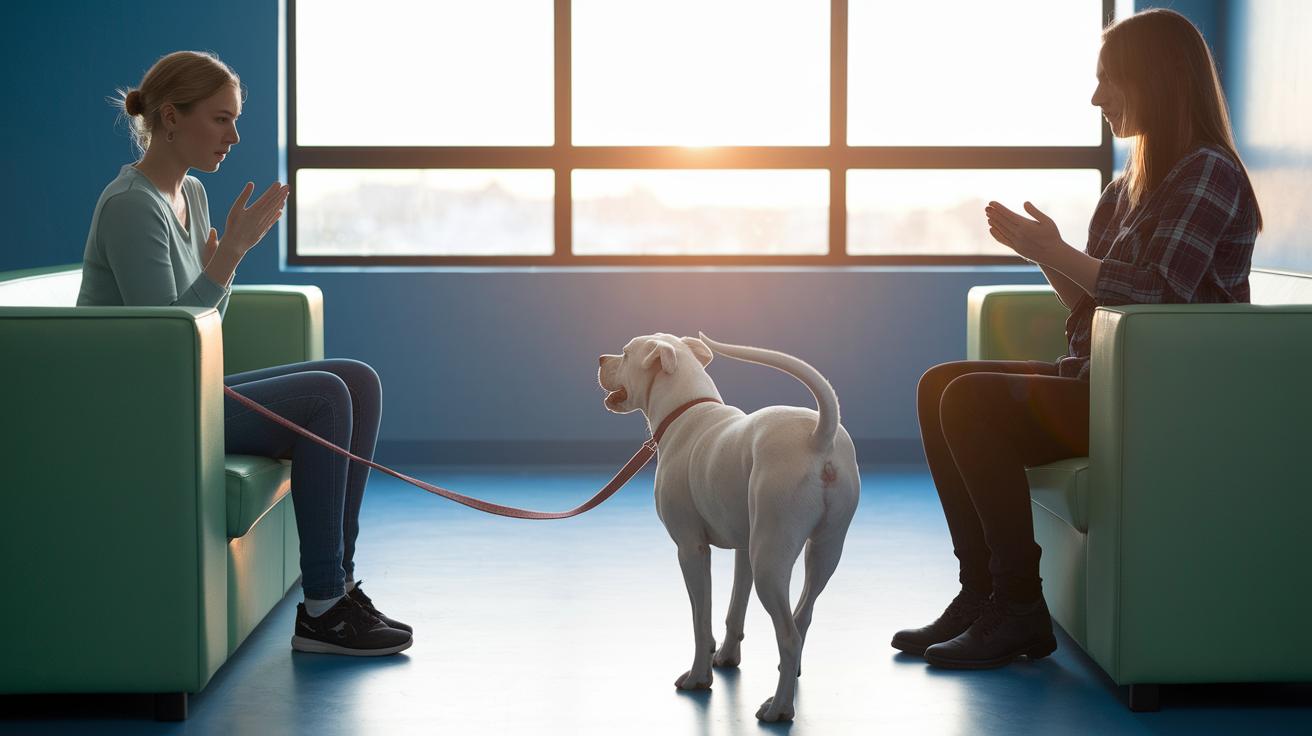
When your dog snarls repeatedly, lunges suddenly, or tries to snap during walks, it may be time to get expert help. You might also see signs like a stiff body or a hard, fixed stare. These behaviors show that simple training techniques might not be enough. A certified trainer or behaviorist can set up a plan that helps your dog feel less stressed. Getting help early can stop problems from getting worse and keep both you and your dog safe.
Key Red Flags
- The dog stays agitated even after a stressful moment
- Sudden snapping directed at people or other animals
- Deep, frequent snarling that grows stronger
- Quick lunging without warning
- Aggressive posturing that lasts even when you try to redirect
Real-World Case Study
A local pet owner saw her dog go from being a bit reactive to showing clear signs of aggression during walks. When the dog suddenly became stiff and tried to snap, she decided to see a certified behaviorist. In a few sessions, the expert used positive reinforcement (rewarding good behavior) and gradual exposure techniques to help. The owner learned easy ways to refocus her dog and use consistent cues. With this early help, those dangerous walks turned into calmer, more controlled outings.
Final Words
In the action of spotting your pup’s cues, we broke down how tail-wagging stress can shift into real aggression, clarified body signals, listed common triggers, and shared training tips and gear advice. We also stressed when professional help is needed if warning signs appear. This recap on leash reactivity vs aggression: how to tell the difference is meant to help you make informed choices. With steady support and clear steps, every walk can be a safer, happier time for you and your pet.
FAQ
How can I tell the difference between leash reactivity and aggression in dogs?
The difference between leash reactivity and aggression is that leash reactivity shows stress with barks and pulling, while aggression includes lunging, snarling, or snapping behavior.
What does dog reactivity mean?
Dog reactivity means the dog shows strong responses, like barking and forceful leash pulling, when feeling stressed or scared during walks.
How do I tell if my dog is friendly or aggressive?
Telling if a dog is friendly or aggressive involves looking at body language; friendly dogs relax while aggressive ones may stiffen, lunge, or show a fixed, intense stare.
How do I socialize a reactive dog?
Socializing a reactive dog means gradually exposing them to calm, controlled settings and rewarding calm behavior to help build confidence.
Why is my dog reactive to some dogs but not others?
Your dog may react only to certain dogs because unfamiliar or overly excited dogs can raise anxiety, while calm or known dogs do not trigger the same stress.
What is the 3 second rule for dogs?
The 3 second rule means allowing your dog at least three seconds to calm down after noticing a trigger before moving closer to another dog or situation.
How can a dog reactivity chart help me?
A dog reactivity chart helps by mapping out behavior cues so you can spot and compare signs of mild stress and aggression for better management.
My reactive dog is ruining my life—what can I do?
Feeling overwhelmed by a reactive dog is hard; using structured training, gradual socialization, and seeking professional advice can ease your dog’s stress and your worries.