



Have you ever thought that a pet community center might change how pets are cared for in your neighborhood? These centers use clear pet care plans and local partnerships to make a lasting difference. They host charity runs, offer free microchip services (tiny chips that help identify your pet), and team up with pet stores and groomers. This simple way of working builds trust and brings people together. In this post, we share easy tips to help pet centers do well, keeping every pet family connected and healthy.
pet community center best practices for thriving success
A smart pet community center starts with clear plans for complete pet care and strong community ties. Centers can succeed by hosting pet charity runs and shelter fundraisers. At these events, simple on-site booths may offer free microchipping, low-cost vaccinations, and handy pet health tips. For example, one pet parent learned how a quick microchip reunited a lost dog with its family at a recent fundraiser.
Building partnerships with local pet supply stores, grooming salons, and training centers is also key. These friends help run regular workshops and build a referral network that works for everyone. This teamwork not only improves services but also builds local trust in pet care practices.
Another clever idea is to start a pet care exchange network. Neighbors can share dog-walking or pet-sitting duties during vacations or busy days. This sharing system builds trust and keeps the community connected.
Innovative service models further boost the mission. For example, free spay/neuter surgeries in Davidson County help low-income pet owners stop unplanned litters. A low-cost vaccination clinic charges just $10, a fee that is waived for those on government help. Plus, an affordable online pharmacy delivers key pet medications and supplies right to the home, helping those with transportation challenges.
The Pets for Life program is another great strategy. This year, 805 pet supplies were distributed in underserved areas. By combining smart planning, community partnerships, and practical pet care tips, centers can offer trusted, accessible care to every pet family.
Facility management guidelines in pet community center best practices

Regular checks keep pet centers safe and running smoothly. The Community Cat Program shows how a free trap-loan service and humane trapping training can help manage feral cats. Pet centers can use these ideas by doing regular safety checks in clinical areas and event spaces. For example, a center might review the floors, lighting, and equipment each month to make sure they follow basic animal health rules.
Scheduling spay/neuter procedures in an organized way is another smart move. By setting clear rules, centers can focus on pets that need the service most and help cut down on unexpected litters. Using a calendar, they match surgery times with when pet owners need them most.
Offering low-cost vaccination clinics is a simple but powerful tactic. A small fee, like $10, can be adjusted for families with government help so that every pet gets the care they need. Keeping good records of these steps helps managers follow the rules while keeping costs low.
Adding an online pharmacy also makes a big difference. With clear tracking and delivery steps, pet centers can offer better service even to pet owners who find it hard to travel.
Regular risk checks, such as safety drills and routine maintenance, help keep everyone safe. Each of these steps makes the center more secure and ready to meet pet care needs.
Inclusive service design in pet community center best practices
Pet community centers do best when they welcome every pet and owner. Creating safe play areas and cozy zones is a must. Think of a small spot with soft mats and toys for a shy cat or a wide, green space for an energetic dog.
Working with local groups and city officials can help keep pet policies up to date, especially with new changes coming in 2026. This teamwork makes sure the center stays a safe, trusted spot for every pet family.
Smart planning can also include thoughtful landscaping. Picture paths lined with trees that offer shade on hot days, along with water stations to keep pets cool. Adding gentle sounds and nice smells can make the area even more engaging.
Accessibility upgrades are important too. Low-height feeding stations make it easier for pets to eat and drink, and non-slip floors help stop falls when things get busy. Quiet rooms can serve as a peaceful retreat for pets that feel anxious or for older animals.
These improvements not only boost safety but also help foster strong bonds between pets and their communities.
Community engagement programming for pet community center best practices
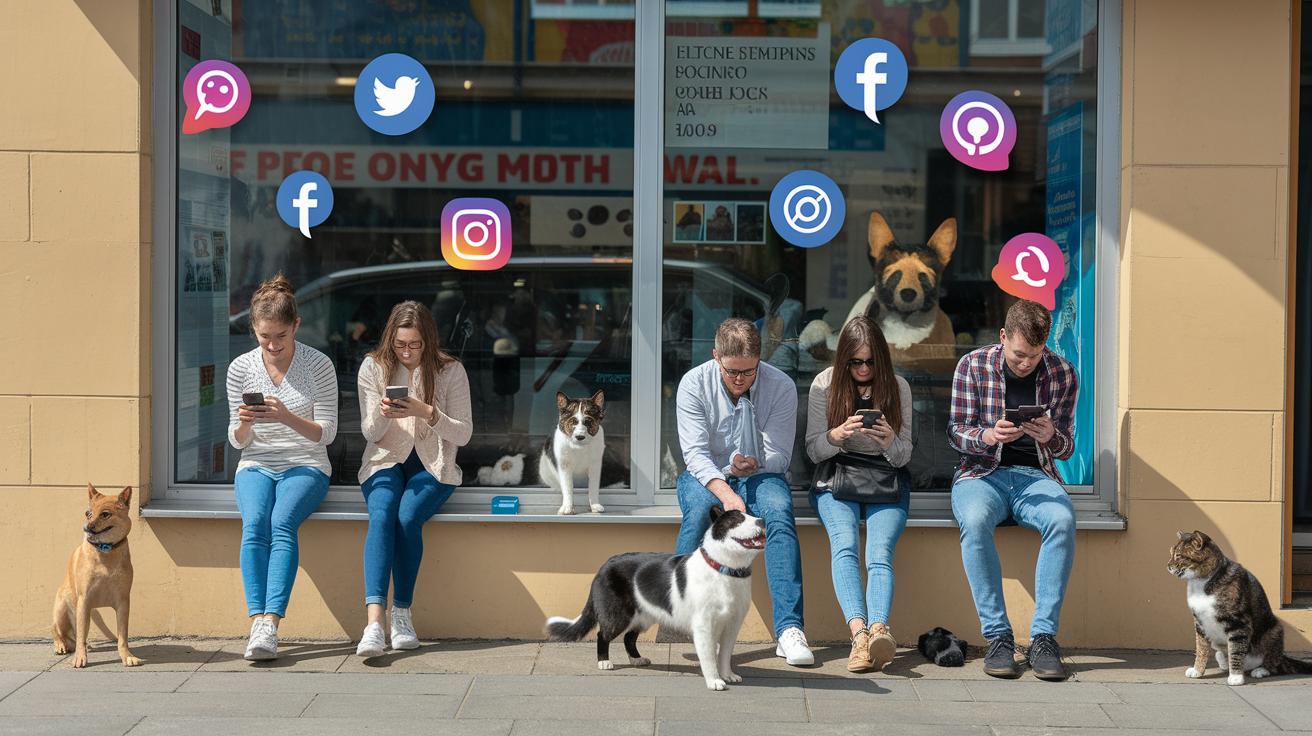
Try new digital techniques that make your pet center stand out. Use social media to build excitement for your events. For example, you might host a live Q&A on Instagram to answer pet care questions as they come up. A quick prompt like "Show us your pet’s best trick today!" can get everyone sharing their moments and help you plan even better events later.
Plan your schedule with care to get more people involved. Online tools can show you when your community is most active, so tweak your event times accordingly. After each event, ask for feedback with a quick poll or survey, then adjust future plans to meet real needs. One center even shifted workshop times based on survey responses and saw a 30% boost in attendance!
Make your programming personal by sharing success stories from your community. For instance, you might post, "After our interactive pet photo contest on Facebook, local adoptions jumped by 20%!" Stories like this build trust and encourage more participation.
Primary pet community event types include:
- Interactive social media challenges that share pet care tips
- Live Q&A webinars offering personalized pet care advice
- Community feedback sessions for planning future events
- Workshops on scheduling that teach simple planning strategies
Using smart digital tools and thoughtful scheduling not only draws more people in but also builds a stronger community. Turn routine events into fresh and engaging experiences that leave a lasting impact on pet lovers.
Volunteer coordination and partnership building in pet community center best practices
Volunteers are the heart of a busy pet community center. They help with tasks like dog-walking and pet-sitting so pet owners can rest easy knowing their furry friends are cared for. A digital schedule helps split duties fairly so no volunteer feels overwhelmed.
Working with local partners can also boost support for your center. By teaming up with nearby animal rescues, grooming salons, or pet trainers, you can host fun and useful workshops. For example, a grooming salon might run a short session on pet hygiene while a dog trainer offers easy behavior tips. These partnerships expand what your center can do and help build a strong, connected community.
Recruiting the right helpers is key. Use simple orientation materials, role-based training, and digital scheduling tools to make sure every volunteer understands their tasks. This clear, friendly approach builds trust and ensures everyone contributes to quality care for all pets.
Pet adoption support and rescue collaboration in pet community center best practices
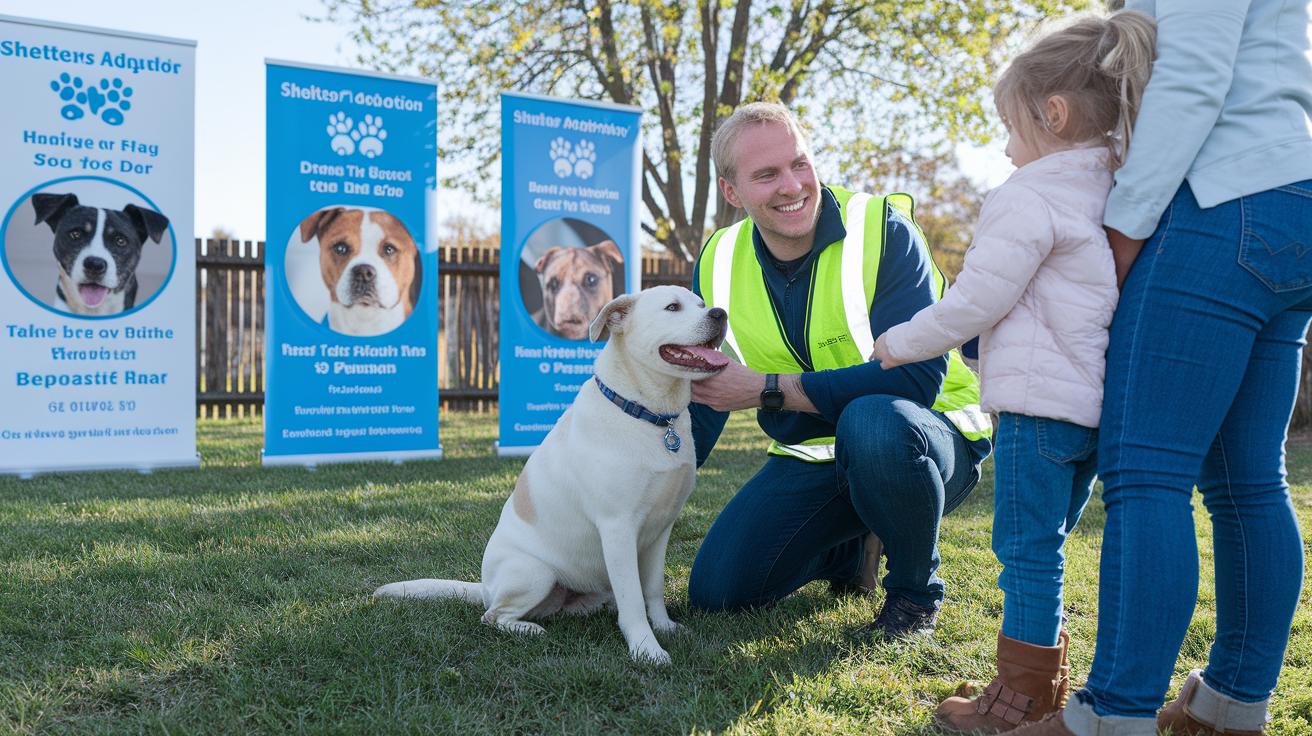
Pet adoption events help reduce the number of pets that shelters must put to sleep. Local pet centers can hold regular adoption drives by working together with nearby animal shelters. At these events, centers show the pets that need new homes and give a quick rundown of each pet’s background and needs. For example, a weekend adoption fair lets families meet pets ready for adoption and chat with shelter representatives.
Teaming up with groups like Agape Animal Rescue and Training Center makes these efforts even stronger. These partnerships often offer free behavior training (lessons to help understand actions) for Pets for Life clients. This training helps new pet families learn about their pet’s behaviors while reminding everyone that the pet center is a trusted help.
Another smart idea is giving away pet supplies through programs like Pets for Life. This year, 805 pet supplies were shared with families in need. This effort not only helps these families but also teaches them how to care for their pets properly.
Pet centers can also go into schools and community centers to spread the word. These outreach programs teach kids and families how to care for pets and explain why fostering rescued animals is a great idea. By mixing adoption support with rescue help, pet centers create a caring network that looks out for the well-being of all pets.
Evaluation metrics and sustainability strategies in pet community center best practices
To keep pet community centers running well, it is important to track what works. Pet centers can count key numbers like event attendance, volunteer hours, and items given out (for example, noting when 805 pet supplies were handed out). These counts help show success and point out where changes are needed.
Listening to community members is very helpful. After an event, a short survey or a quick chat with volunteers brings in useful ideas. This feedback lets managers adjust schedules, decide on resources, and plan events that get more participation.
Keeping costs low is another big part of smooth operations. Sticking to a clear budget and planning the use of resources allows centers to get the most out of every dollar spent. Teaming up with local organizations can also cut costs and add more services.
Planning for long-term funding builds stability. Seeking grants and sharing funding efforts can back future projects. Regular performance checks paired with careful budgeting help pet centers meet today’s needs and be ready for tomorrow’s challenges.
Final Words
In the action, we broke down a complete guide on pet community center best practices, from facility management and safe, inclusive service design to vibrant community programming and efficient volunteer coordination.
Key pet community event types include:
- Charity runs and fundraisers
- Adoption events and pet meet-ups
- Educational workshops on pet care
- Volunteer outreach days
These strategies work together to strengthen your pet center’s impact and keep our pet community safe and happy. Embrace these practical tips for a thriving, connected center.
FAQ
What are the core best practices for pet community centers?
The core best practices focus on facility management, inclusive design, community events, volunteer coordination, pet adoption support, and evaluation metrics. This integrated approach helps centers deliver efficient, safe, and welcoming pet care services.
How do facility management guidelines uphold animal safety?
Facility management guidelines monitor hazards, schedule spay/neuter and low-cost vaccination clinics, and conduct regular compliance audits. These steps safeguard animal health and ensure smooth, risk-managed service delivery.
How does inclusive service design benefit pets and their owners?
Inclusive service design offers designated safe-play zones, accessible feeding stations, and enriched outdoor spaces. These features help reduce stress for pets and improve navigation for all pet owners.
What community engagement programming works best for pet centers?
Community engagement programming builds bonds through recurring events like charity runs, free microchipping drives, and educational workshops that serve pet owners.
- Charity runs and shelter fundraisers
- Adoption days and pet meetups
- Educational pet care workshops
- Social media event promotions
How does volunteer coordination and partnerships boost pet services?
Volunteer coordination and partnerships involve shared pet care tasks, structured training, and agreements with local rescues and service providers. This collaboration increases service capacity and strengthens community support.
How are pet adoption support and rescue collaborations integrated into pet centers?
Pet adoption support combines coordinated adoption events, free behavior training with local rescues, and educational outreach. These strategies lower shelter euthanasia rates and foster responsible, lifelong pet ownership.
How are evaluation metrics and sustainability plans applied in pet community centers?
Evaluation metrics, including event attendance and volunteer hours, pair with feedback and budgeting frameworks. This data-driven approach lets centers adjust strategies, manage costs, and sustain long-term operational excellence.