

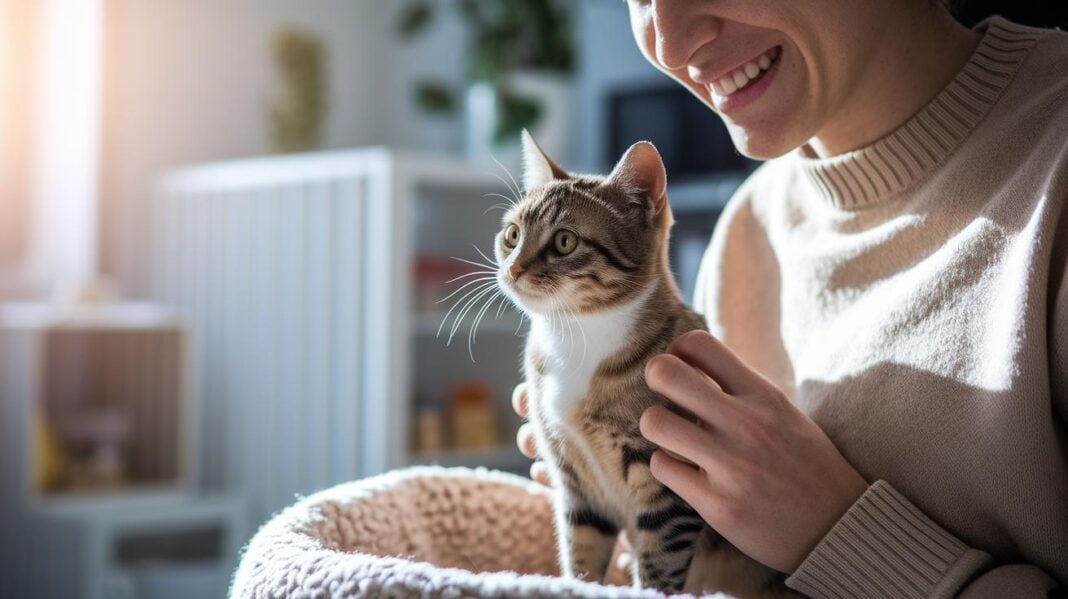

Have you ever thought a little pet might fill your life with joy? A small animal can be the perfect friend to join your daily routine. Whether it’s a playful guinea pig or a quiet rabbit, a tiny pet fits right in.
This guide will walk you through easy steps to bring a new buddy home. First, think about your lifestyle and how a pet can add comfort and fun. Next, get your space ready so your new friend feels welcome.
Get ready and enjoy the journey, a small pet can brighten your days in ways you never imagined.
Step-by-Step Small Animal Adoption Process
-
Start by checking your daily routine. Do you have enough time, space, and energy for a lively pet, or do you need a friend who loves calm moments? Think of it like picking a roommate.
-
Next, choose the kind of pet that fits your home best. Shelters often have small animals like guinea pigs, hamsters, rats, and mice. If you want a quieter companion, a rabbit might be a better choice.
-
Fill out the adoption application form. This lets the shelter know about your lifestyle and helps match you with the right pet.
-
Get ready for a short interview with the shelter staff. They might ask about your home and care routine to make sure you’re all set for pet ownership.
-
Pay the adoption fee. This fee usually covers important services like spay/neuter surgery (a procedure to stop pets from breeding), vaccinations, and microchipping (a tiny device that helps identify your pet).
-
Once approved, plan how to bring your pet home safely. Arrange transportation so your new friend arrives without any stress.
-
Finally, schedule a vet visit as soon as possible. A complete check-up right after adoption helps set the stage for a long, healthy life together.
Determining Your Ideal Small Pet
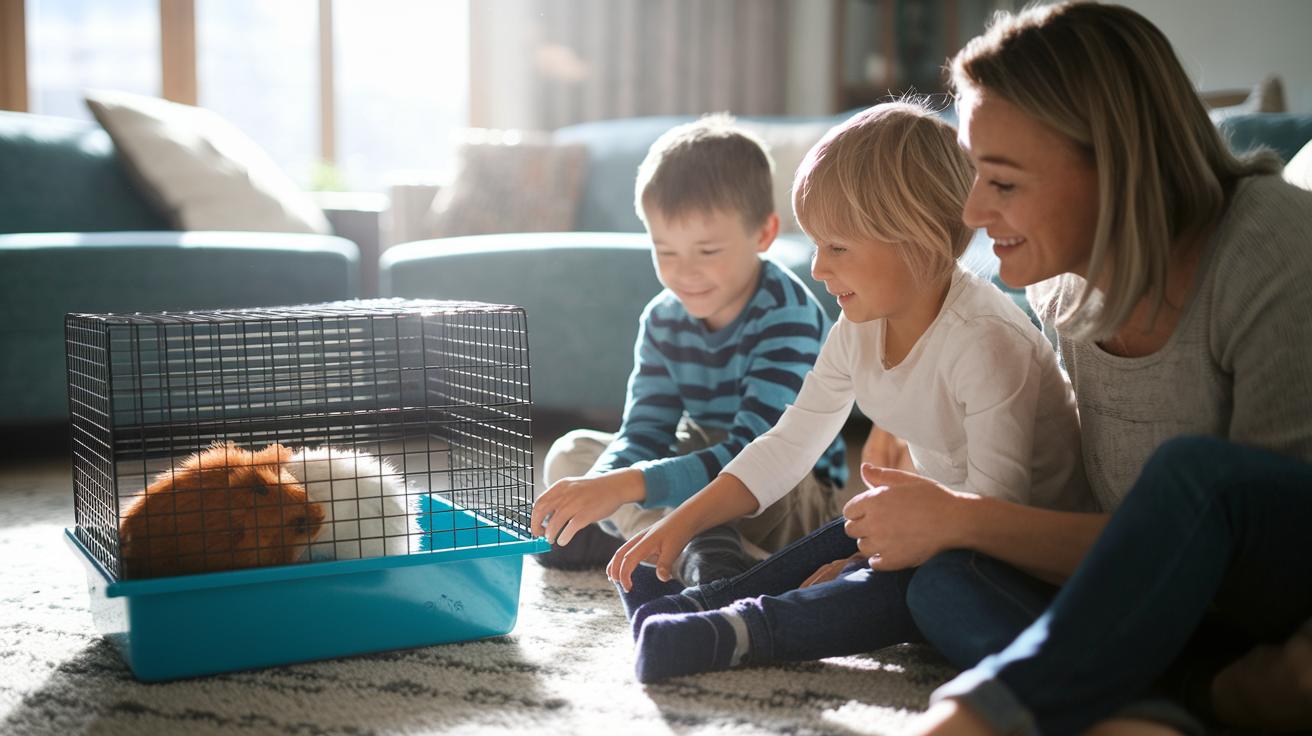
Choosing the right small pet begins with looking at your home size, daily routine, and family life. Think about how much space you have, the overall noise level, and the care you can offer. A quiet home might suit a pet that enjoys calm moments, while a lively household could be perfect for a pet that loves interaction.
Pocket pets like guinea pigs, hamsters, rats, and mice are a popular choice for first-time pet parents. They work especially well for young kids learning the basics of animal care. Many shelters also love rabbits because they are friendly and social. For example, Bucks County SPCA finds that rabbits are among the top adopted small pets due to their gentle nature.
When choosing a pet, consider factors like lifespan, daily care needs, handling ease, and the space required for exercise. Picture a little hamster comfortably nesting in its secure home or a rabbit happily hopping in an open area. Matching your pet’s personality with your home and routine can lead to a rewarding bond. Take your time to research and spend quality moments with potential pets before making your final decision.
Small Animal Adoption Requirements and Eligibility Criteria
Shelters have set rules to help your new pet find a safe and loving home. When you apply, you need to show your photo ID, like a driver’s license or passport. They also check where you live, and sometimes a landlord must give permission. Some places may even ask about your history with pets to see how much experience you have.
A home visit is common to make sure your environment is pet-friendly. They want to see a secure, clean spot that is big enough for a small pet. They might ask, "Do you have a safe and cozy area for your new pet?" This step shows them that you are ready to provide a caring home.
Adoption fees usually cover essential services such as spay/neuter (a surgery to prevent future litters), vaccinations, and microchipping (a tiny ID chip for your pet). These steps help your pet start life healthy. Sometimes, you may also need to provide personal references who can speak to your reliability as a pet owner.
Many shelters require that you sign a care-commitment contract. This document means that you promise to meet your pet’s ongoing needs. Signing the contract is a final step in showing you are ready for pet ownership.
Preparing Your Home for a Small Animal
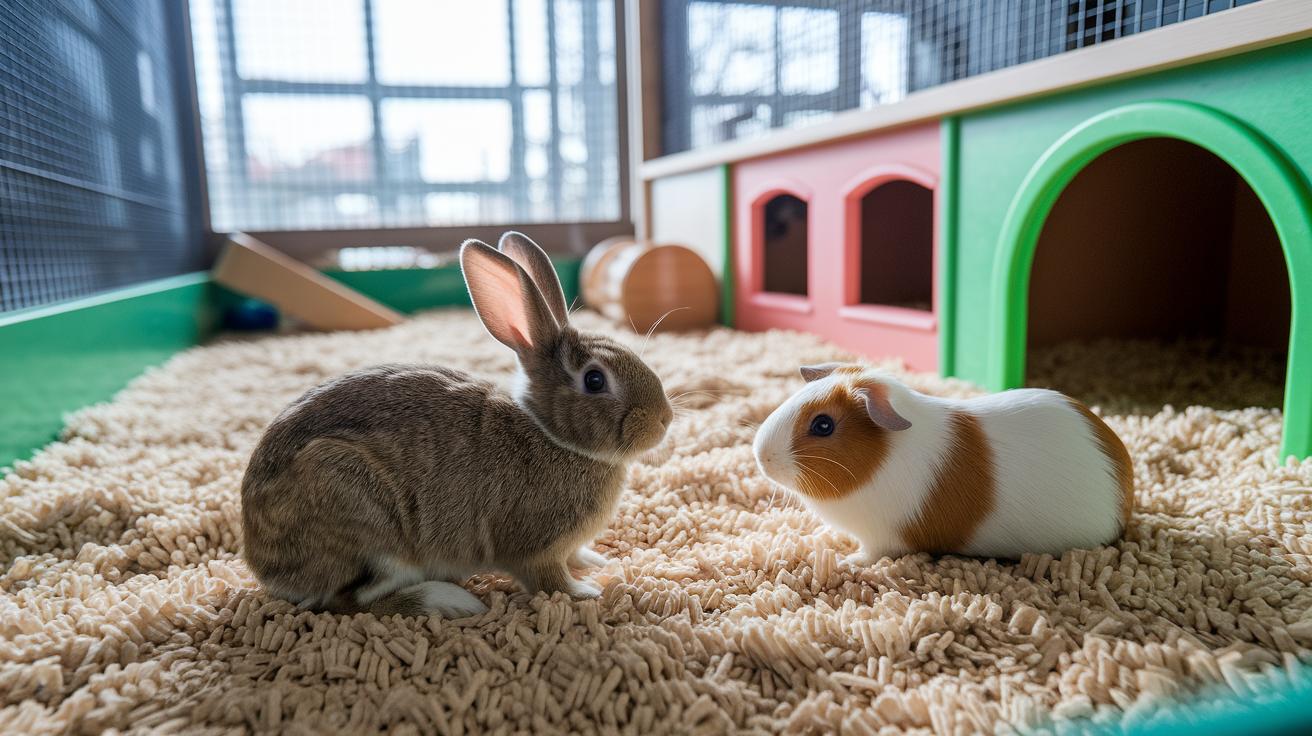
Start by thinking about the space your pet needs. For example, a rabbit should have at least 12 square feet (about 1.1 m²) of room, and a guinea pig needs 7.5 square feet (roughly 0.7 m²) each. Picture a small area with clear, secure boundaries so your pet can play safely without any chance to wander off.
Next, choose an enclosure that matches your pet's species. You can use a strong cage or create a custom play area with plenty of room to roam. For bedding, consider paper-based options, aspen shavings (wood chips that are safe for small animals), or washable fabric. These choices help keep your pet comfortable and dry.
Add some fun items to keep your pet busy. Simple tunnels, chew toys, and hideouts encourage natural behaviors, reduce stress, and make playtime more interesting. For example, placing a small tunnel near a hideout can create a fun, engaging space.
Check that the setup stays at a safe temperature and has good airflow. Make sure the area is fully secure to protect your pet from other animals. Using barriers or pet gates can add an extra layer of safety.
Finally, try to set up the area in a quiet spot away from heavy foot traffic. This helps create a calm space where your small companion can relax and feel at ease.
Initial Veterinary Care and Health Requirements for Small Pets
When you bring home a small pet, get a full veterinary exam within one week to give your new friend the best start. At this appointment, ask your vet to check that key procedures, like spay or neuter surgery, have been done. You might even see a note in the file that says "Neutered on arrival" to reassure you.
Preventive care is very important during this visit. Your vet should explain vaccination choices, such as rabbit RHDV2 (a vaccine that helps protect rabbits from a serious virus), and check for parasites to rule out any infections. They should also look at your pet’s teeth, because small pets can get dental issues early on.
Plan for long-term wellness by scheduling regular check-ups and keeping a list of emergency contacts, like your vet’s number and that of the nearest animal hospital. Think of these routine visits like a car’s tune-up that helps avoid bigger problems later.
Taking these steps early builds a strong foundation so you and your pet can enjoy many healthy, happy years together.
Common Challenges and Tips for Small Animal Adoption Success
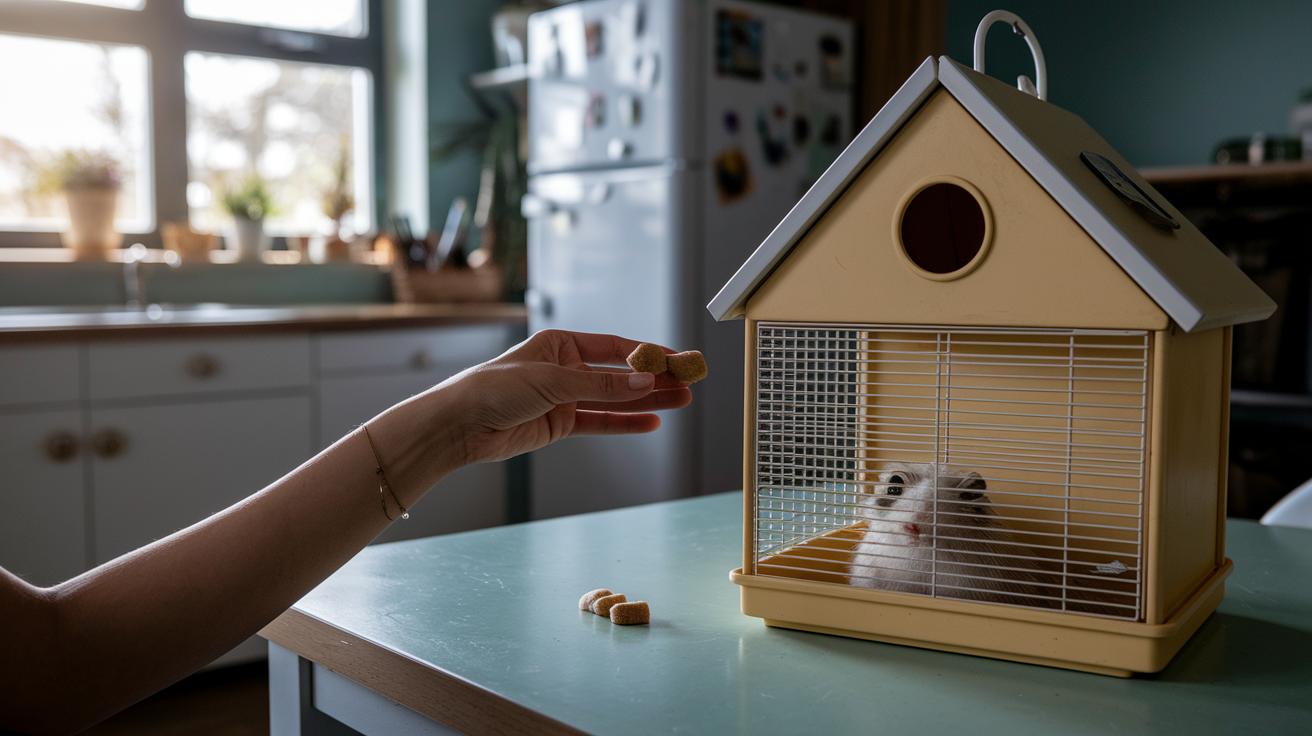
Bringing a small pet into your home is exciting but it can also bring a few challenges. New pet parents must steadily work with their pet while keeping a regular routine. Before adopting, ask yourself if you can devote time and energy to daily care and gentle training. Young pets need a lot of hands-on love to build trust. For example, a playful hamster might chew on its cage unless you watch carefully and offer praise when it behaves well.
Common issues include biting, chewing on the cage, and having accidents in the litter box. These behaviors can be managed with daily interaction and set feeding times. Even older pets need a little time to settle in. Try gradually introducing them to new family members and new spaces to help them adjust easily.
Here are some simple tips:
- Make a daily schedule for feeding, cleaning, and play.
- Use short and clear commands to guide your pet.
- Reward good behavior, like using the litter box properly, with a small treat.
- Spend short, regular play sessions with your pet to boost trust.
With a steady routine and lots of positive reinforcement, even behaviors like biting or cage chewing can improve. Taking steps early on helps you develop a strong bond with your new little friend, setting the stage for many happy moments ahead.
Finding Reputable Small Animal Shelters and Rescue Organizations
Start by checking online for small animal shelters. Many shelters share pictures and details of the pets they have. Look for local sites and directories that list shelters specializing in rabbits, guinea pigs, hamsters, rats, and mice. Local humane societies and rescue groups are a smart spot to search. For example, Bucks County SPCA is known for helping pocket pets and rabbits quickly find new homes.
Next, compare feedback from other pet owners. Ask about the care advice available after adoption, such as tips for feeding and handling emergencies. Trusted shelters usually have a history of open communication and good reviews from past adopters. You can also find recommended shelters on community boards where pet owners share their experiences.
Key steps include:
- Finding shelters that care for the specific pet you want.
- Reading reviews and asking other pet owners about their experiences.
- Checking that the shelter offers advice and ongoing support after adoption.
Taking the time to do your research helps you pick a shelter you can trust, making the whole adoption process easier and happier.
Final Words
In the action, this small animal adoption guide outlines a clear 7-step plan. It explains how to choose the right pet, complete the necessary paperwork, and prepare your home. It also highlights arranging an initial vet visit and tips to manage any early behavior issues. Each step ensures a smooth process as you bring a new friend into your life. Embrace these steps with confidence and enjoy welcoming a healthy, happy pet into your family.
FAQ
What is a small animal adoption guide in the USA?
A small animal adoption guide in the USA details steps to adopt pocket pets like guinea pigs, hamsters, and other small mammals. It covers eligibility, home preparation, necessary paperwork, and care tips.
How can I adopt a dog for free?
Adopting a dog for free often means finding rescue organizations that waive fees or run special free-adoption events. Local shelters may offer free days to help dogs find loving homes.
What are red flags when adopting a cat?
The red flags when adopting a cat include vague health records, reluctance to share medical history, and high fees that lack explanation. A shy or dismissive attitude about behavior may signal underlying concerns.
What documents are needed to adopt a cat from PetSmart or a shelter?
The documents needed for cat adoption typically include a valid photo ID, proof of residence, and a completed adoption application with a care-commitment contract. Some shelters may ask for personal references or pet history.
What does a cat adoption checklist typically include?
A cat adoption checklist usually includes questions about your home setup, detailed pet history, supplies you’ll need, and your plans for veterinary care. This checklist ensures you are ready for your new pet.
How do organizations like Animal Humane Society and Underdog Rescue MN support pet adoption?
Organizations like Animal Humane Society and Underdog Rescue MN support pet adoption by providing health checks, behavioral evaluations, and post-adoption guidance, as well as hosting events that connect animals to caring families.