

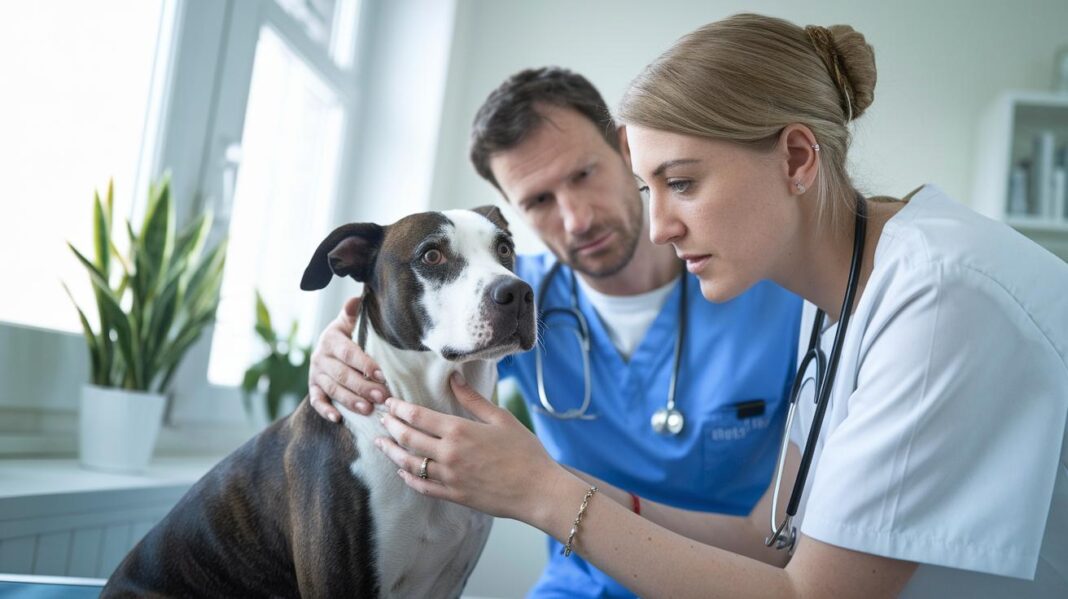

Are you worried about your dog taking prednisone? This medication helps with swelling and pain but can also cause extra thirst and restlessness. Picture your pup suddenly drinking much more water or having trouble settling down at night. In this post, we explain two common side effects of prednisone and share friendly vet tips to keep your furry friend safe and comfy. Keep reading to learn what changes you should watch for and when it’s best to call your veterinarian.
Core Prednisone Side Effects Every Dog Owner Should Know
Prednisone is a man-made medicine that acts like cortisone, a natural hormone in your dog's body. Vets use it to reduce swelling and calm the immune system, which helps with problems like allergies and arthritis. They choose the right dose based on your dog's weight and health needs.
This medicine works fast but can cause some side effects. In the short term, your dog might drink a lot of water and need to go outside more often. You may also notice a bit of extra restlessness at night. With long-term use, these signs can become stronger, like a sudden increase in hunger or more noticeable changes in behavior.
Here are some common side effects to watch for:
- Excessive thirst
- Frequent urination
- Increased appetite
- Restlessness or pacing
- Panting and trouble handling heat
- Diarrhea or vomiting
- Changes in mood or aggression
Keep an eye on your pet's water intake, energy levels, and bathroom habits. If you see more restlessness, changes in behavior, or any tummy troubles, call your veterinarian right away. Quick action can help adjust the treatment and make sure your dog stays comfortable while on prednisone.
How Prednisone Works and Why Side Effects Occur in Dogs
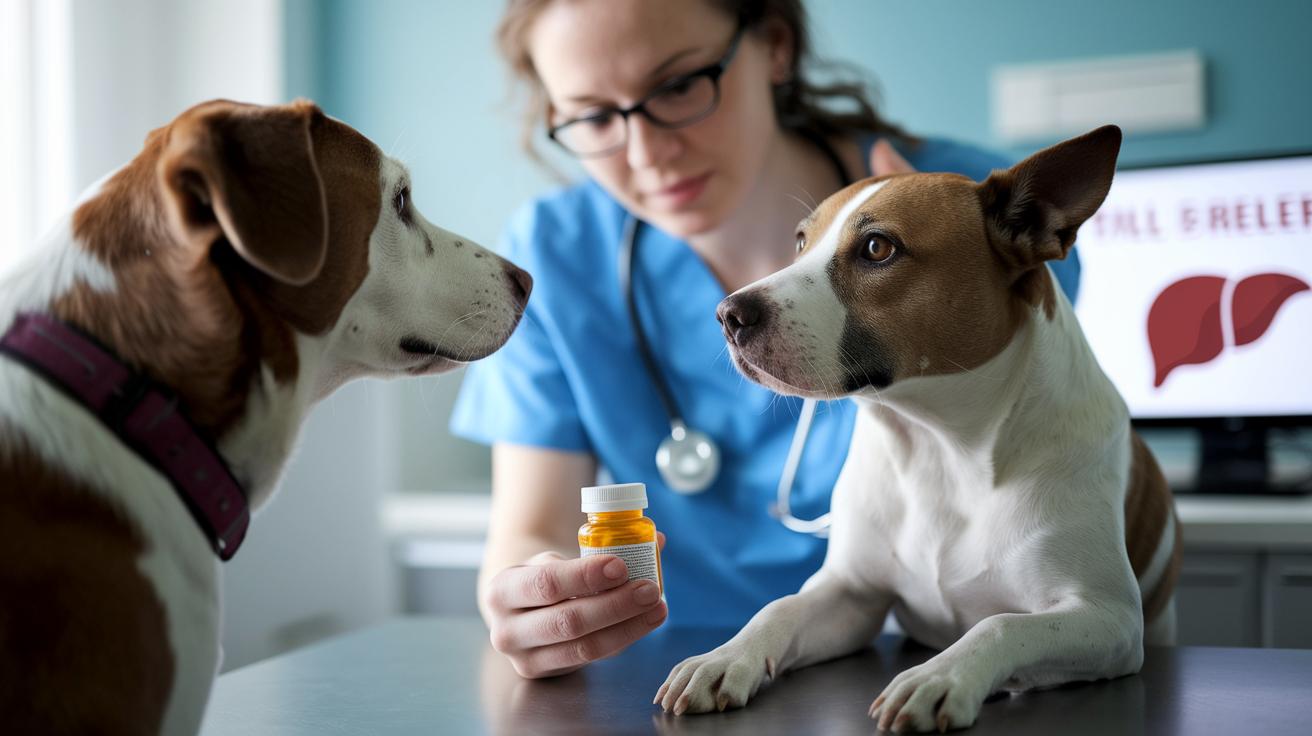
Prednisone is a man-made version of cortisol. It helps your dog's body calm swelling and reduce a strong immune response. When your dog takes it, the medicine changes in the liver to become prednisolone, which is the active form. Both prednisone and prednisolone stick to special cell receptors (little switches in cells) to lower proteins that cause inflammation. Fun fact: Before modern treatments, similar hormone-based drugs often caused unpredictable reactions. This led researchers to learn exactly how much to give.
This process has two sides. One side is very helpful because it fights inflammation in your dog. The other side can lower parts of the immune system, making your dog more open to catching small infections. It’s important to keep this balance in mind.
Prednisone also changes how your dog’s body handles proteins, sugar, and water. It may cause blood sugar levels to change and even lead to extra water buildup. You might notice your dog feeling thirstier or a little swollen.
Comparing Short-Term and Long-Term Prednisone Risks in Canines
In treatments shorter than two weeks, you might notice your dog drinking more water, eating more food, panting, and needing to go outside more often. These signs happen because the medicine affects the balance of fluids and energy use in their body.
When prednisone is given for four to six weeks or more, it can disturb your dog’s hormone system (the body system that controls many functions). For example, they might show signs similar to Cushing’s disease as their adrenal glands do not work as well. This imbalance may lead to extra health problems later on.
Long-term use of prednisone can also weaken your dog’s immune system. A weaker immune system makes it easier for infections to occur and slows down the healing of wounds. If you see a cut or scrape taking much longer to heal, it’s a good idea to check in with your vet.
Over time, prolonged prednisone use can bring bigger changes in your dog’s body. They may have a higher risk of bone weakness (osteoporosis) and high blood pressure. Keeping a close watch on these changes with your vet can help lessen any risks during treatment.
Recognizing and Monitoring Prednisone Warning Signs in Dogs

When your dog is on prednisone, keep a close eye on them every day. Watch for little changes in behavior, appetite, or bathroom habits that might mean the medication is causing trouble. Even small differences, like a slight change in mealtime interest or a different routine for going outside, could be a sign of prednisone intolerance.
Be alert for warning signs such as heavy panting when your dog is at rest, unusual vomiting, or diarrhea. You may also notice nighttime accidents or changes in how your dog acts, like being restless or a bit more aggressive than usual. These could mean the medication is affecting their mood and comfort.
Make a note of what you see each day. Write down the time, how often the symptoms occur, and how serious they are. This record can help your veterinarian decide if any changes to the treatment plan are needed. If you see more serious signs like ongoing vomiting or repeated accidents, get in touch with your vet right away.
Safe Dosing and Tapering Protocols for Canine Prednisone Therapy
When giving your dog prednisone, the dose is set by your pet’s weight. Typically, vets use 0.5 to 2 mg per kilo of body weight every day. This helps match the strength of the medicine to how severe your dog’s condition is. After your dog takes prednisone, its liver changes it into prednisolone (the form that actually works) to lower inflammation and calm the immune system.
It is important to store prednisone correctly. Keep the tablets in a sealed container at temperatures between 59°F and 86°F (15°C to 30°C) and protect them from light. If the medicine isn’t stored right, it might not work as well or could cause side effects. Following these storage rules helps keep the medication safe and effective for your pet.
When it’s time to stop the treatment, your vet will suggest a gradual reduction of the dose over 7 to 14 days. This means slowly lowering the amount every few days so your dog can adjust without risk. Gradual tapering helps avoid withdrawal problems and protects your pet from an adrenal crisis, making the transition off the steroid much safer.
Practical Strategies to Minimize Prednisone Side Effects in Dogs

Changing your dog's diet can help ease some of the unwanted effects of prednisone. Try swapping dry kibble for meals with extra moisture, which can provide more water and be gentler on the stomach. You might also want to remove grains that could upset your dog's tummy and add in probiotics and digestive enzymes (substances that help break down food) to boost gut health. For example, stir in a spoonful of cottage cheese or a bit of low-salt broth to make a softer, more enjoyable meal.
Keeping your dog well-hydrated is very important when they are on prednisone. Place water bowls in several spots around your home and mix some water into their meals to help them drink more. Soupy meals not only encourage water intake but also offer a change in texture that many dogs find comforting.
Small lifestyle tweaks can also make a big difference. Try to limit bursts of high energy by controlling exercise and focusing on gentle activities like slow walks or calm play sessions. Create a quiet, low-stress environment with plenty of cozy spots where your dog can relax. Even small changes in your dog's daily routine can help keep their mood and energy more stable while taking prednisone.
Vet-Recommended Alternatives and When to Seek Professional Advice
If your dog needs relief but you want to avoid heavy use of prednisone, there are other options you can try. Many vets suggest using medicines like carprofen (a type of pain reliever that reduces swelling), omega-3 fatty acids (found in fish oil that help fight inflammation), and turmeric supplements. These alternatives help ease pain while using fewer steroids.
For dogs with immune system issues, treatments such as immunotherapy (helping the body fight unwanted reactions) or biologics (medicines that target specific parts of the immune system) might be a good fit. They work in a more focused way than regular steroids. Remember, even natural remedies have risks, so keep a close eye on your pet when making any changes.
If you notice red-flag symptoms during any treatment change, act fast. Signs like severe aggression, signs of stomach bleeding (such as vomiting blood or black stools), or symptoms like weakness or collapse can signal trouble. In these cases, call your veterinarian immediately. Quick action can help protect your furry friend.
Final Words
In the action, the article outlined how prednisone works in dogs and listed its common side effects like increased thirst, frequent urination, and mood changes. It explained both short-term and long-term risks, safe dosing, and gradual tapering. We also covered practical strategies to lessen prednisone side effects in dogs, including diet tweaks, hydration, and controlled exercise. Monitoring your pet closely and consulting your vet with any concerns can help keep your best friend healthy and happy. Stay informed and proactive for lasting care.
FAQ
Did prednisone kill my dog?
The claim that prednisone killed my dog refers to severe reactions that can occur if not managed properly. Prednisone can be dangerous if misused, so always follow your veterinarian’s instructions closely.
What are some tips for managing dogs on prednisone, including 5mg dosing?
Tips for managing dogs on prednisone, including a 5mg dose, begin with giving the medication with food, monitoring for side effects, ensuring plenty of water, and keeping regular checkups with your veterinarian.
What are common side effects of prednisone in dogs, including long-term issues, diarrhea, skin changes, and increased urination?
Common side effects of prednisone in dogs include increased thirst, frequent urination, heightened hunger, diarrhea, skin issues, and mood changes. Long-term use may lead to more serious health problems that need veterinary oversight.
How long should a dog be on prednisone?
The duration a dog stays on prednisone depends on the condition being treated. Short courses usually last under two weeks, while longer use requires careful veterinary supervision to manage side effects.
What is the biggest side effect of prednisone in dogs and how does it affect them?
The biggest side effect of prednisone in dogs is excessive thirst and urination, which can lead to dehydration and discomfort. This often makes dogs feel restless and may alter their mood.
How do you reduce the side effects of prednisone in dogs?
To reduce prednisone side effects, taper the dose gradually under veterinary guidance, adjust the dog’s diet with moisture-rich foods, keep plenty of water available, and closely monitor for any changes in behavior or health.