

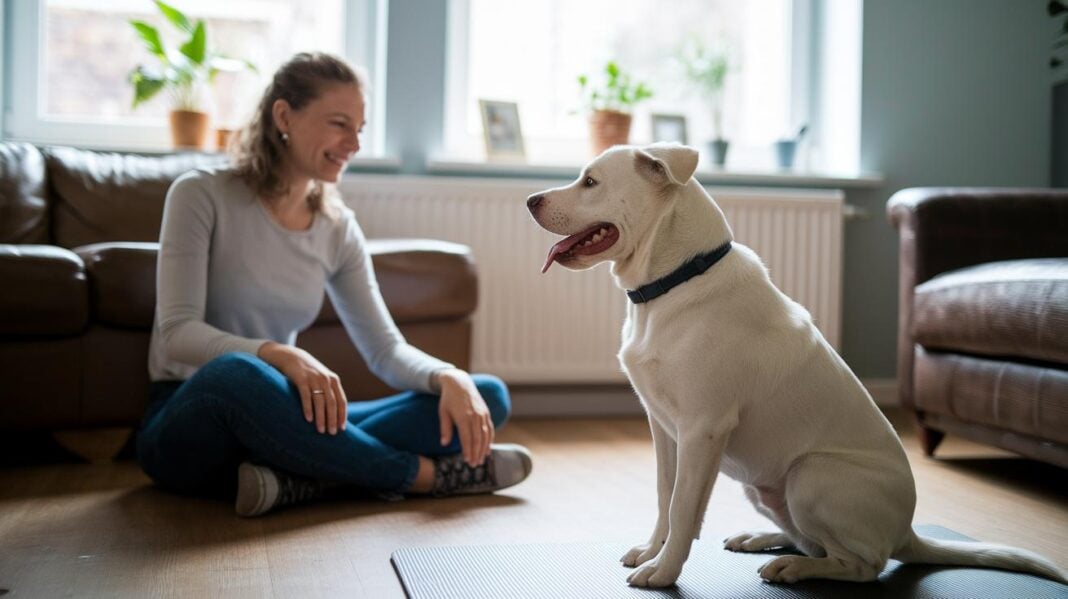

Have you noticed your dog's heart beating fast when thunder rumbles or fireworks explode? It can be hard to see your buddy so stressed. In this article, we share simple tips you can try right away to help calm your pet and lift their mood. Creating a cozy hideaway and sticking to a steady daily routine can really ease your dog’s anxiety. Read on for easy steps to bring a little more peace to both your life and your pup’s.
Core Calming Training Techniques for Anxious Dogs
Start by creating a special safe space for your dog. Choose a small room or a cozy crate filled with favorite blankets and toys. This quiet retreat helps your dog feel secure.
Next, set up a daily routine. Feed, walk, play, and let your dog rest at the same time each day. A steady schedule can ease anxiety because your pet knows what to expect.
Be sure to include plenty of exercise. Go on brisk walks or have playful sessions to help burn off energy. Adding mental games like puzzle feeders, treat-dispensing toys, or scent games gives your dog extra fun and focus.
Try introducing low-intensity sounds gradually. For example, play a soft recording of thunder while staying nearby. When your dog stays calm, offer a special treat. This method, pairing the sound with a reward, helps your pet learn to relax even when faced with the unknown.
Use a clicker (a small tool that makes a consistent sound) to mark those calm moments, too. The clear sound tells your dog, "Good job!" in a way that’s easy to understand.
Lastly, make small changes around your home to set a calming mood. Play gentle music or adjust the lighting to create a soothing environment. These simple tweaks can help your dog feel more relaxed and at ease.
Recognizing Anxiety and Triggers in Anxious Dogs
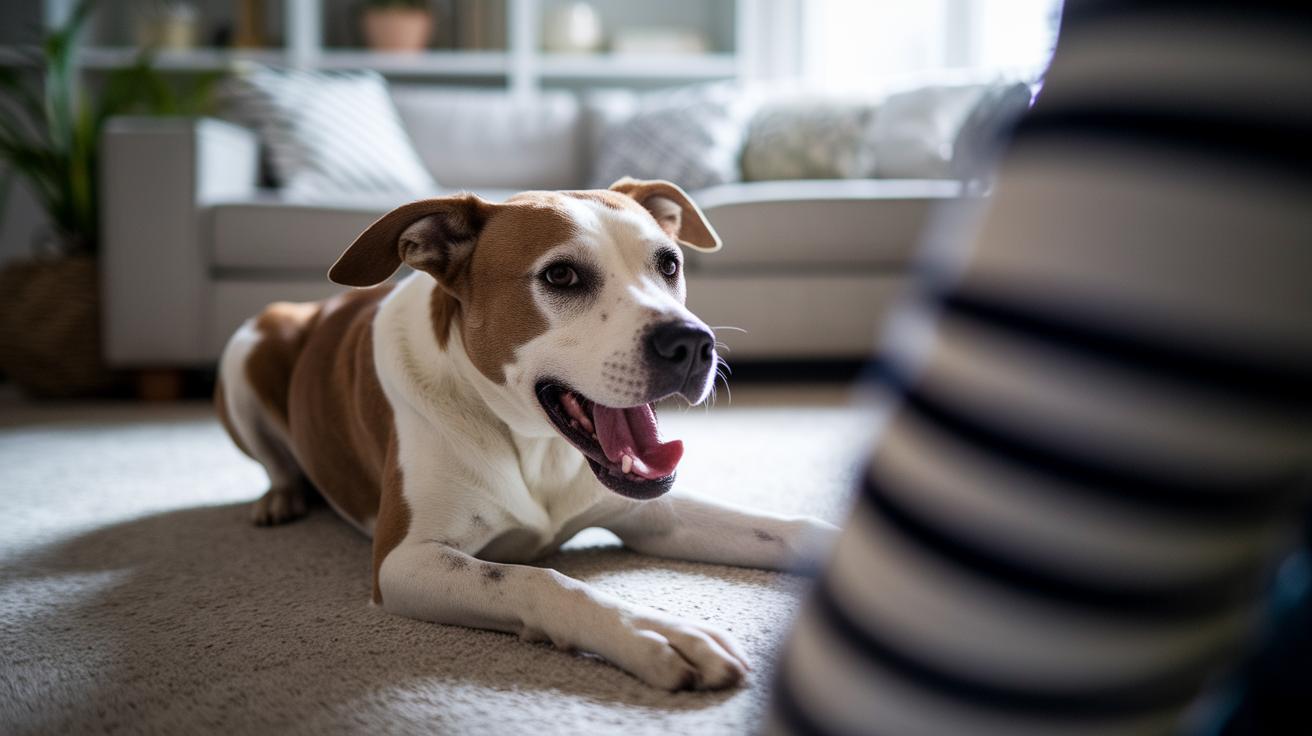
Keep an eye out for signs your dog might be feeling uneasy. If your dog barks a lot, shakes, or walks in circles, these are clear alerts. They might also act out by chewing or avoiding people. Sometimes, a dog shows mild signals like flattening its ears, licking its lips repeatedly, or yawning over and over. Even if nothing seems wrong, these clues mean your dog could be stressed.
Loud sounds often set off anxiety. For example, thunderstorms, fireworks, or even a boisterous party can make your dog feel scared. When these noisy events happen, your dog might hide in a quiet spot or seem extra restless. It helps to watch your dog closely during these times so you can notice any change in behavior quickly.
Also, pay attention to habits that seem to repeat. If your dog paces around a door or continues to bark long after a noise has stopped, it is signaling distress. Noticing these habits makes it easier for you to understand when your dog is anxious and decide the best way to help calm them down.
Desensitization and Counter-Conditioning for Anxious Dogs
Start out by choosing a quiet version of a sound that slightly worries your dog, like a soft recording of thunder or a gently lowered doorbell. This helps your dog hear the noise without getting scared. When your dog stays calm, immediately offer a yummy treat or their favorite toy to create a positive link with the sound.
Next, slowly make the sound a bit louder over several sessions. Begin at a level where your dog can easily remain relaxed, then add a little more volume each time. If you notice your dog shaking or pacing, lower the volume again until they are comfortable. Taking it step by step is key to building your dog's confidence.
The best approach is to mix this slow exposure with fun rewards. For example, if your dog hears the doorbell and stays calm, quickly give them a treat and lots of praise. This helps change their reaction from a negative one to a positive experience.
Remember these simple steps:
- Choose a soft version of the trigger sound.
- Play it at a very low volume.
- Reward calm behavior right away.
- Slowly increase the sound only when your dog shows no stress.
Using this method in short, controlled sessions can work very well. Over time, your dog learns that these once scary noises lead to pleasant surprises. It also helps you and your pet build a stronger bond through trust and positive rewards. Keep sessions brief and frequent, and use lots of praise to help your furry friend feel more comfortable with everyday sounds.
Advanced Tip: Clicker Training for Anxious Dogs

If you're already using treats to reward your dog, try using a clicker for even sharper timing. A clicker is a small tool that makes a clear sound to mark the moment your dog acts calm. For example, if your dog sits quietly when the doorbell rings, click, say "Great calm!" and give a treat right away.
- Start in a quiet, low-stress area.
- Click as soon as you notice your dog staying calm.
- Follow the click immediately with a treat or kind words.
- Slowly add small stressors once your dog understands the connection.
This method builds on basic reward techniques by giving clear, immediate feedback, helping your dog learn fast.
Exercise and Mental Stimulation for Stress Relief in Anxious Dogs
Regular exercise is a great way to help your dog burn off extra energy that may add to their anxiety. Two to three brisk 20-minute walks each day give your pet a chance to explore the outdoors while acting as a mini therapy session. You might be surprised to learn that many anxious dogs become noticeably calmer with a steady outdoor routine.
Mix in guided play sessions with basic commands. Try playing fetch and then pause for a quick sit or stay. This helps your dog learn to relax between bursts of fun and movement.
Mental stimulation is just as important. Use interactive toys or puzzle feeders (toys that release treats when solved) to keep your dog engaged and out of boredom. Games like hide-and-seek or scent hunts challenge their mind and add a rewarding twist to play.
Friendly interactions also build confidence and promote calm. Encourage playtime with other calm dogs or spend relaxed moments with gentle family members.
| Daily Action | Description |
|---|---|
| Walks | Take two to three brisk 20-minute walks to help reduce anxiety |
| Guided Play | Play fetch with pauses for commands like sit or stay to teach calm behavior |
| Mental Games | Use puzzle feeders, hide-and-seek, or scent games to engage your dog’s mind |
| Social Interaction | Encourage interactions with calm dogs or gentle family members to boost confidence |
Environmental and Routine Modifications for Anxious Dogs
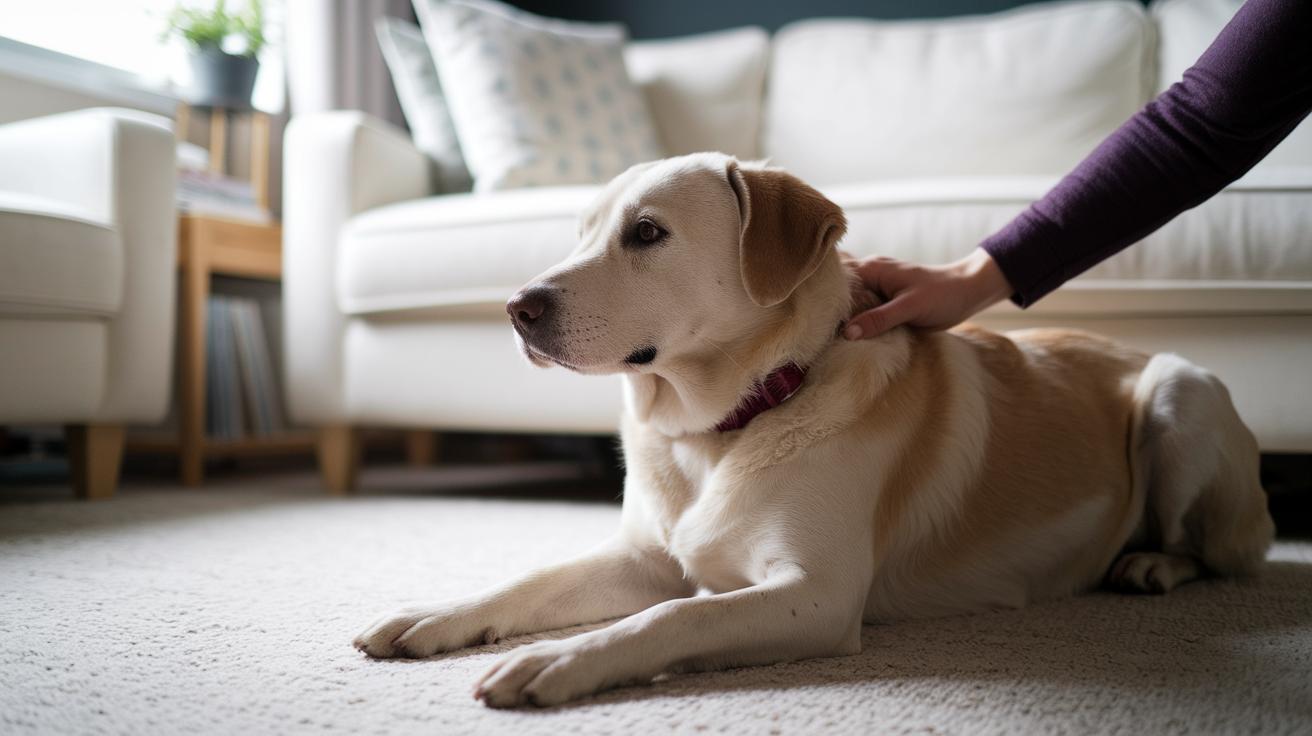
Start by setting up a quiet space in your home and keeping a simple daily routine. These basic steps help your pet feel safe. Next, try gentle massages, an anxiety wrap, or teaching the "place" command to add extra comfort. For example, give a light shoulder massage during stressful times, just like a reassuring pat or warm hug.
An anxiety wrap applies steady, gentle pressure that can help your dog feel more secure when things get noisy or change suddenly. Teaching your pet to go to a special safe spot with the "place" command also builds confidence. Whenever your dog goes there, offer a quick praise or treat to show that they did well.
These extra touch methods work together with a calm space and routine to keep your dog relaxed and secure.
Final Words
In the action, the post covered practical steps to help anxious dogs. It explained how to create a safe space, stick to routines, and use desensitization and counter-conditioning. You also saw how positive reinforcement, clicker training, and exercise ease stress.
These calming training techniques for anxious dogs are simple ways to build a relaxed, confident pet. Try incorporating these tips into daily routines and watch your furry friend thrive.
FAQ
Q: What are the best calming training techniques for anxious dogs at home?
A: The best calming training techniques for anxious dogs at home involve creating a safe space, establishing a consistent routine, using positive reinforcement, and applying clicker training to reward calm behavior.
Q: What are some dog confidence-building exercises and training methods for anxious dogs?
A: Dog confidence-building exercises include gradual exposure to low-intensity stressors, gentle physical exercise, interactive play, and reward-based training that helps boost your pet’s security and calmness.
Q: How does one treat separation anxiety in dogs?
A: Treating separation anxiety in dogs means gradually increasing your pet’s alone time, providing a quiet safe space, offering distracting toys, and using positive reinforcement to help them feel secure when you’re away.
Q: How can you calm a dog down instantly and quickly?
A: To calm a dog down instantly, try using soothing physical contact, a soft voice, and redirect their focus with a favorite treat or toy. This helps interrupt the anxiety cycle and restore calm.
Q: How do you train an anxious dog to walk and even become a service dog for anxiety?
A: Training an anxious dog to walk begins with short, calm walks using rewards. For service dog tasks, gradually expose your dog to mild stressors while reinforcing relaxed behavior—professional guidance can also help.
Q: Where can I find dog training for anxious pets near me?
A: Finding dog training for anxious pets near you can involve asking your vet for trusted recommendations or checking local listings that specialize in training methods focused on reducing anxiety and building confidence.
Q: What does the 3 second rule for dogs mean?
A: The 3 second rule means you should reward your dog within three seconds of displaying a desired behavior to strengthen the habit and reinforce calm, focused responses effectively.
Q: What does 15 minutes of mental stimulation for dogs involve?
A: Fifteen minutes of mental stimulation involves engaging your dog with interactive games, puzzle feeders, or scent-based activities that focus their mind and help reduce anxiety through structured play.