


Have you noticed your dog feeling extra tired or acting a little strange? These changes might be a sign of Addison’s disease, a condition that can sneak up fast. The good news is that proper treatment can help replace the missing hormones your dog needs.
With simple tests and timely medicine, your pet’s condition can improve a lot. Keep a close eye on your furry friend and always check with your vet if you spot unusual behavior. A healthier, brighter future is possible for your cherished companion.
Understanding Addison Disease in Dogs and Treatment Essentials
Addison's disease happens when a dog's adrenal glands get hurt by their own immune system, making too little of important hormones like cortisol and aldosterone. These hormones keep your pet's energy, blood pressure, and salt balance in check. Early signs include occasional vomiting, diarrhea, tiredness, and weight loss. You might notice your dog eating less, drinking more water, or playing less.
If the condition is not treated or your dog faces stress, things can take a bad turn very quickly. An Addisonian crisis is a serious emergency. Key signs include collapse, severe dehydration, low blood pressure, and dangerous changes in sodium and potassium levels. Imagine your energetic buddy suddenly becoming very limp with cold legs and pale gums. In such cases, you must rush to the vet.
The usual treatment involves quickly replacing the missing hormones. This is done using medications like prednisone or prednisolone (which are glucocorticoids) and fludrocortisone or injectable DOCP (mineralocorticoids). Your vet might also give IV fluids to help stabilize your pet.
Taking care of a dog with Addison's disease means regular blood tests and adjusting hormone doses, especially when your pet is stressed. If you see any big changes in your dog's behavior or health, don't wait, visit your vet right away.
Diagnostic Approaches for Addison Disease Dogs Treatment
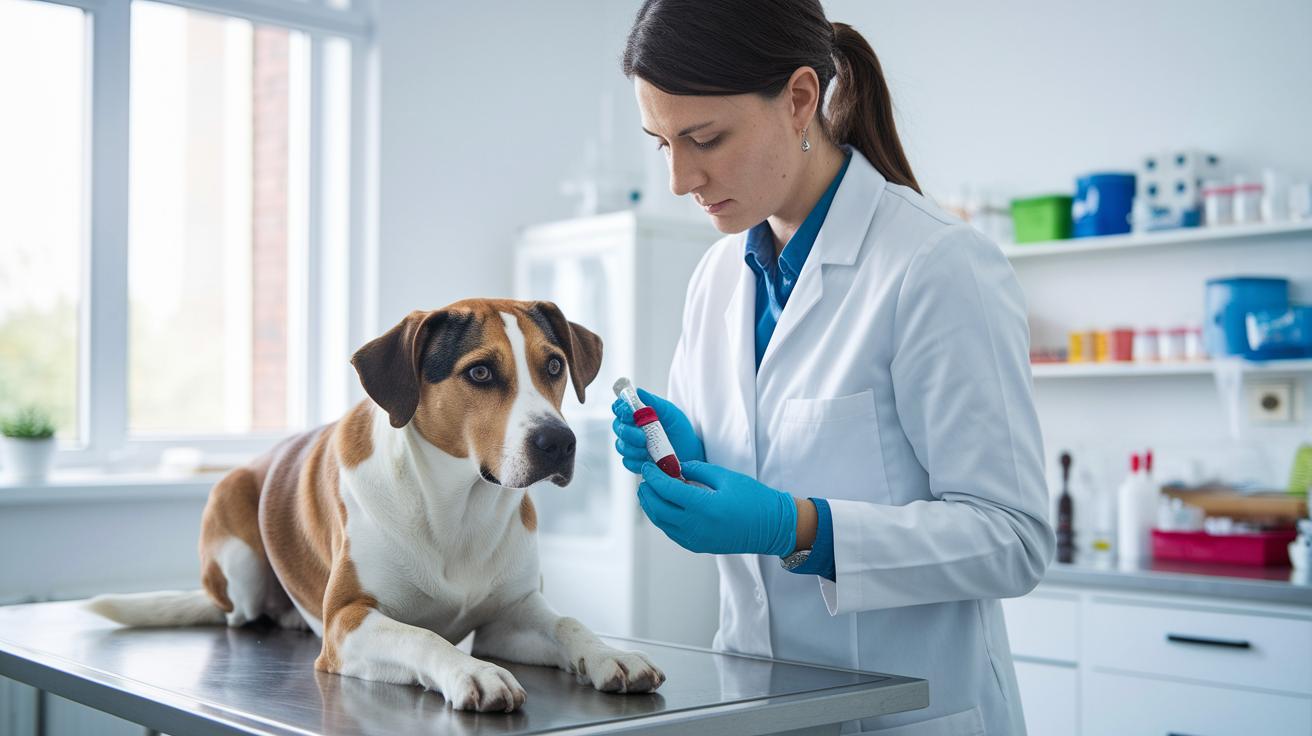
Vets follow a careful, step-by-step lab process to see if a dog has Addison disease. First, they run a blood test to check for signs like high potassium, low sodium, high urea, and anemia. These tests suggest that the adrenal glands may not be working well.
Next, a simple cortisol test is done. After that, an ACTH stimulation test is performed. In this test, the dog gets an injection of ACTH (a hormone that normally signals the body to release cortisol). In a healthy dog, cortisol levels go up a lot. In a dog with Addison disease, the increase is very small or does not happen at all.
Vets also use an electrocardiogram (ECG) to check the heart. The ECG can show slow heartbeats or other irregular rhythms caused by imbalances in electrolytes (minerals in the blood). Sometimes, a dog may have a type of Addison disease where cortisol is low but another hormone, aldosterone, stays normal. This case needs special care when looking at hormone levels.
Key steps include:
- Running a blood test for important indicators.
- Checking cortisol levels both before and after ACTH injection.
- Using an ECG to spot heart rhythm changes.
This careful process helps vets find both common and unusual forms of Addison disease so they can plan the best treatment for your pet.
Hormone Replacement Therapy in Canine Addison Disease Treatment
Addison's disease in dogs means that their adrenal glands aren’t making enough hormones. Your vet will set up a lifelong plan using two key kinds of medicine: mineralocorticoids to help balance salt and water in the body (which keeps blood pressure steady), and glucocorticoids to support overall energy and metabolism. For mineralocorticoids, one option is fludrocortisone acetate at 0.01–0.02 mg per kg of your dog's weight taken by mouth twice each day. Sometimes, an injection called desoxycorticosterone pivalate (DOCP) is used at about 2.2 mg per kg every 25 days.
Glucocorticoids like prednisone or prednisolone are also very important. Your vet might start with a dose of 0.5 mg per kg per day and then slowly lower the dose to the smallest amount that keeps your dog feeling good. This gradual reduction is like gently slowing down a car to ensure your dog's body adapts safely. Your vet will explain exactly how and when to change the doses while keeping an eye on your pet’s energy and appetite.
Once your dog starts treatment, regular checkups are key. The vet will likely run blood tests every 3 to 4 weeks to look at electrolyte levels and hormone balance. These routine tests help make sure the dosages are on target. Meanwhile, watch your dog closely at home, notice changes in energy, appetite, thirst, or weight. Keeping an open line of communication with your vet can make a big difference, helping to adjust dosages when needed and keeping your dog on the path to a healthier life.
Managing Addisonian Crisis in Dogs: Emergency Treatment Protocols
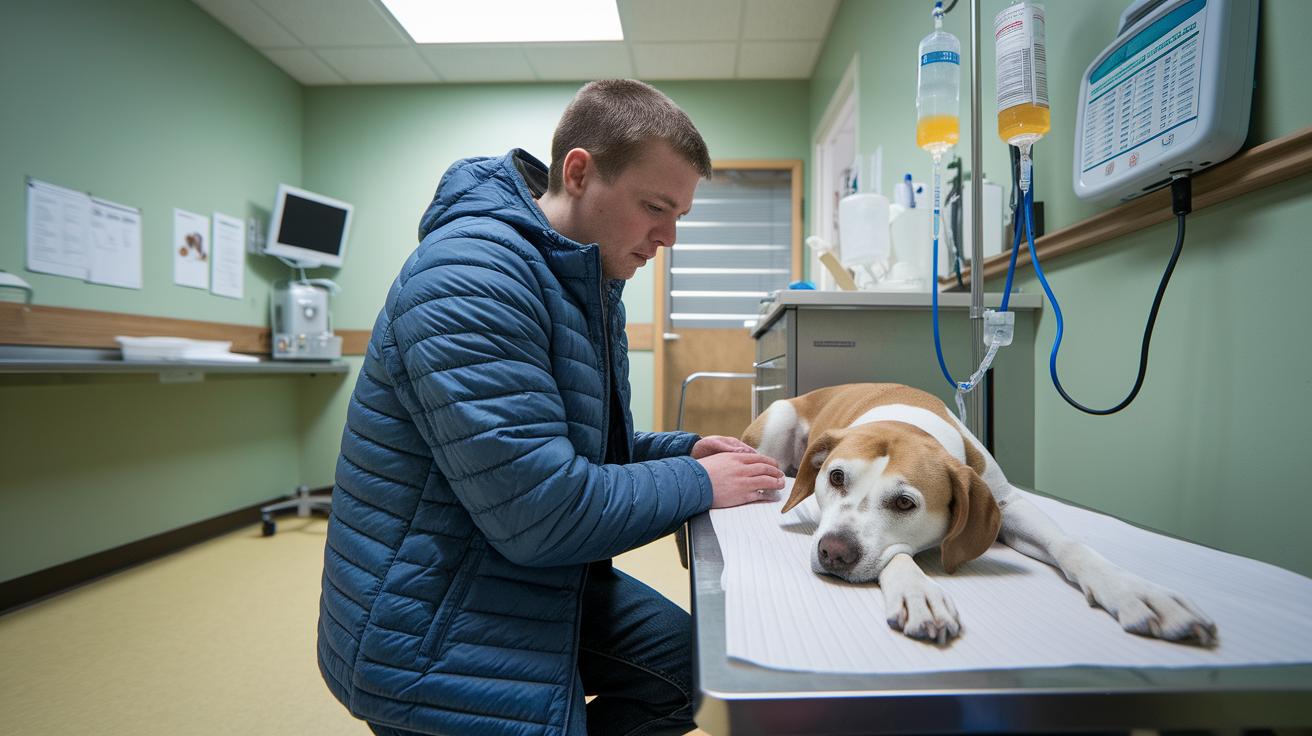
An Addisonian crisis is a sudden drop in a dog's hormones that can lead to shock. You might see your dog collapse, vomit badly, become very weak, or have cold, pale gums. Sometimes, your pet may seem confused or so tired that it barely reacts. This is a serious situation that can cause dangerous dehydration and upset balance of salts in the body.
Veterinarians work quickly during these emergencies. They usually give IV fluids (a saltwater solution) at a dose of 20–40 ml/kg to help bring up your pet’s blood volume and steady its blood pressure. Along with fluids, they use fast-acting medicines like dexamethasone or hydrocortisone sodium succinate to make up for the missing hormones. Correcting high potassium and low sodium levels is also a key step because these changes can affect the heartbeat. If your dog is awake and not vomiting, a vet might suggest a few tiny sips of water after careful advice.
Remember these steps if you suspect an Addisonian crisis:
- Spot the serious symptoms right away.
- Get your dog to an emergency vet clinic immediately.
- Keep your pet calm during the trip by making the car cool and using a soft blanket or towel for comfort.
Every minute counts during an Addisonian crisis. When you arrive at the vet, be sure to share every detail you noticed about your dog's condition. Quick and careful action can help stabilize your pet until further treatment can be given.
Long-Term Monitoring and Care Plans for Dogs with Addison Disease
Keeping your dog steady and healthy starts with regular care. Visit your vet every three to six months so they can check your dog's salt levels (electrolytes) and stress hormone (cortisol). These routine tests catch changes early and help adjust medicine doses when your dog faces stress from things like sickness or surgery.
You can help by watching for little changes in your pet's eating, energy, or behavior. A calm home free of extra stress makes a big difference too. Be sure to stay in touch with your vet to adjust treatment plans, including the timing for DOCP injections (a treatment given every 25 to 30 days).
Key strategies include:
- Making regular vet appointments and doing necessary lab tests.
- Noting your dog’s food, water intake, and activity.
- Changing medicine schedules when your dog is stressed.
- Writing down any changes you see.
These simple steps help keep your dog's hormone levels steady. With careful monitoring and teamwork with your vet, your furry friend can enjoy a balanced and active life.
Managing Side Effects and Dose Adjustments in Addison Treatment for Dogs
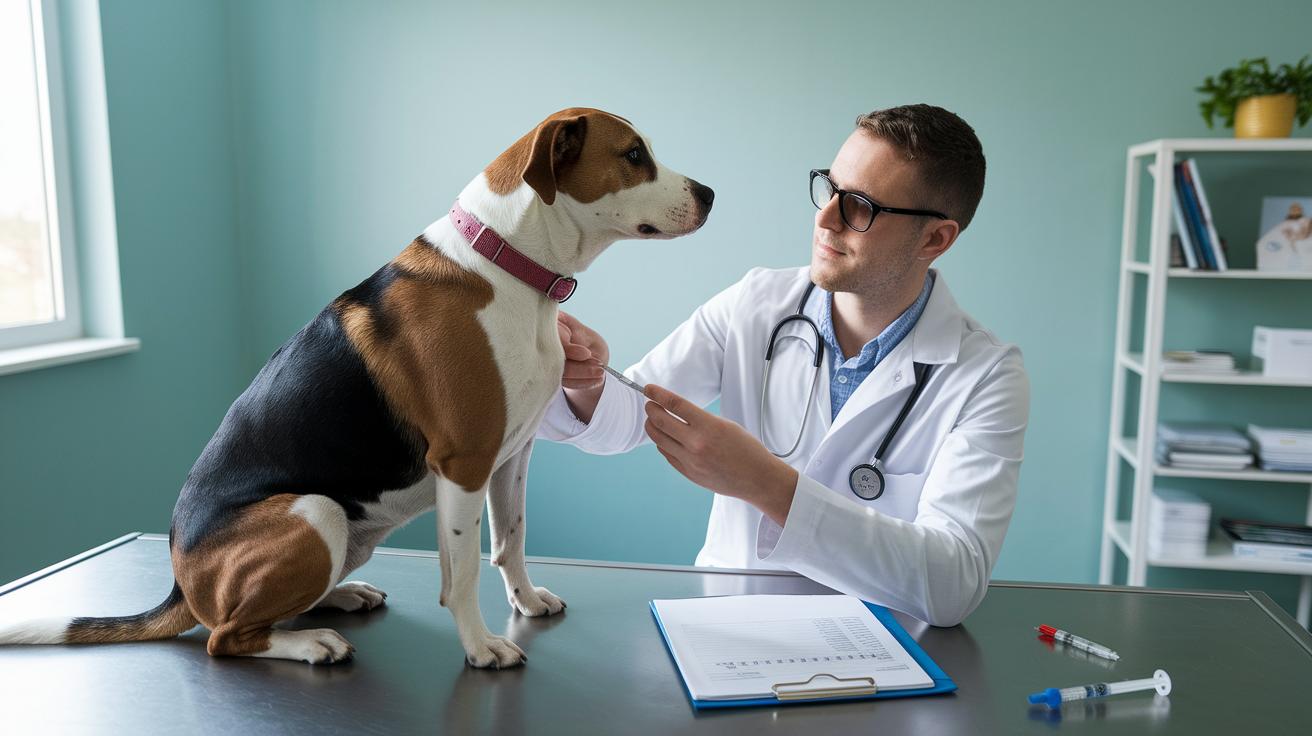
When your dog starts hormone replacement therapy, sometimes unwanted reactions can show up. You might notice more urination, extra thirst and hunger, panting, or weight gain. In some cases, too much of the other hormone can lead to higher blood pressure and a little swelling. These changes mean the dose might need a little adjustment.
Your vet will check your dog with regular blood tests and blood pressure readings to catch these signs early. Adjustments to steroids happen slowly and in small amounts. For example:
- They might lower the prednisone dose by 10% to 20% if your dog is drinking or eating too much.
- They could extend the DOCP dosing by 2 to 5 days based on blood test results showing electrolyte levels.
Watch your dog's behavior at home, especially changes in energy or appetite. When you share these observations with your vet, they can make the needed changes quickly. This careful check-up plan helps keep your dog comfortable and the treatment on track.
Addison Disease Dogs Treatment: Bright Outlook
Taking care of a dog with Addison disease means looking after more than just their medication. A healthy, balanced meal with lean meats, rice, and veggies can keep their energy steady and support overall health. Try to serve food with a moderate amount of salt to help their body use aldosterone properly, and always offer fresh water to keep your dog well-hydrated.
Stick to a daily routine to help ease stress. Feeding your dog at the same times and taking regular walks can make a big difference in keeping hormone levels stable. A gentle, daily 15-minute walk builds muscle and soothes stress without overdoing it. Short play sessions in a quiet, familiar spot can also brighten your pet’s day.
Your vet may suggest supplements like omega-3 fatty acids (which can help reduce inflammation) or B vitamins (which support energy). Remember to avoid sudden changes in your dog’s food or surroundings, as these can spike stress hormones and upset their system.
Following these simple steps alongside your dog’s treatment can help them feel calmer and more balanced every day. Keep an eye on their behavior and appetite, and always talk with your veterinarian about any changes you consider.
Prognosis and Quality of Life for Dogs Treated for Addison Disease
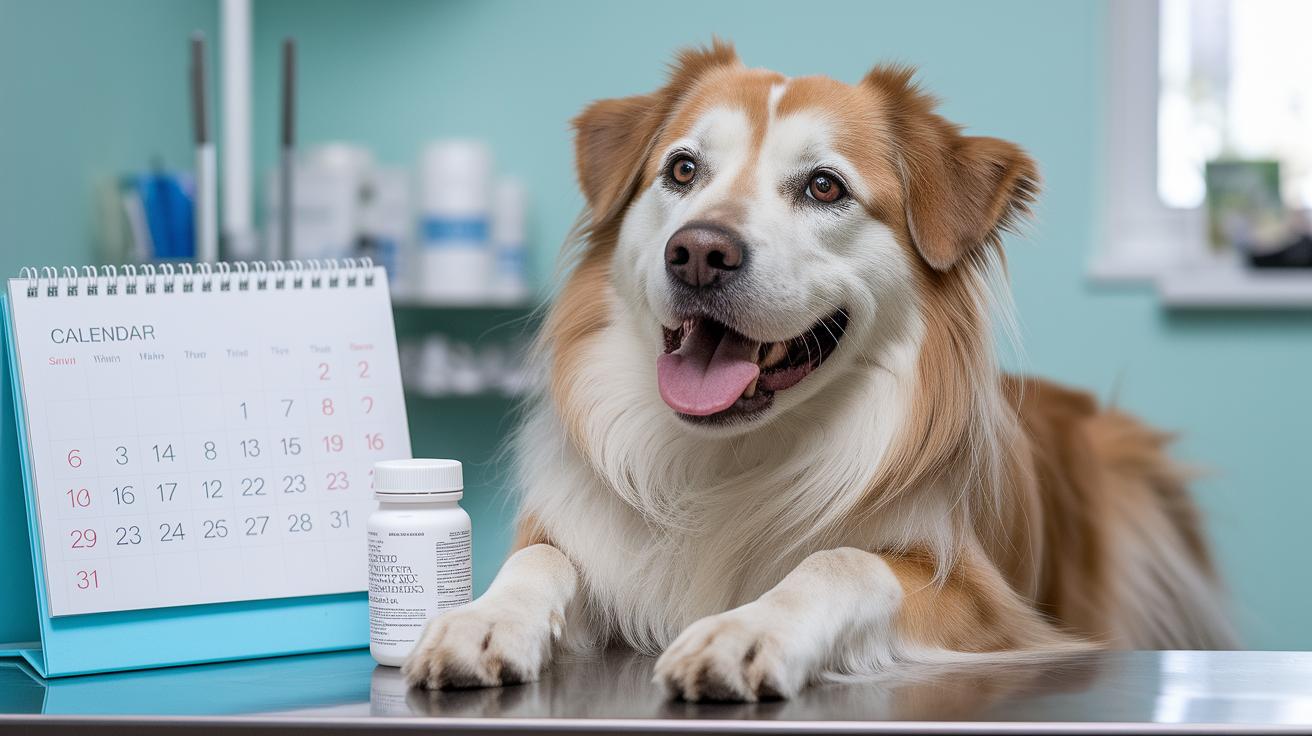
Dogs with Addison Disease can still have long, happy lives if they get the right care and regular checkups. Research shows that over 80% of these pets make it through their first year after diagnosis, and many enjoy more than 10 years of playful companionship. How well a dog does depends on a few things: the seriousness of the initial crisis, how closely care routines are followed, and whether other health issues are present.
Key parts of managing Addison Disease include giving consistent hormone replacements (medications that balance a dog’s natural hormones), scheduling vet visits, and keeping stress levels low. For example, one pet parent explained that after a tough start, their dog bounced back with steady daily care and regular blood tests. These steps help spot small changes early and allow for quick adjustments in treatment.
Watch for differences in your dog’s eating or energy levels. Little changes can mean it’s time to adjust the dose. With early detection and a solid plan, many dogs enjoy plenty of playtime, walks, and cuddles, proving that life is manageable even with Addison Disease.
Final Words
In the action, this article walked through recognizing early signs of Addison’s disease in dogs, confirming the diagnosis with careful testing, and taking prompt emergency measures when needed. It also reviewed hormone replacement therapy protocols, adjustments for side effects, and smart lifestyle changes to manage stress. With proper guidance and regular monitoring, addison disease dogs treatment helps maintain a good quality of life and long-term health. Clear, practical steps can set pet care on the right course, keeping your furry friend safe and thriving.
FAQ
Q: Living with a dog with Addison’s disease
A: Living with a dog with Addison’s disease means a commitment to daily care and stress reduction. Regular medication, monitoring, and routine vet check-ups help maintain your pet’s quality of life.
Q: What are the early symptoms of Addison’s disease in dogs?
A: Early symptoms include mild vomiting, diarrhea, lethargy, weight loss, increased thirst, and changes in appetite, which signal the need for prompt veterinary assessment.
Q: What causes Addison’s disease in dogs?
A: Addison’s disease in dogs is caused by autoimmune damage to the adrenal glands, resulting in low production of cortisol and aldosterone.
Q: What is the life expectancy of a dog with Addison’s disease?
A: With proper treatment and regular monitoring, dogs with Addison’s disease can live normal lifespans and often thrive for many years with effective crisis prevention.
Q: Addison’s disease in dogs treatment cost
A: Treatment costs vary by region and clinic; fees cover diagnostics, hormone replacement medications, and regular check-ups, making it important to consult your vet for an accurate estimate.
Q: How common is Addison’s disease in dogs?
A: Addison’s disease is relatively uncommon compared to other endocrine disorders, with fewer cases diagnosed, making awareness and early detection vital.
Q: Does Addison’s disease in dogs come on suddenly?
A: Addison’s disease can develop slowly with mild symptoms or suddenly escalate into a crisis, especially during times of stress or illness.
Q: What does Addison’s disease do to dogs?
A: Addison’s disease disrupts hormone balance, leading to issues like weakness, vomiting, and potential life-threatening crises from dehydration and low blood pressure.
Q: What foods should you avoid with Addison’s disease?
A: Avoid high-sodium foods that strain adrenal function. Follow your vet’s diet recommendations to maintain proper electrolyte balance and overall health.
Q: How do you treat Addison’s disease?
A: Treatment involves lifelong hormone replacement therapy using mineralocorticoids and glucocorticoids, with regular vet evaluations to adjust doses and monitor electrolyte levels.